




 BY Christoph Zumdick IN Industry knowledge
Label and Packaging Compliance: Essential Regulations for Your Business
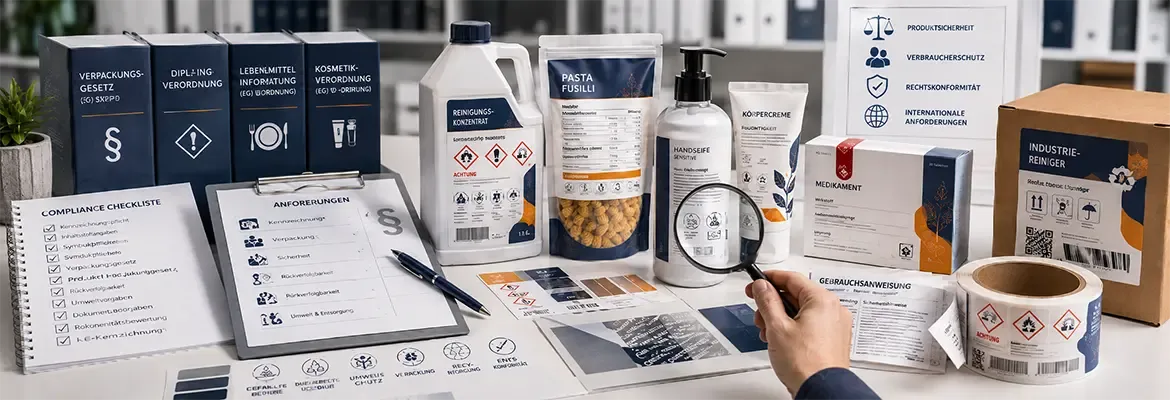
Packaging compliance and regulations are important for businesses in all industries. From food to chemicals to cosmetics, proper labeling isn't just about branding—it's a legal requirement that protects consumers and ensures product integrity. At Labelprint24, we understand the challenges businesses face when meeting these requirements while maintaining their brand identity.
Introduction to Packaging Compliance and Regulations
Packaging regulations vary significantly between industries and countries, creating a complex web of requirements that can be difficult to manage without proper guidance. These regulations control everything from the information that must be displayed to the placement, size, and format of that information. For businesses selling in multiple markets, this complexity increases as they must comply with various regulatory frameworks at the same time.

The consequences of non-compliance can be severe, ranging from fines and product recalls to damage to your brand's reputation and potential legal liability. In many places, authorities can impose big financial penalties for packaging violations, and when consumer safety is at risk, companies may face additional legal consequences. This is why working with experienced packaging professionals is crucial for ensuring that your products meet all applicable regulations while still effectively communicating your brand message.
Professional printing and packaging solutions can help you manage these complex requirements while ensuring your products stand out on the shelf. Our team at Labelprint24 specializes in creating compliant packaging solutions that don't compromise on quality or design. By partnering with experts who understand both regulatory requirements and effective design principles, businesses can achieve compliance while maintaining their competitive edge in the marketplace.
Industry-Specific Labeling Requirements
Chemical Industry Labeling Regulations
The chemical industry has some of the most strict labeling requirements due to the potential dangers associated with these products. Chemical labels must clearly communicate hazards, handling instructions, and emergency procedures to ensure user safety. These requirements are governed by regulations such as the Globally Harmonized System of Classification and Labelling of Chemicals (GHS), which has been adopted by many countries worldwide to standardize chemical hazard communication.
Key requirements for chemical labels include:
- Globally Harmonized System (GHS) pictograms that visually represent specific hazards such as flammability, toxicity, or corrosiveness
- Signal words (Danger or Warning) that indicate the relative severity of the hazard
- Hazard and precautionary statements that describe the nature of the hazard and recommended safety measures
- Product identifier and supplier information for traceability and emergency contact
- First aid instructions for immediate response to exposure or accidents
- Storage and disposal instructions to prevent environmental contamination
- Transport hazard classifications for safe shipping and handling
Our chemical labels are designed to withstand exposure to chemicals and harsh environments while maintaining legibility throughout the product's lifecycle. We ensure that all chemical labels comply with relevant regulations such as CLP (Classification, Labelling and Packaging) in Europe and OSHA HazCom in the United States. Our specialized materials resist degradation from chemical exposure, ensuring that critical safety information remains visible and legible even in challenging industrial environments.

Food and Beverage Labeling Regulations
Food and beverage labeling is subject to strict regulations designed to protect consumer health and provide clear information about the products they consume. These regulations vary by country but typically include requirements for comprehensive nutritional and ingredient disclosure. In the European Union, Regulation (EU) No 1169/2011 governs food information to consumers, while in the United States, the FDA oversees food labeling through regulations such as the Nutrition Labeling and Education Act.
Food labels need to include nutritional information in standard formats showing calories, fats, carbohydrates, proteins, and other nutrients. They must list ingredients in order of weight, with full disclosure of all components. Allergen warnings must prominently display major allergens like nuts, dairy, gluten, and shellfish. Labels also need to show net quantity, storage instructions, expiration dates, country of origin, and any applicable certifications like organic or non-GMO.
For products like honey, specific regulations may apply regarding origin, quality, and composition claims. The European Union's Honey Directive (2001/110/EC) and the United States' honey standards define what can be labeled as honey and what information must be provided to consumers. Our honey labels are designed to meet these requirements while showcasing the unique qualities of the product, such as floral source, geographic origin, and organic certification when applicable.
For frozen food products, labels must withstand low temperatures without degrading. Temperature changes can cause adhesive failure or material degradation on standard labels, potentially resulting in regulatory non-compliance if critical information becomes unreadable. Our labels for frozen goods are specifically designed with adhesives and materials that perform well in freezer environments while maintaining compliance with food labeling regulations. These specialized labels remain securely attached and fully legible even in temperatures as low as -40°C (-40°F).

Oil products, whether for eating or industrial use, have their own specific labeling requirements. Edible oils must include nutritional information and may require specific origin declarations, while industrial oils need hazard information and handling instructions. Our oil labels are designed to resist oil penetration and maintain adhesion on oily surfaces while providing clear information in accordance with regulations. These specialized labels use oil-resistant adhesives and materials that prevent degradation from direct contact with the product, ensuring long-term compliance throughout the product lifecycle.
Cosmetic Product Labeling Requirements
Cosmetic products must comply with specific labeling regulations that ensure consumer safety and product transparency. In the European Union, these requirements are governed by the Cosmetic Products Regulation (EC) No 1223/2009, while in the United States, the FDA regulates cosmetic labeling under the Federal Food, Drug, and Cosmetic Act and the Fair Packaging and Labeling Act. These regulations are designed to provide consumers with comprehensive information about product contents, usage, and safety considerations.
Cosmetic labels must include ingredient lists using International Nomenclature of Cosmetic Ingredients (INCI) names, product function statements, precautionary warnings, batch codes for traceability, Period after Opening (PAO) symbols, quantity declarations, manufacturer information, country of origin for imported products, and any special precautions for professional use products.
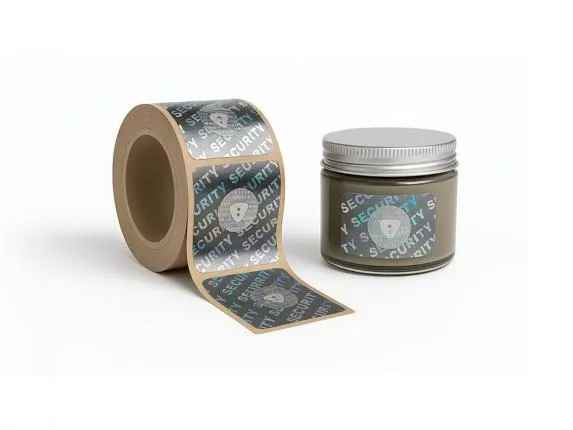
Security labels for cosmetic products provide an additional layer of protection against tampering, helping to ensure product integrity and consumer safety. These labels self-destruct or reveal a pattern when removed, providing visible evidence of tampering attempts. This is particularly important for high-value cosmetics and those with active ingredients where product integrity directly impacts safety and effectiveness. In many markets, tamper-evident packaging is becoming increasingly required for cosmetic products, especially those claiming therapeutic benefits or containing potent active ingredients.
Specialized Packaging Solutions for Regulatory Compliance
Tamper-Evident and Security Packaging
Tamper-evident packaging is crucial for industries where product integrity is paramount, such as pharmaceuticals, cosmetics, and food products. These security features not only help comply with regulations but also build consumer trust by ensuring products remain unaltered from production to consumption. In the pharmaceutical industry, tamper-evident packaging is mandated by regulations such as the EU Falsified Medicines Directive and the US Drug Supply Chain Security Act to prevent counterfeiting and protect patient safety.
Our sealing and closure labels provide visible evidence of tampering, helping to protect both consumers and your brand reputation. These labels can be customized to match your brand look while fulfilling regulatory requirements for tamper evidence. Advanced security features can include void messaging that appears when the label is removed, holographic elements that are difficult to copy, and serialization for product authentication and tracking throughout the supply chain.
For pharmaceutical products, tamper-evident packaging is not just recommended—it's often legally required. Our security solutions can help pharmaceutical companies comply with regulations such as the EU Falsified Medicines Directive and similar requirements in other regions. These solutions include tamper-evident seals, authentication features, and unique identification codes that support track-and-trace systems. By using these security measures, pharmaceutical companies can protect patients from counterfeit or adulterated products while demonstrating regulatory compliance to authorities.
Multi-Layer Labels for Expanded Information
When space is limited but regulatory information is extensive, multi-layer labels offer an effective solution. These labels allow for the inclusion of comprehensive information without compromising the product's visual appeal. This is particularly valuable for small containers or products that require extensive regulatory text in multiple languages, detailed usage instructions, or comprehensive ingredient listings.

Multi-layer labels are particularly useful for:
- Pharmaceutical products with extensive usage instructions, contraindications, and safety information that must be accessible to patients and healthcare providers
- Chemical products requiring detailed safety information, handling procedures, and emergency response protocols in multiple languages
- Multilingual packaging for international distribution, allowing the same product to be sold across different markets without creating market-specific packaging
- Products with extensive regulatory requirements such as medical devices that must include detailed usage instructions, warnings, and technical specifications
- Products with limited surface area but extensive information requirements, such as small cosmetic containers or specialty food items
Our adhesive labels can be customized with multiple layers to fit all necessary regulatory information while maintaining a clean, professional appearance for your products. These innovative solutions include peel-back labels with multiple pages, booklet labels that fold out like miniature brochures, and accordion-fold labels that expand to reveal extensive information while maintaining a compact footprint on the product.
Specialized Cartons and Packaging
Beyond labels, the structural packaging itself must often meet specific regulatory requirements, particularly for shipping hazardous materials or ensuring product protection. The design, materials, and construction of packaging components play a crucial role in regulatory compliance, especially for products that are fragile, sensitive to environmental conditions, or potentially hazardous during transportation.
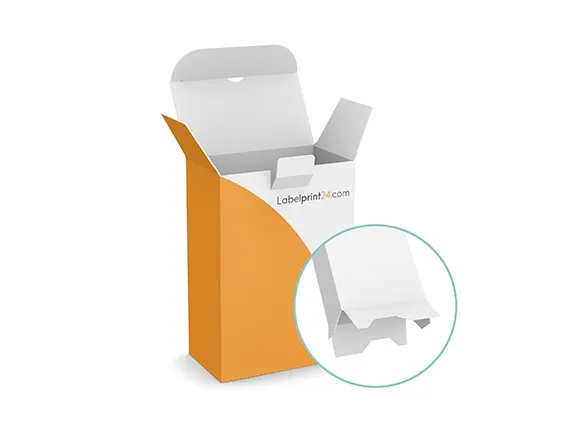
Our folding boxes with crash lock bases provide enhanced security and stability, making them ideal for products that require additional protection. These boxes feature safety tabs and base straps with adhesive dots for high load-bearing capacity, ensuring your products remain secure during transport and storage. The crash lock base design allows for efficient automated assembly while providing superior structural integrity compared to standard folding boxes, making them suitable for heavier products or those requiring additional protection from compression or impact during shipping.
For businesses that need to manage returns efficiently while maintaining compliance, our return boxes with crash lock bases and adhesive tape offer a practical solution. These boxes are designed for easy assembly and secure closure, helping to streamline the returns process while ensuring products remain protected. The integrated adhesive tape system allows for simple resealing by customers, maintaining product integrity during the return shipping process while complying with carrier requirements for properly secured packages.

For shipping applications, our shipping cartons with tuck-in flaps provide a secure packaging solution that meets industry standards. These customizable cartons can be produced in various flute types to accommodate different product protection needs. The FEFCO 0216 design is recognized internationally as a standard shipping carton format that complies with transportation regulations while providing efficient material usage and structural integrity for protecting contents during shipping and handling.
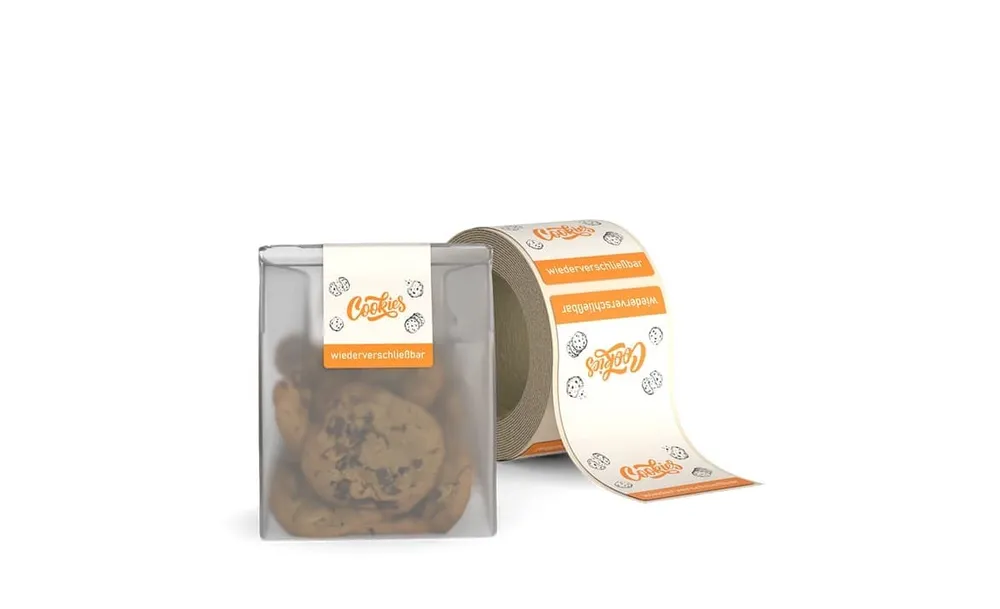
Our folding boxes with snap lock bases offer another secure packaging option with offset flaps for enhanced stability. These boxes are ideal for a wide range of products, from food and pharmaceuticals to consumer goods. The snap lock base provides quick and secure assembly without requiring adhesives or tape, making these boxes both efficient to use and environmentally friendly. The design can be customized to include additional features such as tamper-evident seals or viewing windows while maintaining structural integrity and regulatory compliance.
Balancing Brand Identity with Regulatory Requirements
One of the biggest challenges in packaging compliance is maintaining your brand identity while meeting all regulatory requirements. This balance is crucial for creating packaging that not only complies with regulations but also effectively communicates your brand message. Successful brands achieve this balance by integrating regulatory elements into their overall design strategy rather than treating them as separate components that disrupt the visual harmony of the packaging.

Strategic Label Design for Compliance
Strategic label design involves thoughtfully integrating regulatory elements into your overall packaging design. This approach ensures that mandatory information is presented clearly and accurately while maintaining visual appeal. Rather than viewing regulatory requirements as limitations, innovative designers use them as opportunities to reinforce brand values such as transparency, safety, and quality through thoughtful integration of required elements.
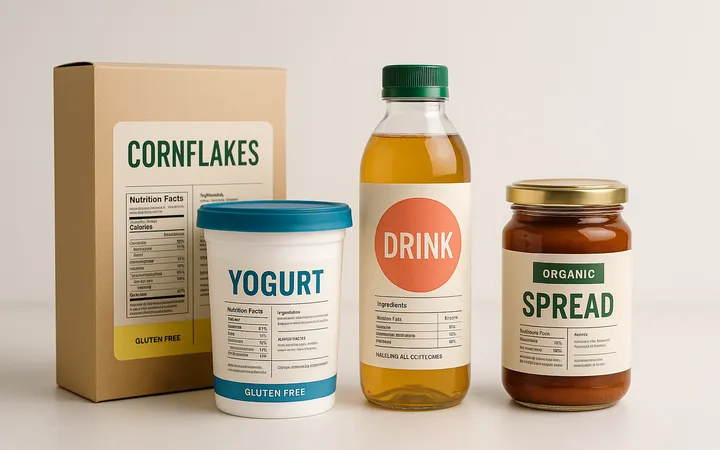
Key strategies include:
- Hierarchy of Information: Organizing content so that regulatory information is clear but doesn't overwhelm brand elements. This involves careful consideration of typography size, weight, and placement to guide the consumer's eye through the information in a logical sequence while maintaining brand prominence.
- Consistent Typography: Using readable fonts for regulatory information that complement your brand typography. This creates visual harmony while ensuring that required information remains easily readable even in smaller sizes or challenging viewing conditions.
- Color Integration: Incorporating mandatory elements like warning symbols in a way that works with your brand color palette. This might involve using complementary colors or creating dedicated zones on the packaging where regulatory elements appear consistently.
- Space Optimization: Efficiently using available space to include all required information without cluttering the design. This could involve creative solutions like multi-panel labels, QR codes linking to additional information, or strategic placement of regulatory elements.
- Visual Frameworks: Developing consistent visual systems for presenting regulatory information across product lines, creating recognition and familiarity for consumers while maintaining brand consistency.
Our printed labels can be customized to achieve this balance, ensuring that your products comply with regulations while maintaining a strong brand presence. Our design team works closely with regulatory experts to create label designs that seamlessly integrate required elements while preserving and enhancing your brand's visual identity across product lines and packaging formats.
Utilizing Expert Advice for Compliance
Managing the complex world of packaging regulations can be challenging, which is why expert advice is invaluable. Our team at Labelprint24 offers specialized knowledge to help you create packaging that meets all regulatory requirements while effectively representing your brand. Our experts stay current with changing regulations across multiple industries and geographic markets, ensuring that your packaging remains compliant even as requirements change.
Our expert advice service provides guidance on:
- Industry-specific regulatory requirements for sectors such as food, pharmaceuticals, cosmetics, chemicals, and consumer goods, with detailed knowledge of both general requirements and specialized niche regulations
- Material selection for compliance and durability, ensuring that labels and packaging withstand environmental conditions while maintaining regulatory compliance throughout the product lifecycle
- Design strategies that balance regulations with branding, creating visually appealing packaging that meets all legal requirements without compromising brand identity
- Cost-effective solutions for complex compliance needs, identifying opportunities to streamline production while maintaining full regulatory compliance
- International regulations for global distribution, navigating the complex landscape of requirements across different markets to create packaging that works worldwide or can be efficiently adapted for specific regions
- Documentation and verification processes to demonstrate compliance to regulatory authorities and retail partners when required
We work closely with clients across various industries, including pharmaceutical, cosmetic, and food, to ensure that their packaging meets all applicable regulations while effectively communicating their brand message. Our collaborative approach brings together regulatory expertise, design creativity, and production knowledge to develop packaging solutions that satisfy all stakeholders—from regulatory authorities to marketing teams to end consumers.
Materials and Durability Considerations for Regulatory Compliance
The materials used in your packaging play a crucial role in regulatory compliance. Different industries have specific requirements regarding material safety, durability, and performance under various conditions. For food contact materials, regulations such as EU Regulation 1935/2004 and FDA requirements govern which materials can safely contact food products. For pharmaceutical packaging, materials must meet pharmacopoeia standards for purity and stability. Selecting appropriate materials is not just about initial compliance but ensuring that packaging maintains its integrity throughout the product's lifecycle.
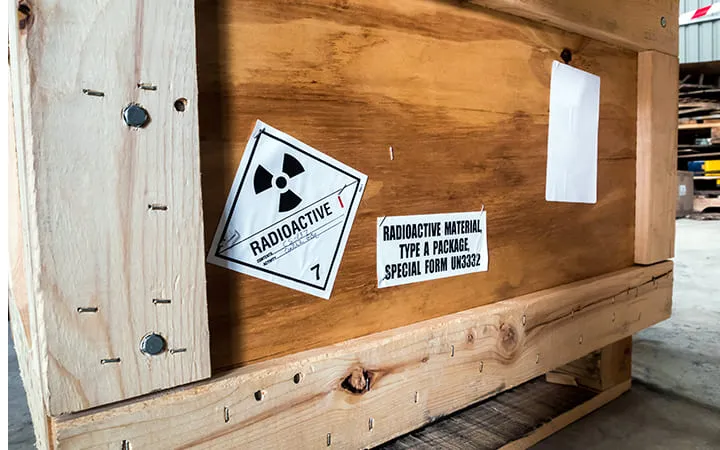
Specialized Materials for Specific Conditions
Different products require labels and packaging that can withstand specific environmental conditions while maintaining regulatory compliance. The failure of packaging materials under challenging conditions can lead to regulatory non-compliance if required information becomes unreadable or if packaging integrity is compromised. Specialized materials are designed to maintain compliance even when exposed to conditions that would degrade standard packaging materials.
Chemical-resistant materials for chemical products must resist degradation when exposed to the product itself, requiring specialized face stocks, adhesives, and protective laminates. Temperature-resistant materials for frozen or heated products must maintain integrity across temperature ranges, from cryogenic applications at -196°C to high-temperature sterilization exceeding 200°C. Moisture-resistant materials prevent information loss in humid environments, while UV-resistant materials prevent fading from sunlight exposure. Abrasion-resistant materials maintain information integrity despite physical wear from handling and transportation.
Our special labels for extreme conditions are designed to withstand challenging environments while maintaining compliance with relevant regulations. These labels use robust, durable materials that ensure information remains legible throughout the product's lifecycle. We conduct extensive testing to verify material performance under specific conditions, ensuring that regulatory compliance is maintained even in the most demanding applications and environments.
Ensuring Long-Term Compliance Through Material Selection
The longevity of your packaging and labeling is crucial for maintaining compliance throughout the product's shelf life. Materials must be selected not only for their initial appearance but also for their performance over time. Regulatory authorities expect required information to remain legible and packaging to maintain its integrity until the product's expiration date or expected service life. Material degradation that compromises regulatory information can lead to non-compliance issues even if the initial packaging met all requirements.
Key considerations include adhesive performance (ensuring labels remain securely attached), print durability (selecting inks and printing methods that resist fading or smudging), material stability (choosing materials that maintain their integrity without degradation), environmental resistance (accounting for exposure to light, moisture, temperature fluctuations, and handling), and migration barriers (for food and pharmaceutical packaging, ensuring that packaging materials do not transfer undesirable substances to the product).
At Labelprint24, we offer a wide range of adhesive labels with different material and adhesive combinations to ensure optimal performance for your specific application while maintaining regulatory compliance. Our materials engineering team evaluates each application's requirements to recommend solutions that provide long-term compliance under expected usage conditions, helping to prevent costly recalls or regulatory issues related to packaging failure.
International Compliance Considerations

For businesses operating in multiple markets, managing the varying regulatory requirements across different countries and regions adds another layer of complexity to packaging compliance. International distribution requires careful consideration of how packaging will meet requirements in each destination market, potentially requiring adaptations or market-specific versions to ensure full compliance while maintaining operational efficiency.
Navigating Regional Regulatory Differences
Different regions have their own regulatory frameworks governing packaging and labeling. Understanding these differences is essential for creating packaging that complies with requirements in all target markets. While some regulations are becoming more standardized through international agreements, significant variations still exist in requirements, enforcement approaches, and compliance documentation.
The European Union has comprehensive regulations like the CLP Regulation for chemicals, the Food Information Regulation for food products, and the Cosmetic Products Regulation, with detailed requirements for information disclosure, material safety, and environmental considerations. The United States has FDA regulations for food and drugs, CPSC regulations for consumer products, and EPA regulations for certain chemicals, focusing on specific hazards and clear disclosure of risks. The Asia-Pacific region has varying regulations across countries, with systems like China's GB standards and Japan's JIS standards that may differ significantly from Western regulatory frameworks. Latin American countries like Brazil and Mexico have comprehensive regulatory systems with specific requirements for different product categories, while Middle East and African countries often require specific certifications such as Halal for food products and may have unique language requirements including Arabic text.
Our team at Labelprint24 can help you navigate these complex international requirements, ensuring that your packaging complies with regulations in all your target markets. We maintain current knowledge of regulatory developments worldwide and can advise on efficient approaches to meet varying requirements while maintaining brand consistency and operational efficiency.
Multilingual Packaging Solutions
For products distributed across multiple language regions, multilingual packaging is often necessary to meet regulatory requirements. This presents challenges in terms of space management and design integration. Many countries require that product information be provided in their official language(s), making multilingual solutions essential for international distribution.
Strategies for effective multilingual packaging include multi-layer labels that provide extensive information in multiple languages without cluttering the primary label; QR codes and digital solutions that link to online resources for additional language support; standardized symbols and pictograms to communicate key information regardless of language barriers; region-specific packaging variations for products with distinct distribution channels by region; and clear visual hierarchy that organizes multilingual content with visual cues to help users find their language.
Our adhesive label solutions can be customized to accommodate multilingual requirements while maintaining a clean, professional appearance. We offer innovative formats such as peel-and-read labels, accordion-fold booklets, and rotating labels that maximize information capacity while preserving brand aesthetics and ensuring regulatory compliance across multiple markets.
Working with a Professional Packaging Partner
Managing the complex world of packaging compliance and regulations is much easier with the support of a professional packaging partner. At Labelprint24, we specialize in creating compliant packaging solutions that meet all regulatory requirements while effectively communicating your brand message. Our comprehensive approach combines regulatory expertise, design creativity, and production capabilities to deliver packaging that satisfies both compliance needs and marketing objectives.
Benefits of Expert Guidance
Working with packaging professionals offers many benefits when it comes to managing regulatory requirements. The complexity of packaging regulations across different industries and markets makes expert guidance invaluable for businesses seeking to ensure compliance while optimizing their packaging for market success.
Working with experts gives you access to regulatory specialists who stay current with changing regulations across multiple industries and markets, materials specialists who understand the performance characteristics of different substrates and adhesives, designers who can balance regulatory requirements with brand aesthetics, cost efficiency by avoiding expensive mistakes and potential recalls, time savings by streamlining the compliance process to get products to market faster, and risk mitigation through proper planning and execution.
Our team at Labelprint24 brings extensive experience in helping businesses across various industries achieve packaging compliance. We understand the challenges of balancing regulatory requirements with brand presentation and work closely with our clients to develop solutions that meet both needs effectively. By partnering with us, you can focus on your core business while we handle the complexities of packaging compliance.
Comprehensive Design and Production Services
Beyond regulatory consultation, we offer complete design and production services to bring your compliant packaging to life. Our integrated approach ensures seamless execution from concept through production, with quality control at every stage to verify that finished packaging meets all specified requirements and regulatory standards.
Our services include regulatory research and analysis for your specific products and markets, custom label and packaging design that integrates compliance requirements with brand identity, material selection guidance for optimal performance and compliance, prototype development and testing to verify compliance before production, production of compliant labels and packaging using state-of-the-art equipment, quality assurance procedures to ensure consistent compliance across production runs, and ongoing support for regulatory updates and packaging revisions as requirements evolve.
This comprehensive service model means you have a single partner managing all aspects of packaging compliance, from initial design through ongoing production. We become an extension of your team, providing the specialized expertise needed to navigate regulatory complexity while delivering packaging that supports your business objectives. Our investment in understanding your products, markets, and brand ensures that we can provide informed recommendations that optimize compliance while maximizing packaging effectiveness.
Conclusion: Ensuring Compliance While Building Your Brand
Packaging compliance and regulations represent both a challenge and an opportunity for businesses across all industries. While regulatory requirements add complexity to packaging development, proper compliance protects consumers, builds trust, and creates a foundation for market success. The consequences of non-compliance—from financial penalties to product recalls to brand damage—make regulatory adherence essential, not optional.
At Labelprint24, we understand that effective packaging achieves dual objectives: meeting all applicable regulatory requirements while effectively communicating your brand identity and product benefits. Our comprehensive solutions—from chemical labels and food labels to cosmetic labels and multi-layer labels—address the unique compliance challenges of different industries while maintaining the visual appeal necessary for market success.
Strategic packaging compliance requires expertise across multiple domains: regulatory knowledge, material science, design principles, and production capabilities. By partnering with packaging professionals who understand these interconnected elements, businesses can navigate regulatory complexity confidently while creating packaging that drives brand recognition and sales performance. Our specialized solutions, including specialized adhesive labels, ensure that your products meet requirements across different markets and conditions.
Whether you're launching new products in regulated categories, expanding into international markets with varying requirements, or updating existing packaging to meet evolving regulations, professional guidance can streamline the process and prevent costly errors. The investment in compliant packaging delivers returns through reduced regulatory risk, enhanced consumer trust, and packaging that effectively combines regulatory requirements with powerful brand communication that drives market success.
Contact Labelprint24 today to discuss how our compliant packaging solutions can help your products meet all regulatory requirements while standing out in competitive markets. Our team of regulatory specialists, designers, and production experts is ready to help you navigate the complex world of packaging compliance while creating solutions that support your business growth and protect your brand reputation.