




 BY Christoph Zumdick IN Industry knowledge
The Effectiveness of QR Codes on Labels: A Comprehensive Guide
Introduction to QR Codes on Labels
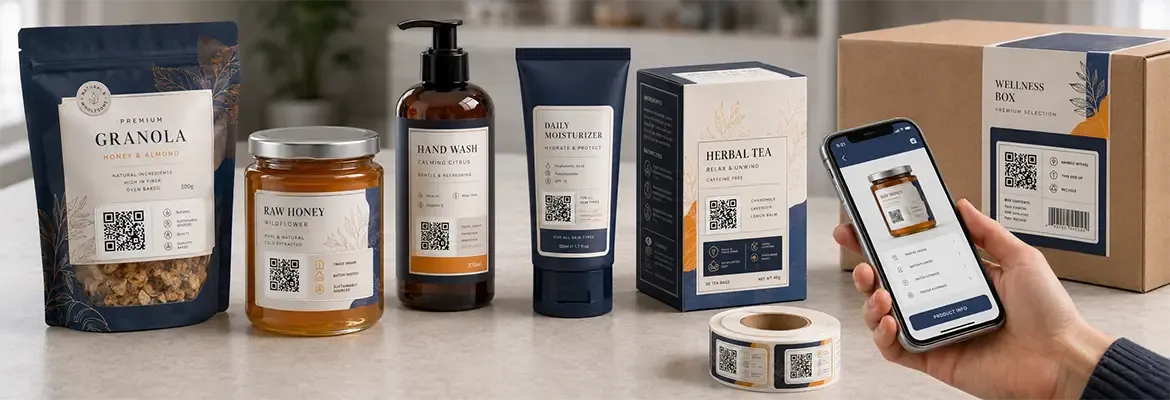
QR codes have changed how businesses connect physical products with digital information. These small, scannable squares transform ordinary labels into interactive gateways of information. QR codes are better than traditional barcodes, offering greater data capacity and versatility for modern packaging needs. Their matrix structure allows for scanning from any direction and enhanced data storage capabilities, making them perfect for today's information-rich marketing environment.
When used correctly, QR codes turn static packaging into dynamic marketing tools. They create a smooth connection between offline products and online content, letting consumers access detailed information, videos, instructions, or special offers by simply scanning with their smartphone. This technology has become more important as consumers want more transparency and information about the products they buy. Most modern smartphones can now scan QR codes without special apps, which has made them more common in everyday consumer experiences.
Our range of label solutions can work with many QR code uses, making sure your products look professional and engage customers through this interactive technology. From booklet labels that can include QR codes linking to more content to specialised security labels that include authentication features, we offer complete solutions for modern packaging needs. These options let brands create connected experiences that link physical products with digital brand content.
Understanding QR Code Technology
QR (Quick Response) codes were first created in Japan for the car industry but are now used in many different areas. These two-dimensional codes can store much more information than regular barcodes—up to 3,000 characters compared to just 20-25 characters in normal barcodes. This larger capacity lets QR codes contain complex information like website addresses, contact details, product identifiers, and even small text documents, making them very useful for marketing and sharing information.
The technical structure of QR codes includes several key components:
- Finder Patterns: The three square markers in the corners that help scanning devices locate the QR code. These distinctive patterns allow cameras to quickly identify the code and determine its orientation regardless of the angle from which it's viewed.
- Alignment Patterns: Additional markers that help correct for distortion when the code is placed on curved surfaces. These become increasingly important for larger QR codes and those applied to non-flat packaging like bottles or tubes.
- Timing Patterns: Alternating black and white modules that help determine the size of the data matrix. These patterns run between the finder patterns and help the scanner identify individual cells within the code.
- Version Information: Details about the QR code version being used, which determines the code's data capacity and complexity level.
- Data and Error Correction: The actual encoded information plus redundancy to ensure readability even if partially damaged. Error correction capabilities can be set at different levels depending on the anticipated environment and handling conditions.
QR codes offer several advantages over traditional barcodes when used on adhesive labels and packaging:
- Omnidirectional Scanning: Unlike barcodes, QR codes can be scanned from any angle, eliminating alignment issues and improving user experience significantly.
- Error Correction: They maintain functionality even when partially damaged or obscured, making them ideal for products that may experience wear during shipping or handling.
- Compact Information Storage: More data in less space, ideal for small labels where real estate is at a premium but information needs are substantial.
- Direct Consumer Engagement: Scannable with standard smartphone cameras without special equipment, creating an accessible gateway to digital content for virtually all consumers.
At Labelprint24, we understand the technical requirements for printing clear, scannable QR codes on various label materials, from transparent labels to paper-based options. Our printing technology ensures optimal contrast and resolution for reliable scanning performance. We carefully balance factors like ink density, substrate reflectivity, and printing resolution to create codes that scan reliably across different lighting conditions and scanning devices.
Implementation Guidelines for Effective QR Codes
Creating effective QR codes for labels requires careful consideration of several key factors. The following implementation guidelines will help ensure your QR codes perform optimally across various applications and scanning environments. Proper implementation is crucial as poorly designed or placed QR codes can frustrate consumers and undermine the technology's benefits, potentially damaging brand perception rather than enhancing it.
Size and Placement Considerations
The size of your QR code directly impacts its scannability. For reliable performance:
- Minimum Size: Maintain at least 1-2cm square dimensions for reliable scanning. Smaller codes may be difficult to scan, particularly in less-than-ideal lighting conditions or with older smartphone models.
- Quiet Zone: Include a clear margin (quiet zone) around the QR code of at least 4 modules wide. This empty space is essential for scanners to distinguish the code from surrounding design elements and text.
- Strategic Placement: Position QR codes in easily accessible locations on the packaging. Avoid areas that might be obscured when products are displayed on shelves or that require excessive manipulation to access.
- Curved Surfaces: When placing on curved containers, ensure the code isn't distorted beyond recognition. Consider the degree of curvature and adjust code size accordingly to maintain scannability.
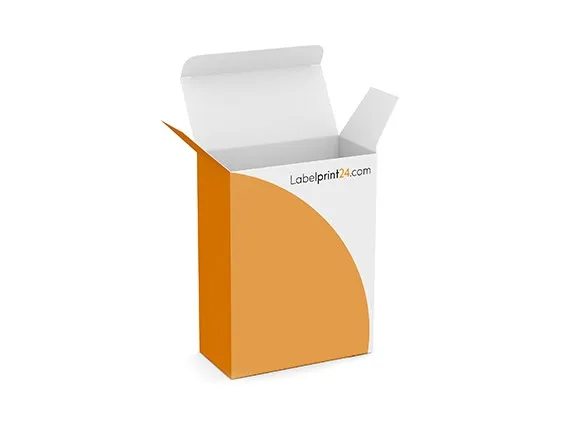
For products with limited space, we offer specialised label dispensers that can accommodate smaller labels whilst maintaining QR code functionality. Our custom folding boxes also provide ample flat surface area for optimal QR code placement. These solutions allow for creative integration of QR codes even on products with challenging form factors or limited surface area.
Contrast and Print Quality
The contrast between the QR code and its background is crucial for successful scanning:
- High Contrast: Maintain dark modules on a light background (traditional black on white provides optimal results). Whilst coloured QR codes can match brand aesthetics, they often reduce scanning reliability, particularly if the contrast ratio is insufficient.
- Print Resolution: Use high-resolution printing (at least 300 DPI) to ensure clear module definition. Blurry or pixelated codes significantly reduce scanning success rates and frustrate users.
- Material Selection: Choose appropriate label materials that won't degrade the QR code over time. Consider environmental factors like moisture, sunlight exposure, and handling when selecting substrates and protective coatings.
Our thermal transfer resin ribbons and wax ribbons are specifically designed to produce the high-contrast, durable prints necessary for effective QR codes. These consumables work with standard thermal transfer printers to create crisp, scannable codes even in challenging environments. The resin formulations provide exceptional durability against abrasion and chemical exposure, whilst wax options offer economical solutions for less demanding applications.
Testing and Validation
Before full-scale production, thorough testing is essential:
- Cross-Device Testing: Verify QR code functionality across multiple smartphone models and operating systems. Different devices use different scanning algorithms and camera qualities, so comprehensive testing is crucial.
- Environmental Testing: Test in various lighting conditions and on the actual product surface. Consider how retail lighting, natural light, and low-light environments might affect scanning performance.
- Scan Speed Verification: Ensure the code can be quickly recognised without multiple attempts. Consumer patience is limited, and codes requiring repeated scanning attempts will likely be abandoned.
At Labelprint24, we offer testing services to validate your QR code designs before mass production, helping you avoid costly reprints and ensuring optimal performance in real-world conditions. Our validation process includes simulated environmental testing and scanning trials with various device types to identify potential issues before they reach consumers.
Benefits of QR Codes on Product Labels
QR codes on product labels offer numerous advantages for both businesses and consumers. When properly implemented, they enhance the overall product experience whilst providing valuable data and marketing opportunities. These versatile tools create seamless connections between physical products and digital ecosystems, opening new channels for engagement that weren't previously possible with traditional packaging alone.
Enhanced Customer Engagement
QR codes transform static packaging into interactive experiences:
- Multimedia Content Access: Link to videos, animations, or audio that traditional packaging can't provide. This rich media content can demonstrate product usage, showcase testimonials, or tell brand stories in compelling ways that static text and images cannot.
- Extended Product Information: Offer detailed specifications, usage instructions, or ingredient lists without cluttering the physical label. This transparency builds consumer trust whilst maintaining clean, attractive packaging design.
- Language Options: Provide content in multiple languages through a single QR code. This is particularly valuable for products sold in diverse markets or regions with multiple official languages, eliminating the need for multilingual packaging.
- Customer Feedback Channels: Create direct paths for customers to share their experiences. This two-way communication builds relationships and provides valuable product improvement insights.
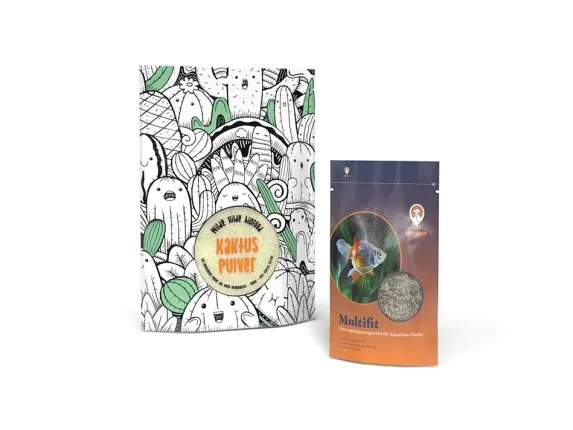
Our stand-up pouches and laminate tubes are particularly well-suited for QR code applications, offering ample space and durable surfaces for long-lasting code functionality. These packaging formats combine excellent product protection with outstanding branding opportunities, making them ideal vehicles for QR-enhanced customer engagement strategies.
Space Optimisation and Cost Efficiency
QR codes help maximise limited label space:
- Reduced Physical Content: Move lengthy regulatory information, instructions, or promotional content online. This is especially valuable for small products with extensive regulatory requirements or multilingual needs.
- Streamlined Design: Create cleaner, more visually appealing labels by minimising text. This allows for greater emphasis on brand elements and visual appeal that drives purchase decisions at the point of sale.
- Multilingual Support: Eliminate the need for multiple language versions of packaging. This consolidation reduces inventory complexity and production costs whilst serving diverse markets efficiently.
- Update Flexibility: Change linked content without reprinting physical packaging. This adaptability is particularly valuable for time-sensitive promotions or when product information needs updating due to regulatory changes.
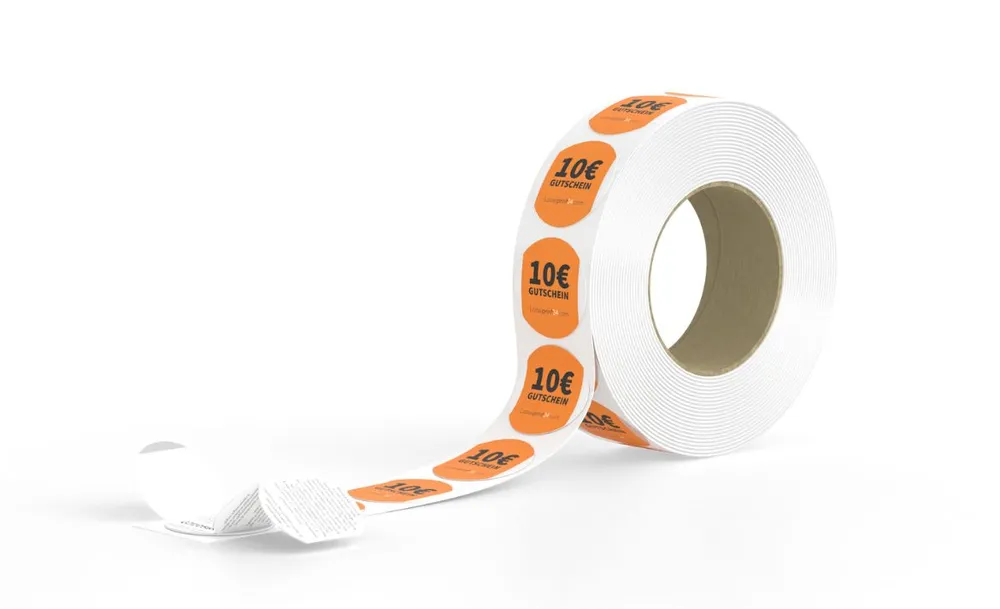
For products requiring extensive information, our booklet labels combined with QR codes provide the perfect solution—offering both physical and digital information access in a space-efficient format. These innovative labels expand to reveal multiple pages of content whilst maintaining a compact footprint on the product, creating an ideal balance between physical and digital information delivery.
Data Collection and Analytics
QR codes enable valuable data gathering:
- Scan Metrics: Track when and where customers interact with your products. This temporal and geographic data provides insights into consumer behaviour patterns and product usage contexts that would otherwise remain invisible.
- User Journey Analysis: Understand how customers move from physical product to digital content. These pathway insights help optimise the customer experience and identify potential friction points in the engagement process.
- Demographic Insights: Gather information about your customer base. With appropriate permissions, QR interactions can provide valuable demographic data to refine target audience definitions and marketing strategies.
- Campaign Performance Measurement: Evaluate the effectiveness of different marketing initiatives. A/B testing different QR destinations or calls-to-action provides concrete data for marketing optimisation.
This data helps refine marketing strategies, improve product development, and enhance overall customer experience. At Labelprint24, we can help you implement QR code solutions that integrate with your analytics platforms for seamless data collection. Our expertise ensures that you not only deploy effective QR codes but also establish the measurement infrastructure needed to derive actionable insights from consumer interactions.
Content Strategies for QR Code Destinations
The effectiveness of QR codes depends largely on the quality and relevance of the content they link to. Strategic content planning ensures users find value when scanning your codes, encouraging repeat engagement and positive brand perception. A thoughtful content strategy transforms QR codes from mere technical novelties into powerful tools for building lasting customer relationships and driving business objectives.
Mobile Optimisation
Since QR codes are primarily scanned with mobile devices, destination pages must be optimised accordingly:
- Responsive Design: Ensure content displays properly across all screen sizes. This means testing on various devices to confirm that text is readable, images are appropriately sized, and interactive elements function correctly without zooming or horizontal scrolling.
- Fast Loading: Optimise page speed for mobile networks. Users expect near-instant access to content after scanning; delays of even a few seconds can lead to abandonment and negative brand perception.
- Simplified Navigation: Create intuitive interfaces that work well on touchscreens. Consider larger touch targets, clear hierarchies, and minimal menu complexity to accommodate the constraints of mobile interaction.
- Minimal Form Fields: If collecting information, keep forms short and mobile-friendly. Each additional field reduces completion rates substantially, so request only essential information and use mobile-optimised input methods.
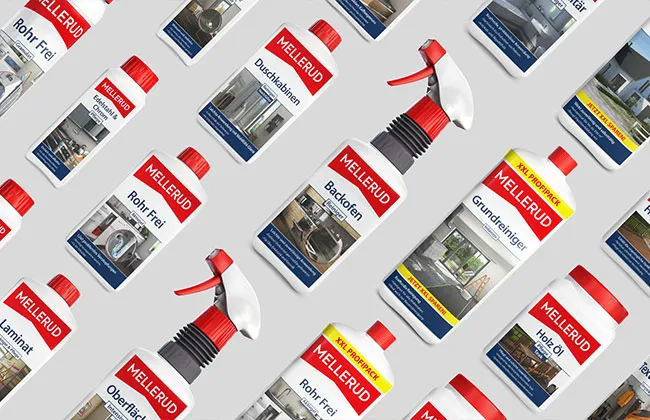
Our case studies with clients like Mellerud and mymuesli demonstrate how effective mobile optimisation enhances QR code campaign success rates. These implementations prioritised user experience, resulting in higher engagement metrics and conversion rates compared to non-optimised approaches.
Value-Added Content Types
Different content types serve different marketing objectives:
- Product Authentication: Verification systems that confirm product legitimacy. This is particularly valuable for luxury goods, pharmaceuticals, and other products vulnerable to counterfeiting, building consumer trust whilst protecting brand integrity.
- Instructional Videos: Visual guides for product assembly or usage. These can reduce customer service enquiries whilst improving user satisfaction through clear, visual instruction that static manuals cannot provide.
- Complementary Products: Suggestions for accessories or related items. This cross-selling approach increases average order value whilst providing genuine utility by helping customers discover relevant products they might need.
- Usage Suggestions: Creative ways to use the product. This content extends product utility and lifetime value whilst encouraging repeat purchases through expanded application possibilities.
- Recipe Ideas: For food products, providing recipe suggestions and preparation methods. This value-added content enhances product utility and encourages creative usage that can lead to increased consumption and customer satisfaction.

Our doypack packaging solutions are particularly popular for food products that benefit from QR codes linking to recipes, nutritional information, or sourcing details. These flexible packaging options combine excellent product protection with outstanding printability, creating an ideal canvas for QR code implementation in food and beverage applications.
Dynamic vs. Static QR Codes
Understanding the difference between dynamic and static QR codes is crucial for planning your strategy:
- Static QR Codes: Contain fixed information that cannot be changed after printing. Once generated and printed, the encoded data remains permanent, making these codes suitable for stable, unchanging information like fixed URLs or contact details.
- Dynamic QR Codes: Link to a redirect URL that can be updated without changing the printed code. These codes point to an intermediary service that redirects to the current destination, allowing content flexibility without reprinting physical materials.
Dynamic QR codes offer significant advantages for long-term packaging:
- Content can be updated or corrected without reprinting labels, reducing waste and ensuring information currency
- Campaigns can be modified based on seasons or promotions, allowing packaging to remain relevant throughout product lifecycle
- Analytics can be implemented to track scan rates and user behaviour, providing valuable marketing insights
- Expired promotions can be replaced with current offers, preventing customer disappointment from outdated information
At Labelprint24, we can advise on the most appropriate QR code strategy for your specific product lifecycle and marketing objectives. Our consultative approach considers factors like product shelf life, information volatility, and marketing flexibility needs to recommend the optimal QR code implementation for your unique requirements.
Industry-Specific Applications
QR codes on labels serve different purposes across various industries. Understanding industry-specific applications helps in developing targeted strategies that maximise the technology's potential. Each sector has unique requirements, regulatory considerations, and customer expectations that influence optimal QR code implementation approaches.
Food and Beverage Industry
In food and beverage packaging, QR codes serve multiple crucial functions:
- Ingredient Transparency: Detailed lists beyond what fits on physical packaging. This transparency is particularly important for consumers with specific dietary preferences or restrictions who need comprehensive ingredient information to make informed choices.
- Nutritional Information: Comprehensive nutritional data and dietary guidance. Beyond standard nutritional panels, QR codes can link to detailed information about micronutrients, portion suggestions, and dietary context that helps consumers make healthier choices.
- Allergen Alerts: Critical information for consumers with allergies. QR codes can provide detailed cross-contamination information and manufacturing practices relevant to allergy sufferers, potentially preventing dangerous reactions.
- Sourcing Details: Information about product origins and supply chain. For quality-minded consumers, transparency about ingredient sourcing, farming practices, and quality certifications creates trust and differentiates brands in competitive markets.
- Preparation Instructions: Recipe ideas, cooking methods, and serving suggestions. These value-added content types extend product utility and encourage repeat purchases by demonstrating versatility and creative applications.
Our stand-up pouches with windows are particularly popular in the food industry, combining visual product display with QR codes that link to detailed product information. These packaging solutions maintain product freshness whilst providing ample surface area for branding and QR code placement.
Retail and Consumer Goods
For retail products, QR codes enhance the shopping experience:
- Product Authentication: Verification systems to combat counterfeiting. This is particularly valuable for luxury goods, electronics, and other high-value items where authenticity concerns might otherwise inhibit purchase decisions.
- Extended Warranties: Easy registration for product warranties. QR codes streamline the often-neglected warranty registration process, increasing participation rates and building valuable customer databases.
- Assembly Instructions: Video guides for complex products. Visual instruction through video can significantly reduce customer frustration and support calls whilst improving overall satisfaction with products requiring assembly.
- Reordering Simplification: Direct links to repurchase consumable products. This convenience feature removes friction from the repurchase process, increasing customer retention and lifetime value for consumable goods.
- Customer Reviews: Access to user experiences and ratings. Social proof is a powerful purchase influencer; QR codes can connect in-store shoppers with online reviews, bridging the information gap between digital and physical retail environments.
Our corrugated cardboard boxes and FEFCO-standard packaging provide ideal surfaces for QR codes in retail applications, with ample space and durability for long-term functionality. These packaging solutions combine excellent product protection with outstanding printability, creating an ideal canvas for brand messaging and interactive QR code elements.
Healthcare and Pharmaceuticals
In healthcare, QR codes serve critical information functions:
- Medication Instructions: Detailed dosage and administration guidance. QR codes can link to comprehensive information including videos demonstrating proper administration techniques for complex medications like inhalers or injections.
- Side Effect Information: Comprehensive listings of potential side effects. Beyond the limited information that fits on package inserts, QR codes can provide detailed explanations, prevalence statistics, and guidance on when to seek medical attention.
- Authentication Verification: Anti-counterfeiting measures for pharmaceuticals. In an industry where counterfeit products can have life-threatening consequences, secure QR verification provides crucial protection for both manufacturers and patients.
- Patient Resources: Support group information and educational materials. QR codes can connect patients with condition-specific resources, support communities, and educational content that enhances treatment adherence and outcomes.
- Refill Processes: Simplified prescription refill procedures. By streamlining the refill process, QR codes can improve medication adherence, a critical factor in treatment effectiveness for chronic conditions.
The booklet labels we produce are particularly valuable for pharmaceutical applications, combining regulatory information with QR codes that link to expanded patient resources. These specialised labels provide ample space for required information whilst maintaining compliance with strict pharmaceutical labelling regulations.
Security Considerations and Anti-Counterfeiting
As QR codes become more prevalent on product packaging, security considerations become increasingly important. Implementing proper security measures protects both your brand and your customers. Counterfeit products not only cause financial losses for manufacturers but can also pose serious safety risks to consumers, particularly in industries like pharmaceuticals, cosmetics, and food products.
Counterfeit Protection Strategies
QR codes can be leveraged as part of anti-counterfeiting measures:
- Unique Identifiers: Individual codes for each product unit. These serialised QR codes allow for individual product tracking and authentication, making mass counterfeiting significantly more difficult and enabling verification of specific items in the supply chain.
- Verification Systems: Online databases that confirm product authenticity. When consumers scan the code, the system checks the product's identifier against a secure database of legitimate products, instantly confirming authenticity or flagging potential counterfeits.
- Tamper-Evident Features: Integration with security labels that show if packaging has been compromised. When QR codes are printed on tamper-evident materials, any attempt to remove and reapply the code becomes immediately visible, deterring package tampering.
- Blockchain Verification: Immutable records of product origins and movement. Blockchain technology provides a secure, transparent record of a product's journey through the supply chain, making it virtually impossible for counterfeiters to introduce fake products undetected.
Our security labels can be combined with QR code technology to create multi-layered protection against counterfeiting. These specialised labels include features like void effects that reveal tampering attempts, making them ideal for high-value products. The combination of physical security features with digital authentication creates a robust defence against sophisticated counterfeiting operations.
Consumer Protection Measures
Educating consumers about QR code safety is essential:
- Visual Indicators: Design cues that help consumers identify official QR codes. Consistent branding elements, positioning, and design treatments help customers distinguish legitimate codes from potentially malicious imitations.
- Landing Page Consistency: Branded destinations that match company identity. When consumers scan a QR code, the destination should immediately reflect the brand's visual identity, providing reassurance that they've reached a legitimate site.
- Scanning App Recommendations: Guidance on using apps with security features. Some scanning applications offer additional security protections like preview URLs before visiting and malicious site detection.
- Clear Instructions: Explanations of what information the QR code provides. Setting clear expectations about what consumers will access helps them identify suspicious redirects or unexpected content that might indicate security issues.
At Labelprint24, we can help you develop a comprehensive security strategy that integrates QR codes with other security features like holographic elements, specialised adhesives, and tamper-evident materials. Our expertise in security printing helps protect your brand integrity whilst providing consumers with confidence in product authenticity.
Secure QR Code Generation
The technical aspects of QR code security include:
- Error Correction Levels: Appropriate settings that balance readability with security. Higher error correction levels make codes more robust against damage but also more resistant to modification, enhancing security.
- Code Encryption: Additional security layers for sensitive information. For applications involving confidential data, encrypted QR codes ensure that information remains protected even if intercepted.
- Dynamic Code Management: Systems for monitoring and controlling linked content. Administrative dashboards allow for real-time monitoring of scan activity, potentially identifying unusual patterns that might indicate counterfeiting attempts.
- Access Controls: Restrictions on who can modify destination content. Proper authentication and authorisation systems ensure that only authorised personnel can update the digital content linked to QR codes.
We provide consultation on secure QR code implementation, helping you choose the right combination of features for your specific security requirements and budget constraints. Our holistic approach considers both physical security elements and digital protections to create comprehensive anti-counterfeiting solutions.
Measuring QR Code Effectiveness
To maximise return on investment, it's essential to measure the effectiveness of QR codes on your product labels. Proper analytics provide insights for optimisation and future campaign planning. Without measurement, it's impossible to determine whether QR code implementations are meeting business objectives or how they might be improved to deliver greater value.
Key Performance Indicators
Several metrics help evaluate QR code performance:
- Scan Rate: The percentage of products whose QR codes are scanned. This fundamental metric indicates consumer interest and the effectiveness of your call-to-action. Low scan rates might indicate poor placement, insufficient incentive, or lack of clear instructions.
- Unique Users: The number of individual customers engaging with your codes. This metric helps distinguish between repeated scans by the same users and broader adoption across your customer base, providing insights into overall reach.
- Conversion Rate: The percentage of scans that lead to desired actions. Whether the goal is purchasing, signing up for newsletters, or watching product videos, conversion tracking measures how effectively QR content drives specific behaviours.
- Engagement Duration: How long users interact with the linked content. Longer engagement typically indicates more valuable or interesting content, whilst brief interactions might suggest content that doesn't meet user expectations or provide sufficient value.
- Geographic Distribution: Where scans are occurring geographically. This information helps identify regional trends, potential cultural differences in QR adoption, and opportunities for location-specific content optimisation.
These metrics provide valuable insights into customer behaviour and campaign effectiveness. Our team can help you set up tracking systems that capture this data without compromising user privacy. We emphasise ethical data collection practices that respect consumer privacy whilst providing actionable business intelligence.
A/B Testing Strategies
Optimise QR code performance through controlled testing:
- Code Placement: Compare scan rates for different positions on packaging. Testing various locations helps identify optimal positioning that maximises visibility and convenience whilst maintaining aesthetic appeal.
- Call-to-Action Variations: Test different instructions around the QR code. The specific language and design of scanning prompts significantly impact consumer engagement; testing helps identify the most effective approaches.
- Design Elements: Evaluate how visual treatments affect scan rates. Factors like code size, surrounding design elements, and even the colour of the code itself can influence scanning behaviour.
- Content Types: Compare engagement with different destination content. Testing various content formats and value propositions helps identify what resonates most strongly with your specific audience.
Our transparent labels are particularly well-suited for A/B testing, as they can be applied over existing packaging to test different QR code strategies without complete packaging redesigns. This approach allows for cost-effective experimentation before committing to major packaging changes, reducing risk whilst maximising learning opportunities.
ROI Calculation
Determine the business value of your QR code implementation:
- Cost Savings: Reduced packaging materials or printing costs. Moving extensive information online can reduce packaging size and complexity, creating measurable material and production savings.
- Increased Conversions: Additional sales generated through QR engagement. Tracking the purchase behaviour of consumers who interact with QR codes compared to those who don't provides concrete revenue impact data.
- Customer Acquisition: New customers gained through QR code interactions. QR codes can facilitate referrals, social sharing, and other acquisition channels that bring new customers into your ecosystem.
- Enhanced Loyalty: Repeat purchases attributed to QR code engagement.
Conclusion
QR codes on product labels represent a transformative technology that bridges the gap between physical packaging and digital engagement. When implemented thoughtfully, they enhance customer experiences, streamline information delivery, and provide valuable data insights whilst maintaining cost efficiency. The technology's versatility makes it suitable across diverse industries, from food and beverage to healthcare and retail, each with unique applications and benefits.
The success of QR code implementation depends heavily on strategic planning, from initial design considerations through to content strategy and performance measurement. Proper sizing, placement, and contrast ensure technical functionality, whilst compelling content and mobile optimisation drive meaningful engagement. Security considerations, particularly anti-counterfeiting measures, add another layer of value that protects both brands and consumers.
As consumer behaviour continues to evolve towards digital-first interactions, QR codes provide an accessible entry point that requires no special apps or technical knowledge. The widespread adoption of smartphone scanning capabilities has eliminated the primary barrier to QR code usage, making this an opportune time for businesses to integrate this technology into their packaging strategies.
At Labelprint24, we understand that successful QR code implementation requires more than just printing codes on labels. Our comprehensive approach encompasses material selection, printing quality, testing protocols, and ongoing support to ensure your QR code initiatives deliver measurable results. Whether you're looking to enhance customer engagement, improve information accessibility, or strengthen brand protection, QR codes offer a flexible, cost-effective solution that grows with your business needs.
The future of product packaging lies in creating seamless connections between physical and digital experiences. QR codes represent a proven, accessible technology that enables this connection today whilst providing a foundation for more advanced interactive packaging solutions tomorrow. By implementing QR codes strategically and measuring their impact systematically, businesses can create more engaging customer experiences whilst gathering valuable insights that inform future innovation.