



 BY Christoph Zumdick IN Industry knowledge
Leveraging Labels for Marketing Campaigns: The Ultimate Guide
Introduction: The Power of Labels in Marketing Strategy
In today's competitive marketplace, effective marketing requires using every available touchpoint with consumers. Product labels represent one of the most direct ways to communicate with your audience. At Labelprint24, we know that labels are more than simple product identifiers—they're marketing tools that can significantly influence consumer perception and purchase decisions.
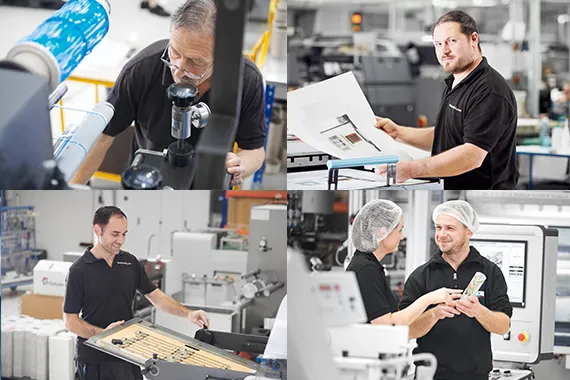
Labels work as silent salespeople, sharing important information about your product whilst building brand identity and creating emotional connections with consumers. When well-designed, labels can boost the effectiveness of your marketing campaigns. They often provide the final chance to influence a purchase when consumers are looking at products on store shelves or checking their online purchases after delivery.
This guide explores how businesses can use labels as key parts of their marketing campaigns. From understanding different label types and materials to using advanced technologies and design strategies, we'll give you practical tips to maximise your product labels' marketing potential. We'll look at how labels can be designed to grab attention, communicate value, and create memorable brand experiences that drive consumer engagement and loyalty.
As a leading label manufacturer, we've helped many brands transform their packaging from basic to impactful. Let's explore how you can use the full marketing power of labels for your products and create meaningful consumer connections that lead to business results.
Understanding the Marketing Value of Different Label Types
Different label types offer unique marketing advantages depending on your product, industry, and campaign goals. Understanding these differences helps you pick the best label solution for your specific marketing needs.
Booklet Labels: Expanding Your Marketing Real Estate
Booklet labels provide extra content space, making them perfect for products that need detailed information or multilingual content. From a marketing view, these labels offer several benefits:
First, they create storytelling opportunities. The extra space lets you share your brand story, product origins, or company values in more detail. This storytelling approach builds emotional connections with consumers and makes your products stand out through authentic stories that connect with your audience. Second, they allow cross-promotion, where you can advertise related products or upcoming releases within the booklet, making the most of each customer touchpoint to introduce your other products. Third, they boost customer engagement through QR codes linking to interactive content, contests, or social media campaigns that extend the consumer experience beyond the physical product. Finally, they provide room for educational content such as usage tips, recipes, or tutorials that improve the customer experience and show your expertise in your product category.
Our booklet labels use modern production techniques with options for film, laminate, or lacquer finishing to ensure durability whilst maintaining visual appeal. With fast production times and free delivery, these labels offer an efficient way to expand your marketing communication without sacrificing quality. The multi-page format helps you meet regulations whilst still having plenty of space for compelling marketing content that drives consumer engagement and brand loyalty.
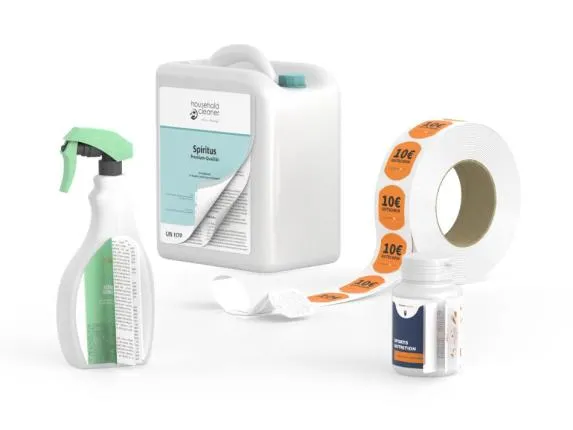
Food Labels: Appetising Marketing for Culinary Products
Food labels must balance regulatory requirements with marketing appeal. As an HACCP-audited supplier, we make sure your food labels meet all compliance standards whilst maximising marketing impact:

Food labels create appetite appeal through high-quality printing that shows food photography with vivid, appetising colours that stimulate desire and create positive associations with your products. The visual presentation of food products through label imagery can greatly influence purchase decisions by triggering sensory responses even before consumers taste the product. They help with brand differentiation by using custom shapes and premium materials to help products stand out on crowded shelves where consumers often make quick decisions based on visual appeal. These labels build trust through clear ingredient lists and nutritional information, which builds consumer confidence in an era where transparency is increasingly valued. Additionally, they can highlight special dietary messages like "organic," "gluten-free," or "locally sourced" to target specific consumer groups with particular dietary preferences or restrictions.
Our food labels use low-migration colours, varnishes, foils, and papers to ensure safety whilst delivering exceptional visual impact. From standard labels to specialised freezer-safe options, we provide solutions for every food product category. Our expertise in food-safe materials ensures that your labels maintain their integrity and appearance throughout the product lifecycle, even in challenging environments like refrigeration, freezing, or exposure to oils and moisture that are common with food products.
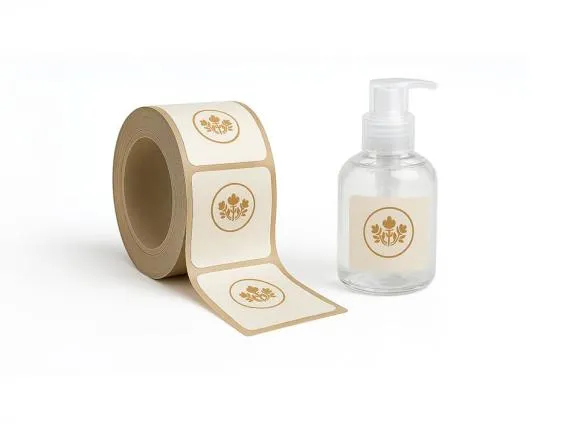
Cosmetic Labels: Creating Beauty Brand Identity
Cosmetic labels play a key role in conveying luxury, quality, and effectiveness—important factors in beauty product marketing. Our cosmetic label solutions offer:
Premium finishes like metallic foils, embossing, and special varnishes create tactile experiences that communicate luxury and justify premium pricing strategies in the competitive beauty market. The sensory experience of touching a beautifully finished label creates a psychological association with quality that influences consumer perception of the product inside. These labels feature moisture resistance that maintains integrity despite exposure to oils, creams, and moisture, ensuring your brand presentation remains perfect throughout the product's use. We offer shape versatility including round, oval, and personalised shapes to complement product packaging and create distinctive shelf presence that captures attention in crowded retail environments. Our production process ensures brand consistency through precise colour matching and quality control to maintain brand identity across product lines, which is particularly important for cosmetic brands with large product portfolios.
With production times as quick as 48 hours and 100% customisable sizing, our cosmetic labels provide the flexibility and quality needed for effective beauty product marketing campaigns. We understand the unique challenges of the beauty industry, where packaging often plays a major role in consumer decision-making, and our label solutions are designed to help your products create compelling first impressions that drive trial and repeat purchases.
Special Labels: Solving Unique Marketing Challenges
For products with specific requirements or marketing objectives, specialised label solutions can provide competitive advantages:
Safety Labels: Made from resistant PET material with extremely strong adhesive, these labels offer 100% manipulation protection—ideal for products where security and authenticity are marketing features. In industries where counterfeiting is a concern, these labels provide visible evidence of tampering that protects both consumers and brand reputation. The enhanced security features can be marketed as a value-added benefit that shows your commitment to product integrity and consumer safety.
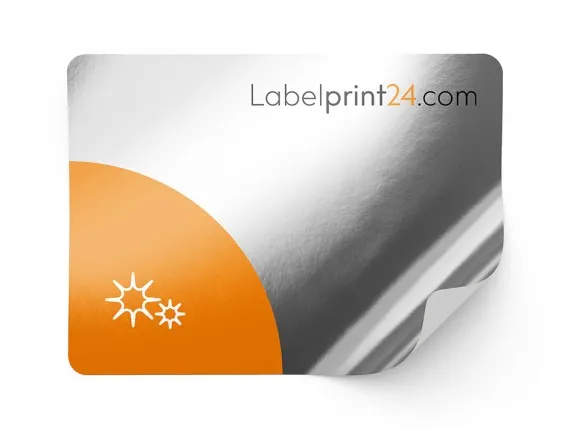
Metallised Labels: Perfect for creating premium product positioning, these labels use metallic finishes to catch the eye and communicate luxury. They're particularly effective for decorative labels and high-end product marketing where shelf appeal and perceived value are critical to success. The reflective properties of these labels naturally draw consumer attention in retail environments, creating opportunities for brands to stand out even in crowded product categories with intense competition.
Special Surface Labels: For extreme conditions, our special labels offer exceptional durability and adhesion to various surfaces, including very smooth or extremely cold environments—ideal for products that need to maintain brand presence in challenging conditions. These technically advanced labels ensure that your marketing message remains intact and readable throughout the product lifecycle, even in industrial applications or outdoor exposure where standard labels might deteriorate.
Integrating Advanced Technologies in Label Marketing
Modern label technology goes beyond traditional printed materials, offering interactive and data-driven marketing opportunities that can transform static packaging into dynamic consumer touchpoints.
QR Codes: Creating Interactive Marketing Experiences
QR codes on labels create smooth bridges between physical products and digital marketing campaigns. Here's how to use them effectively:
QR codes can be used for product authentication, directing consumers to verification pages that confirm product authenticity, building trust and brand loyalty in industries where counterfeiting is a concern. This verification process not only protects consumers but also creates an opportunity to capture customer data and start direct relationships. They also provide extended content by linking to detailed product information, usage tutorials, or customer reviews that wouldn't fit on physical packaging, effectively expanding your label's information capacity without cluttering the design. Many brands use QR codes for promotional campaigns, connecting consumers to limited-time offers, contests, or loyalty programmes that drive engagement and repeat purchases. The interactive nature of these promotions creates memorable brand experiences that standard packaging cannot achieve. Additionally, they enable social media integration by encouraging user-generated content through links to branded hashtags or social sharing opportunities, turning customers into brand advocates who amplify your marketing message.
Our digital printing technology ensures crisp, scannable QR codes that maintain functionality whilst integrating seamlessly with your label design. We can help you implement dynamic QR codes that allow you to update destination content without changing the physical label—perfect for long-term marketing flexibility. This adaptability means your physical products can connect to current campaigns, seasonal promotions, or updated content without requiring new label production, maximising your marketing agility whilst minimising costs.
RFID and NFC Integration: Next-Level Marketing Intelligence
Radio-frequency identification (RFID) and near-field communication (NFC) technologies transform labels into powerful data collection tools and interactive marketing channels:
These technologies enhance customer engagement by allowing consumers to tap their smartphones for instant access to product information, promotional content, or exclusive experiences. This easy interaction removes barriers to engagement and creates intuitive digital touchpoints that feel natural to tech-savvy consumers. They provide supply chain visibility by tracking products from production to point-of-sale, gathering valuable marketing intelligence about distribution patterns, inventory levels, and product movement. This data helps optimise marketing resource allocation and identify opportunities for targeted regional promotions or distribution expansion. RFID labels improve inventory management by optimising product availability and reducing stockouts that could impact campaign effectiveness, ensuring that marketing investments aren't wasted on products that consumers can't find on shelves. Perhaps most impressively, they enable personalised marketing by delivering customised content based on consumer location, purchase history, or product interaction, creating relevant experiences that match individual preferences and behaviours.
Whilst implementing these technologies requires initial investment, the marketing insights and consumer engagement opportunities they provide can deliver significant ROI for brands seeking to differentiate themselves in competitive markets. The rich data generated through these smart label technologies enables more precise marketing measurement, personalised consumer experiences, and operational efficiencies that together enhance marketing effectiveness whilst potentially reducing overall marketing costs through better targeting and resource allocation.

Strategic Label Design for Maximum Marketing Impact
The visual and tactile elements of your labels directly influence consumer perception and purchase decisions. Strategic design considerations can significantly enhance your label's marketing effectiveness.
Colour Psychology and Brand Consistency
Colour choices significantly impact consumer perception and emotional response to your products:
Brand recognition is enhanced through consistent use of brand colours across all labels, which builds recognition and reinforces brand identity. Research shows that consistent colour usage can increase brand recognition by up to 80%, making it one of the most powerful tools for creating instant brand identification. It's important to consider category conventions—green often signifies natural products, whilst black frequently denotes premium offerings. Understanding these unwritten colour codes helps you either align with category expectations or strategically break them to stand out. Different colours evoke different emotional responses; red creates urgency, blue builds trust, and yellow conveys optimism. These psychological responses occur subconsciously and can significantly influence how consumers perceive your product's attributes even before reading any text. Contrast and visibility are also crucial design elements, ensuring key marketing messages stand out through strategic use of contrasting colours that guide the consumer's eye to the most important information first.
Our high-quality printing capabilities ensure colour accuracy and consistency across all your product labels, maintaining brand integrity throughout your marketing campaigns. We use advanced colour management systems and strict quality control processes to ensure that your brand colours appear exactly as intended across different materials and production runs, creating a cohesive visual identity that strengthens brand recognition and consumer trust.
Typography and Readability
The fonts you choose and how you arrange text on your labels directly impact their marketing effectiveness:
Typography communicates brand personality—serif fonts often convey tradition and reliability, whilst sans-serif fonts suggest modernity and simplicity. The subtle messages conveyed through font selection contribute significantly to overall brand perception and should align with your broader brand positioning strategy. Information hierarchy is created through strategic use of font sizes, weights, and styles that guide consumers to key marketing messages first. Effective typography design ensures that consumers immediately notice your most compelling selling points rather than getting lost in less important details. Readability at distance is an important consideration—can key selling points be read from several feet away? This is particularly crucial in retail environments where consumers may first notice your product from across an aisle. Demographic considerations should also influence your typography choices, as font styles should align with target audience expectations and preferences. For example, products targeting older consumers may benefit from larger, clearer fonts, whilst those aimed at younger demographics might use more creative, distinctive typography.
At Labelprint24, our design expertise helps ensure your typography enhances rather than hinders your marketing message, with clear readability across all required information. We understand the delicate balance between creative expression and functional communication, helping you create labels that are both visually distinctive and practically effective at conveying your marketing messages.
Material Selection for Marketing Positioning
Label materials communicate quality and brand positioning before consumers even read your marketing messages:
Premium positioning can be achieved through materials like metallic films, textured papers, or speciality coatings that signal premium quality and justify higher price points. The tactile and visual properties of these materials create immediate quality associations that influence perceived value and price expectations. Product compatibility must be considered when selecting materials—for example, oil-resistant materials for cosmetics or moisture-resistant options for refrigerated products. The functional performance of your label materials directly impacts the consumer experience; labels that deteriorate quickly or fail to stick properly create negative brand impressions regardless of design quality. Tactile marketing creates memorable experiences through textured materials that differentiate products at the point of purchase. Research indicates that touch significantly influences purchase decisions, with textured materials creating stronger emotional connections than smooth surfaces.
Our extensive range of materials includes options for every marketing positioning strategy, from premium metallised labels to specialised films for challenging environments. We can help you select materials that not only meet your functional requirements but also support your desired brand positioning and marketing objectives, creating cohesive product experiences that reinforce your value proposition at every consumer touchpoint.
Packaging Solutions that Enhance Label Marketing
Labels work together with your overall packaging strategy to create cohesive marketing experiences. Integrating labels with complementary packaging enhances their marketing impact.
Stand-Up Pouches: Maximising Label Visibility
Stand-up pouches (doypacks) offer excellent label visibility and marketing advantages:
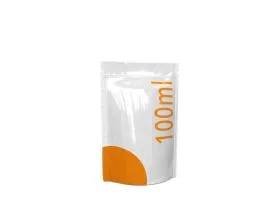
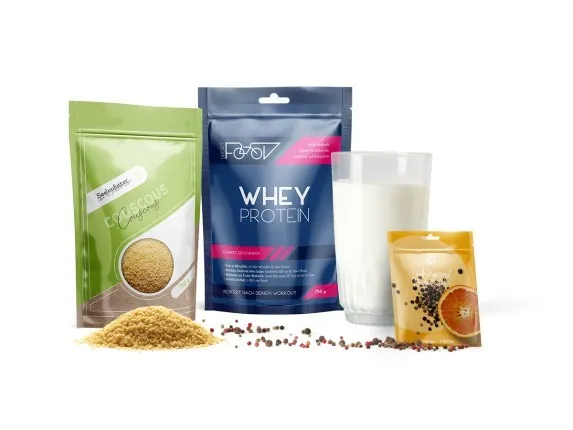
The shelf presence of stand-up pouches ensures maximum label visibility on retail shelves due to their upright positioning. Unlike traditional packaging that may only display the top or front panel when stacked, stand-up pouches present their entire front surface to consumers, maximising the impact of your label design and marketing messages. They create premium perception through features like windows, zippers, and tear tabs that add value perception and support premium positioning. These functional enhancements create tangible benefits that consumers can immediately recognise and appreciate, justifying premium pricing strategies. These pouches provide extended label area with flat surfaces that offer ample space for marketing messages and brand elements. The increased design canvas allows for more comprehensive storytelling and visual impact compared to containers with curved surfaces that can distort graphics. Their functional marketing features like resealability become marketing advantages that can be highlighted on labels, creating additional selling points that differentiate your products from competitors using conventional packaging.
Our stand-up pouches are food-safe, odourless, and tasteless whilst offering excellent oxygen and carbon dioxide barriers to protect product integrity. They can be printed over the entire surface and customised to align perfectly with your label design and marketing strategy. Available in various sizes and with options like transparent windows or matte finishes, they provide versatile packaging solutions that enhance your product's shelf appeal whilst maximising label visibility and marketing effectiveness.
Folding Boxes: Creating Marketing Experiences
Folding boxes and cartons offer expanded marketing surfaces that complement label strategies:
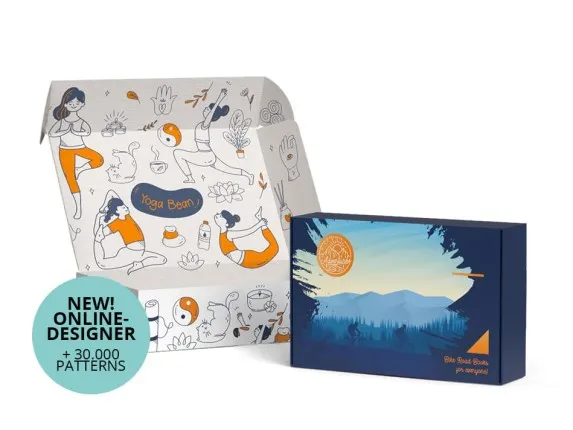
Carton Sheets: These versatile packaging components can be customised with various materials (GC2, GC1, GD2) and are 100% size-customisable to create unique packaging experiences. The structural flexibility of carton sheets allows for creative packaging solutions that can incorporate windows, special closures, or unique shapes that enhance product presentation and create distinctive brand experiences. Their flat surfaces provide excellent printing substrates for high-quality graphics that work together with your label design to create cohesive brand presentations.
Double Locked Wall Lid Boxes: These stable, high-quality boxes provide optimum product protection whilst offering premium presentation opportunities. Their structure creates multiple surfaces for marketing messages that work together with product labels. The unboxing experience becomes part of your marketing strategy, with opportunities to surprise and delight consumers through interior printing, special finishes, or structural elements that create memorable brand interactions beyond what labels alone can provide.
By coordinating your label design with complementary packaging, you create cohesive brand experiences that reinforce your marketing messages at every consumer touchpoint. This integrated approach ensures that your packaging system works holistically to communicate your brand values, product benefits, and marketing messages consistently and effectively, maximising the impact of your marketing investment across all packaging components.
Implementing Labels in Multi-Channel Marketing Campaigns
To maximise ROI, product labels should be integrated into broader marketing strategies that span multiple channels and touchpoints.
Coordinating Label Design with Digital Marketing
For maximum impact, ensure visual consistency between your product labels and digital marketing channels:
Visual recognition is strengthened by maintaining consistent colours, typography, and imagery across labels and digital platforms to build recognition. This consistency creates a seamless brand experience regardless of where consumers encounter your brand, reinforcing key visual elements that trigger instant brand recognition. When consumers see consistent visual cues across packaging, social media, websites, and advertising, it creates a multiplier effect that strengthens overall brand impact and recall. Consider incorporating campaign-specific elements such as hashtags or temporary promotional messaging on labels during specific marketing initiatives. These tactical elements create connections between physical products and digital campaigns, driving consumers from packaging to online engagement. Social media integration can be enhanced by designing labels that are "Instagram-worthy" to encourage user-generated content. Visually distinctive or uniquely designed labels are more likely to be shared on social platforms, creating organic marketing opportunities through consumer advocacy. Cross-channel calls to action on your labels can direct consumers to digital marketing channels with clear instructions. Specific, benefit-oriented CTAs like "Join our community for exclusive recipes" or "Share your experience with #YourBrand for a chance to win" create stronger motivation than generic messages like "Follow us online."
By treating labels as an extension of your digital marketing efforts rather than a separate element, you create seamless brand experiences that reinforce your marketing messages regardless of where consumers encounter your brand. This integrated approach maximises the effectiveness of both your packaging and digital investments by creating synergies that enhance overall campaign performance and consumer engagement across multiple touchpoints.
Labels as Data Collection Points
Strategic label design can facilitate valuable data collection for marketing optimisation:
Unique codes incorporated on labels can be entered online for promotions, generating valuable first-party data. These codes create incentives for consumers to identify themselves and provide contact information, enabling direct marketing relationships that bypass increasingly restrictive digital advertising platforms. The redemption patterns of these codes also provide insights into purchase timing, geographic distribution, and consumer demographics that can inform future marketing strategies. Feedback mechanisms like QR codes linking to product-specific feedback forms help gather insights directly from consumers. This targeted feedback is often more valuable than general surveys because it comes from actual purchasers at the moment of product usage, providing authentic insights into the consumer experience. Purchase tracking through batch-specific label elements allows you to track which products sell best in which locations. This granular sales data helps optimise product distribution, regional marketing investments, and retail partner relationships based on actual performance metrics rather than assumptions. A/B testing of different label designs in specific markets helps measure impact on sales performance and refine your approach. By systematically testing design variations and measuring their impact on sales, you can continuously optimise your label marketing effectiveness based on real evidence rather than subjective preferences.
The data collected through these mechanisms can inform future marketing campaigns, product development, and label design optimisation. In an era where data-driven marketing decisions are increasingly important, labels provide unique opportunities to gather consumer insights directly tied to purchase behaviour, creating valuable intelligence that can enhance marketing effectiveness across all channels and initiatives.
Case Studies: Successful Label-Driven Marketing Campaigns
Examining real-world examples demonstrates how effective label strategies drive marketing success.
Premium Brand Positioning Through Label Design
Our collaboration with premium brands demonstrates how strategic label design elevates market positioning:
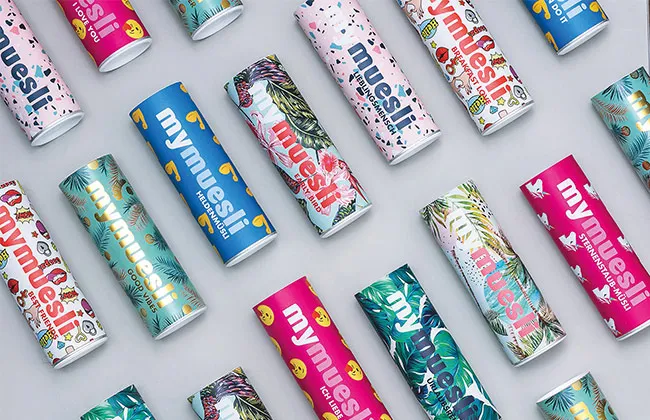
MyMuesli, a customisable muesli brand, used personalised labels to create unique customer experiences. The high-quality labels reinforced their premium positioning whilst accommodating the variability required for their customisation-focused business model. By implementing a sophisticated variable data printing solution, we enabled MyMuesli to produce thousands of unique labels that maintained consistent brand elements whilst allowing for product-specific customisation. This approach not only solved a technical challenge but created a marketing advantage by delivering truly personalised products that consumers were eager to share on social media, generating organic marketing exposure.
For Mellerud, a cleaning products manufacturer, we developed labels that maintained brand consistency whilst clearly differentiating between product lines. The labels needed to withstand exposure to cleaning chemicals whilst maintaining a premium appearance—showing how functional requirements and marketing objectives can be addressed at the same time. Our solution involved specialised materials with high chemical resistance combined with premium finishing techniques that created distinctive shelf presence. The resulting labels helped Mellerud successfully reposition their products in the premium segment of the cleaning category, supporting price points 15-20% higher than their previous positioning whilst maintaining strong consumer acceptance.
These cases illustrate how thoughtful label design supports broader brand positioning strategies and creates distinctive shelf presence in competitive markets. In both examples, the labels weren't merely decorative elements but strategic marketing tools that directly contributed to business objectives through enhanced brand perception, consumer engagement, and price positioning.
Interactive Labels Driving Consumer Engagement
Modern label technology creates opportunities for meaningful consumer interactions:
Augmented reality integration through labels with AR triggers can launch interactive experiences when scanned with smartphones. For example, wine brands have successfully implemented AR labels that bring bottle artwork to life, tell vineyard stories, or provide virtual wine pairing suggestions that enhance the consumer experience whilst collecting valuable engagement data. These interactive experiences create memorable brand moments that standard packaging cannot achieve. Limited edition campaigns with special labels for limited runs create collectibility and urgency that drives consumer interest. Brands across categories from beverages to cosmetics have successfully used limited edition label designs to create "drop" marketing moments that generate excitement, social media buzz, and accelerated purchases. Seasonal variations in label design can align with seasonal marketing initiatives whilst maintaining brand consistency. This approach creates novelty that encourages repeat purchases whilst reinforcing seasonal marketing themes across multiple consumer touchpoints. User-generated content promotion can be encouraged through labels designed to encourage social sharing and content creation. Contests that ask consumers to share photos of products in interesting settings or creative uses of products can generate authentic marketing content whilst building community around your brand.
These approaches transform labels from passive information carriers to active components of consumer engagement strategies. By thoughtfully integrating interactive elements, collectible features, or social sharing incentives into your label strategy, you create opportunities for deeper consumer connections that extend beyond the functional benefits of your products to create emotional engagement and brand loyalty.
Measuring the ROI of Label Marketing Investments
To justify investment in premium labels and innovative label technologies, marketers must establish clear metrics for measuring performance.
Key Performance Indicators for Label Marketing
Effective measurement frameworks include:
Sales lift analysis allows you to compare sales performance before and after label redesigns or special label campaigns. This direct measurement approach isolates the impact of label changes by comparing year-over-year performance during similar time periods or using test markets to create controlled experiments that quantify the specific impact of label enhancements on purchase behaviour. Consumer engagement metrics track interactions with QR codes, website visits from label-specific URLs, or social media mentions related to label campaigns. These digital touchpoints create measurable engagement data that helps quantify how effectively your labels drive consumer action beyond the initial purchase. Brand perception shifts can be measured through consumer research to track changes in brand perception following label enhancements. Surveys or focus groups that assess quality perception, price expectations, or brand attributes before and after label changes help quantify the impact on brand equity and positioning. Retail placement improvements can be monitored to track changes in shelf positioning or retail distribution following label upgrades. Enhanced label design often leads to better retail placement as store managers recognise products with stronger shelf appeal, creating a secondary benefit that extends your products' visibility and accessibility.
By establishing baseline metrics before implementing new label strategies, you can accurately measure the impact of your investments and refine approaches for future campaigns. This data-driven approach helps optimise label marketing investments over time, ensuring that resources are allocated to the most effective design elements, materials, and technologies based on demonstrated performance rather than subjective preferences or assumptions.
Cost-Benefit Analysis of Premium Label Solutions
When evaluating premium label options, consider both direct and indirect benefits:
Price premium potential is an important consideration—can enhanced labels support higher price points? Research consistently shows that packaging quality directly influences price expectations, with premium labels often enabling price increases of 10-30% depending on the product category and competitive landscape. This price premium often delivers ROI far exceeding the incremental cost of enhanced label production. Reduced marketing costs may result from effective labels that reduce the need for additional marketing support. When products create strong shelf presence through exceptional label design, they may require less promotional discounting, advertising support, or retail display investments to achieve sales targets. Inventory efficiency may improve as better labels reduce product obsolescence or returns. Products with clear, effective labels typically experience fewer consumer returns and higher inventory turnover, reducing carrying costs and write-offs that impact overall profitability. Brand equity building is a long-term benefit, as label investments contribute to overall brand value. Whilst harder to quantify immediately, the cumulative impact of consistent, high-quality brand presentation through labels builds valuable brand equity that enhances business valuation and creates competitive advantages.
At Labelprint24, we help clients analyse these factors to determine the optimal label investment for their specific marketing objectives and product categories. Our consultative approach ensures that your label strategy balances immediate marketing impact with long-term brand building whilst delivering measurable return on investment through both direct sales performance and broader marketing efficiencies.
Future Trends in Label Marketing
The label industry continues to evolve, offering new opportunities for innovative marketing approaches.
Personalisation and Variable Data Printing
Advances in digital printing technology enable unprecedented personalisation opportunities:
Micro-targeted campaigns can include labels customised for specific geographic markets or consumer segments. Rather than producing one-size-fits-all labels, brands can create variations that speak directly to different audience segments with relevant messaging, imagery, or language that resonates with specific demographic or psychographic profiles. Name personalisation allows products with individual customer names or messages printed directly on labels. This approach has proven extraordinarily successful for brands like Coca-Cola (Share a Coke) and Nutella, demonstrating the powerful appeal of seeing one's own name on a product. Sequential numbering creates limited edition products with unique numbering to create collectibility. This approach works particularly well for premium products where exclusivity enhances value perception and encourages complete set collection across multiple purchases. Dynamic content enables labels that change based on seasonal themes or promotional calendars. With digital printing, brands can quickly update label designs to align with current marketing initiatives without the setup costs and minimum order quantities associated with traditional printing methods.
These capabilities allow brands to create more relevant, personalised marketing messages directly on their product packaging. As consumers increasingly expect personalised experiences across all brand touchpoints, labels that deliver customised content or designs create meaningful differentiation in competitive markets whilst building stronger emotional connections with target audiences.
Conclusion: Maximising the Marketing Potential of Your Product Labels
Labels represent a unique marketing opportunity—they're one of the few brand touchpoints that remain with products throughout their lifecycle, from manufacturing to disposal. By strategically designing labels that align with broader marketing objectives, you can transform this necessary packaging component into a powerful marketing asset.
At Labelprint24, we understand that effective label marketing requires more than just printing—it demands strategic thinking, technical expertise, and quality execution. From material selection and design considerations to advanced technologies and integration with broader marketing campaigns, every aspect of your label strategy impacts its marketing effectiveness.
Whether you're launching a new product, refreshing an existing brand, or implementing a specific marketing campaign, our team can help you use the full potential of labels as marketing tools. With modern production capabilities, fast turnaround times, and expert consultation services, we provide the support you need to transform your labels from simple product identifiers into powerful marketing assets.
Contact our team today to discuss how we can help you use labels to enhance your next marketing campaign. With the right label strategy, you can create more impactful consumer connections, strengthen brand identity, and ultimately drive sales growth through this often underutilised marketing channel.