





 BY Christoph Zumdick IN Industry knowledge
The Importance of Label Design in Branding: A Comprehensive Guide
Label design is very important for branding. At Labelprint24, we know that a well-made label is more than just a sticker on a product - it's a powerful marketing tool that can influence how people see your brand, affect their buying decisions, and help your brand succeed in a crowded market. Let's look at how good label design can make your brand stand out, attract customers, and boost sales.
The Evolution of Label Design in Branding
Label design has changed a lot over time. Today, labels are important marketing tools that help brands communicate with customers. Adhesive labels are especially useful. They can be designed creatively to stick to products and stay in customers' minds, creating lasting impressions and making people loyal to the brand.
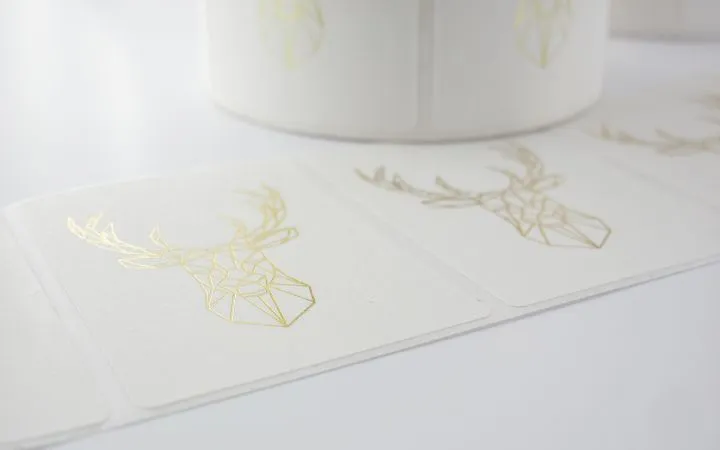
Label design has improved because of better printing technology, changing customer likes, and brands needing to stand out in busy markets. Modern labels do more than just give information. They can be engaging, interactive, and even artistic, helping to make products more appealing and tell the brand's story. This shows how important labels have become for product packaging and brand identity, influencing how people see products and decide what to buy.
Core Elements of Effective Label Design
To make a label that connects with your target audience and strengthens your brand identity, you need to think carefully about several key elements. Each part plays an important role in creating a design that not only looks good but also effectively communicates your brand's values and product benefits.
1. Color Psychology in Label Design
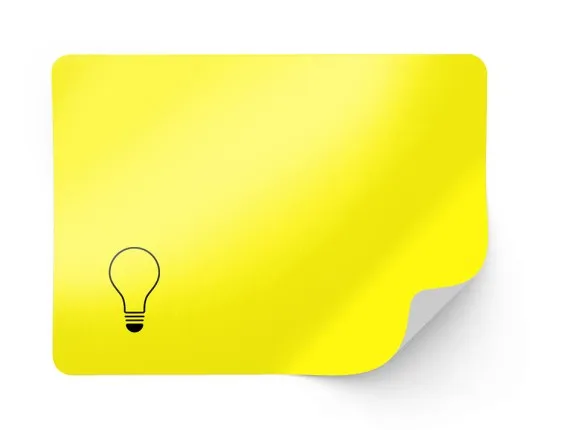
Colors are powerful tools in design. They can make people feel certain emotions and influence their buying decisions. Using color strategically in label design is more than just making things look nice; it's a way to communicate without words. For example, blue often makes people think of trust and professionalism, which is why it's often used for business or tech products. Green is usually associated with nature and health, making it great for eco-friendly or organic products. At Labelprint24, we understand how colors affect people and offer a range of luminescent colour labels that can make your products stand out, even when it's dark. These labels not only grab attention but also make your packaging more interesting, which can help people remember your brand and want to buy your products.
2. Typography and Its Impact on Brand Perception
The fonts you choose for your labels are more than just ways to show information; they strongly communicate your brand's personality and values. Typography plays a big role in setting the tone and character of your brand, affecting how people see and interact with your products. Serif fonts, which have little lines at the ends of letters, often make people think of reliability, tradition, and high quality. They work well for brands that want to show they have a long history or are premium. Sans-serif fonts, which don't have those little lines, look modern, clean, and straightforward. They're good for brands that want to seem innovative, simple, or youthful. The key to good typography in label design is making sure it matches your brand identity and is easy to read, especially for important information like ingredients, how to use the product, or required legal details. Finding the right balance between looking good and being clear is crucial for making labels that are both visually appealing and informative.
3. Material Selection for Label Design
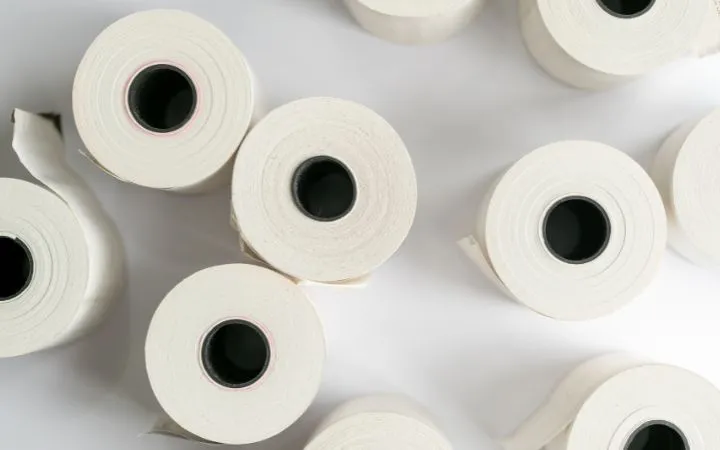
Choosing the right material for your labels can make them look better and work better, which affects how people see your product and how well it performs in different situations. Different materials have unique qualities that can complement your product and reinforce your brand message. For example, our transparent labels give a sleek, modern look that lets the product show through, making them perfect for cosmetics, fancy food items, or any product where showing what's inside helps tell the brand's story.
These transparent labels not only look good but are also very durable, making sure your brand looks great throughout the product's life. When choosing materials, think about what's in the product, how it will be stored, and how long it's supposed to last. For example, waterproof or oil-resistant materials might be needed for bath products or food items, while UV-resistant materials are important for products that will be in the sun. By carefully picking the right material, you can make sure your labels look great and work well, protecting your brand image and product quality from when it's made to when it's sold and used.
The Role of Labels in Product Differentiation
In a market full of choices, your label design can be the key thing that makes your product stand out on crowded shelves and online stores. Good label design is more than just making things look pretty; it's a strategic tool for making your product different that can really affect consumer choice and brand loyalty. Let's explore how thoughtful and innovative label design can set your brand apart from competitors:
Creating Visual Appeal
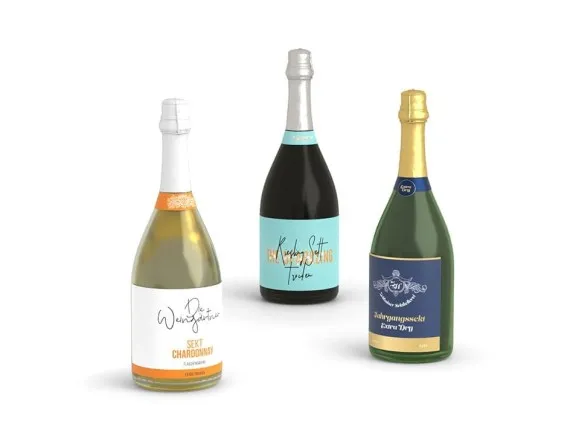
A well-designed label is the first thing customers see when they look at your product, so it's really important for catching their attention and making them interested. When people are shopping, they often make quick decisions, and an eye-catching label can be the difference between a product being noticed or ignored. For example, our sparkling wine labels are carefully designed to show the elegance and celebration of the wine inside, making bottles stand out on the shelf and encouraging people to take a closer look.
These labels not only show the quality and character of the wine but also create an emotional connection with customers, making them feel luxury, celebration, and sophistication. By adding things like shiny finishes, raised designs, or unique shapes, labels can make people want to pick up and interact with the product. This physical interaction can make people more likely to buy, as it creates a more memorable and immersive brand experience.
Communicating Brand Values
Your label is often the first and sometimes the only way your brand communicates with the consumer, making it really important for sharing your brand's core values, personality, and what makes your product special. Good label design does more than just look nice; it tells your brand's story and shows what makes your product different from competitors. For instance, if being eco-friendly is important to your brand, you can show this in your label design by using environmentally friendly materials, green color schemes, or symbols that show environmental certifications. Similarly, if your brand is proud of being handmade, your labels might include hand-drawn elements or textures that make people think of handmade quality.
Think about a high-quality organic skincare line. The labels for these products might have simple designs with lots of white space to show purity, along with pictures of plants to emphasize natural ingredients. Using recycled or biodegradable label materials could further show the brand's commitment to being eco-friendly. By carefully matching every part of your label design with your brand values, you create a consistent and authentic brand image that connects with your target audience and builds trust and loyalty over time.
Enhancing Product Information
While looking good is important, the information on the label is equally important in making your product stand out. Clear, short, and well-organized product information can be a big factor in helping consumers decide what to buy, especially for products where customers are likely to compare different options side-by-side. Our cosmetic labels show this balance between looking good and being useful, making sure all necessary information is presented in an attractive, easy-to-read way that adds to, rather than takes away from, the overall design.
For cosmetic products, this might include highlighting key ingredients, clearly stating the product's benefits, and providing usage instructions in a visually appealing way. Using icons, infographics, or color-coding can make important information stand out and be quickly understood by consumers. Also, adding things like QR codes can provide a way to get more detailed product information, tutorials, or customer reviews, adding value and engagement without cluttering the physical label. By thoughtfully designing the informational parts of your labels, you not only follow regulatory requirements but also show transparency and consideration for your customers' needs, further making your product stand out in a crowded market.
Labels as a Marketing Tool
Labels are much more than just tags with information; they are powerful marketing tools that can greatly influence how consumers behave, how they see your brand, and ultimately, what they decide to buy. In today's competitive retail world, both in stores and online, labels act like silent salespeople, working all the time to communicate your brand's value and attract consumers. Let's explore how you can use label design to boost your marketing efforts and create a lasting impact on your target audience:
Storytelling Through Design
Every brand has a unique story, and your label is the perfect place to tell it in a visually compelling way. Whether it's through pictures, text, or clever design elements, your label can share your brand's history, values, and personality in a way that connects with consumers. For example, our honey labels can be designed to make people think of nature, purity, and tradition, reinforcing the natural goodness of the product and the brand's commitment to quality and authenticity.
Think about a honey brand that gets its product from local beekeepers. The label design might include hand-drawn pictures of bees and wildflowers that grow in the area, along with a short story about the beekeeping tradition in that region. This approach not only tells consumers where the product comes from but also creates an emotional connection by highlighting how the brand supports local communities and keeps traditional practices alive. By weaving such stories into your label design, you turn your product from a simple item into a story that consumers can connect with and share, increasing brand loyalty and word-of-mouth marketing.
QR Codes and Interactive Elements
Modern label design isn't limited to just static elements. Adding QR codes or other interactive features can connect physical products with digital experiences, offering many opportunities for engagement and information sharing. These interactive features can lead customers to product videos, recipes, or even augmented reality experiences that increase engagement with your brand and provide extra value to the consumer.
For instance, a wine label might include a QR code that, when scanned, takes the consumer on a virtual tour of the vineyard, complete with tasting notes and food pairing suggestions. This not only provides valuable information to the consumer but also creates an immersive brand experience that goes beyond the physical product. Similarly, a cosmetic product label could have an AR-enabled element that allows customers to virtually try on the product or view a tutorial on how to use it. By integrating these digital touchpoints into your label design, you create multiple opportunities for consumer interaction, education, and engagement, significantly enhancing the overall brand experience.
Limited Editions and Seasonal Designs
Changing your label design for limited editions or seasonal offerings can create a sense of urgency and exclusivity, driving sales and encouraging collectors to seek out your products. This strategy uses the psychology of scarcity and novelty, making your products more desirable and collectible. Our flexible printing options at Labelprint24 make it easy to create special edition labels that stand out and capture consumer attention.
For example, a craft beer company might release a series of limited edition brews with labels featuring artwork from local artists, turning each bottle into a collectible item. This not only creates excitement around the product but also supports the local art community, reinforcing the brand's values and connection to its location. Seasonal designs, such as festive packaging for holidays or summer-themed labels for warm-weather products, can help your brand stay relevant and aligned with consumer moods throughout the year. These limited-time designs can also be used in social media campaigns, encouraging customers to share their purchases and experiences, thereby extending your brand's reach organically.
Technical Considerations in Label Design
While creativity is crucial in label design, it's equally important to consider the technical aspects that ensure your labels are not only beautiful but also functional and compliant with industry standards. These technical considerations play a vital role in the overall effectiveness of your label design, impacting everything from production efficiency to consumer safety. Let's look deeper into the key technical aspects that should inform your label design process:
Printing Techniques and Their Impact on Design
Different printing techniques can significantly affect how your label looks and performs in various environments. At Labelprint24, we offer a range of printing options to suit various needs, each with its own strengths and considerations:
- Digital Printing: Great for short runs and variable data printing, digital printing offers excellent color accuracy and the ability to produce high-quality labels quickly. This technique is perfect for brands that need frequent design changes or personalized labels.
- Flexographic Printing: Good for large volumes and consistent quality, flexographic printing is cost-effective for long runs and offers durability for labels that need to withstand challenging environments.
- Screen Printing: Perfect for vibrant colors and durability, screen printing is ideal for labels that require thick ink deposits or special effects like metallic or glow-in-the-dark inks.
Our thermal transfer printers are particularly good for creating high-quality, durable labels on demand. This technology is excellent for applications requiring crisp, clear text and barcodes, making it ideal for industries with strict labeling requirements.
When designing your labels, it's important to consider which printing technique will be used, as this can affect color choices, detail level, and even the types of special effects or finishes that can be applied. Working closely with your printer to understand these limitations and opportunities can help you create designs that not only look great but are also optimized for the chosen printing process.
Durability and Environmental Factors
Depending on your product, labels may need to withstand various environmental conditions throughout their lifecycle. Considering these factors early in the design process is crucial for ensuring that your labels remain effective and attractive from production to point of sale and throughout the product's use. Some key considerations include:
- Moisture resistance for refrigerated products or items exposed to high humidity
- UV resistance for products exposed to sunlight, preventing fading and degradation
- Temperature resistance for products that may be heated or frozen
- Chemical resistance for products containing or exposed to harsh substances
- Abrasion resistance for products that may experience frequent handling or friction
Our range of materials and finishes at Labelprint24 ensures that your labels remain pristine throughout your product's lifecycle, regardless of the challenges they may face. For example, we offer specialized coatings that can enhance UV resistance without compromising the design's visual appeal, or materials that maintain adhesion even in freezing temperatures for frozen food products.
Regulatory Compliance in Label Design
Different industries have specific labeling requirements that must be followed for legal and safety reasons. Navigating these regulations while maintaining an attractive design can be challenging, but it's essential for avoiding legal issues and building consumer trust. Our team at Labelprint24 stays up-to-date with regulatory requirements across various industries to ensure your labels are compliant while still looking great.
For example, food labels must include nutritional information, allergen warnings, and ingredient lists in specific formats and sizes. Cosmetic labels need to list ingredients and may require specific warnings depending on what's in the product. Pharmaceutical labels have even stricter requirements, including dosage information, side effects, and storage instructions.
When designing labels, it's crucial to plan space for all required information from the start, ensuring that regulatory elements are incorporated smoothly into the overall design rather than looking like they were added as an afterthought. This might involve creative solutions such as expandable labels for products with lots of information requirements or clever use of typography and layout to keep things readable without sacrificing how good it looks.
Sustainable Label Design: A Growing Trend
As more people become concerned about the environment, sustainable label design is becoming really important for brands that want to stay competitive and appeal to eco-conscious customers. This shift towards sustainability in packaging and labeling reflects a bigger trend in what consumers prefer, with many shoppers actively looking for products that match their environmental values. Let's explore how you can make your label design more eco-friendly, creating solutions that resonate with consumers while maintaining your brand identity and product appeal:
Eco-Friendly Materials in Label Production
At Labelprint24, we understand the growing demand for environmentally responsible packaging solutions and offer a range of eco-friendly label materials to meet this need. These materials not only reduce your environmental impact but can also appeal to environmentally conscious consumers, potentially boosting sales and brand loyalty. Some of our sustainable options include:
- Recycled papers: Made from used paper products, giving them new life.
- Biodegradable films: Designed to break down naturally over time, reducing long-term environmental impact.
- FSC-certified papers: Sourced from responsibly managed forests, ensuring sustainable forestry practices.
- Plant-based materials: Made from renewable resources like corn or sugarcane, offering a lower carbon footprint.
When choosing eco-friendly materials, it's important to think about the entire lifecycle of the product and its packaging. For instance, a biodegradable label might be ideal for a short-lived product, while a durable, recyclable option might be more suitable for items with a longer shelf life. By carefully choosing materials that align with your product's lifecycle and your brand's sustainability goals, you can create labels that are both environmentally responsible and work well.
Designing Labels for Recyclability
Consider the entire lifecycle of your product when designing labels, focusing on how the label will affect the recyclability of the packaging. Labels that are easily separable from the product packaging can significantly improve the recycling process, ensuring that more materials can be effectively reclaimed and reused. At Labelprint24, we can help you choose adhesives and materials that don't interfere with recycling processes, maintaining the integrity of both the label and the packaging during separation.
Some strategies for designing recyclable labels include:
- Using water-soluble or heat-sensitive adhesives that allow for easy separation during recycling.
- Opting for mono-material solutions where the label and packaging are made from the same type of plastic, simplifying the recycling process.
- Including perforations or tabs that allow consumers to easily remove labels before recycling.
- Choosing inks and coatings that are compatible with recycling processes and don't contaminate recycled materials.
By prioritizing recyclability in your label design, you not only contribute to environmental sustainability but also show your brand's commitment to responsible practices, which can be a powerful way to stand out in the marketplace.
Communicating Sustainability Through Design
If sustainability is part of your brand's values, it's important to make sure your label design effectively communicates this commitment to consumers. The visual elements of your label can play a big role in showing your brand's environmental values and practices. Our design team at Labelprint24 can help you create labels that effectively communicate your sustainability efforts through thoughtful use of colors, imagery, and text.
Some effective strategies for communicating sustainability through label design include:
- Using earth tones and natural color palettes to evoke a sense of environmental consciousness.
- Including imagery of nature, such as leaves, trees, or water, to reinforce the connection to the environment.
- Displaying eco-certifications prominently, such as organic, fair trade, or recyclable symbols.
- Including brief statements about your sustainability practices or the eco-friendly aspects of your packaging.
- Using minimalist designs that suggest reduced waste and simplicity.
Remember, being honest is key when communicating sustainability. Make sure your label design accurately reflects your brand's actual environmental practices to build trust with consumers and avoid accusations of greenwashing.
For more insights on sustainable packaging and its importance in the modern market, check out our article on why sustainable packaging matters for UK businesses. This resource provides valuable information on the benefits of sustainable packaging practices and how they can positively impact your brand's perception and bottom line.
The Importance of Consistency in Label Design
Consistency in label design is really important for building a strong, recognizable brand. It plays a crucial role in establishing brand identity, fostering consumer trust, and ensuring that your products are instantly recognizable across various product lines and retail environments. Let's look deeper into why consistency matters and how to achieve it effectively in your label design strategy:
Creating a Cohesive Brand Identity
Your labels should be instantly recognizable as part of your brand family, regardless of the specific product or product line. This doesn't mean all your labels need to look identical, but they should share common elements that tie them together visually and conceptually. These unifying elements might include:
- A consistent color palette that reflects your brand's personality and values
- Your brand logo, prominently and consistently placed across all products
- A particular style of imagery or illustration that's unique to your brand
- A specific typeface or font family used for product names and key information
- Consistent layout structures that guide the consumer's eye in a familiar way
By keeping these elements consistent across your product range, you create a visual shorthand that allows consumers to quickly identify your products on crowded shelves or in digital marketplaces. This recognition builds trust and familiarity, making it easier for loyal customers to find your products and for new customers to understand the breadth of your offerings.
Balancing Creativity with Brand Guidelines
While consistency is important, it's also crucial to allow for creativity and innovation in your label designs. The key is to establish clear brand guidelines that provide a framework for design while allowing flexibility for different products or ranges. This balance ensures that your brand remains fresh and relevant while maintaining a cohesive identity.
Consider developing a comprehensive brand style guide that outlines:
- Core brand elements that must remain consistent across all labels
- Guidelines for color usage, including primary and secondary color palettes
- Typography rules, including font choices for different types of information
- Acceptable variations in layout and design for different product categories
- Rules for incorporating product-specific imagery or design elements
By providing clear guidelines, you empower designers to create unique, product-specific labels that still feel unmistakably part of your brand family. This approach allows for creativity within a structured framework, ensuring that each product can have its own personality while contributing to the overall brand narrative.
Case Study: Labelprint24's Work with MELLERUD
A great example of consistent yet creative label design can be seen in our work with MELLERUD, a leading manufacturer of cleaning and care products. We helped them create a range of labels that maintained a strong brand identity while allowing for clear differentiation between product lines. This project shows how effective label design can balance consistency with product-specific creativity.
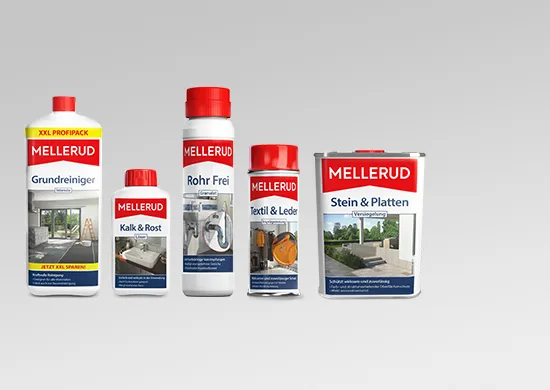
Key aspects of the MELLERUD label design strategy included:
- Consistent placement and size of the MELLERUD logo across all products
- A unified color coding system to differentiate product categories
- Standardized typography for product names and key information
- Consistent use of icons to quickly communicate product features
- Flexible areas for product-specific imagery or design elements
This approach allowed MELLERUD to maintain a strong, cohesive brand presence while ensuring that each product line had its own distinct identity within the broader brand framework. The result was a product range that was easily navigable for consumers, with each item clearly belonging to the MELLERUD family while standing out for its specific purpose.
You can learn more about this project and see additional examples in our MELLERUD case study. This case study provides valuable insights into how consistent label design can be applied across a diverse product range while maintaining brand integrity and product differentiation.
Label Design for Different Industries
Different industries have unique requirements and trends when it comes to label design. Understanding these industry-specific considerations is crucial for creating labels that not only look great but also meet regulatory requirements and consumer expectations. Let's explore some industry-specific considerations in detail:
Food and Beverage Label Design
Food and beverage labels need to strike a delicate balance between looking appetizing and providing clear, compliant nutritional information. These labels must not only entice consumers but also provide all necessary details required by food safety regulations. Key considerations for food and beverage label design include:
- Appetite appeal through vibrant colors and mouth-watering imagery that makes the product look delicious
- Clear ingredient lists and nutritional information presented in easy-to-read formats
- Allergen warnings that are prominently displayed and impossible to miss
- Storage instructions and expiration dates that are clearly visible and legible
- Materials that can withstand refrigeration, moisture, and handling without deteriorating
- Compliance with food labeling regulations specific to each country or region
For beverages, labels often need to be waterproof and able to withstand condensation from chilled products. Wine and spirits labels may require special considerations for premium feel and luxury appeal, while functional drinks might emphasize health benefits and energy content. Food labels must be particularly careful about making accurate claims regarding organic status, health benefits, or nutritional content to avoid regulatory issues.
Cosmetic and Personal Care Label Design
Cosmetic labels are all about creating desire and communicating the benefits of beauty and personal care products. These labels need to look luxurious and appealing while providing essential information about ingredients and usage. Our cosmetic labels are designed to meet these unique requirements:
- Elegant, sophisticated designs that convey quality and luxury
- Clear ingredient lists as required by cosmetic regulations
- Usage instructions and safety warnings prominently displayed
- Materials that resist bathroom humidity and frequent handling
- Special finishes like foil stamping or embossing to enhance premium appeal
- Color schemes that match the product inside or complement skin tones
Cosmetic labels often use smaller fonts due to space constraints, making typography choice crucial for readability. Premium cosmetic brands frequently invest in special printing techniques like spot UV coating or metallic inks to create a tactile, luxurious experience that justifies higher price points.
Pharmaceutical and Healthcare Label Design
Pharmaceutical labels have the most stringent requirements of any industry, as they directly impact patient safety. These labels must prioritize clarity, accuracy, and compliance above all aesthetic considerations:
- Crystal-clear dosage instructions that cannot be misunderstood
- Prominent display of drug names, both generic and brand names
- Warning labels and side effect information in required formats
- Tamper-evident features to ensure product safety
- Materials that maintain legibility throughout the product's shelf life
- Compliance with FDA, EMA, or other regulatory body requirements
Healthcare labels often use high-contrast color schemes (typically black text on white backgrounds) to ensure maximum readability for patients of all ages. Special consideration must be given to elderly patients who may have vision difficulties, requiring larger fonts and clear, simple layouts.
Industrial and Chemical Label Design
Industrial labels need to withstand harsh environments while clearly communicating safety information and product specifications. These labels prioritize durability and clarity over aesthetic appeal:
- Hazard symbols and safety warnings that are immediately recognizable
- Chemical resistance to withstand exposure to various substances
- Temperature resistance for products used in extreme conditions
- UV resistance for outdoor applications
- Strong adhesives that maintain bond strength in challenging environments
- Compliance with GHS (Globally Harmonized System) standards for chemical labeling
Industrial labels often feature bold, high-contrast designs with internationally recognized symbols to overcome language barriers and ensure worker safety regardless of literacy levels.
Future Trends in Label Design
The label design industry continues to evolve rapidly, driven by technological advances, changing consumer preferences, and environmental concerns. Understanding these emerging trends can help brands stay ahead of the competition and meet future consumer expectations. Let's explore the key trends shaping the future of label design:
Smart Labels and Technology Integration
The integration of technology into label design is creating exciting new possibilities for brand engagement and consumer interaction. Smart labels go beyond traditional static designs to offer dynamic, interactive experiences:
- NFC (Near Field Communication) chips that enable tap-to-connect experiences
- Temperature-sensitive inks that change color to indicate product freshness
- QR codes that link to personalized content based on purchase history
- Augmented reality features that bring packaging to life through smartphone cameras
- Blockchain integration for product authentication and supply chain transparency
These technologies not only enhance the consumer experience but also provide valuable data insights for brands, enabling more targeted marketing and improved product development.
Minimalist and Clean Design Aesthetics
There's a growing trend toward simplified, clean label designs that prioritize clarity and authenticity. This minimalist approach reflects consumer desire for transparency and authenticity:
- Increased use of white space to create breathing room and focus attention
- Simple, sans-serif typography that enhances readability
- Limited color palettes that create sophisticated, cohesive looks
- Focus on essential information while eliminating clutter
- Natural, unprocessed imagery that conveys authenticity
This trend is particularly strong in organic, natural, and premium product categories where consumers associate simplicity with quality and purity.
Personalization and Variable Data Printing
Advanced printing technologies are making it increasingly cost-effective to create personalized labels for individual consumers or specific market segments:
- Names, messages, or images customized for individual consumers
- Regional variations that speak to local preferences and languages
- Seasonal designs that can be quickly adapted for different times of year
- Limited edition runs that create exclusivity and collectibility
- Dynamic pricing labels that can be updated in real-time
This personalization trend is driven by consumers' desire for unique experiences and brands' need to create deeper emotional connections with their audiences.
Measuring the Success of Your Label Design
Creating an effective label design is only the beginning; measuring its impact and success is crucial for continuous improvement and maximizing return on investment. Understanding how to evaluate your label's performance can help you make data-driven decisions for future design iterations:
Key Performance Indicators for Label Design
Several metrics can help you assess the effectiveness of your label design in achieving business objectives:
- Sales performance compared to previous label versions or competitor products
- Brand recognition and recall rates in consumer surveys
- Consumer engagement metrics from QR codes or interactive elements
- Social media mentions and user-generated content featuring your packaging
- Customer feedback and reviews specifically mentioning packaging or design
- Retail partner feedback on product performance and shelf appeal
By tracking these metrics over time, you can identify which design elements are most effective and make informed decisions about future label designs.
A/B Testing for Label Design
A/B testing can provide valuable insights into which label design elements resonate most strongly with your target audience:
- Test different color schemes in similar retail environments
- Compare performance of different typography choices
- Evaluate the impact of different imagery or graphic elements
- Test various calls-to-action or messaging approaches
- Compare premium vs. standard material choices on perceived value
When conducting A/B tests, ensure that you control for other variables such as placement, pricing, and timing to get accurate results about the label design's impact.
Consumer Research and Feedback
Direct consumer feedback provides invaluable insights into how your label design is perceived and what improvements could be made:
- Focus groups to gather detailed qualitative feedback on design elements
- Online surveys to collect quantitative data about label preferences
- Eye-tracking studies to understand how consumers visually interact with your labels
- In-store observations to see how consumers behave when encountering your products
- Social media monitoring to capture unsolicited opinions about your packaging
This research can reveal unexpected insights about how consumers interpret your brand messaging and whether your design is effectively communicating your intended values and benefits.
Conclusion
Label design has evolved far beyond simple product identification to become a sophisticated marketing tool that can make or break a product's success in today's competitive marketplace. Throughout this comprehensive guide, we've explored how thoughtful label design can enhance brand recognition, communicate values, differentiate products, and create meaningful connections with consumers.
The key to successful label design lies in understanding that every element – from color psychology and typography to material selection and sustainability considerations – works together to create a cohesive brand experience. Whether you're designing labels for food and beverages, cosmetics, pharmaceuticals, or industrial products, the principles remain consistent: clarity, consistency, compliance, and compelling visual appeal.
As we look toward the future, emerging trends like smart labels, minimalist aesthetics, and personalization are reshaping the landscape of label design. Brands that embrace these innovations while maintaining strong foundations in design principles will be best positioned to capture consumer attention and build lasting loyalty.
At Labelprint24, we're committed to helping brands navigate this complex landscape, offering not just high-quality printing solutions but also the expertise and guidance needed to create labels that truly serve as powerful brand assets. From our extensive range of materials and printing techniques to our understanding of industry-specific requirements and regulatory compliance, we provide the complete solution for brands looking to maximize the impact of their label design.
Remember, your label is often the first and most important touchpoint between your brand and your customers. By investing in thoughtful, strategic label design that considers both aesthetic appeal and functional requirements, you're investing in the long-term success of your brand. The effort you put into creating exceptional labels will pay dividends in increased brand recognition, customer loyalty, and ultimately, business growth.
Whether you're launching a new product or refreshing an existing line, the principles and insights shared in this guide will help you create labels that not only look great but also deliver measurable business results. The future of your brand may well depend on the attention you give to these seemingly small but incredibly powerful pieces of your packaging puzzle.