





 BY Christoph Zumdick IN Industry knowledge
The Importance of Branding Labels
Introduction to Branding Labels
In today's competitive marketplace, effective branding is essential for business success. Labels are powerful branding tools that communicate your company's identity, values, and quality standards to consumers. As a critical touchpoint between your product and potential customers, labels deserve careful consideration in your overall marketing strategy. Research shows that about 70% of purchasing decisions are made at the point of sale, making your product's visual presentation through labelling a crucial factor in consumer choice.

At Labelprint24, we understand that labels are more than just stickers—they're a crucial element of your brand's visual identity. Well-designed labels can significantly impact consumer perception and purchasing decisions. They serve as silent salespeople, conveying important information about your products whilst reinforcing your brand message. Industry studies indicate that products with professionally designed labels can experience sales increases of up to 25-30% compared to those with generic or poorly designed labels.
The evolution of branding has made labels increasingly important in modern marketing strategies. Labels have a rich history that dates back centuries, but their role in building brand recognition has never been more critical than it is today. From the earliest hand-painted merchant signs to today's sophisticated digital printing technologies, labels have continuously evolved to meet changing market demands and consumer expectations.
The Functions of Branding Labels
Branding labels serve multiple essential functions that contribute to your product's success in the marketplace. Understanding these functions can help you maximise the effectiveness of your labelling strategy and create a comprehensive approach that addresses all aspects of consumer interaction with your products.
Identification and Recognition
One of the primary functions of branding labels is to make your products instantly recognisable. A consistent and distinctive label design helps customers quickly identify your products among competitors. This recognition factor is crucial for building brand loyalty and repeat purchases. According to marketing research, consumers can recognise familiar brands in as little as 0.4 seconds, highlighting the importance of distinctive visual elements on your labels.
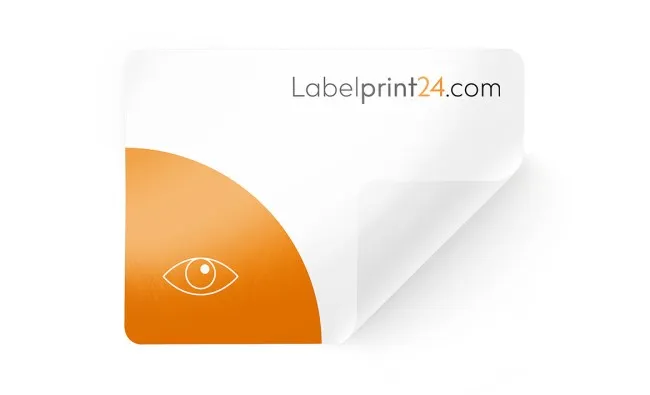
Adhesive labels come in various materials and formats, allowing you to create a distinctive look that sets your products apart. Whether you choose transparent labels for a premium, no-label look or vibrant coloured labels that pop on the shelf, the right design enhances recognition and reinforces your brand identity. Effective identification through labelling is particularly important in crowded market segments where dozens of similar products compete for consumer attention.
Information and Communication
Labels serve as crucial information carriers, communicating essential details about your product to consumers. This includes product name and description, ingredients or materials, usage instructions, safety warnings, manufacturing details, contact information, certifications and quality assurances, nutritional information (for food products), and storage recommendations.
For products requiring detailed tracking information, barcode labels provide essential functionality whilst maintaining your brand's visual identity. These labels ensure product traceability whilst communicating important information to both retailers and consumers. Studies show that 85% of consumers read product labels before making first-time purchases, emphasising the importance of clear, well-organised information design.
Marketing and Persuasion
Beyond identification and information, labels are powerful marketing tools that can influence purchasing decisions. Effective branding labels highlight unique selling points, communicate product benefits, establish price positioning, evoke emotional responses, tell your brand's story, create desire through aspirational imagery, differentiate your product from competitors, reinforce brand values and mission, and encourage social sharing through hashtags or QR codes.
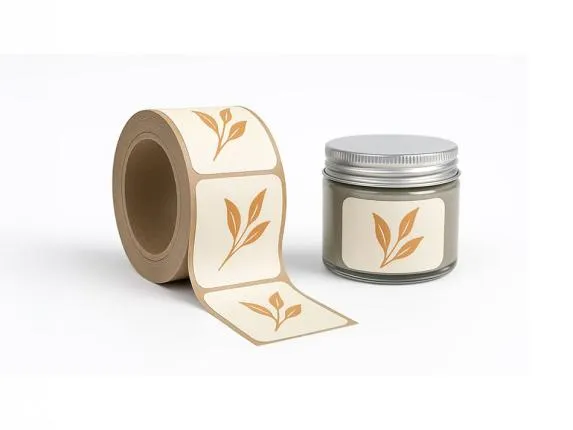
Cosmetic labels exemplify how branding can enhance product perception. These labels not only identify the product but also communicate luxury, quality, and efficacy through their design elements. Our specialised labels for cream jars are tailored to fit various container shapes whilst maintaining a consistent brand image. The beauty industry particularly demonstrates how effective labelling can elevate perceived value, with premium cosmetic products commanding prices up to 500% higher than their manufacturing costs largely due to sophisticated branding and packaging.

Legal Compliance and Trust Building
Labels also fulfil important legal requirements, displaying mandatory information required by regulations in your industry. Compliance builds trust with consumers and demonstrates your commitment to transparency and safety. Different sectors have specific labelling requirements that must be met.
Food products must display nutritional information and allergen warnings, pharmaceuticals require detailed dosage instructions, cosmetics must list ingredients and shelf life, electronics need safety certifications, and chemical products require hazard symbols.
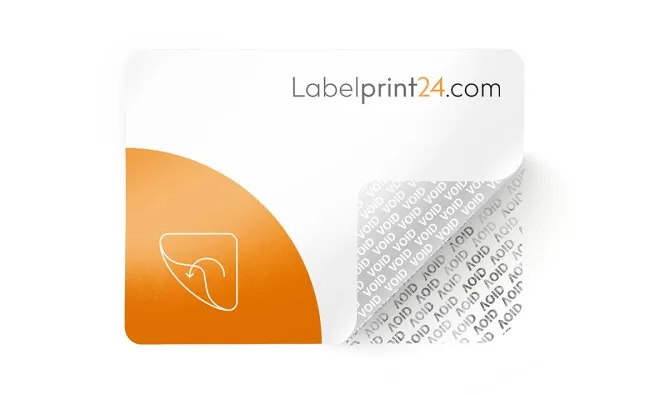
Safety labels made from durable white film provide 100% manipulation protection, ensuring product integrity and consumer safety. These labels not only fulfil legal requirements but also build trust by demonstrating your commitment to product security. Research indicates that 76% of consumers are more likely to trust brands that provide comprehensive product information, highlighting the importance of transparent and compliant labelling.
Design Elements of Effective Branding Labels
Creating impactful branding labels requires careful consideration of various design elements. Each component contributes to the overall effectiveness of your label and its ability to represent your brand. Professional designers understand that these elements must work in harmony to create labels that are both visually appealing and functionally effective.
Colour Psychology in Label Design
Colours evoke specific emotions and associations, making them powerful tools in label design. Understanding colour psychology can help you select a palette that resonates with your target audience and communicates your brand values. Research in consumer psychology has found that colour can influence up to 90% of initial product assessments.
For example, luxury brands often use black, gold, or deep purple to convey sophistication and exclusivity. Health and wellness products frequently feature green and blue tones to suggest purity and tranquillity. Our special labels allow for precise colour reproduction to ensure your brand colours appear exactly as intended.
Some common colour associations in label design include red for excitement and appetite stimulation, blue for trust and professionalism, green for health and freshness, yellow for optimism and attention-grabbing, black for luxury and premium positioning, white for purity and simplicity, and purple for creativity and luxury.
Typography and Readability
The fonts you choose for your labels impact both readability and brand perception. Typography should align with your brand personality whilst ensuring that essential information remains legible. Studies show that consumers typically spend only 4-8 seconds scanning a product label, making clear typography essential for effective communication.
Consider these typography best practices for branding labels: use no more than 2-3 complementary fonts, ensure sufficient contrast between text and background, select appropriate font sizes for different information types, consider the viewing distance, use font weights to create visual hierarchy, maintain adequate spacing between letters and lines, choose fonts that reflect your brand personality, test readability in actual usage conditions, and ensure compliance with regulatory requirements for minimum font sizes.
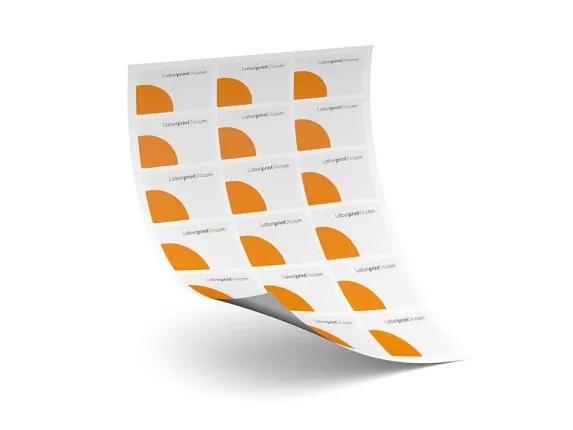
Our A4 sheet labels offer excellent print quality for even the most intricate typography, ensuring your brand message is communicated clearly and professionally. These versatile labels provide a perfect canvas for implementing sophisticated typographic designs that enhance your brand's visual identity.
Imagery and Visual Elements
Graphics, illustrations, and photos on your labels can instantly communicate product attributes and brand personality. These visual elements create immediate connections with consumers and help differentiate your products. Eye-tracking studies have shown that consumers are drawn to labels with distinctive imagery before reading any text content.
For products that require more extensive branding space, consider expanding beyond traditional labels to custom packaging solutions. Folding boxes with snap-lock bases provide ample surface area for brand storytelling through imagery and graphics whilst offering practical functionality.
Effective visual elements on labels might include product photography that demonstrates usage, ingredient illustrations, iconography that communicates key features, textural elements, brand mascots that create emotional connections, heritage elements that communicate tradition, certification logos that build trust, and lifestyle imagery that connects with target demographics.
Layout and Information Hierarchy
The arrangement of elements on your label guides the consumer's eye and determines which information receives priority. A well-designed layout ensures that the most important details are noticed first. Research in consumer behaviour indicates that effective information hierarchy can increase comprehension by up to 40%.
When designing your label layout, consider placing your logo in a prominent position, using white space strategically to prevent visual clutter, grouping related information together, creating contrast between different information types, ensuring the design works at various viewing distances, implementing a visual flow that guides the eye through key information, balancing mandatory information with marketing messages, considering how the label wraps around the product, and testing visibility in actual retail environments.
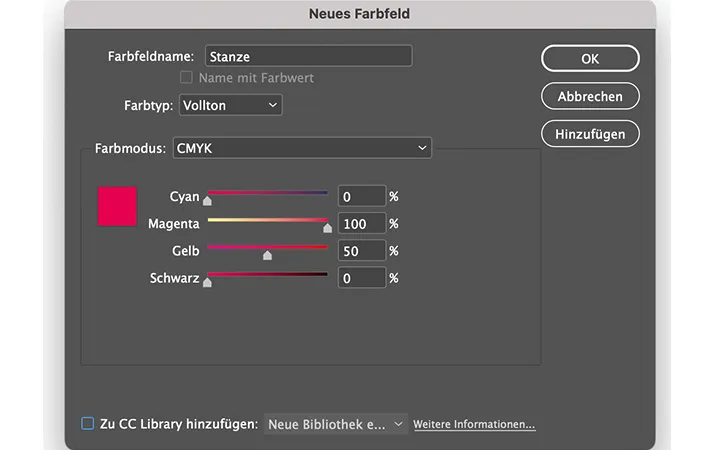
For technical guidance on label design, our guide to creating punching contours correctly provides valuable insights into the technical aspects of label production. Understanding these technical requirements ensures that your creative designs can be accurately reproduced in the manufacturing process.
Material Selection for Branding Labels
The material you choose for your labels significantly impacts both their functionality and how they communicate your brand values. Different materials offer various benefits and create distinct impressions. Material selection should be based on both practical considerations (product environment, application method) and brand positioning factors.
Paper Labels: Classic and Versatile
Paper labels remain a popular choice for many products due to their versatility, printability, and cost-effectiveness. They offer a traditional look that works well for many brand identities. Paper labels account for approximately 60% of all label applications worldwide due to their adaptability and environmental advantages.
Our A4 sheet labels are available in various paper stocks, allowing you to select the perfect material for your specific branding needs. Paper labels work particularly well for products with a natural, artisanal, or traditional brand positioning.
Paper label options include uncoated papers for natural, artisanal products, glossy coated papers for vibrant colour reproduction, textured papers that add tactile interest, speciality papers with unique finishes, thermal papers for variable information printing, and matte papers that reduce glare in bright retail environments.
Film Labels: Durability and Premium Appeal
Film labels made from materials like polypropylene (PP) or polyethylene (PE) offer superior durability, moisture resistance, and a premium appearance. These materials are ideal for products exposed to challenging environments or those positioned as high-end offerings. The global market for film labels is growing at approximately 5.6% annually as brands seek more durable and visually distinctive labelling solutions.
Transparent labels made from clear film create a "no-label" look that allows your product to shine through, creating a sophisticated, modern appearance. These labels are particularly effective for cosmetics, beverages, and premium food products where visual appeal is crucial to brand positioning.
Film label benefits include resistance to water, oils, and chemicals, flexibility to conform to irregular container shapes, UV resistance for outdoor applications, temperature stability for refrigerated or heated products, clarity options from completely clear to opaque, squeezable properties for flexible packaging, high-definition print reproduction, and extended product life in challenging environments.
Speciality Materials: Creating Distinctive Impressions
For brands seeking to make a unique impression, speciality label materials offer distinctive textures, finishes, and properties that can elevate your packaging. These materials can create memorable tactile experiences that enhance brand recognition and perceived value.
Our special labels category includes materials with distinctive properties that can enhance your brand presentation. For products requiring variable information printing, we offer thermal transfer ribbons compatible with various printer systems.
Speciality material options include metallic films that create premium, reflective finishes, holographic materials for security and visual interest, soft-touch films that create a velvety feel, wood veneer labels for natural or artisanal products, fabric labels for clothing and textile applications, removable adhesive options for temporary applications, and tamper-evident materials for security applications.
Consistency in Branding Across Product Lines
Maintaining consistent branding across your product range is essential for building recognition and trust. Labels play a crucial role in creating this visual cohesion whilst still allowing for product differentiation. Research indicates that consistent brand presentation across platforms can increase revenue by up to 23%, highlighting the importance of maintaining visual continuity across your product portfolio.
Creating a Unified Visual Identity
A unified visual identity helps consumers instantly recognise your brand, regardless of which product they encounter. Key elements to maintain consistency include logo placement and size, colour palette, typography system, design elements and patterns, label format and proportions, brand voice and messaging style, quality of materials and printing, visual hierarchy and information organisation, and brand personality expression.
Our cosmetic labels are designed to maintain brand consistency across different product formats. Whether you're labelling bottles, jars, or tubes, we ensure your brand identity remains cohesive whilst adapting to various container shapes and sizes. Creating a comprehensive brand style guide that includes specific label design parameters can help maintain consistency as your product line expands.
Differentiating Product Lines Whilst Maintaining Brand Identity
Whilst consistency is important, your labels should also help consumers distinguish between different product lines or variants. This can be achieved through thoughtful design variations that maintain core brand elements. Effective product differentiation within a consistent brand framework can increase sales by helping consumers quickly find the specific product variant they need.
Strategies for product differentiation within a consistent brand framework include using colour coding for different product lines, varying secondary design elements whilst maintaining primary brand markers, adjusting layout for different product types, using consistent iconography to indicate product features, maintaining the same label structure with varying content, creating a tiered system for different product quality levels, using size variations to indicate product volume differences, and implementing a modular design system that allows for flexibility.
Our specialised cosmetic labels and barcode labels demonstrate how functional differences can be incorporated whilst maintaining overall brand consistency. These specialised label formats allow for product-specific information whilst preserving key brand elements.
The Impact of Branding Labels on Consumer Perception
The quality and design of your labels significantly influence how consumers perceive your products and brand. Understanding this impact can help you make strategic labelling decisions. Multiple studies have confirmed that packaging and labelling influence purchase decisions more than advertising for many product categories.
First Impressions and Shelf Appeal
In retail environments, your label often creates the first impression of your product. Studies show that consumers make initial judgements about products within seconds, making your label's visual impact crucial for capturing attention. Research indicates that approximately 70% of consumers form their impression of a brand based solely on packaging, with distinctive labels being a key component of that impression.
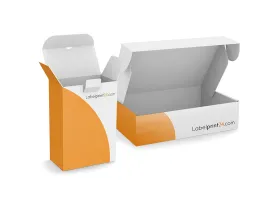
For products that need maximum shelf impact, consider expanding your branding beyond labels to custom boxes and specialised packaging solutions. These options provide larger surfaces for brand communication whilst creating distinctive shelf presence.
Factors that enhance shelf appeal include distinctive shapes that break the rectangular pattern, bold colours that stand out among competitors, strategic use of white space to create visual contrast, innovative label materials that catch the light, clear product visibility through strategic label placement, consideration of how products are arranged on shelves, visual elements that are recognisable from a distance, and design that works effectively from multiple viewing angles.
Quality Perception and Price Positioning
The quality of your labels directly influences perceived product quality. Premium products require premium labels—consumers instinctively associate sophisticated label design and materials with higher product quality. Market research has shown that upgrading packaging and labelling can support price increases of 15-30% without negatively impacting sales volume.
Consider these factors that influence quality perception: print quality and colour accuracy, material selection and tactile properties, finishing techniques (embossing, foiling, varnishes), precision of cutting and application, durability and resistance to environmental factors, attention to detail in design execution, appropriate weight and thickness of materials, balance between simplicity and sophistication, and alignment with category expectations and innovations.
Our thermal transfer labels provide excellent print quality for detailed designs, whilst our packaging solutions like stand-up pouches offer premium presentation options. These high-quality materials and printing techniques ensure that your products communicate value through every visual and tactile element.
Building Trust Through Professional Branding
Professional, consistent labelling builds trust with consumers. When your labels communicate attention to detail and quality, consumers are more likely to trust your products and brand promises. Studies indicate that 67% of consumers cite product packaging as an important factor in their trust of a brand.
Trust-building elements in label design include clear and accurate product information, professional design and production quality, consistent branding across product lines, appropriate security features when needed, compliance with industry regulations, transparent communication about ingredients and sourcing, certifications and quality assurances, contact information that demonstrates accessibility, and brand heritage elements that communicate experience.
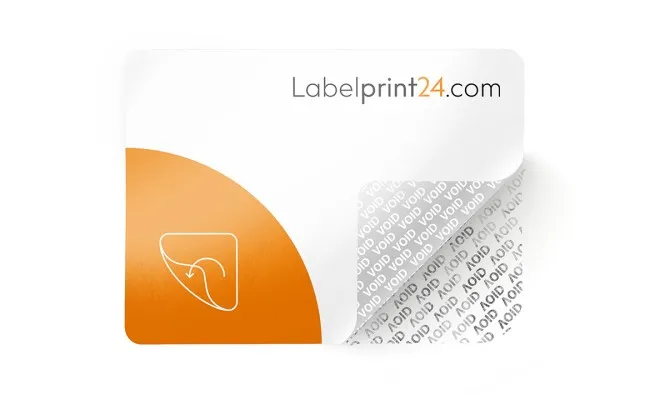
Our safety labels with tamper-evident features help build consumer trust by ensuring product integrity. These specialised labels provide visible evidence of tampering, enhancing consumer confidence in your products. For industries where product authenticity is particularly important, such as pharmaceuticals or luxury goods, these security features are essential trust-building elements.
Working with Professional Label Printers
Partnering with a professional label printer like Labelprint24 ensures that your branding labels achieve the desired impact and functionality. Understanding the production process and options available can help you make informed decisions. Professional printers bring expertise in both the technical and creative aspects of label production, helping you navigate material choices, printing technologies, and finishing options.
The Label Production Process
Professional label production involves several key stages, each critical to achieving high-quality results that represent your brand effectively. Understanding this process helps you plan effectively and ensure optimal outcomes for your branding labels.
The typical production process includes design and prepress, material selection, printing, finishing, die-cutting, quality control, delivery, technical support, and inventory management.
Our technical guides provide valuable information on preparing your files correctly for optimal production results. Following these guidelines ensures that your design intent is accurately translated into the final printed labels, avoiding costly mistakes or production delays.
Customisation Options for Unique Branding
Professional label printers offer numerous customisation options that can make your branding labels truly distinctive. These options allow you to create labels that perfectly align with your brand positioning and product requirements.
Consider these customisation options for your branding labels: custom shapes and sizes tailored to your product, special finishes like spot varnish, embossing, or foil stamping, unique materials with distinctive textures or properties, sequential numbering or variable data printing, extended content labels for additional information, security features for product authentication, multi-layer constructions for expanded content, speciality adhesives for challenging surfaces or environments, and combination printing techniques for distinctive visual effects.
Our packaging solutions like stand-up pouches offer extensive customisation options for brands seeking alternatives to traditional labels. These versatile packaging formats provide 360-degree branding opportunities whilst offering functional benefits for product protection and display.
Cost Considerations and Value Analysis
Whilst professional label printing involves an investment, the value it brings to your brand often justifies the cost. Understanding the factors that influence pricing can help you make cost-effective decisions without compromising quality. A comprehensive value analysis should consider not just the unit cost of labels but their impact on sales, brand perception, and operational efficiency.
Key factors affecting label costs include quantity ordered (larger runs typically reduce per-unit costs), material selection (speciality materials cost more than standard options), printing process (digital for short runs, flexo/offset for longer runs), number of colours and special finishes, die-cutting complexity, quality requirements and tolerances, order frequency and inventory management needs, rush production requirements, and shipping and handling considerations.
Visit our payment FAQ page for information about our pricing and payment options. We offer transparent pricing and various payment methods to suit your business needs. Our online ordering system provides instant quotes, allowing you to compare different options and make informed decisions based on your budget and branding requirements.
Measuring the ROI of Branding Labels
Investing in quality branding labels should deliver measurable returns for your business. Understanding how to evaluate this return on investment helps justify the expense and refine your labelling strategy. Implementing systematic measurement approaches can help quantify the impact of your labelling investments on overall business performance.
Sales Performance Metrics
One of the most direct ways to measure label ROI is through sales performance. Effective branding labels can increase sales by improving visibility, communicating value, and differentiating your products from competitors. Studies have shown that packaging updates, including label redesigns, can increase sales by an average of 5.5% across product categories.
Key metrics to track include sales volume before and after label changes, market share growth in your category, average transaction value, velocity of product movement through retail channels, sales by geographic region or retail partner, conversion rates for new customers, repeat purchase rates, product returns or complaints related to labelling, and comparative sales against similar products with different labelling.
Brand Recognition and Recall
Effective branding labels build awareness and recognition over time. Measuring these intangible benefits requires different approaches but provides valuable insights into long-term brand building. Brand recognition studies have shown that consistent, distinctive labelling can increase unaided brand recall by 25-40%.
Methods for measuring brand recognition include consumer surveys measuring brand awareness, focus groups testing label recognition speed, shelf visibility studies in retail environments, social media mentions and engagement, customer feedback and testimonials, media coverage and editorial features, industry awards and recognition, competitor comparisons and benchmarking, and tracking search volume for brand terms.
Customer Engagement and Loyalty
Labels that effectively communicate brand values and connect emotionally with consumers can drive deeper engagement and loyalty. These relationship-building aspects of labelling create long-term value that extends beyond immediate sales. Research indicates that emotionally connected customers have a 306% higher lifetime value compared to merely satisfied customers.
Indicators of successful customer engagement through labelling include social media sharing of product images, customer reviews mentioning packaging appeal, participation in QR code or digital label features, newsletter subscriptions prompted by packaging, brand community growth and activity, customer referrals and word-of-mouth marketing, premium pricing acceptance, resistance to competitive alternatives, and collection of limited edition or special release items.
Digital Integration and Smart Labels
The future of branding labels increasingly involves digital integration, creating interactive experiences that extend beyond the physical label. Smart labels with QR codes, NFC chips, and augmented reality features are transforming how brands communicate with consumers. The global smart labels market is projected to reach £12.8 billion by 2026, demonstrating the growing importance of this technology.
QR Codes and Mobile Engagement
QR codes on labels provide a bridge between physical products and digital experiences. These codes can direct consumers to detailed product information, authentication verification, promotional campaigns, social media channels, recipe ideas or usage tutorials, loyalty programmes, customer service resources, or product registration systems.
Integrating QR codes into your label design requires careful consideration of placement, size, contrast, and the value proposition you're offering consumers. Studies show that QR code scan rates increase by 40% when consumers clearly understand the benefit of scanning. The code should be easily scannable whilst integrating aesthetically with your overall label design.
NFC Technology and Product Authentication
Near Field Communication (NFC) technology embedded in labels enables contactless interaction with smartphones. This technology is particularly valuable for premium products, authentication systems, interactive marketing campaigns, supply chain tracking, product recalls and safety alerts, personalized consumer experiences, warranty registration, and anti-counterfeiting measures.
NFC-enabled labels represent a significant investment but offer substantial benefits for brands dealing with counterfeiting issues or seeking to create premium, interactive experiences. Luxury brands have seen authentication rates increase by 60% after implementing NFC technology in their labelling.
Augmented Reality Experiences
Augmented reality (AR) features triggered by label scanning create immersive brand experiences. Consumers can use their smartphones to unlock 3D product visualisations, virtual try-on features, animated brand storytelling, interactive games or competitions, behind-the-scenes content, personalised messages, educational information, or social sharing features.
AR-enhanced labels are particularly effective for products where visual demonstration adds significant value, such as cosmetics, home décor, food products with serving suggestions, or technical products with assembly requirements. Brands using AR label experiences report engagement times averaging 75 seconds, significantly higher than traditional label viewing.
Industry-Specific Labelling Considerations
Different industries have unique labelling requirements and opportunities. Understanding these sector-specific considerations ensures your labels meet regulatory requirements whilst maximising branding effectiveness.
Food and Beverage Labelling
Food and beverage products face stringent labelling regulations whilst requiring designs that stimulate appetite and convey flavour profiles. Key considerations include nutritional information display, allergen warnings, ingredient listings, expiration dating, country of origin, serving suggestions, storage instructions, and organic or non-GMO certifications.
The food industry also presents unique material challenges, as labels must withstand refrigeration, freezing, moisture, oil exposure, and food contact requirements. Material selection and adhesive technology are particularly critical for maintaining label integrity throughout the product lifecycle.
Cosmetics and Personal Care
The beauty industry relies heavily on premium label presentation to communicate luxury and efficacy. Our cosmetic labels are specifically designed to meet these high aesthetic standards whilst providing essential product information.
Cosmetic labelling must include ingredients lists, usage instructions, batch numbers and PAO (Period After Opening) symbols, warnings and contraindications, manufacturer contact information, and claims substantiation. The challenge lies in incorporating this information whilst maintaining the premium aesthetic that beauty consumers expect.
Pharmaceutical and Healthcare
Healthcare products require exceptionally clear, precise labelling due to safety considerations. Requirements include dosage instructions, active ingredient information, drug interaction warnings, storage conditions, expiration dates, lot numbers for traceability, prescription information, and regulatory compliance marks.
Pharmaceutical labels often incorporate security features to prevent counterfeiting, including tamper-evident seals, holographic elements, microprinting, and unique serialisation. The industry also increasingly uses variable data printing to include patient-specific information on prescription medication labels.
Electronics and Technical Products
Technical products require labels that communicate specifications, safety information, and regulatory compliance whilst reflecting innovation and quality. Considerations include safety certifications and compliance marks, technical specifications, serial numbers and model information, QR codes linking to digital manuals, warranty information, environmental disposal instructions, and power requirements.
Labels for electronics must withstand various environmental conditions and often require speciality materials that resist heat, chemicals, and abrasion whilst maintaining legibility throughout the product's lifespan.
Future Trends in Branding Labels
The labelling industry continues to evolve, driven by technological advances, changing consumer expectations, and sustainability imperatives. Understanding emerging trends helps brands stay ahead of the curve and leverage new opportunities for differentiation.
Personalisation and Variable Data Printing
Digital printing technology enables cost-effective personalisation, allowing brands to create unique labels for different markets, occasions, or even individual consumers. This trend supports limited edition releases, regional customisation, personalised messages, demographic-specific designs, event-based variations, test marketing of new designs, seasonal adaptations, and consumer co-creation opportunities.
Brands successfully implementing personalised labelling report increases in consumer engagement and social media sharing, as customers appreciate the individual attention and unique products.
Minimalist and Clean Label Design
There's a growing trend toward simplified label designs with cleaner aesthetics, reflecting consumer preferences for transparency and authenticity. This minimalist approach emphasises essential information, uses generous white space, employs straightforward typography, features clear ingredient lists, minimises marketing jargon, and creates calm, uncluttered presentations.
The clean label movement particularly resonates with health-conscious consumers and younger demographics who value authenticity over elaborate marketing claims. This trend challenges brands to communicate value through simplicity rather than complexity.
Interactive and Experiential Labels
Beyond basic information delivery, labels are becoming experiential touchpoints that engage consumers through tactile elements, temperature-sensitive inks, scratch-and-reveal features, textured finishes, sound-generating elements, fragrance-infused labels, and augmented reality activation.
These interactive features create memorable brand experiences that differentiate products in crowded markets and generate social media buzz through shareable moments.
Common Branding Label Mistakes to Avoid
Understanding common pitfalls in label design and production helps you avoid costly mistakes that can undermine your branding efforts.
Design and Aesthetic Errors
Visual mistakes that compromise label effectiveness include overcrowding the label with information, poor colour contrast reducing readability, inconsistent branding across product lines, low-resolution images appearing pixelated, font sizes too small for easy reading, neglecting white space in layout, misaligned design elements, inappropriate typography for brand personality, and colours that don't reproduce accurately in print.
Working with experienced designers and label printers helps avoid these issues through proper design review and technical expertise.
Technical and Production Issues
Technical errors can compromise label quality and functionality, such as incorrect bleed and safety margins, inappropriate material selection for product environment, adhesive failures causing labels to peel or bubble, die-cut misalignment, colour management problems, inadequate print resolution, file preparation errors, and ignoring label application method in design.
Our technical guides help prevent these issues by providing clear specifications and best practices for file preparation.
Regulatory and Compliance Failures
Non-compliance with labelling regulations can result in costly recalls, legal issues, and reputation damage. Common mistakes include missing mandatory information, incorrect nutritional data, inadequate allergen warnings, false or misleading claims, missing safety warnings, incorrect country of origin, absent or incorrect certifications, and non-compliant font sizes for required information.
Working with professional label designers familiar with industry-specific regulations helps ensure compliance whilst maintaining branding effectiveness.
Getting Started with Professional Branding Labels
Ready to elevate your product presentation through professional branding labels? Here's how to begin your journey with Labelprint24.
Defining Your Label Requirements
Start by clearly identifying your needs, including product type and industry, quantity requirements, size and shape specifications, material preferences, printing colours and special finishes, regulatory requirements, budget parameters, timeline expectations, and branding objectives.
Having this information prepared facilitates productive discussions with label specialists who can recommend optimal solutions for your specific situation.
Design Development Process
Whether you're creating labels from scratch or updating existing designs, a structured approach ensures better results. Consider brand audit and competitive analysis, concept development and sketching, digital design creation, technical file preparation, proof review and approval, production setup, and quality control verification.
Many brands benefit from professional design services that combine creative expertise with technical knowledge of label production requirements.
Ordering and Production
At Labelprint24, we've streamlined the ordering process to make professional label procurement simple and efficient. Our system provides instant quotes, online design tools, file upload capabilities, proofing services, flexible quantity options, fast turnaround times, quality guarantees, and responsive customer support.
We support businesses of all sizes, from small startups needing initial label runs to established brands requiring ongoing label production. Our technical team is available to guide you through material selection, design optimisation, and production specifications to ensure your branding labels exceed expectations.
Conclusion
Branding labels are far more than simple product identifiers—they're powerful marketing tools that shape consumer perceptions, communicate brand values, and influence purchasing decisions. In an increasingly competitive marketplace, professional, well-designed labels can provide the differentiation needed to capture consumer attention and build lasting brand loyalty.
The investment in quality branding labels delivers returns through increased sales, enhanced brand recognition, improved customer trust, and stronger market positioning. From material selection and design elements to regulatory compliance and digital integration, every aspect of label production contributes to your overall brand story and market success.
Whether you're launching a new product, refreshing an existing line, or building a comprehensive brand identity across multiple products, Labelprint24 provides the expertise, technology, and materials needed to create labels that truly represent your brand's quality and values. Our comprehensive range of adhesive labels, speciality labels, and packaging solutions ensures you'll find the perfect option for your branding needs.
As consumer expectations continue to evolve and new technologies emerge, staying informed about labelling trends and best practices helps maintain your competitive edge. By partnering with professional label printers who understand both the creative and technical aspects of label production, you ensure your products always present themselves in the best possible light, building brand equity with every purchase.
Take the next step in elevating your brand presentation. Explore our extensive product range, consult with our technical experts, and discover how professional branding labels can transform your product's market performance. Your brand deserves labels that do justice to the quality within—let us help you create them.