




 BY Christoph Zumdick IN Industry knowledge
Personalization Techniques for Product Labels: Enhancing Brand Identity and Customer Experience
Introduction to Label Personalization
Product labels do far more than convey basic information. They're powerful marketing tools that can make customers want to buy your products. Label personalization has changed a lot over the years, giving brands new ways to connect with customers and increase sales. Research shows that 71% of people expect personalized interactions from companies, and 76% get frustrated when they don't get them. These numbers show why personalized packaging matters so much in today's stores.
.At Labelprint24, we know that effective label personalisation is about more than visual appeal – it’s about creating a meaningful connection between your brand and your customers. Our many label solutions help businesses create personalized labels that speak to their target audience. From custom shapes to variable data printing, you have many options for making unique product labels. Using these personalization techniques helps brands get more customer engagement, better product recognition, and more sales at the point of purchase.
Personalization techniques for product labels include many strategies, from choosing materials and customizing shapes to using advanced printing technologies and adding interactive elements. This guide will show you the most effective ways to personalize your labels, with insights on how these techniques can improve your packaging strategy and make your brand stand out. By understanding all the personalization options available, you can develop approaches that match your marketing goals, product needs, and what your target customers prefer, creating packaging that both informs and delights people.
Custom Shapes and Sizes for Distinctive Packaging
One of the simplest ways to personalize product labels is by using custom shapes and sizes. Breaking away from normal rectangles or squares helps brands create packaging that people recognize right away and that stands out on busy store shelves. Custom shapes can follow your product's outline, match your logo design, or create a unique visual signature that people connect with your brand. Research shows that unique packaging shapes can get up to 30% more attention than standard formats. This big boost in visual appeal makes custom shapes one of the best ways to make products stand out in competitive stores.
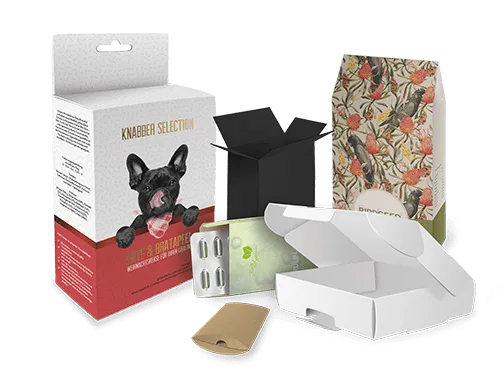
Custom-shaped labels offer several benefits for brand differentiation. They make your product look different from competitors, help people recognize your product even from far away, and complement product shapes for a more integrated look. They also strengthen brand identity through consistent visual design and improve customer engagement through unique touch experiences. Creating a strong brand identity through labels starts with these distinctive visual elements that make your products immediately recognizable. Using shape strategically can communicate brand values and product features without just relying on text or images, creating a powerful visual shorthand that customers quickly connect with your brand.
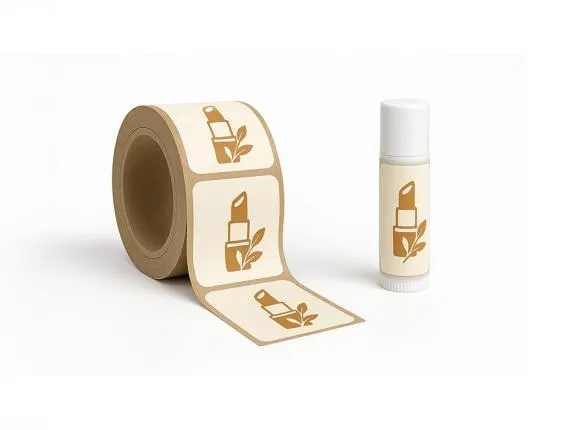
Different products need different label solutions based on their specific features and marketing goals. For example, our labels for lipsticks and balms are made to fit perfectly on small cylindrical containers, with strong adhesion and smudge-resistant printing even on limited space. These specialized labels address the unique challenges of cosmetic product labeling, including frequent handling, exposure to oils and moisture, and the need for premium looks. The careful engineering behind these labels ensures they maintain their appearance and stick well despite challenging conditions, keeping your brand looking good throughout the product's life.
For cosmetic jars and containers, we offer clear labels that adapt perfectly to cream jars of all shapes, giving a seamless, premium look while keeping product information clearly visible. The "no-label" look created by transparent materials makes the product seem higher quality and lets the contents remain visible—a big advantage for products where color and texture are selling points. This approach works especially well for premium skincare and beauty products, where how the product itself looks becomes part of the branding strategy. Clear labels let the product speak for itself while still providing necessary information and brand identification in an elegant way.
Multi-Layer and Extended Content Labels
When space is limited but you need to include lots of information, multi-layer labels offer a neat solution. These innovative labels provide more content space while keeping a clean, uncluttered look on the product. Multi-layer designs include peel-back labels, booklet labels, and accordion-fold designs that can increase available print space by 200-300% without making the label physically bigger on the package. This approach is especially useful in industries with strict rules or products needing detailed usage instructions. Being able to hide extensive information until needed lets brands maintain clean, attractive packaging while still giving consumers all necessary details and following regulations.
Multi-layer labels solve several packaging challenges at once. They provide more content area without increasing package size, ensure regulatory compliance for products requiring lots of information, and support multiple languages for international markets. They also offer organized information presentation through logical sections and enhance the unboxing experience through interactive label design. These benefits make multi-layer labels increasingly popular for cosmetic products with complex regulatory requirements. The innovative design of these labels turns a potential design constraint—extensive required information—into an opportunity for enhanced consumer interaction and engagement with the product.
Our multi-layer labels are especially valuable for products in regulated industries like pharmaceuticals, chemicals, and cosmetics, where detailed ingredient lists, usage instructions, and safety information must be included with the product. These labels can have features like resealable adhesives, numbered pages, and color-coded sections to make them easier to use and find information. The thoughtful organization of content within multi-layer labels improves the consumer experience by making it easier to find specific information when needed, while the resealable construction ensures that the information remains accessible throughout the product's life, even after being opened multiple times.
For cosmetic products specifically, our booklet labels provide an elegant solution for meeting regulatory requirements while maintaining the premium look that beauty consumers expect. These specialized labels can include ingredient lists, usage instructions, precautions, and marketing content in multiple languages without cluttering the main package design. The result is a clean, professional appearance that enhances brand perception while ensuring full compliance with labeling regulations. Booklet labels are particularly useful for products sold internationally, as they can accommodate the different language requirements of different markets without needing separate packaging designs for each region, making production and inventory management easier.
Digital Printing and Variable Data for Personalized Messaging
Digital printing technology has changed label personalization by making short runs and variable data printing cost-effective. This advancement allows brands to create truly personalized labels with individualized text, images, or codes—even down to single units. Unlike traditional printing methods that need plate changes for each design variation, digital printing can produce unlimited variations in a single production run, making personalization affordable even for smaller brands and product lines. This flexibility has made personalization available to businesses of all sizes to implement sophisticated marketing strategies that were previously only available to large corporations with big packaging budgets.
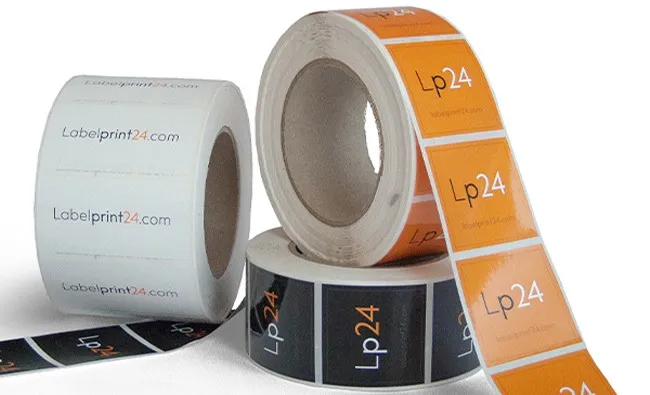
Variable data printing offers unprecedented personalization capabilities for product labels. Brands can include individual customer names or messages on products, use sequential numbering for limited editions or tracking, and create regional customization for targeted marketing campaigns. Digital printing also makes seasonal variations possible without complete redesign costs and enables personalized QR codes linking to custom digital experiences. These capabilities transform static labels into dynamic marketing tools that can be tailored to specific customer segments or even individual consumers. The ability to change content from one label to the next without stopping production creates opportunities for sophisticated personalization strategies that drive consumer engagement and brand loyalty.
At Labelprint24, our digital printing labels offer excellent quality with bright colors and fine detail reproduction. Digital printing is especially good for brands that need frequent design updates or seasonal variations, want to test multiple label designs with minimal investment, or need short to medium production runs. The technology is also perfect for designs with photographic elements or complex color gradients that might be hard to reproduce with traditional printing methods. The superior color reproduction and fine detail capabilities of modern digital presses ensure that even the most intricate designs and subtle color variations are reproduced perfectly, maintaining brand consistency and quality perception.
Personalized labels play an important role in establishing and reinforcing brand identity. Our article on creating brand identity through labels explores how strategic label design and personalization can strengthen brand recognition and customer loyalty. Digital printing eliminates the need for printing plates, reducing setup costs and enabling economical production of multiple design variations. This flexibility allows brands to implement A/B testing of different label designs or create regional variations without significant extra costs. The ability to economically produce multiple design variations also supports more agile marketing strategies, allowing brands to quickly respond to market trends, seasonal opportunities, or competitive challenges without the constraints of traditional printing economics.
Special Finishes and Materials for Premium Appeal
How a label feels significantly influences consumer perception of product quality. Special finishes and premium materials can transform an ordinary label into a luxurious brand statement that invites touch and makes the product seem more valuable. Research shows that consumers associate textural elements like embossing, foil stamping, and soft-touch coatings with premium products, making these finishes powerful tools for positioning brands in higher price categories. The physical interaction with these special finishes creates a multi-sensory experience that strengthens brand impressions and purchase intent. Studies have shown that products with tactile elements can command price premiums of 15-30% compared to similar products with standard finishes, making these enhancements a worthwhile investment for brands seeking to establish premium positioning.
Labelprint24 offers a wide range of premium label finishes to improve your product presentation. These include soft-touch laminates for a velvet-like feel, spot UV varnish for selective glossy highlights, and foil stamping in metallic, holographic, or matte finishes. We also provide embossing and debossing for dimensional texture and specialty coatings for unique visual effects. Each of these finishing options adds a distinctive character to your labels that communicates quality and attention to detail before the consumer even reads the product information. The strategic combination of multiple finishing techniques can create truly distinctive packaging that stands apart from competitors and reinforces premium brand positioning through sophisticated visual and tactile cues.
The material choice is equally important for creating distinctive labels that enhance brand perception. Our material options include clear films for the "no-label" look on glass or plastic, textured papers that mimic natural materials, and metallic substrates for inherent shimmer and reflectivity. We also offer synthetic materials for durability in challenging environments and specialty adhesives for specific application requirements. Each material choice contributes to the overall impression your product makes on store shelves and in the consumer's hand. The interaction between material, printing technique, and finishing methods creates a comprehensive sensory experience that communicates brand values and product positioning through both visual and tactile dimensions.
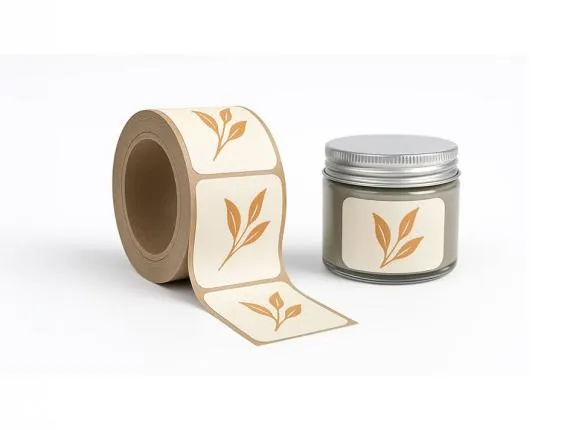
Our clear labels for cosmetics show how material choice can enhance product presentation. These transparent labels create a seamless look on glass or plastic containers, giving the impression that the print is directly on the packaging. This effect works particularly well for premium skincare and beauty products, where a clean, minimalist aesthetic often communicates sophistication and quality. The transparent material allows the product color and texture to remain visible, creating a more integrated relationship between the container, contents, and label. This approach is especially valuable for products where the visual characteristics of the contents are selling points, allowing the product itself to become part of the overall package design while still providing necessary branding and information.
Waterproof and Durable Labels for Challenging Environments
For products used in bathrooms, outdoors, industrial settings, or refrigerated environments, standard paper labels often don't work well. Specialized waterproof and durable labels ensure your product information and branding remain intact throughout the product's life, even in challenging conditions. This functional personalization is essential for maintaining brand integrity and regulatory compliance in situations where labels are exposed to moisture, temperature changes, UV light, or frequent handling. When a label fails in these environments, it not only makes the product look bad but can also result in the loss of critical information, potentially creating safety risks or regulatory problems that could damage brand reputation or even lead to product recalls.
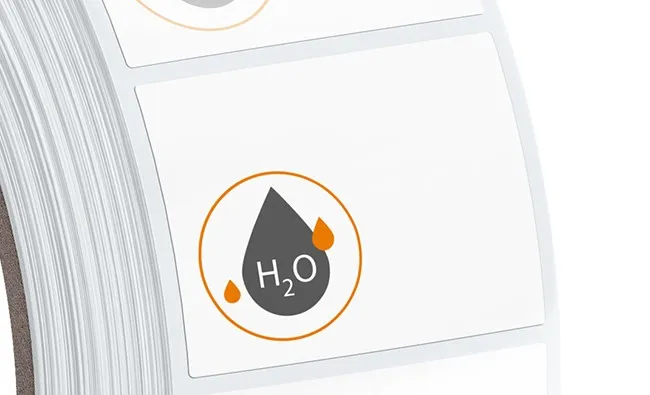
Waterproof labels are essential for many product categories that face environmental challenges. Bath and shower products are regularly exposed to moisture, refrigerated and frozen foods get condensation, and beverages are often chilled or put on ice. Similarly, outdoor products must withstand weather, while industrial products may be used in wet or chemical environments. In all these cases, the durability of the label directly impacts brand perception and product usability. The consistent presentation of brand elements and product information throughout the product's life reinforces quality perception and ensures that consumers maintain access to important usage and safety information regardless of the conditions in which the product is used or stored.
Our waterproof labels are engineered to maintain their appearance and functionality even in damp environments or outdoor use. These specialized labels feature water-resistant materials like PE, PP, and PVC films, along with specialized adhesives that maintain bond strength when wet. The durable inks won't run or fade when exposed to moisture, and protective overlaminate options provide maximum durability. For outdoor applications, we also offer UV-resistant formulations that prevent fading and deterioration from sun exposure. These technical specifications ensure that your product maintains its professional appearance and brand integrity throughout its lifecycle, regardless of the environmental conditions it encounters during use or storage.
For applications requiring exceptional durability, our PP (polypropylene) labels provide outstanding resistance to water, chemicals, oils, and abrasion. These versatile labels are ideal for products subjected to harsh conditions or frequent handling, making them a popular choice for industrial products, outdoor equipment, and personal care items used in wet environments. The material's inherent strength and flexibility ensure that your labels remain intact and legible throughout the product's lifecycle, maintaining brand presentation and essential information even in challenging conditions. The chemical resistance of PP labels makes them particularly valuable for products that may come into contact with cleaning agents, solvents, or other potentially damaging substances that would quickly deteriorate standard paper labels.
QR Codes and Interactive Elements
Modern label personalization extends beyond physical characteristics to include interactive elements that bridge the gap between physical products and digital experiences. QR codes and other interactive features transform static labels into gateways for enhanced customer engagement, offering additional content, authentication capabilities, and marketing opportunities. With smartphone scanning now built into most devices, these codes have become mainstream tools for connecting physical products to digital content without requiring special apps or hardware. This accessibility has dramatically increased consumer adoption of these interactive elements, with studies showing that QR code usage increased by over 400% during the pandemic and has continued to grow as consumers become more comfortable with this technology.
QR codes on product labels can serve multiple strategic purposes that enhance the customer experience. They can provide extended product information beyond what fits on the physical label, offer authentication verification for luxury or frequently counterfeited products, and link to user manuals and instructional videos for complex products. Additionally, QR codes can facilitate loyalty program integration for repeat purchase incentives and encourage social media engagement through user-generated content. These digital extensions create ongoing touchpoints with consumers that continue long after the initial purchase. The ability to update the digital content linked to a QR code without changing the physical packaging also provides brands with unprecedented flexibility to refine messaging, respond to market developments, or address emerging consumer questions without the cost and logistics of package redesigns.
For heavily regulated products, QR codes offer an elegant solution to balance compliance requirements with clean design. Our guide on legal requirements and consumer protection for labels explores how digital extensions can help brands meet regulatory obligations without cluttering packaging. By moving detailed information online, brands can maintain minimalist label designs while still providing all required information in an accessible format. This approach is particularly valuable for small products with limited label space or premium brands where aesthetic considerations are paramount. The strategic use of QR codes allows brands to satisfy both regulatory requirements and design objectives without compromise, creating packaging that is both compliant and visually appealing.

Similarly, in the cosmetics industry, where ingredient disclosure and usage instructions are mandatory, interactive elements can provide this information without compromising package design. Our article on packaging requirements for cosmetics details how digital solutions can complement physical labeling to ensure compliance while maintaining brand aesthetics. QR codes can link to complete ingredient lists, detailed usage instructions, and even personalized product recommendations based on the specific item purchased, creating a more comprehensive and tailored customer experience. This approach is particularly valuable for international brands that must navigate the complex and sometimes contradictory labeling requirements of different markets, allowing them to maintain consistent packaging design while still meeting all regional compliance obligations.
Industry-Specific Personalization Strategies
Different industries have unique requirements and opportunities for label personalization. Understanding these industry-specific needs enables more effective implementation of personalization techniques that address particular challenges and consumer expectations. From regulatory requirements to usage environments, each sector presents distinct considerations that should inform label design and material selection. By tailoring personalization approaches to industry-specific contexts, brands can create labels that not only look distinctive but also perform optimally in their intended environment. This specialized approach ensures that personalization investments deliver maximum return by addressing the specific functional requirements and consumer expectations relevant to each product category.
The cosmetics industry demands labels that convey luxury and quality while meeting strict regulatory requirements. Clear labels that showcase product color and texture are particularly popular, as are metallic accents for premium positioning. Small-format precision is essential for lipsticks and compact items, while oil and water resistance is crucial for bathroom products. Extended content solutions for ingredient disclosure help brands maintain compliance without compromising aesthetics. These specialized requirements make cosmetic labeling a particularly complex but rewarding area for personalization innovation. The sophisticated integration of functional requirements with premium aesthetics creates opportunities for distinctive packaging that enhances brand perception while ensuring product performance and regulatory compliance.
Our specialized labels for lipsticks and balms are designed specifically for the unique challenges of these small cylindrical products. These labels feature specialized adhesives that stick to curved surfaces, ultra-thin materials that conform perfectly to small diameters, and durable finishes that resist oils and frequent handling. The printing quality ensures that even small text remains readable, while premium finishes like foil stamping and embossing can be added to enhance shelf appeal in the competitive cosmetics market. The technical precision required for these specialized applications demonstrates how personalization must address not just aesthetic considerations but also the practical challenges of label application and performance in specific product contexts.
For cosmetic jars and containers, our clear labels for cosmetic jars provide the premium "no-label" look that luxury skincare brands prefer. These transparent labels allow the product color and texture to remain visible, creating a clean, sophisticated appearance that enhances perceived value. The materials are resistant to oils and moisture, ensuring that labels remain pristine even when used in bathroom environments or when in contact with product contents. This combination of aesthetic appeal and functional performance makes clear labels an ideal choice for premium cosmetic packaging. The ability to showcase the product itself while still providing necessary branding and information creates a distinctive presentation that communicates quality and transparency both literally and figuratively.
Implementing Personalization: Practical Considerations
Successfully implementing personalization techniques requires careful planning and consideration of practical factors that impact production, application, and performance. From timeline planning to material selection, numerous technical considerations influence the success of personalized label projects. By addressing these practical aspects early in the design process, brands can avoid costly mistakes and ensure that their personalized labels not only look impressive but also perform well throughout the product lifecycle while delivering positive return on investment. The integration of creative vision with technical feasibility is essential for developing personalization strategies that are both distinctive and practical, creating labels that perform reliably in real-world conditions while achieving marketing objectives.
Different personalization techniques have varying production timelines that should be factored into project planning. Digital printing offers the fastest turnaround, often from just 48 hours after artwork approval, making it ideal for time-sensitive projects or seasonal promotions. Special finishes like foil stamping or embossing may require additional production time due to the extra processing steps involved. Custom shapes need die creation and setup before production can begin, while variable data printing requires thorough data preparation and verification to ensure accuracy. Understanding these timeline differences is essential for effective project management. Realistic scheduling that accounts for these production requirements helps ensure that personalized labels are available when needed without compromising quality through rushed production or causing delays in product launches.
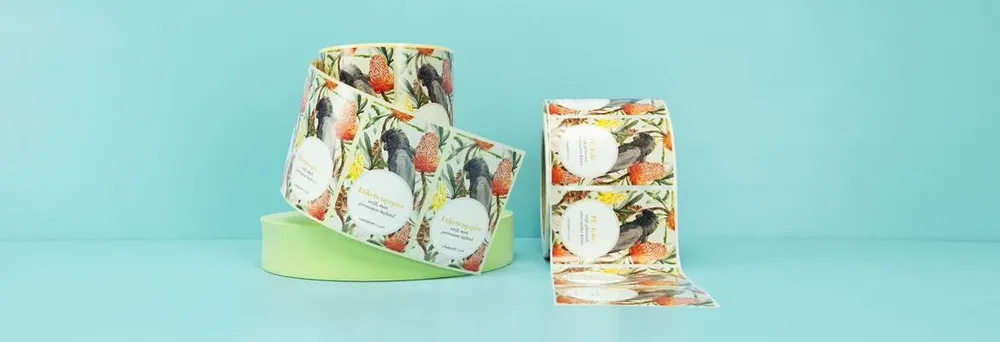
Before committing to a full production run, it's a good idea to thoroughly test and sample your personalized label designs. Ordering samples allows you to evaluate material and finish quality in person, while testing adhesion on actual product surfaces ensures proper bonding under real-world conditions. It's also important to verify barcode and QR code scanning on final materials, assess appearance under actual retail lighting conditions, and confirm durability in the product's use environment. These testing steps help identify potential issues before they become costly problems in full production. The investment in thorough testing and sampling pays off by preventing expensive mistakes, ensuring consistent quality, and confirming that the labels will perform as expected throughout the product lifecycle.
At Labelprint24, we offer a sample order service that allows you to physically evaluate our label quality and materials before placing a full order. This reduces risk and ensures satisfaction with the final product. Our sample kits include various material options, finishing techniques, and printing methods, allowing you to make informed decisions based on tangible examples rather than digital mockups alone. This hands-on approach to material selection helps ensure that your personalized labels meet both aesthetic and functional requirements. The ability to see and feel different options before committing to full production provides confidence in your choices and helps avoid unexpected surprises when labels are applied to your products.
Case Studies: Successful Label Personalization
Looking at real-world examples of successful label personalization provides valuable insights into effective implementation strategies and their market impact. These case studies show how different personalization techniques can be applied to address specific brand challenges and achieve measurable business results. By understanding how other companies have successfully used personalized labels, brands can get inspiration and practical guidance for their own packaging initiatives, avoiding common pitfalls and building on proven approaches. The concrete examples illustrate not just the creative possibilities of label personalization but also the tangible business benefits that can result from strategic implementation tailored to specific brand objectives and market contexts.
A luxury skincare brand transitioning from traditional paper labels to clear labels with selective metallic accents achieved remarkable results through this personalization strategy. Consumer testing revealed a 23% increase in perceived product value, while the distinctive shelf presence significantly improved brand recognition in the crowded beauty market. The clear labels allowed the brand to showcase the product color and texture while maintaining a cohesive luxury brand identity across diverse container shapes. Additionally, the design approach reduced the number of label variations needed for different products, streamlining production and inventory management. This case demonstrates how strategic material selection and finishing techniques can simultaneously enhance brand perception, improve operational efficiency, and create distinctive packaging that stands out in competitive retail environments.
A pharmaceutical manufacturer implementing booklet labels for their over-the-counter product line realized significant operational and marketing benefits. The company achieved a 40% reduction in packaging variations across international markets by consolidating multiple language versions into single booklet labels. This approach ensured full compliance with regulations in multiple countries while maintaining brand consistency despite varying information requirements. The organized, accessible information improved the user experience, enhancing customer satisfaction and reducing support inquiries. Our booklet labels provided the ideal solution for managing extensive information requirements without compromising on design aesthetics. The case illustrates how functional personalization can solve complex operational challenges while simultaneously improving the consumer experience and maintaining brand consistency across diverse markets.
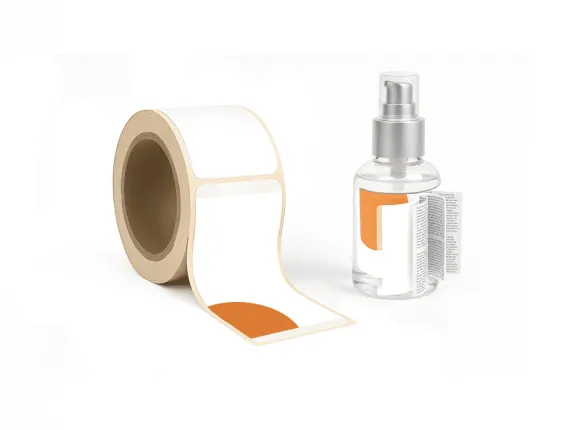
A specialty food producer implementing a digital printing strategy for seasonal label variations experienced substantial business benefits. The company saw a 15% sales increase during targeted seasonal promotions, leveraging the flexibility of digital printing to create limited editions with minimal additional cost. The approach also reduced inventory of pre-printed packaging, lowering storage costs and waste from obsolete materials. Perhaps most importantly, the digital printing strategy improved the brand's agility in responding to market trends, allowing them to quickly implement new designs based on consumer feedback or competitive developments. The flexibility of digital printing enabled the brand to maintain consistent quality while implementing personalization strategies that would have been cost-prohibitive with traditional printing methods. This case demonstrates how digital technology can transform packaging from a fixed cost center to a dynamic marketing asset that adapts to changing market conditions and consumer preferences.
Legal Considerations for Personalized Labels
While personalization offers creative opportunities, labels must still comply with relevant regulations. Understanding these requirements is essential for implementing personalization techniques that remain legally compliant while achieving marketing objectives. Different industries have specific labeling requirements that must be factored into personalization strategies. Food products must include nutritional information and allergens, pharmaceuticals require dosage, active ingredients, and warnings, and cosmetics need ingredient listings and often usage instructions. Similarly, chemicals must display hazard symbols and safety information, while consumer goods require country of origin and other standard markings. These regulatory requirements create boundaries within which personalization must operate, requiring thoughtful integration of compliance elements with brand design and marketing objectives.

Balancing creative personalization with regulatory compliance requires careful planning and design consideration. It's essential to ensure that required information remains clearly readable, specified contrast ratios for critical information are maintained, and required warning symbols and statements are preserved. When implementing interactive elements like QR codes, verify that they don't replace mandatory physical information that regulations require to appear directly on the package. Also consider how special finishes might affect the readability of required text—for example, certain metallic backgrounds may reduce contrast and readability. The strategic integration of regulatory elements into the overall design approach ensures that compliance requirements enhance rather than detract from the packaging aesthetic, creating labels that satisfy both legal obligations and marketing objectives.
For products sold in multiple countries, international considerations add another layer of complexity to label personalization. Different regions may have varying label requirements regarding content, format, and language. Language requirements differ by country, with some requiring multiple languages on a single label. Unit measurements may need to be adapted between metric and imperial systems, and certain claims and statements may be regulated differently across jurisdictions. Symbol requirements also vary, with different hazard pictograms or certification marks mandated in different markets. These variations create significant challenges for brands operating internationally, requiring sophisticated approaches to personalization that can accommodate diverse requirements while maintaining consistent brand presentation and operational efficiency.
Our comprehensive guide on legal requirements and consumer protection for labels provides detailed information on regulatory compliance across various industries and regions. Multi-layer labels, booklet labels, and digital extensions through QR codes offer effective solutions for managing these complex international requirements while maintaining brand consistency. These approaches allow brands to include all required information for multiple markets without creating separate packaging for each region, reducing costs and simplifying inventory management. The strategic use of these specialized label formats transforms regulatory compliance from a design constraint into an opportunity for innovative packaging solutions that enhance both operational efficiency and consumer experience.
Conclusion: Creating a Comprehensive Label Personalization Strategy
Effective product label personalization goes beyond individual techniques—it requires a cohesive strategy that aligns with your brand identity, meets practical requirements, and connects with your target audience. By thoughtfully implementing the personalization techniques discussed in this guide, brands can create distinctive packaging that enhances product appeal and drives consumer engagement. The most successful approaches combine aesthetic considerations with functional performance, ensuring that labels not only look attractive but also perform reliably throughout the product lifecycle. This integrated approach to personalization creates packaging that communicates brand values, meets consumer expectations, and performs effectively in real-world conditions, delivering substantial return on investment through enhanced brand perception and improved sales performance.
At Labelprint24, we offer complete solutions for all aspects of label personalization, from material selection and printing technology to finishing options and application considerations. Our expertise spans multiple industries, enabling us to provide guidance tailored to your specific product requirements and market positioning. Whether you're looking to enhance premium perception through special finishes, increase information capacity with multi-layer constructions, or implement variable data for targeted marketing, our team can help you develop and execute an effective label personalization strategy. Our consultative approach ensures that your personalization investments deliver maximum impact, addressing your specific business objectives while navigating technical constraints and regulatory requirements to create packaging that truly stands out in the marketplace.
To begin your label personalization journey, we recommend starting with a thorough assessment of your specific needs and objectives. Request samples to evaluate material options and print quality, and consult with our specialists for technical guidance specific to your products. Consider starting with smaller test runs before full-scale implementation to validate your approach and refine details. When selecting personalization techniques, consider the complete product lifecycle, including application environment, handling conditions, and expected shelf life. Finally, develop a consistent approach across your product range to strengthen brand recognition and maximize production efficiencies. This systematic approach ensures that your personalization strategy delivers consistent results across your product portfolio, creating a coherent brand experience while addressing the specific requirements of different product categories and market segments.
Explore our complete range of printed label solutions and adhesive label options to discover the perfect personalization approach for your brand. With the right strategy and execution, personalized product labels can become a powerful tool for brand differentiation and customer engagement in today's competitive marketplace. By combining aesthetic appeal with functional performance and strategic marketing integration, your product labels can do much more than identify your products—they can tell your brand story, engage consumers, and drive purchasing decisions at the critical point of sale. The investment in thoughtful label personalization delivers returns throughout the customer journey, from initial product discovery to post-purchase satisfaction, creating lasting brand impressions that build loyalty and drive repeat business.