





 BY Judith Enger IN Industry knowledge
Label Compliance and Regulations: Essential Guide for Product Packaging
Introduction to Label Compliance
In today's heavily regulated marketplace, proper product labelling represents far more than a simple marketing consideration—it constitutes a fundamental legal requirement with profound implications for businesses across all sectors and geographical regions. Regulatory compliance for product labels encompasses multiple industries and jurisdictions, with highly specific requirements for different product categories that continue evolving as consumer protection standards advance globally. At Labelprint24, we possess comprehensive expertise in navigating the complexities of label compliance, offering sophisticated solutions that seamlessly meet both stringent legal requirements and ambitious brand objectives whilst ensuring your products achieve market access without unnecessary delays or regulatory obstacles.
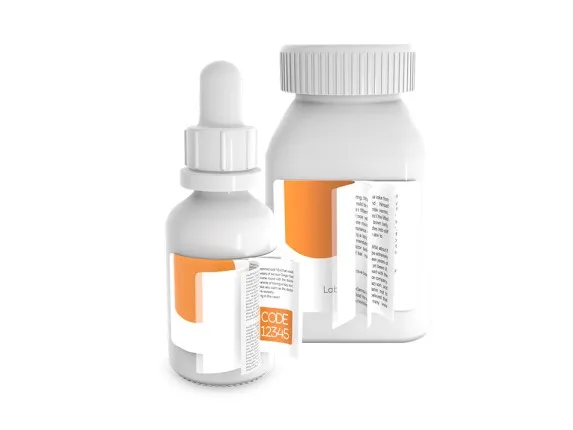
Modern label compliance framework encompasses numerous critical elements that businesses must carefully consider:
- Comprehensive Information Requirements: Detailed ingredient lists, warning statements, and product identification data that must be presented clearly and accurately
- Manufacturer Accountability: Complete contact information and responsibility statements that enable consumer communication and regulatory enforcement
- Safety Communication: Hazard warnings, usage instructions, and emergency contact information that protect consumer wellbeing
- Traceability Elements: Batch numbers, production dates, and supply chain information that support quality control and recall management
- Market-Specific Requirements: Regional variations in language, content, and format requirements that accommodate local regulations
- Accessibility Standards: Font sizes, contrast requirements, and format specifications that ensure information accessibility for all consumers
Non-compliance with labelling regulations can result in devastating consequences including product recalls, substantial financial penalties sometimes exceeding £250,000 per violation, and severe damage to brand reputation that may require years to repair through extensive remediation efforts. Many companies underestimate the intricate complexity of compliance requirements until they face these severe consequences directly, often discovering that regulatory violations can trigger cascading effects including distributor contract cancellations, retail delisting, and consumer confidence erosion. The financial impact extends beyond immediate penalties to include legal costs, product replacement expenses, and long-term market share losses that can fundamentally alter business trajectories.
The regulatory landscape for product labelling continues evolving rapidly, with new requirements being introduced regularly as scientific understanding advances and consumer protection priorities shift toward greater transparency and safety. Professional label solutions must demonstrate exceptional adaptability to accommodate these regulatory changes whilst maintaining brand consistency and product appeal throughout extended product lifecycles. Industry experts estimate that regulatory requirements for product labels have increased by approximately 30% over the past decade, with this accelerating trend showing no signs of deceleration as consumer advocacy groups and regulatory agencies continue pushing for enhanced disclosure and safety standards across all product categories.
Understanding Regulatory Authorities and Requirements
Multiple government agencies exercise oversight authority for labelling requirements depending on specific product categories, creating an intricate regulatory framework that manufacturers must navigate with exceptional precision and ongoing vigilance. Understanding which agencies hold jurisdiction over your products constitutes the foundation of effective compliance planning, as different authorities maintain distinct requirements, enforcement approaches, and penalty structures that can significantly impact business operations. The complexity of this regulatory environment requires businesses to maintain comprehensive compliance management systems that track requirements across multiple jurisdictions and product categories simultaneously.
Key regulatory authorities maintain oversight across different product categories:
- Food and Drug Administration (FDA): Governs food products, cosmetics, pharmaceuticals, and medical devices with comprehensive labelling requirements covering ingredients, nutrition, and safety warnings
- Food Safety and Inspection Service (FSIS): Oversees meat, poultry, and processed egg products with specific requirements for pathogen warnings and handling instructions
- Consumer Product Safety Commission (CPSC): Regulates consumer products with emphasis on hazard warnings, age restrictions, and safety instructions for household items
- Federal Trade Commission (FTC): Monitors advertising claims and marketing statements to prevent misleading consumer information and false advertising
- Environmental Protection Agency (EPA): Controls pesticide labelling and environmental hazard communication for chemical products and agricultural applications
- Department of Transportation (DOT): Manages hazardous materials labelling for shipping and transportation safety across interstate commerce

These comprehensive regulations derive from numerous federal legislative acts including the Federal Food, Drug, and Cosmetic Act, Fair Packaging and Labelling Act, Federal Hazardous Substances Act, and Consumer Product Safety Act, each establishing specific requirements with distinct enforcement mechanisms and penalty structures. State-level regulations frequently impose additional requirements beyond federal standards, particularly for specialised products such as cannabis products, alcoholic beverages, and certain chemicals, creating additional compliance complexity for businesses operating across multiple jurisdictions. Each regulatory body maintains specific enforcement priorities and penalty structures that must be carefully considered in compliance planning, with violations potentially resulting in warnings, substantial fines, or complete market removal orders that can devastate business operations.
Regardless of specific industry classification, certain core elements must appear on virtually all product labels to meet fundamental compliance standards across regulatory jurisdictions. These universal requirements form the foundation of compliant labelling and serve as the starting point for developing comprehensive compliance strategies that address both general and industry-specific requirements. Understanding these fundamental elements enables businesses to establish baseline compliance systems that can be enhanced with category-specific requirements as needed for particular product lines or market segments.
Universal labelling compliance elements include:
- Product Identity and Description: Clear, accurate product names and descriptions that enable consumer identification and regulatory classification
- Manufacturer Information: Complete company details including legal business name, physical address, and contact information for consumer inquiries and regulatory communication
- Quantity Declarations: Accurate net quantity or contents measurements presented in both metric and imperial units as required by jurisdiction
- Safety Warnings: Appropriate hazard communication and safety information relevant to product category and intended use
- Distribution Information: Details about importers, distributors, or packers when different from manufacturer for supply chain accountability
- Country of Origin: Manufacturing location information required for international trade and consumer transparency
At Labelprint24, we maintain current expertise across all relevant regulatory requirements through comprehensive ongoing training programmes and strategic industry partnerships that ensure our custom packaging solutions and labels consistently meet or exceed compliance standards across diverse industries and international markets. Our dedicated compliance specialists continuously monitor regulatory developments and provide expert guidance on meeting both current requirements and emerging regulations that may impact future product launches. This specialised knowledge enables businesses to navigate the complex regulatory landscape efficiently whilst maintaining strong brand identity and consumer appeal without compromising legal compliance or market access requirements.
Industry-Specific Labelling Requirements
Cosmetic Product Labelling
Cosmetic products require highly specialised labelling elements designed to comply with comprehensive regulations that prioritise consumer health protection and transparency throughout the supply chain. The cosmetics industry operates under increasingly stringent regulatory frameworks that demand precise ingredient disclosure, safety communication, and manufacturer accountability to ensure consumer safety whilst enabling informed purchasing decisions. These requirements reflect growing consumer awareness of cosmetic ingredients and their potential effects, driving regulatory agencies to mandate more comprehensive disclosure and safety information across all cosmetic product categories.
Essential cosmetic labelling requirements encompass multiple critical elements:
- Complete Ingredient Lists: Comprehensive ingredient disclosure using International Nomenclature of Cosmetic Ingredients (INCI) names in descending order of concentration
- Safety Warnings: Specific hazard communication for products containing potentially sensitising ingredients, sun protection factors, or age-restriction recommendations
- Manufacturer Identification: Complete company information including legal business name, physical address, and customer service contact details for consumer inquiries
- Country of Origin: Manufacturing location disclosure required for imported cosmetics and customs compliance documentation
- Expiration Information: Period After Opening (PAO) symbols and expiration dates where required for product safety and efficacy
- Net Content Declaration: Accurate quantity measurements in appropriate units for consumer value comparison and regulatory compliance
In the United States, cosmetic labelling operates under FDA regulation through the Federal Food, Drug, and Cosmetic Act, which specifically prohibits the marketing of adulterated or misbranded cosmetics whilst establishing detailed requirements for ingredient disclosure and safety communication. The European Union maintains its own comprehensive regulatory framework under the Cosmetic Products Regulation (EC) No 1223/2009, which often imposes more stringent requirements than U.S. standards including enhanced safety assessments and detailed ingredient restrictions. These regulations specify precise technical requirements including minimum font sizes (typically 1.2mm x-height), specific placement of information on packaging, and mandatory warnings for certain ingredient categories such as sunscreens, alpha hydroxy acids, and preservative systems that may cause sensitisation in susceptible individuals.

Our perfume labels are meticulously engineered to provide perfume bottles with elegant brand presentation whilst meeting all comprehensive regulatory requirements for cosmetic products across international markets. These specialised labels demonstrate exceptional performance characteristics including superior adhesion to glass, plastic, or metal containers with reliable bonding even on complex curved surfaces, exceptional print quality achieving up to 4800 DPI resolution for precise text reproduction, and premium appearance that enhances luxury product positioning through sophisticated material selection and finishing options. Cosmetic industry specialists recognise that proper labelling not only ensures regulatory compliance but significantly influences consumer perception of product quality, safety, and brand credibility throughout the purchasing decision process.
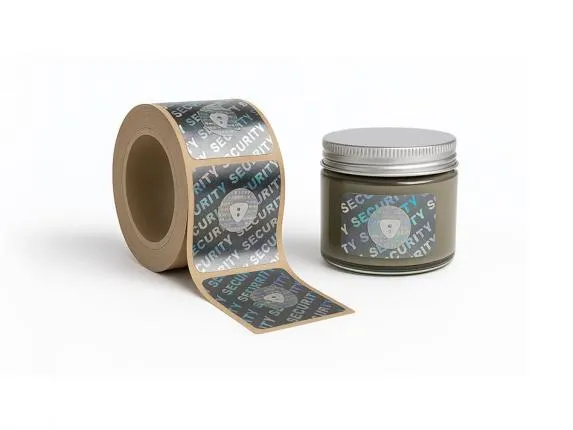
With production capabilities starting from just 48 hours, we ensure cosmetic products can reach market quickly without compromising on compliance accuracy or aesthetic excellence that drives consumer preference. For enhanced security requirements, our security labels for cosmetic products provide reliable tamper protection for cosmetic packaging, addressing both regulatory requirements and consumer safety concerns through sophisticated security features. These specialised labels offer visible evidence of tampering whilst accommodating custom branding options, ensuring both regulatory compliance and brand integrity throughout complex distribution networks where products may pass through multiple handlers before reaching consumers.
Security features have become increasingly important in protecting consumers and brands from counterfeit products, which represent a growing concern in the cosmetics industry with global losses estimated at over £5.4 billion annually according to international trade monitoring organisations. These comprehensive security measures are evolving into mandatory elements for premium cosmetic brands and products exported to certain international markets where counterfeiting poses significant consumer safety risks. The integration of security features with compliance labelling provides a comprehensive approach to consumer protection that addresses both regulatory requirements and brand protection objectives simultaneously.
Food and Beverage Labelling
Food and beverage products operate under some of the most stringent labelling requirements in any consumer product category because they directly impact consumer health, safety, and nutritional wellbeing. These comprehensive regulations ensure consumers have access to critical information about food contents, nutritional value, potential allergens, and safety considerations that enable informed purchasing decisions whilst protecting public health through comprehensive hazard communication. The complexity of food labelling requirements reflects the diverse nature of food products, varying nutritional needs across consumer populations, and the critical importance of preventing adverse reactions in sensitive individuals through accurate allergen disclosure and safety warnings.
Comprehensive food labelling requirements include numerous mandatory elements:
- Complete Ingredient Lists: All ingredients listed in descending order by weight using standardised naming conventions with specific requirements for sub-ingredients and processing aids
- Standardised Nutrition Information: Nutrition Facts panels following precise formatting guidelines with accurate serving size calculations and nutrient density information
- Allergen Declarations: Clear identification of major food allergens using standardised warning language and prominent placement requirements for consumer safety
- Net Weight Measurements: Accurate quantity declarations in standardised units with specific tolerance requirements for measurement accuracy
- Manufacturer Information: Complete identification of manufacturer, packer, or distributor with physical address and contact information for consumer inquiries
- Country of Origin: Source identification for certain products including meat, fish, and fresh produce as required by trade regulations
Food allergen labelling constitutes a particularly critical compliance area, as undeclared allergens represent one of the primary causes of food recalls, accounting for nearly 40% of all food safety recalls in recent years according to regulatory agency statistics. In the United States, the Food Allergen Labelling and Consumer Protection Act (FALCPA) mandates that the eight major food allergens (milk, eggs, fish, crustacean shellfish, tree nuts, peanuts, wheat, and soybeans) be clearly identified either within ingredient lists or through separate "Contains" statements positioned immediately after ingredient declarations. In 2023, sesame was designated as the ninth major allergen requiring declaration, creating new compliance obligations for numerous food manufacturers and requiring comprehensive label updates across affected product lines.
The European Union recognises 14 major allergens that must be prominently highlighted within ingredient lists using standardised formatting requirements, creating additional complexity for products intended for international distribution across multiple regulatory jurisdictions. These comprehensive allergen requirements reflect growing awareness of food allergies and their potential severity, with regulatory agencies prioritising consumer protection through enhanced disclosure requirements that enable sensitive individuals to make safe product choices.
For frozen food products requiring comprehensive information in challenging environmental conditions, Labelprint24 offers specialised booklet labels for frozen goods that address the unique challenges of cold-chain labelling whilst providing extensive content capacity. These sophisticated multi-page labels accommodate comprehensive regulatory information whilst withstanding freezer conditions as low as -40°C without adhesive failure or material degradation that could compromise information accessibility. The innovative booklet format enables inclusion of multiple languages, detailed nutritional information, comprehensive preparation instructions, and promotional content without creating cluttered packaging design that could compromise consumer appeal or regulatory compliance.

Food science specialists emphasise that maintaining label integrity throughout freezer environments constitutes an essential requirement not only for regulatory compliance but for food safety assurance, as detached or illegible labels can lead to improper product handling, preparation errors, or consumption by individuals with relevant food allergies. Our specialised food labels utilise materials that comply with comprehensive food safety regulations including FDA 21 CFR requirements for food contact materials whilst demonstrating exceptional performance across diverse environmental conditions from freezer storage through high humidity processing environments.
The exceptional durability of these specialised labels ensures regulatory information remains accessible and legible throughout complete product lifecycles from initial production through retail display and consumer use scenarios. Food packaging specialists consistently recommend comprehensive testing of label materials under actual usage conditions to verify performance characteristics throughout expected product lifecycles, ensuring continued compliance from production through consumption whilst maintaining consumer safety and regulatory adherence across all distribution and storage conditions.
Chemical and Hazardous Product Labelling
Products containing chemicals or potentially hazardous substances require highly specialised labelling systems that clearly communicate potential risks and comprehensive safety procedures to protect users, communities, and environmental systems from potential harm. These sophisticated labelling requirements encompass multiple information categories including hazard identification, risk communication, safety procedures, and emergency response protocols that collectively ensure safe handling, storage, and disposal throughout product lifecycles. The regulatory framework for chemical product labelling continues evolving to address emerging chemical risks and harmonise international safety standards that facilitate global trade whilst maintaining high consumer and environmental protection standards.
Comprehensive chemical labelling requirements encompass multiple critical safety elements:
- Standardised Hazard Pictograms: Internationally recognised visual symbols that immediately communicate specific dangers including toxicity, flammability, corrosivity, and environmental hazards
- Signal Words: Standardised terms ("Danger" for severe hazards, "Warning" for moderate hazards) that indicate relative risk levels for immediate hazard assessment
- Detailed Hazard Statements: Specific descriptions of chemical dangers using standardised language that precisely communicates the nature and severity of potential risks
- Comprehensive Precautionary Statements: Detailed instructions for preventive measures, safe handling procedures, and emergency response protocols tailored to specific chemical hazards
- First Aid Information: Immediate response instructions for various exposure scenarios including inhalation, skin contact, and ingestion emergencies
- Supplier Identification: Complete manufacturer or distributor information with emergency contact details available 24 hours for crisis response coordination
The Globally Harmonised System (GHS) provides standardised international approaches to chemical classification and labelling designed to facilitate international trade whilst ensuring consistent hazard communication across different regulatory jurisdictions. However, implementation varies significantly by region with country-specific adaptations that reflect local regulatory priorities, enforcement capabilities, and market conditions. Chemical labelling regulations are specifically designed to protect workers, consumers, and environmental systems from potential chemical hazards through clear, comprehensive communication of risks and detailed safety information that enables proper handling and emergency response.
Industrial safety specialists estimate that proper hazard communication through effective chemical labelling can reduce workplace chemical incidents by up to 40% through improved hazard awareness and appropriate safety procedure implementation. Non-compliance with chemical labelling regulations can result in substantial penalties often exceeding £100,000 per violation whilst creating significant liability risks if improper labelling contributes to worker injury, consumer harm, or environmental damage that could have been prevented through appropriate hazard communication.
Our PP labels demonstrate exceptional suitability for chemical products through superior resistance to chemicals, moisture, and mechanical damage that could compromise safety information accessibility. These advanced polypropylene-based labels maintain readability and secure adhesion even when exposed to harsh chemical environments including acids, bases, solvents, and industrial cleaning agents, ensuring that critical safety information remains available to users throughout product lifecycles. Comprehensive chemical resistance testing confirms these labels maintain structural integrity even after prolonged exposure to common industrial chemicals, far exceeding the performance characteristics of standard paper alternatives.
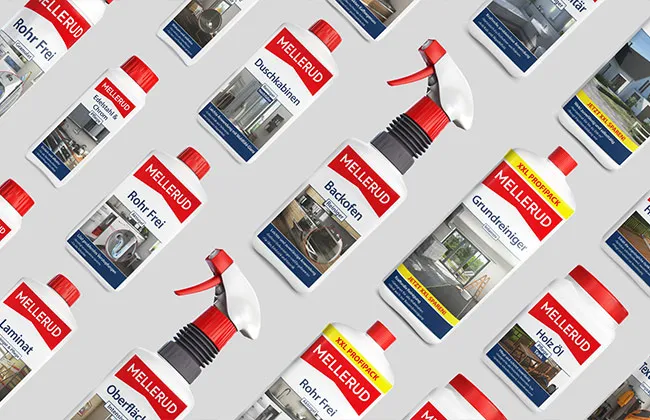
As demonstrated in our comprehensive Mellerud case study, we possess extensive experience creating compliant labels for chemical products across diverse categories whilst maintaining brand identity and consumer appeal. Our successful collaboration with Mellerud, a leading manufacturer of cleaning and care products, illustrates our capability to produce labels that meet complex regulatory requirements for hazardous household chemicals whilst enhancing brand presence through consistent design excellence and superior print quality. This case study demonstrates the critical importance of balancing regulatory compliance with brand identity in chemical product labelling, showing how effective design integration can incorporate mandatory hazard information without compromising brand aesthetics or consumer engagement that drives market success.
Material Selection for Compliant Labels
The selection of appropriate label materials significantly impacts both regulatory compliance and performance characteristics throughout complete product lifecycles, with material properties directly affecting label durability, information legibility, and adhesive performance under various environmental conditions. Different regulatory environments and specific product applications demand particular material characteristics to ensure labels remain structurally intact and fully readable despite exposure to diverse environmental stresses, physical handling, and chemical interactions throughout distribution and use. Material science specialists emphasise that no single label material provides optimal performance across all applications, making careful material selection a critical consideration in developing compliant labels that maintain regulatory information accessibility in their intended operating environments.
Critical factors influencing material selection include numerous performance characteristics:
- Environmental Resistance: Tolerance to moisture, temperature extremes, UV radiation, and chemical exposure throughout expected product lifecycles
- Substrate Compatibility: Adhesive performance on specific surfaces including glass, plastic, metal, and cardboard with varying surface energies and textures
- Durability Requirements: Resistance to scratching, tearing, and abrasion during handling, transportation, and consumer use scenarios
- Regulatory Compliance: Material safety for intended applications including food contact approval and chemical compatibility requirements
- Application Conditions: Performance during label application including temperature, humidity, and surface preparation requirements
- Lifecycle Performance: Maintaining adhesion and readability throughout complete product lifecycles from manufacturing through disposal
Understanding these critical performance factors enables development of labels that maintain regulatory compliance throughout complete product lifecycles from manufacturing through consumer use, ensuring that essential safety and regulatory information remains accessible when needed. The consequences of inappropriate material selection can include label failure that results in missing regulatory information and potential compliance violations that expose businesses to significant liability and regulatory enforcement actions.
Film-Based Labels for Enhanced Durability
Film-based labels manufactured from advanced synthetic materials such as polypropylene (PP), polyethylene (PE), or polyester (PET) offer significantly enhanced durability and resistance characteristics compared to traditional paper alternatives, making them particularly valuable for demanding applications where environmental stress could compromise label integrity. These sophisticated synthetic materials provide exceptional stability under challenging environmental conditions, making them ideally suited for products exposed to harsh operating environments including outdoor applications, high-humidity bathroom environments, or demanding industrial settings where standard materials would quickly deteriorate.
Film-based labels provide numerous performance advantages for demanding applications:
- Moisture Resistance: Waterproof construction prevents delamination and print degradation in humid or wet conditions
- Chemical Compatibility: Superior resistance to oils, solvents, and cleaning agents that could damage paper-based alternatives
- Temperature Stability: Maintains integrity across wide temperature ranges from freezing to elevated temperatures without dimensional changes
- UV Protection: Resists colour fading and material degradation from prolonged sunlight exposure in outdoor applications
- Mechanical Durability: Withstands scratching, abrasion, and repeated handling without compromising information legibility
- Longevity Performance: Maintains appearance and functionality 3-5 times longer than paper alternatives under challenging conditions
The exceptional durability characteristics of film labels make them particularly valuable for products that experience moisture exposure, oil contact, or chemical interaction during normal use where paper labels would rapidly deteriorate and compromise regulatory information accessibility. Materials scientists have demonstrated that properly selected film labels maintain structural integrity for 3-5 times longer than paper alternatives under challenging environmental conditions, providing superior return on investment for demanding applications. Examples include cosmetics used in shower environments, personal care products containing oils or solvents, household cleaners with potentially corrosive ingredients, and industrial chemicals requiring long-term hazard communication throughout extended storage and use periods.
Our PP labels demonstrate exceptional strength characteristics and versatile application capabilities across diverse substrate materials through specially formulated adhesive systems optimised for various surface types. These advanced labels resist oils, chemicals, and moisture exposure with comprehensive laboratory testing confirming resistance to over 30 common household and industrial chemicals without significant structural or aesthetic degradation. Our sophisticated online estimation system enables immediate pricing and rapid ordering with production lead times as short as 3-5 business days for standard configurations, providing exceptional responsiveness for urgent compliance requirements.
For specialised cosmetic applications, our perfume labels utilise advanced film materials engineered for precise adhesion to complex curved surfaces whilst maintaining the premium appearance essential for luxury product positioning. These labels demonstrate exceptional resistance to product exposure including alcohols and oils that could rapidly damage standard paper labels within weeks of application, ensuring long-term compliance and brand presentation integrity. Cosmetic packaging engineers recognise that label integrity becomes particularly critical for products with extended shelf lives sometimes exceeding 36 months, where material failure could compromise both regulatory compliance and brand credibility throughout the market lifecycle.
Paper-Based Labels for Alternative Applications
For applications where cost considerations and specific performance requirements align with paper-based solutions, these traditional labelling materials continue offering value for products with shorter lifecycles or controlled environmental conditions. Paper-based labels demonstrate excellent printability characteristics that enable sharp, detailed reproduction of regulatory information through superior ink absorption properties that create crisp text and graphics essential for comprehensive compliance content. These materials remain suitable for many applications where exposure to moisture, aggressive chemicals, or rough handling remains limited throughout expected use scenarios.
Paper-based labels provide numerous performance and practical benefits:
- Excellent Printability: Superior ink absorption enabling crisp text reproduction even at small font sizes required for comprehensive regulatory content
- Cost Effectiveness: Lower material costs making them economical for high-volume applications with standard performance requirements
- Versatile Options: Available in various weights, textures, and finishes to meet diverse application requirements
- Enhanced Finishes: Compatible with protective varnishes and laminates that improve durability whilst maintaining basic paper characteristics
- Processing Compatibility: Works well with various printing technologies including digital, flexographic, and thermal transfer systems
- Wide Availability: Readily available in standard formats with shorter lead times for urgent requirements
Paper labels demonstrate particular suitability for products with shorter lifecycles or those stored in controlled environments where exposure to moisture, aggressive chemicals, or rough handling remains limited throughout expected use scenarios. These materials offer exceptional printability for detailed regulatory information through superior ink absorption characteristics that enable sharp, legible text reproduction even at minimum font sizes mandated for extensive regulatory content. Paper labels can be enhanced with various finishing treatments to improve appearance and moderate durability characteristics, including protective varnishes and specialised laminates that provide measured moisture resistance whilst maintaining basic material characteristics.
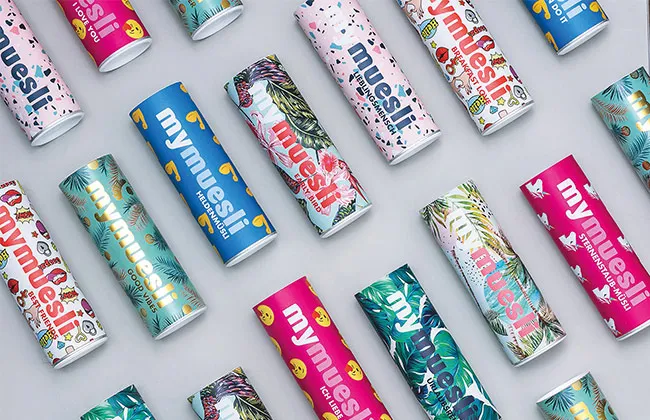
Our comprehensive collaboration with mymuesli, detailed in our extensive case study, demonstrates how paper-based labels successfully achieve both regulatory compliance and visual appeal for complex food products whilst supporting practical packaging requirements. The custom labels developed for mymuesli incorporate comprehensive nutritional information and detailed allergen warnings whilst utilising high-quality papers and specialised printing techniques that deliver excellent visual results. For brands seeking cost-effective labelling solutions that meet regulatory requirements whilst maintaining attractive presentation, paper labels provide effective pathways to achieve compliance objectives within budget constraints.
We also provide counter displays with crash lock bases manufactured from sturdy cardboard materials with various finish options. These sophisticated displays provide additional space for regulatory information at crucial points of sale, complementing primary product labels with expanded content capacity that accommodates detailed usage instructions, comprehensive safety information, and promotional claims that must meet regulatory standards. Retail merchandising specialists recognise that these supplementary information displays significantly increase consumer confidence whilst reducing compliance risks through comprehensive information provision at critical purchase decision points.
Specialised Materials for Extreme Requirements
Certain demanding regulatory environments and challenging application conditions require highly specialised label materials engineered to ensure continued compliance under extreme or unusual operating conditions that would cause standard materials to fail catastrophically. Products exposed to extreme temperature variations ranging from cryogenic storage (-196°C) to high-temperature applications (200°C+), prolonged UV radiation exposure in outdoor environments, or aggressive chemical contact may require labels with enhanced resistance properties specifically developed for these demanding environments through advanced materials science and specialised manufacturing processes.
Specialised materials address extreme operating conditions through advanced engineering:
- Cryogenic Applications: Ultra-low temperature labels maintaining flexibility and adhesion at -196°C for laboratory and medical applications
- High-Temperature Resistance: Materials withstanding elevated temperatures up to 200°C+ for industrial equipment and automotive applications
- UV Stabilisation: Enhanced materials resisting colour fading and degradation from prolonged outdoor sunlight exposure
- Chemical Resistance: Specialised polymers withstanding aggressive solvents, acids, and cleaning agents without degradation
- Tamper Evidence: Security materials providing immediate visual indication of unauthorised access or manipulation
- Extended Durability: Engineered materials maintaining integrity 5-10 times longer than standard alternatives under extreme conditions
Materials scientists have developed sophisticated label substrates that withstand these extreme conditions through modified polymer structures, specialised adhesive formulations, and protective coating systems that maintain label integrity under conditions where conventional materials would quickly fail. These advanced materials ensure regulatory information remains accessible and labels maintain secure attachment throughout complete product lifecycles, even under challenging environmental conditions where standard materials would rapidly degrade or detach, potentially creating compliance violations and safety risks.
For demanding frozen product applications, our labels for frozen goods are engineered with specialised adhesive systems and substrate materials designed to maintain secure adhesion and information readability at temperatures as low as -40°C throughout extended cold storage periods. These specialised materials ensure regulatory information remains accessible throughout comprehensive cold chain distribution from production facilities through retail display and consumer storage applications. Cold chain packaging engineers confirm that standard adhesive systems typically fail below -10°C, making specialised formulations absolutely essential for reliable frozen food applications where nutritional information, allergen warnings, and preparation instructions must remain continuously accessible to consumers.
We also provide thermal transfer wax/resin ribbons optimised for on-demand printing of variable regulatory information including batch numbers, expiration dates, and comprehensive traceability data required by stringent regulations across pharmaceutical, food, and chemical industries. These specialised ribbons produce exceptionally durable, high-contrast prints that resist smudging and fading even when exposed to normal handling, light exposure, and moderate chemical contact throughout typical storage and use scenarios. Comprehensive quality control testing demonstrates these prints maintain full readability for 18-24 months under normal storage conditions, ensuring long-term compliance with traceability requirements that continue becoming increasingly stringent across multiple industries.
Multi-Layer and Extended Content Labelling Solutions
When comprehensive regulatory requirements demand substantially more information than can be accommodated on standard label formats whilst maintaining mandatory font sizes for accessibility and readability, multi-layer and extended content labels provide sophisticated solutions that address the growing challenge of information density without compromising package design integrity or brand aesthetics. These innovative labelling formats effectively multiply available surface area by 200-300% without increasing package footprint, enabling comprehensive regulatory compliance whilst preserving attractive product presentation that drives consumer preference and purchasing decisions.
The evolution towards complex regulatory information requirements reflects several industry trends:
- Expanded Disclosure Requirements: Regulatory agencies increasingly mandate comprehensive ingredient information, safety warnings, and usage instructions
- Multilingual Compliance: Global distribution requires product information in multiple languages without separate packaging for each market
- Consumer Transparency Demands: Growing consumer expectations for detailed product information and company accountability
- Traceability Requirements: Enhanced supply chain documentation and batch tracking information for safety and quality assurance
- Safety Communication: Comprehensive hazard information and emergency response procedures for chemical and pharmaceutical products
- Marketing Integration: Promotional content and brand messaging that must coexist with mandatory regulatory information
Regulatory compliance experts report that average required content on consumer product labels has increased approximately 30% over the past decade due to expanded ingredient disclosure requirements, multilingual content mandates, and additional warning statements across multiple product categories. As regulatory frameworks continue evolving toward greater transparency and consumer protection, these space-efficient labelling solutions become increasingly valuable for maintaining compliance without sacrificing packaging appeal or requiring package size increases that could affect cost structures and market positioning.
Multi-layer labels provide particular value for products requiring compliance across multiple international markets, each maintaining different language requirements and content standards that would be impossible to accommodate using standard labelling approaches. Industry research indicates multilingual requirements can increase necessary label space by 40-200% depending on the number of languages and complexity of regulatory content, making conventional labelling approaches impractical for global distribution strategies. These innovative formats enable manufacturers to include comprehensive required information without creating separate packaging for each market, streamlining production and inventory management whilst ensuring compliance across diverse jurisdictions with varying regulatory requirements.
Booklet Labels for Comprehensive Information Management
Booklet labels represent sophisticated labelling constructions consisting of multiple pages that can be opened to reveal extensive regulatory and product information, making them ideally suited for products with detailed compliance requirements that far exceed space available on traditional single-layer labels. These advanced label systems can accommodate 2-32 pages depending on specific information requirements, providing adequate space for comprehensive multilingual content (sometimes accommodating up to 10 languages for global products), detailed safety instructions and disposal procedures, extensive ingredient lists with required regulatory disclosures, and supplementary content that would be impossible to include on standard labels without reducing font sizes below regulatory minimum requirements.
Booklet labels offer comprehensive advantages for information-intensive applications:
- Massive Content Capacity: Provides up to 1200% more printable surface area compared to traditional labels of equivalent dimensions
- Regulatory Flexibility: Accommodates varying requirements across multiple markets without package redesign or inventory multiplication
- Information Organisation: Enables logical content sequencing with clear navigation between regulatory and marketing information
- Brand Protection: Maintains clean package appearance when closed whilst providing comprehensive information when accessed
- Cost Efficiency: Reduces need for market-specific packaging variations by up to 80% according to supply chain analyses
- Consumer Accessibility: Provides information on demand without overwhelming primary package presentation
The sophisticated multi-page design of booklet labels enables manufacturers to include extensive regulatory information without compromising marketing elements or brand presentation that drive consumer purchase decisions and brand loyalty. This proves particularly valuable for pharmaceutical products requiring extensive dosing and safety information, chemical products with detailed hazard communications, and other items with complex labelling requirements driven by regulatory framework complexity. Booklet labels can be engineered with various opening mechanisms and page configurations to accommodate specific product and information requirements, including accordion fold designs, bound booklet constructions, and hybrid approaches that combine permanent and removable information sections.
Our booklet labels for frozen goods offer multiple content pages whilst maintaining secure adhesion in challenging freezer environments as cold as -40°C through specialised adhesive formulations engineered for extreme temperature applications. These labels accommodate comprehensive nutritional information, multiple language requirements to support international distribution strategies, detailed usage instructions, and regulatory compliance statements without cluttering primary packaging or reducing font sizes below accessibility thresholds. Food packaging specialists confirm these booklet constructions maintain structural integrity through repeated freeze-thaw cycles that would cause standard labels to fail catastrophically.
Booklet labels provide exceptional value for international products requiring compliance with labelling requirements across multiple markets with different language requirements and varying regulatory standards. By consolidating all required information within a single sophisticated label construction, manufacturers can streamline packaging processes whilst ensuring comprehensive compliance across jurisdictions without sacrificing content clarity or readability. Supply chain analysts estimate this approach reduces market-specific packaging variations by up to 80%, substantially simplifying inventory management and production planning whilst reducing compliance risks associated with market-specific packaging errors that could result in regulatory violations.
Multi-Layer Labels for Optimised Space Efficiency
Multi-layer labels provide additional content accommodation whilst maintaining streamlined package appearance through sophisticated construction techniques that enable content revelation without the bulk associated with booklet formats. These advanced labels feature multiple layers that can be peeled back to reveal additional comprehensive information, effectively doubling or tripling available content space whilst maintaining conventional label appearance when closed. The primary layer typically displays essential regulatory information and critical branding elements required for immediate product identification, whilst underlying layers contain additional details including expanded ingredient lists, comprehensive usage instructions, and detailed safety information required for complete regulatory compliance.
Multi-layer label systems provide numerous advantages for space-constrained applications:
- Compact Design: Maintains conventional label appearance whilst providing 200-300% additional content capacity
- Information Hierarchy: Enables prioritisation of critical information on outer layer whilst providing access to supplementary details
- User Experience: Allows consumers to access detailed information as needed without information overload on primary presentation
- Manufacturing Efficiency: Reduces packaging variations whilst maintaining compliance across multiple regulatory jurisdictions
- Cost Optimisation: Saves 15-25% in overall packaging costs compared to increasing primary package size for expanded content
- Brand Consistency: Maintains visual brand presentation whilst accommodating comprehensive regulatory requirements
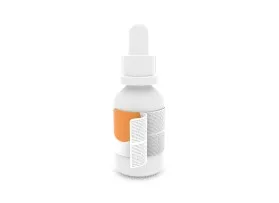
The multi-layer approach demonstrates particular effectiveness for products with limited packaging space but extensive regulatory requirements, including small cosmetic containers, over-the-counter medications, and speciality food products where comprehensive information must be provided without overwhelming package design. By organising information across multiple accessible layers, manufacturers can prioritise critical content on outer surfaces whilst providing comprehensive additional details accessible to consumers as needed. Usability studies demonstrate this layered approach helps consumers locate essential information quickly whilst ensuring complete regulatory compliance without information overload that could impair purchase decisions.
Our multi-layer labels with 3 pages provide three distinct content surfaces whilst maintaining clean, professional appearance on products when closed for retail display. These sophisticated labels prove ideal for pharmaceutical products, chemical products, and other items requiring extensive regulatory information but having limited packaging space due to product size constraints or established design parameters. The three-page configuration offers 300% more content capacity than standard labels whilst maintaining streamlined package appearance, enabling comprehensive content inclusion without requiring package redesign or size increases that could affect cost structures and market positioning.
The sophisticated multi-layer design enables critical regulatory information to remain permanently visible on outer layers whilst supplementary details become accessible through peeling mechanisms when needed, utilising specialised adhesive systems that accommodate multiple opening and closing cycles without performance degradation. This ensures essential safety information remains immediately available to users whilst providing comprehensive access to additional regulatory content as required for detailed reference. Regulatory compliance experts recognise this information organisation approach helps manufacturers meet increasingly complex compliance requirements across multiple markets whilst maintaining superior package design and optimal user experience that supports brand positioning and consumer preference.
Security and Tamper-Evident Labelling
For specific product categories including pharmaceuticals, food products, cosmetics, and high-value consumer goods, sophisticated security features constitute essential components of regulatory compliance that address both consumer safety concerns and comprehensive brand protection requirements simultaneously. Tamper-evident labels provide immediate visual indication when packages have been opened or tampered with following manufacturing, helping protect consumers from potentially dangerous product interference whilst maintaining product integrity throughout complex distribution networks where products may pass through multiple handlers before reaching end consumers.
Security labelling serves multiple critical functions in comprehensive regulatory compliance frameworks:
- Counterfeiting Prevention: Sophisticated features that are extremely difficult to reproduce without specialised equipment and expertise
- Tampering Protection: Immediate visual indicators that reveal unauthorised package access or product manipulation
- Product Authentication: Multiple verification levels including both overt and covert security elements for comprehensive verification
- Supply Chain Security: Track-and-trace capabilities that support comprehensive supply chain visibility and recall management
- Consumer Confidence: Visible security features that reassure consumers about product authenticity and safety
- Regulatory Compliance: Meeting explicit security requirements mandated by regulatory agencies for specific product categories
Security features have evolved significantly in sophistication due to growing counterfeiting challenges, with global counterfeit product losses estimated at over £1.8 trillion annually according to international trade monitoring organisations. These comprehensive security features prove particularly critical for pharmaceuticals, food products, and high-value consumer goods where authenticity and integrity directly impact consumer safety and brand credibility throughout market lifecycles. As concerns about product counterfeiting and tampering continue growing, with incidents increasing approximately 15% annually across many consumer product categories, security labelling has become an increasingly important regulatory compliance aspect across diverse industries.
Security Labels for Comprehensive Product Authentication
Security labels incorporate multiple sophisticated features designed to verify product authenticity and provide robust protection against counterfeiting whilst addressing both regulatory requirements and brand protection objectives through advanced technology integration. These comprehensive features may include sophisticated holographic elements with multiple verification levels, colour-shifting inks that change appearance when viewed from different angles, microtext visible only under magnification, specialised taggants detectable exclusively with proprietary reading equipment, and other advanced elements that prove extremely difficult to replicate without access to specialised manufacturing equipment and technical expertise.
Advanced security features provide multiple layers of protection and verification:
- Overt Security Elements: Visible features like holograms and colour-shifting inks that enable immediate consumer verification
- Covert Security Features: Hidden elements detectable only with specialised equipment for forensic authentication and investigation
- Digital Integration: QR codes and unique identifiers that connect to authentication databases for real-time verification
- Forensic Markers: Microscopic elements that enable law enforcement identification and prosecution of counterfeiters
- Tamper Evidence: Irreversible changes when labels are removed or manipulated providing clear indication of tampering
- Track and Trace: Serialisation systems that enable complete supply chain visibility from manufacturing through consumption
For regulated products including pharmaceuticals, security features may be explicitly required by law under comprehensive regulations such as the Drug Supply Chain Security Act (DSCSA) in the United States or the Falsified Medicines Directive in the European Union to help prevent counterfeiting and protect consumer safety through verifiable authentication systems. The sophistication of security implementation varies based on protection level requirements and product value considerations, with implementation costs typically ranging from £0.01 to £0.25 per label depending on technology complexity and security feature integration.
Our security labels for cosmetic products provide reliable tamper protection for cosmetic packaging through specialised constructions that display irreversible evidence of opening attempts whilst maintaining aesthetic appeal essential for cosmetic market positioning. These sophisticated labels offer visible tampering evidence through advanced features including void patterns, destructible materials, or colour-changing indicators that help protect consumers from potentially adulterated products whilst safeguarding brand integrity from unauthorised refilling or product substitution schemes. Cosmetics industry specialists estimate that up to 7% of luxury cosmetics sold globally may be counterfeit products, making comprehensive security features increasingly important for brand protection and consumer safety.
For luxury products such as premium perfumes, our perfume labels can incorporate subtle yet sophisticated security features that enhance brand protection whilst maintaining elegant appearance essential for premium market positioning and consumer appeal. These integrated features may include specialised inks, microtext elements, or other authentication technologies that are seamlessly integrated into label design rather than appearing as obvious security additions that could compromise aesthetic appeal. Luxury goods specialists emphasise that effective security features should be readily recognisable to trained personnel whilst not disrupting the premium aesthetic qualities that drive consumer purchase decisions and brand value perception.
Tamper-Evident Features for Enhanced Consumer Safety
Tamper-evident labels are specifically engineered to provide clear, unmistakable visual evidence when packages have been opened or tampered with after leaving manufacturing facilities, providing critical safety mechanisms that protect consumers from potentially dangerous product interference. These specialised labels incorporate sophisticated features that make unauthorised access immediately apparent through permanent, irreversible changes to label appearance or structural integrity that cannot be concealed or reversed through manipulation.
Tamper-evident technologies employ various sophisticated mechanisms for detection:
- Void Patterns: Hidden messages like "OPENED" or "VOID" that appear permanently when labels are removed from packages
- Destructible Materials: Label substrates that tear or fragment when tampered with, making reassembly impossible
- Colour-Change Indicators: Chemical reactions that reveal unauthorised access through permanent colour alterations
- Honeycomb Patterns: Adhesive systems that leave distinctive patterns on packages when labels are removed
- Security Cuts: Precise perforations that cause controlled tearing when tampering is attempted
- Holographic Elements: Sophisticated optical features that are destroyed or altered by tampering attempts
The critical importance of tamper-evident labelling was dramatically highlighted by the Tylenol tampering incidents in the 1980s, which resulted in seven fatalities and revolutionised packaging security standards across multiple industries through comprehensive regulatory reform. This crisis led directly to development of tamper-evident packaging regulations for over-the-counter medications under the Federal Anti-Tampering Act, requiring visible evidence features that provide clear indication of tampering before consumer purchase. Similar comprehensive regulations now apply to many food and cosmetic products under FDA guidelines, requiring effective features that provide reliable visual evidence of tampering to protect public health through enhanced package security.
Tamper-evident features can be incorporated into various sophisticated label formats, including our security labels for cosmetic products, which utilise advanced materials engineered to provide immediate, unmistakable evidence of tampering attempts whilst maintaining aesthetic appeal essential for cosmetic products. These labels are designed to tear, reveal hidden messages, or change appearance when tampered with, providing clear visual indication of package integrity throughout distribution networks where products may be handled by multiple parties before reaching consumers.
For retail products requiring additional security in open display environments, our Euro slot hangers can incorporate tamper-evident features that help protect products displayed on retail hooks where they may be particularly vulnerable to tampering or unauthorised opening attempts. These robust carriers present branding and important information whilst providing additional security layers through features that show clear evidence of tampering before purchase completion. Retail security specialists estimate that visible security features can reduce in-store tampering incidents by up to 60%, whilst providing consumer confidence through visible protection that demonstrates manufacturer commitment to product integrity and consumer safety throughout the retail experience.
Conclusion: Achieving Excellence in Label Compliance
Navigating the complex landscape of label compliance requires a comprehensive understanding of regulatory requirements, material science, and innovative labelling solutions that address both legal obligations and commercial objectives simultaneously. As demonstrated throughout this extensive guide, successful compliance extends far beyond simply meeting minimum regulatory requirements—it encompasses a strategic approach that integrates regulatory adherence with brand protection, consumer safety, and operational efficiency to create sustainable competitive advantages in increasingly regulated markets.
The evolving regulatory environment continues demanding greater transparency, enhanced safety communication, and more sophisticated security features across all product categories, with compliance requirements increasing approximately 30% over the past decade according to industry analyses. This acceleration shows no signs of diminishing as consumer advocacy groups and regulatory agencies persistently push for enhanced disclosure standards and safety protections that reflect advancing scientific understanding and growing consumer awareness of product composition and safety considerations.
Key strategic considerations for maintaining long-term compliance success include:
- Proactive Regulatory Monitoring: Establishing comprehensive systems to track evolving requirements across all relevant jurisdictions and product categories
- Material Selection Expertise: Understanding performance characteristics and compliance implications of different label materials under varying operational conditions
- Innovation Integration: Leveraging advanced labelling technologies including multi-layer constructions and security features to address space constraints whilst maintaining compliance
- Supply Chain Coordination: Ensuring consistent compliance standards throughout distribution networks from manufacturing through retail environments
- Cost Optimisation: Balancing compliance requirements with operational efficiency to maintain competitive market positioning
- Future Readiness: Developing labelling strategies that accommodate anticipated regulatory changes without requiring complete redesign
The financial implications of non-compliance continue escalating, with penalties now regularly exceeding £250,000 per violation whilst the broader consequences including product recalls, distributor contract cancellations, and long-term brand reputation damage can fundamentally alter business trajectories for years following initial violations. Conversely, companies that establish robust compliance frameworks often discover that their systematic approach to regulatory adherence creates operational efficiencies, enhanced consumer trust, and competitive differentiation that more than offset implementation costs through improved market performance and reduced regulatory risks.
At Labelprint24, our commitment to compliance excellence encompasses comprehensive expertise across multiple industries, advanced materials science, and innovative labelling technologies that enable businesses to navigate regulatory complexity whilst maintaining brand integrity and operational efficiency. Our specialised knowledge of international regulatory frameworks, combined with sophisticated manufacturing capabilities and rapid production timelines, ensures your products achieve market access without compromising on compliance accuracy or aesthetic excellence that drives consumer preference and purchasing decisions.
Whether your requirements encompass sophisticated security labels for cosmetic products, specialised labels for frozen goods, or comprehensive multi-layer labelling solutions, our extensive capabilities ensure your compliance objectives are met with exceptional quality, reliability, and aesthetic appeal that supports your brand positioning and commercial success.
The investment in proper label compliance represents far more than regulatory necessity—it constitutes a strategic business decision that protects consumer safety, enhances brand credibility, and establishes competitive advantages through demonstrated commitment to quality and regulatory excellence. As regulatory frameworks continue evolving toward greater complexity and stricter enforcement, businesses that establish comprehensive compliance capabilities today position themselves for sustained success in tomorrow's increasingly regulated marketplace.
Contact our compliance specialists today to discuss how our advanced labelling solutions can address your specific regulatory requirements whilst enhancing your brand presentation and operational efficiency. With production capabilities starting from just 48 hours and comprehensive expertise across multiple regulatory frameworks, we ensure your products meet market demands without compromising on compliance, quality, or commercial appeal that drives sustainable business success.