



 BY Christoph Zumdick IN Industry knowledge
Comprehensive Guide to Thermal Label Solutions: Materials, Applications, and Best Practices
What You'll Learn About Thermal Label Solutions
- The difference between thermal transfer and direct thermal printing technologies
- How to choose the right thermal ribbon (wax, resin, or hybrid) for your application
- Various packaging solutions that complement thermal labels
- Applications across industries including food, cosmetics, and logistics
- Best practices for implementing thermal labelling systems
- Compliance with international packaging and labelling regulations
Thermal label printing has revolutionised the labelling industry with its efficiency, durability, and versatility. Whether you're labelling food products, cosmetics, or shipping packages, understanding the fundamentals of thermal label technology helps you make informed choices about your labelling needs. Thermal label solutions provide businesses with a reliable way to create professional, long-lasting labels without needing ink cartridges or toner.
At its core, thermal label technology encompasses two main methods: direct thermal and thermal transfer printing. Each has distinct advantages depending on your requirements, the conditions where labels will be used, and how long they need to last. Direct thermal printing uses heat-sensitive materials that darken when heated, whilst thermal transfer printing applies heat to a ribbon to transfer ink onto label materials, providing greater durability and options.
In this guide, we'll explore the different components of thermal label solutions, from ribbons and materials to applications and best practices. We'll also examine how these labelling systems integrate with other packaging solutions like stand-up pouches and flexible packaging to create complete product presentation systems that enhance your brand whilst meeting regulations and requirements.
Understanding Thermal Transfer Technology
Thermal transfer printing is a versatile labelling method that uses heat to transfer ink from a ribbon onto various label materials. This technology provides excellent print quality, durability, and flexibility for different applications, making it ideal for businesses that need reliable, long-lasting labels. Unlike other printing methods, thermal transfer resists environmental factors like heat, moisture, and UV light, ensuring your labels remain readable and professional-looking throughout their entire lifespan.
How Thermal Transfer Works
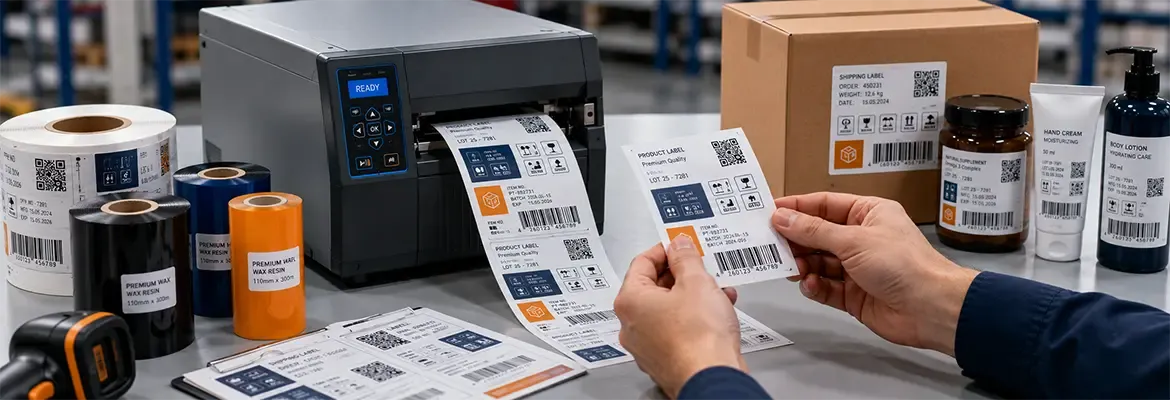
The thermal transfer process utilises a printhead with numerous heating elements. When activated, these elements heat specific areas of a ribbon coated with ink or resin. The heated ink melts and transfers to the label material, creating clear, high-quality images. This method works on many materials, including paper, synthetic materials, and even textiles, providing greater flexibility than other printing methods. The precision of this technology creates high-resolution barcodes, small text, and detailed graphics that remain scannable and readable even after extensive handling or exposure to challenging environments.
Unlike direct thermal printing, which uses heat-sensitive paper that darkens when heated, thermal transfer printing creates images by transferring ink from a ribbon to the label. This fundamental difference produces labels that last longer, resist environmental factors, and provide more reliable barcode scanning. Whilst direct thermal labels may fade over time, especially when exposed to heat, light, or chemicals, thermal transfer labels maintain their quality for years, even in challenging environments. This distinction is crucial for applications where label quality must endure extended periods or harsh conditions, such as product identification, asset tracking, or compliance labelling.
Types of Thermal Transfer Ribbons
Thermal transfer ribbons come in several types, each designed for specific applications and label materials. Selecting the right ribbon type is crucial for achieving optimal print quality and durability in your specific environment. When choosing a ribbon, consider the label material, environmental conditions, required longevity, and specific performance needs like chemical or scratch resistance.
1. Wax Ribbons: These are the most economical option, suitable for paper labels in standard environments with minimal exposure to chemicals or scratching. Wax ribbons offer cost-effective solutions for general-purpose labelling where extreme durability isn't required. These ribbons provide excellent print quality on coated and uncoated paper materials, creating sharp text and scannable barcodes for applications like shipping labels, inventory management, and retail price tags.
Our thermal transfer wax ribbons feature:
- Outer wound design for optimal printing performance
- Black colour for maximum contrast and readability
- Standard dimensions of 84 mm x 300 m
- Core diameter of 26 mm / 1 inch
- Print speed of up to 300 mm/s
2. Resin Ribbons: Designed for synthetic label materials and applications requiring high durability against chemicals, heat, and scratching. These ribbons are essential for harsh environments or when regulations demand long-lasting labels. Resin ribbons create chemical-resistant images that withstand exposure to solvents, oils, and cleaning agents, making them perfect for laboratory labels, automotive parts identification, and hazardous material labelling where information integrity is critical for safety and compliance.
Our thermal transfer resin ribbons are:
- Compatible with flat-head and near-edge print heads
- Available in various widths (44mm, 84mm, 104mm)
- Designed for maximum durability in challenging environments
- Ideal for industrial applications requiring resistance to scratches and chemicals
- Suitable for printing on synthetic materials
3. Wax/Resin Hybrid Ribbons: Offering a balance between cost and durability, these ribbons work well with both paper and synthetic materials, providing moderate resistance to environmental factors. They're perfect for applications that need more durability than wax alone can provide, but don't require the full chemical resistance of pure resin ribbons. These versatile ribbons are commonly used for product identification labels in manufacturing, healthcare applications like laboratory specimens, and retail applications where labels may be exposed to moderate handling or environmental challenges.
Each ribbon type offers specific benefits depending on your labelling needs, environmental conditions, and budget. For everyday paper labels in office environments, wax ribbons are usually sufficient. For product labels exposed to moisture or handling, wax/resin hybrids provide a good compromise. For labels in industrial settings or those exposed to chemicals, pure resin ribbons deliver the necessary durability. Selecting the right ribbon formulation ensures that your labels remain readable and functional throughout their intended lifespan, reducing the need for replacement and ensuring consistent performance in your specific application environment.
Applications of Thermal Label Solutions
Thermal label solutions are used across numerous industries due to their versatility, durability, and cost-effectiveness. From food and beverage to healthcare and logistics, thermal labels provide reliable identification and information delivery in various environments. Let's explore some key applications where thermal labelling excels. The adaptability of thermal label technology makes it suitable for everything from simple product identification to complex tracking systems with variable data requirements.
Food Industry Applications
In the food industry, thermal labels provide essential product information, branding, and regulatory compliance. Food products require labels that can handle various conditions, including refrigeration, moisture, and oil exposure. Thermal transfer technology, particularly with resin ribbons, ensures that critical information remains readable throughout the product's lifecycle. Food manufacturers must follow strict labelling regulations whilst also creating attractive packaging that appeals to consumers, making thermal label solutions particularly valuable for their combination of durability and print quality.
Honey Labels
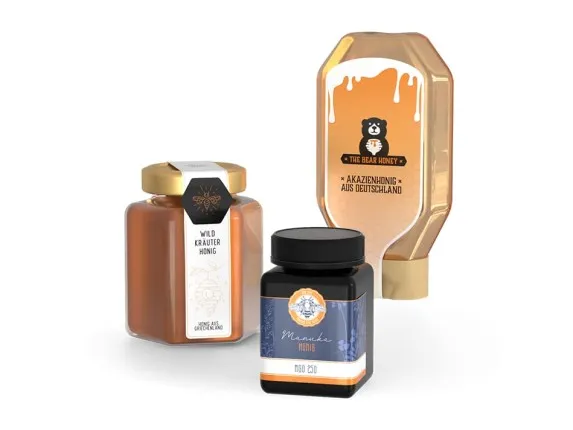
Our honey labels are specially designed to enhance the presentation of honey products whilst providing necessary information. Honey containers often face varying temperatures and potential moisture exposure, making durable thermal transfer labels an ideal choice. The natural appearance and premium feel of these labels complement the organic nature of honey products, helping artisanal and commercial producers create packaging that stands out on store shelves.
These specialised honey labels feature:
- High-quality materials and finishing techniques for premium appearance
- Flexible format choices to fit various container sizes
- Resistance to moisture and temperature variations
- HACCP audited compliance for food safety
- Professional printing quality for attractive presentation
Spice Labels
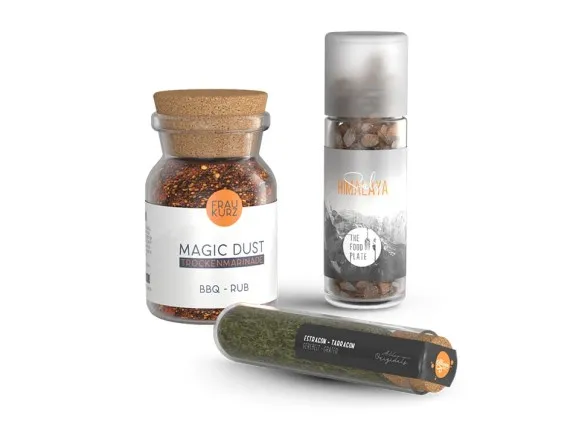
Spice labels require special considerations due to their exposure to various environmental conditions. Spice containers may be stored in kitchens where heat, steam, and handling can affect label quality. The colourful nature of many spice products also demands vibrant, high-quality printing that maintains its appearance throughout the product's shelf life. Thermal transfer technology provides the durability and print quality needed for these demanding applications.
Food manufacturers benefit from thermal label solutions through improved traceability, enhanced brand presentation, and compliance with food labelling regulations. Whether for honey jars, spice containers, or other food packaging, thermal labels provide the durability and print quality needed in this demanding industry. The ability to include detailed nutritional information, allergen warnings, and preparation instructions in a format that remains legible throughout the product's life makes thermal labels particularly valuable for food producers who must balance regulatory compliance with attractive packaging design.
Cosmetic Industry Applications
The cosmetic industry requires labels that not only look premium but also provide security and compliance with regulatory requirements. Cosmetic products often contain detailed ingredient lists and usage instructions that must remain readable throughout the product's shelf life, even when exposed to moisture in bathrooms or chemicals in the products themselves. The appearance requirements of cosmetic packaging are particularly strict, requiring high-quality printing that enhances brand perception whilst maintaining durability in challenging environments.
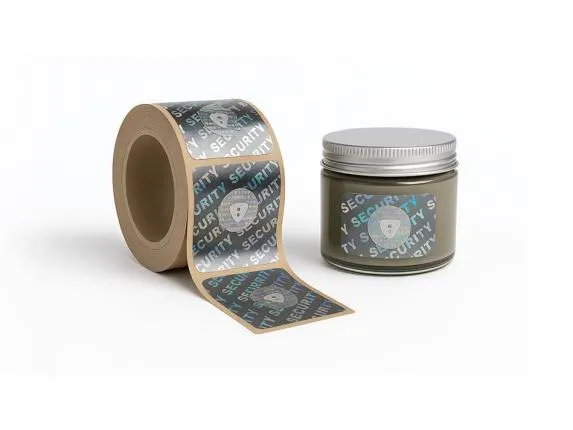
Our security labels for cosmetic products provide:
- Reliable tamper protection for packaging integrity
- Production time as quick as 48 hours for urgent needs
- Choice of film or paper materials to match product aesthetics
- Customisable sizes to fit any container
- Professional finishing options with film or varnish
Cosmetic labels must include ingredient lists, usage instructions, and often multiple languages, making multi-layer label solutions particularly valuable in this industry. Thermal transfer technology ensures that these labels maintain their appearance and readability even when exposed to oils, water, and various cosmetic ingredients. The high-resolution printing capabilities of thermal transfer systems allow for the clear reproduction of small text required for ingredient lists and regulatory information. For luxury cosmetic brands, the premium appearance of thermal transfer labels enhances product perception and supports premium pricing strategies.
Logistics and Inventory Management
Thermal labels are the backbone of modern logistics and inventory management systems. Their ability to produce clear, scannable barcodes and withstand handling makes them ideal for tracking products throughout the supply chain. From warehouse shelving labels to shipping packages, thermal label solutions provide the reliability needed for efficient operations. The ability to print variable information on demand makes thermal labels particularly valuable for operations where each label requires unique data such as serial numbers, lot codes, or shipping information.
In warehouse environments, thermal transfer labels with resin ribbons provide the durability needed to withstand frequent handling, varying temperatures, and exposure to cleaning agents. These labels remain scannable even in challenging conditions, ensuring accurate inventory tracking and reducing errors in order fulfilment. The ability to quickly produce custom labels on demand supports just-in-time inventory management and reduces the need for pre-printed label inventory.
Logistics applications benefit from thermal labels through:
- Consistent barcode quality for reliable scanning
- Resistance to handling and transportation conditions
- Compatibility with automated labelling systems
- Variable data printing capabilities for unique identifiers
- Cost-effective production of high volumes
For businesses shipping products globally, thermal labels provide the durability needed to ensure that shipping information remains readable throughout the journey, regardless of handling or environmental conditions. This reliability is essential for smooth logistics operations and customer satisfaction. The integration of thermal label printers with warehouse management systems and enterprise resource planning software creates seamless workflows that improve operational efficiency and reduce the potential for human error in critical logistics processes.
Complementary Packaging Solutions
Whilst thermal labels are essential for product identification and information, they work best as part of a complete packaging strategy. Labelprint24 offers various packaging solutions that complement our thermal label products, creating complete packaging systems that enhance product presentation whilst providing necessary protection and information. An integrated approach to packaging and labelling ensures consistency in brand presentation and maximises the effectiveness of both components.
Stand-Up Pouches
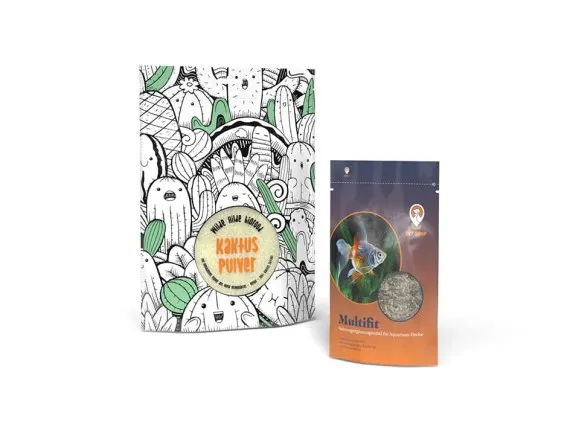
Stand-up pouches provide versatile packaging options that work excellently with thermal labels. These pouches offer superior product protection whilst providing ample space for branding and information. Their ability to stand upright on shelves enhances product visibility and appeal. The flexible nature of stand-up pouches makes them ideal for a wide range of products, from food items and coffee to pet treats and personal care products, offering excellent product protection with minimal material usage.
Our stand-up pouches are available in standard and custom formats, featuring:
- Optional zipper, tear-open flap, and hanger features for consumer convenience
- Excellent barrier properties against oxygen, carbon dioxide, and flavour transfer
- Suitability for various product types including solids, pastes, powders, and liquids
- High material efficiency compared to traditional packaging options
- Customisable printing for brand messaging and product information
For products where visibility is important, our stand-up pouches with windows allow customers to see the contents whilst still providing protection and ample labelling space. These innovative packages combine the benefits of traditional packaging with the visual appeal of product visibility. The window feature creates consumer trust by allowing visual inspection of the product before purchase, whilst the surrounding pouch material provides space for branding, product information, and thermal labels with detailed specifications or usage instructions.
Flexible Packaging on Rolls
Flexible packaging provides an efficient solution for high-volume products that require continuous packaging operations. This packaging format integrates with automated filling and sealing systems, making it ideal for production lines. The roll format significantly increases operational efficiency by reducing downtime for packaging material changes and supporting higher production speeds compared to individual packaging units.
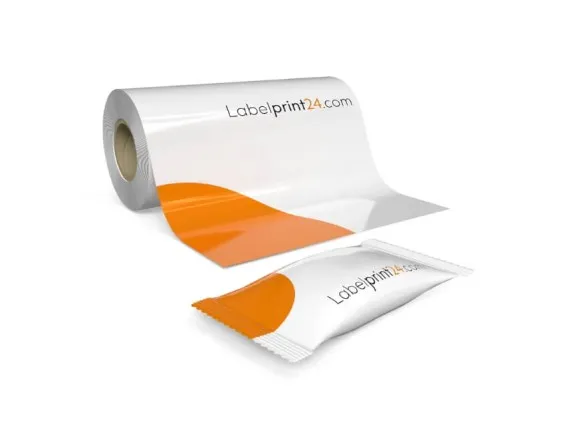
Our flexible packaging on rolls offers:
- Large selection of materials available on roll format
- Oxygen, carbon dioxide, and aroma barrier properties
- Versatility for packaging various product types
- Compatibility with automated packaging systems
- Space-efficient storage compared to rigid packaging
This packaging solution works seamlessly with thermal label applications, allowing for efficient labelling during the packaging process. The flexibility of the material makes it suitable for a wide range of products, from food items to cosmetics and household goods. For manufacturers with high-volume production requirements, the combination of flexible packaging on rolls with integrated thermal labelling systems creates a streamlined packaging process that reduces labour costs and increases throughput whilst maintaining consistent brand presentation and information delivery.
Corrugated Packaging Solutions
For larger products or shipping needs, corrugated packaging provides protection whilst offering ample space for thermal labels. These sturdy boxes ensure that products arrive safely whilst conveying necessary information and branding. The structural integrity of corrugated packaging makes it ideal for protecting products during transportation and storage, whilst the printable surface accommodates thermal labels for shipping information, product identification, and handling instructions.
Our FEFCO 0211 folding boxes feature:
- Durable, high-quality corrugated material
- Efficient and resource-conscious construction
- Excellent printability for branding and information
- Efficient flat delivery to save storage space
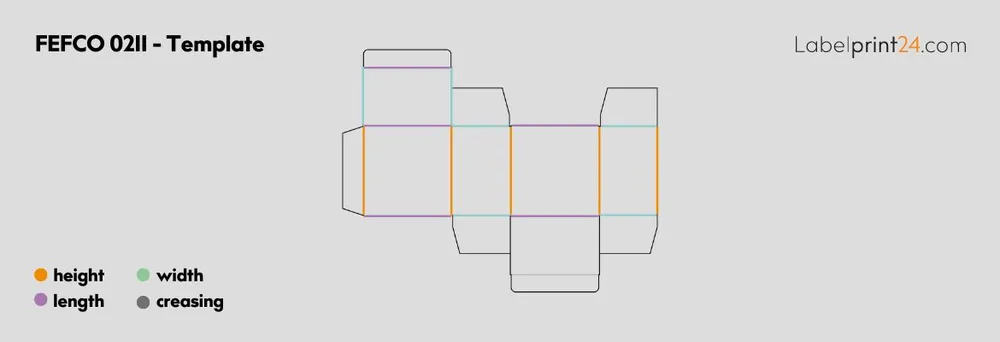
These boxes work perfectly with thermal transfer labels, ensuring that shipping information, product details, and barcodes remain intact throughout the logistics process. The combination of durable corrugated packaging and high-quality thermal labels ensures that products are both protected and properly identified from warehouse to customer. For e-commerce businesses and manufacturers shipping products directly to consumers, this combination creates a professional unboxing experience whilst providing the necessary tracking and identification information for efficient logistics operations.
Advanced Labelling Solutions
Beyond standard thermal labels, Labelprint24 offers advanced labelling solutions that address specific industry needs and regulatory requirements. These specialised label products utilise thermal printing technology to provide innovative solutions for complex labelling challenges. As regulatory requirements become stricter and consumers expect more information transparency, these advanced labelling solutions help businesses meet their obligations whilst maintaining attractive product presentation.
Multi-Layer Labels
When space is limited but information requirements are extensive, multi-layer labels provide the perfect solution. These innovative labels allow for multiple pages of information to be included on a single label, making them ideal for products with detailed instructions, ingredient lists, or multilingual requirements. Multi-layer labels solve the challenge of fitting increasing amounts of regulatory information on packaging without compromising design aesthetics or increasing package size, a common issue in industries like pharmaceuticals, chemicals, and cosmetics.
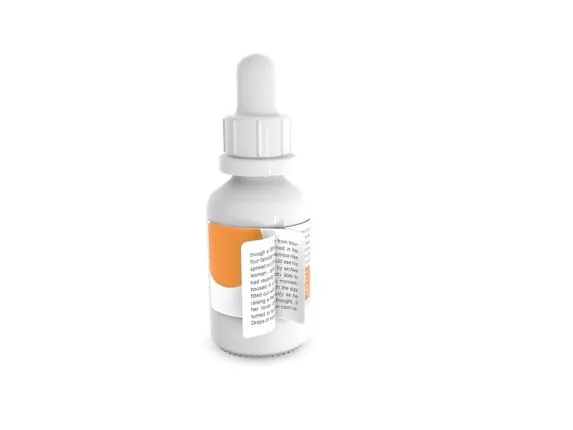
Our multi-layer labels with 5 printed pages offer:
- Compact design with extensive information capacity
- Ideal for multilingual product information
- Perfect for detailed instructions or regulatory compliance
- Production time as quick as 48 hours
- Available in both film and paper materials
These labels are particularly valuable for products that require extensive information in multiple languages, detailed usage instructions, or comprehensive ingredient lists. Pharmaceuticals, cosmetics, and chemical products often benefit from multi-layer labels that allow for complete information disclosure without cluttering the packaging. The booklet-style format allows consumers to access detailed information when needed whilst maintaining a clean, professional appearance on store shelves. When combined with thermal transfer printing technology, these multi-layer labels maintain their readability and durability even with frequent handling and consultation by users.
Security and Tamper-Evident Labels
For products requiring authentication or tamper evidence, specialised security labels provide added protection. These labels help prevent counterfeiting and ensure that consumers receive genuine products with intact packaging. Security features can be integrated with thermal transfer printing to create labels that not only provide information but also protect brand integrity and consumer safety. These solutions are particularly important in industries like pharmaceuticals, luxury goods, and electronics, where product authenticity directly impacts consumer safety and brand value.
Security labels can include various features:
- Tamper-evident materials that show visible evidence of tampering
- Serialisation for product tracking and authentication
- Special adhesives that prevent label removal and reapplication
- Integration with thermal transfer technology for durability
- Holographic elements or other security features
These advanced security features are particularly important for high-value products, pharmaceuticals, and items where consumer safety depends on product authenticity. Thermal transfer technology provides the durability needed to ensure that security features remain intact throughout the product lifecycle. The combination of security features with information delivery creates labels that serve multiple purposes simultaneously, protecting both consumers and brand owners from counterfeiting and tampering whilst providing necessary product information in a format that resists alteration or degradation.
Best Practices for Thermal Label Implementation
Implementing an effective thermal label solution requires careful consideration of various factors. From selecting the right materials to optimising print quality, following best practices ensures that your thermal labelling system delivers reliable, high-quality results consistently. Here are some key considerations for successful implementation. A systematic approach to thermal label implementation can significantly improve operational efficiency, reduce waste, and ensure that your labelling solution meets both current needs and has the flexibility to adapt to future requirements.
Selecting the Right Ribbon-Material Combination
The effectiveness of thermal transfer printing depends significantly on matching the right ribbon type with the appropriate label material. This combination determines the durability, print quality, and overall performance of your labels in their intended environment. A mismatch between ribbon and material can result in poor print quality, reduced durability, or excessive costs for performance that exceeds actual requirements.
- Paper Labels: For standard paper labels in controlled environments, wax ribbons provide cost-effective solutions with adequate durability. These combinations work well for shipping labels, inventory tags, and other applications where extreme durability isn't required. The lower cost of wax ribbons makes this combination economical for high-volume applications with limited environmental challenges, such as retail price marking or short-term shipping labels.
- Synthetic Materials: When using polyester, polypropylene, or vinyl labels, resin or wax/resin ribbons are necessary to ensure proper adhesion and durability. These combinations are ideal for product labels that may be exposed to moisture, chemicals, or handling. The enhanced bonding between resin-based inks and synthetic surfaces creates labels that resist smudging, scratching, and environmental damage, making them suitable for products used in bathrooms, kitchens, or outdoor environments.
- Specialised Applications: For extreme conditions (high heat, chemical exposure, outdoor use), specialised resin ribbons and synthetic materials are essential. Laboratory labels, automotive parts identification, and outdoor equipment tags typically require these high-durability combinations. The investment in premium materials pays off through extended label life, reduced replacement needs, and consistent performance in challenging conditions that would quickly damage standard label solutions.
Testing different combinations in your specific application environment is crucial for optimal performance. What works well in one setting may not perform adequately in another, so conducting trials under actual use conditions helps identify the most effective solution. This testing phase should include exposure to the environmental conditions, handling, and timeframes that match your actual application requirements, ensuring that the selected combination delivers the necessary performance throughout the label's intended lifespan.
Optimising Print Quality
To achieve the best print quality with thermal transfer technology:
- Proper Printhead Pressure: Ensure the printhead pressure is correctly adjusted for the label material thickness. Too much pressure can cause ribbon wrinkling and poor print quality, whilst insufficient pressure results in incomplete ink transfer. Regular calibration of printhead pressure based on the specific materials being used helps maintain consistent print quality and extends printhead life by preventing unnecessary wear from excessive pressure.
- Print Speed Considerations: Slower print speeds often result in better print quality, especially for detailed barcodes or small text. Finding the optimal balance between speed and quality is essential for efficient operations. In applications where barcode scanning reliability is critical, such as inventory management or shipping, prioritising print quality over speed ensures that labels function properly in automated scanning systems and reduces the costs associated with failed scans or unreadable information.
- Regular Maintenance: Clean printheads regularly to prevent buildup that can affect print quality. Dust, adhesive residue, and ink accumulation can cause print defects and reduce printhead life. Implementing a scheduled maintenance programme that includes printhead cleaning, ribbon path inspection, and sensor calibration helps prevent quality issues and extends the life of your printing equipment, reducing total cost of ownership and minimising production disruptions.
- Resolution Selection: Choose the appropriate print resolution (typically 203, 300, or 600 dpi) based on your specific requirements for barcode scanning and text readability. Higher resolution is necessary for small text, detailed graphics, or compact barcodes. Whilst higher resolution printers may cost more initially, they can provide significant benefits in applications requiring precise reproduction of small details or where space constraints necessitate compact information presentation.
Environmental Considerations
The environment where labels will be used significantly impacts the choice of thermal label solutions:
- Temperature Exposure: For freezer applications or high-heat environments, specialised materials and resin ribbons are necessary. Standard labels may fail when exposed to temperature extremes, leading to fading, adhesive failure, or material degradation. Cold storage applications require adhesives that maintain their performance at low temperatures, whilst labels exposed to heat (such as in industrial equipment or outdoor installations) need materials and inks that resist yellowing, cracking, or fading when subjected to elevated temperatures.
- Chemical Resistance: In settings where labels may be exposed to chemicals, oils, or cleaning agents, synthetic materials with resin ribbons provide the necessary protection. These combinations resist chemical damage that would otherwise compromise label integrity. Laboratory environments, manufacturing facilities, and healthcare settings often require labels that can withstand exposure to disinfectants, solvents, or other chemicals whilst maintaining readability and adhesion throughout the item's useful life.
- UV Exposure: For labels exposed to sunlight, UV-resistant materials and specialised ribbons prevent fading and deterioration. Outdoor applications or products displayed in sunlit areas require these enhanced durability features. UV resistance is particularly important for labels used on outdoor equipment, garden products, or items displayed in retail environments with significant natural light exposure, where standard labels would quickly fade and become illegible.
- Moisture Exposure: In humid environments or where water exposure is likely, synthetic materials with appropriate adhesives ensure label integrity. Food products, beverages, and items used in bathrooms or kitchens typically require moisture-resistant labels. The combination of waterproof materials and resin ribbons creates labels that maintain their appearance and function even when subjected to regular washing, condensation, or direct water contact, ensuring that critical information remains accessible throughout the product's life.
Regulatory Compliance and Labelling Requirements
Understanding the complex landscape of labelling regulations is essential for businesses across industries. Thermal label solutions must comply with various requirements depending on the product type and market. Understanding these regulations ensures that your products meet legal requirements whilst providing consumers with necessary information. Failure to comply with labelling regulations can result in product recalls, fines, and damage to brand reputation, making regulatory compliance a critical consideration in label design and implementation.

Food Labelling Regulations
Food labels must comply with specific regulations that vary by region:
EU Regulations: In the European Union, food labels must include allergen information, nutritional facts, ingredient lists, and country of origin. The EU Food Information to Consumers Regulation (FIC) sets specific requirements for font size, mandatory information, and allergen highlighting. These regulations are designed to provide consumers with clear, readable information about food products, with particular emphasis on allergen identification to protect individuals with food sensitivities. The regulations specify minimum font sizes, mandatory information placement, and format requirements that impact label design and space allocation.
Understanding the complex landscape of labelling regulations is essential for businesses across industries. Thermal label solutions must comply with various requirements depending on the product type and market. Understanding these regulations ensures that your products meet legal requirements whilst providing consumers with necessary information. Failure to comply with labelling regulations can result in product recalls, fines, and damage to brand reputation, making regulatory compliance a critical consideration in label design and implementation.
FDA Requirements: In the US, the Food and Drug Administration mandates specific information formats and content, including the Nutrition Facts panel, ingredient lists, and allergen statements. Recent updates to these regulations have changed format requirements and serving size calculations. The FDA's regulations focus on standardised presentation of nutritional information to facilitate consumer comparison between products, with specific requirements for formatting, content order, and prominence of certain health-related information. Compliance with these detailed requirements requires careful label design and quality printing to ensure all information is presented correctly.
Allergen Highlighting: Many regions require clear identification of common allergens, either through bold text, separate statements, or other highlighting methods. These requirements help consumers quickly identify potential allergens in food products. The increasing prevalence of food allergies has led to more stringent requirements for allergen identification, requiring labels that clearly distinguish allergen information from other content through formatting, colour, or placement strategies that draw attention to this critical safety information.
Our honey labels and spice labels are designed with these regulatory requirements in mind, featuring HACCP audited processes and low-migration inks that ensure food safety. Thermal transfer technology provides the print quality needed for clear allergen information and detailed nutritional data. These specialised food labels combine regulatory compliance with attractive design elements that enhance product appeal whilst ensuring that all required information is presented in accordance with applicable regulations.
Cosmetic Product Labelling
Cosmetic products face their own set of regulatory requirements:
Ingredient Listing: Full INCI (International Nomenclature of Cosmetic Ingredients) listings are required, typically in descending order of concentration. These often involve small text that must remain readable throughout the product's life. The standardised INCI nomenclature ensures consistency across international markets but presents challenges for label design due to the scientific terminology and comprehensive listing requirements. Thermal transfer printing provides the resolution needed for these detailed ingredient lists, ensuring that even the smallest text remains clear and readable.
Shelf Life Information: Products must indicate period-after-opening or expiration dates, usually through standardised symbols. This information helps consumers use products safely within their effective lifespan. The "period after opening" (PAO) symbol, represented as an open jar with a number and the letter "M," indicates how many months the product remains safe after opening. This and other standardised symbols require precise reproduction that maintains clarity even when printed in small formats on various container shapes.
Warning Statements: Specific warnings may be required for certain ingredients or product types. These warnings must be clearly visible and understandable to consumers. Products containing ingredients like retinol, alpha hydroxy acids, or certain preservatives may require specific cautionary statements regarding sun exposure, skin sensitivity, or usage limitations. These warnings must be prominently displayed and remain readable throughout the product's life, even when exposed to the oils, moisture, and handling typical in cosmetic product usage.
Our security labels for cosmetic products address these requirements whilst providing tamper evidence and brand protection. Multi-layer labels are particularly valuable for cosmetic products, allowing for extensive ingredient information without cluttering the package design. These specialised labels combine regulatory compliance with security features that protect both consumers and brand integrity, ensuring that products remain authentic and information remains accessible throughout the product lifecycle.
Material and Disposal Information
Many regions now require material identification and disposal guidance:
Material Identification Symbols: Specific symbols indicating material type help consumers understand packaging composition. These symbols vary by region and material type. Resin identification codes for plastics and other material symbols provide guidance on package materials. These standardised symbols must be accurately reproduced and properly applied based on the specific packaging materials used, requiring precision printing that maintains symbol recognition even at small sizes.
Disposal Instructions: Information on proper disposal methods ensures that packaging is handled correctly at end-of-life. This may include disassembly instructions or special disposal considerations. As packaging becomes more complex with multiple materials and components, clear instructions for separating and disposing of different elements become increasingly important. These instructions often require detailed graphics or step-by-step text that guides consumers through proper end-of-life handling.
Compliance Claims: Any material or disposal claims must be substantiated and comply with regulations. Terms must be used correctly and comply with specific regulatory definitions. Various standards define these terms, and their use on labels must comply with specific requirements regarding testing, verification, and substantiation. Thermal label solutions that accurately reproduce symbols and provide space for detailed information help brands communicate material properties whilst maintaining compliance with regulatory requirements.
For detailed information on navigating these complex requirements, refer to our comprehensive guide on international packaging regulations. This resource helps businesses understand their obligations across different markets and product categories. The guide provides insights into evolving regulatory landscapes, helping businesses anticipate changes and implement labelling solutions that maintain compliance whilst effectively communicating brand values and product information.
Small Batch Customisation for Emerging Brands
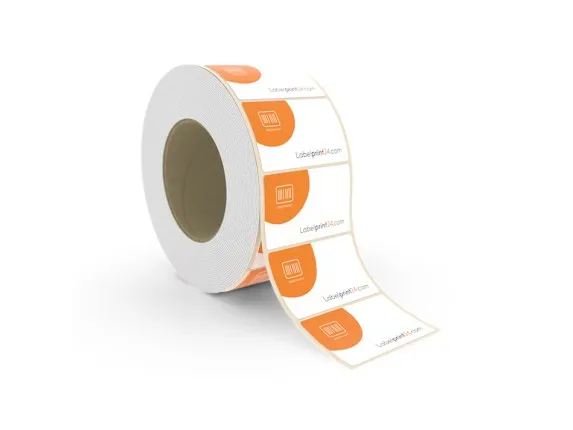
Thermal label solutions are particularly valuable for emerging brands and small businesses that need flexibility and customisation without large minimum order quantities. The ability to produce small batches of high-quality labels allows new brands to create professional packaging without the investment required for traditional printing methods. This accessibility has democratised packaging quality, enabling startups and small producers to compete with established brands on shelf appeal and professional presentation whilst maintaining the ability to adapt quickly to market feedback.
Benefits of Small Batch Thermal Labelling
As detailed in our article on small batch customisation for emerging brands, thermal labelling offers several advantages:
- Cost-Effective Short Runs: Thermal transfer technology allows for economical production of small quantities without the setup costs associated with traditional printing methods. This makes professional labelling accessible to startups and small businesses with limited budgets. The elimination of plates, dies, and other setup requirements significantly reduces the initial investment required for high-quality labels, allowing emerging brands to allocate resources to other critical business needs whilst still presenting products professionally.
- Quick Turnaround: Small batch thermal labels can be produced quickly, allowing brands to respond rapidly to market opportunities or regulatory changes. This agility is particularly valuable in fast-moving consumer goods markets. The ability to receive professional labels within days rather than weeks enables small brands to capitalise on seasonal opportunities, respond to consumer feedback, or address emerging trends without the delays associated with traditional label production methods.
- Design Flexibility: The ability to easily modify designs for different products or markets without significant cost penalties allows emerging brands to test different approaches and optimise their packaging based on real market response. This flexibility is particularly valuable for companies developing product lines or expanding into new markets where consumer preferences may differ from their initial target audience.
- Quality Consistency: Small batch thermal labelling maintains consistent quality across production runs, ensuring that early customers receive the same professional appearance as later customers. This consistency is crucial for building brand recognition and consumer trust, particularly for emerging brands that are still establishing their market presence and reputation.
Integration with Digital Systems
Modern thermal label solutions integrate seamlessly with digital systems to create comprehensive labelling workflows that improve efficiency and reduce errors. The ability to connect thermal printers with inventory management systems, e-commerce platforms, and enterprise resource planning software creates automated workflows that streamline operations whilst maintaining high-quality output.
Variable data printing capabilities enable the production of unique labels for each product, supporting serialisation, batch tracking, and personalisation requirements. This functionality is particularly valuable for businesses that need to track products throughout the supply chain or provide personalised experiences for customers. The integration of databases with thermal printing systems allows for automatic population of label fields with product information, reducing manual data entry and minimising the potential for errors.
Cloud-based label management systems enable businesses to manage label designs, track usage, and coordinate production across multiple locations. These systems provide version control for label designs, ensuring that all locations use current, compliant labelling whilst providing audit trails for regulatory purposes. The ability to update label information centrally and distribute changes to multiple printing locations supports consistent branding and compliance across global operations.
Advanced Material Technology in Thermal Labelling
Thermal label technology continues to advance with developing material science and changing market requirements. New substrate materials, adhesive formulations, and ribbon technologies provide enhanced performance characteristics that address specific industry challenges whilst maintaining cost-effectiveness and reliability.
High-performance synthetic materials now offer enhanced durability against chemical exposure, temperature extremes, and mechanical stress whilst maintaining excellent printability with thermal transfer ribbons. These advanced materials enable labels to perform in applications that previously required specialised marking methods, expanding the applicability of thermal labelling technology across new industries and use cases.
Innovative adhesive technologies provide enhanced bonding to difficult surfaces whilst maintaining clean removal characteristics when required. These developments support applications where temporary labelling is needed or where labels must be removed without damage to the underlying surface, addressing specific needs in industries like electronics manufacturing and automotive assembly.
Future Trends in Thermal Labelling Technology
The thermal labelling industry continues to evolve with advancing technology and changing market requirements. Emerging trends include smart labels with embedded sensors or NFC technology, enhanced security features for product authentication, and improved integration with digital marketing and consumer engagement platforms.
Advanced materials science is developing new substrates and adhesives that provide enhanced performance in challenging environments whilst supporting business objectives. These innovations include materials with improved durability characteristics, adhesives with enhanced performance properties, and substrates that maintain excellent performance whilst offering cost advantages.
Digital integration trends include enhanced connectivity between labelling systems and business intelligence platforms, enabling real-time analytics on labelling operations and supply chain performance. The development of artificial intelligence applications in label design and quality control promises to further improve efficiency and reduce errors in thermal labelling operations.
Conclusion
Thermal label solutions represent a mature yet continually evolving technology that provides businesses with reliable, cost-effective, and versatile labelling capabilities. From basic product identification to complex regulatory compliance requirements, thermal labelling systems offer the flexibility and performance needed to meet diverse business needs whilst adapting to changing market conditions and technological advances.
The combination of thermal transfer technology with complementary packaging solutions creates comprehensive product presentation systems that enhance brand value whilst providing essential information and protection. Whether you're an emerging brand seeking cost-effective small batch solutions or an established manufacturer requiring high-volume production capabilities, thermal label technology offers scalable solutions that grow with your business needs.
As regulatory requirements become increasingly complex and consumer expectations for information transparency continue to rise, thermal labelling systems provide the reliability and quality needed to meet these challenges whilst maintaining operational efficiency. The integration of thermal labelling with digital systems and advanced materials positions this technology to continue serving business needs whilst supporting operational excellence and brand differentiation objectives.
At Labelprint24, our comprehensive range of thermal label solutions, ribbons, and complementary packaging products ensures that businesses can implement labelling systems that meet their specific requirements whilst providing room for future growth and adaptation. Contact us to explore how thermal label solutions can enhance your product presentation and support your business objectives in today's competitive marketplace.