



 BY Christoph Zumdick IN Industry knowledge
Understanding Waterproof Labels: Complete Guide to Durable Labelling Solutions
Introduction to Waterproof Labels
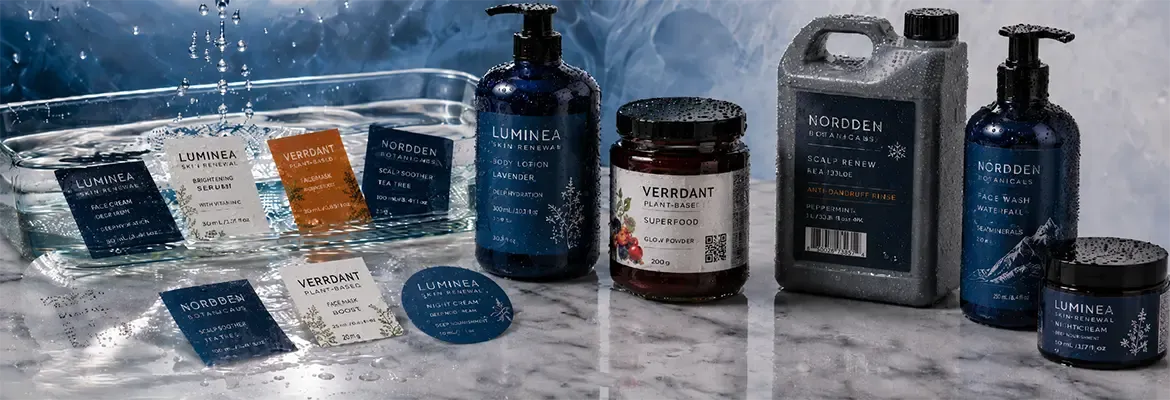
Waterproof labels are a special type of adhesive product designed to stay intact in challenging environments. Unlike regular paper labels that fall apart when wet, waterproof labels can handle water, humidity, chemicals, oils, and other damaging elements. These labels use advanced materials and adhesives to make sure information stays readable and the label stays stuck no matter what conditions it faces.
At Labelprint24, we know that many businesses need labels that can survive harsh conditions whilst staying readable and attached. Whether your products will be stored outdoors, used in bathrooms, kept in refrigerators, or used in industrial settings, waterproof labels provide the toughness needed to keep your branding and information intact throughout the product's life. Our knowledge of durable labelling helps companies follow rules and protect their brand even in the toughest situations.
Waterproof labelling is more than just convenient. In many cases, rules require that product information, warning labels, and identification markers stay readable throughout a product's use. For industries like food and drink, cosmetics, chemicals, and outdoor equipment, a label failing can cause rule violations, brand damage, or even safety problems. When regular labels would break down, fade, or come off, waterproof options provide the reliability needed to keep important information visible in tough environments, protecting both customers and manufacturers.
Materials Used in Waterproof Labels
The base of any waterproof label is the material it's made from. Unlike regular paper labels, waterproof ones use synthetic materials that resist moisture damage. At Labelprint24, we offer different film materials made specifically for water resistance. Choosing the right face material is the first big decision in creating truly waterproof labels that will work reliably in tough environments.
Polyethylene (PE)
Polyethylene labels give excellent water resistance and flexibility, making them perfect for containers that might get squeezed or have curved surfaces. These labels keep working even when wet for long periods, making them good for: shower products and cosmetics that get wet regularly; flexible packaging that changes shape during use and needs labels that can stretch without cracking; and products kept in humid places where water might collect on surfaces.
- Shower products and cosmetics
- Flexible packaging that changes shape during use
- Products stored in humid environments
- Applications requiring conformability to irregular surfaces
- Items that experience temperature fluctuations causing condensation
Polypropylene (PP)
Polypropylene offers great chemical resistance along with being waterproof. This versatile material creates a strong barrier against not just water but also many common chemicals, oils, and solvents. The exceptional clarity of PP makes it a great choice for transparent or "no-label look" applications where you want to see the container's contents or colour through the label.
PP labels work well for chemical containers and industrial products, food and drink labels that need refrigeration, products exposed to oils or solvents, clear containers needing see-through labels, and applications needing resistance to many different substances. They combine water resistance with chemical protection, making them versatile for many tough environments.
Polyvinyl Chloride (PVC)
PVC labels provide amazing durability and weather resistance, making them ideal for long-term outdoor use. Their toughness makes them suitable for extreme environmental conditions where labels must withstand not only moisture but also UV radiation, temperature changes, and physical scraping. PVC stays stable in shape and appearance even after long exposure to challenging outdoor elements.
PVC works great for outdoor equipment and machinery, garden and landscaping products, items exposed to harsh weather, applications needing multi-year durability, and products that get handled and touched frequently. When labels need to last for years in outdoor conditions, PVC provides the protection needed to maintain information integrity.
Choosing the right material depends on several factors, including the specific environmental challenges your products will face, the surface the label will be applied to, and how long it will be exposed to moisture or other elements. By carefully matching material properties to environmental conditions, we make sure your waterproof labels deliver reliable performance throughout their intended lifespan.
Adhesive Technologies for Waterproof Applications
The adhesive part of waterproof labels is just as important as the face material. Regular adhesives may fail when they get wet, causing labels to peel, wrinkle, or come off completely. Special waterproof adhesives are made to keep their bonding properties even when underwater or in high humidity. These advanced adhesive technologies create molecular bonds that resist water and maintain their structure even in tough conditions.
Permanent Waterproof Adhesives
These high-performance adhesives create a strong, lasting bond that resists moisture. They're designed to stick firmly to various surfaces, including tricky materials that typically resist adhesion. Permanent waterproof adhesives use special polymers that maintain their stickiness and bonding properties even when directly exposed to water, ensuring labels stay securely attached throughout the product's life in demanding environments.
These adhesives work well on plastic containers and bottles, metal equipment and machinery, glass jars and containers, textured surfaces that typically challenge adhesion, and low-energy surfaces like polyethylene and polypropylene. Their powerful bond ensures labels remain firmly attached despite repeated moisture exposure.
Removable Waterproof Options
For applications where labels need to be removed without leaving sticky residue, removable waterproof adhesives offer a balance of water resistance and clean removal. These clever formulations provide enough stickiness to stay in place even when wet, whilst allowing for intentional removal when needed. This dual functionality makes them particularly valuable for temporary applications where both moisture resistance and clean removability are essential.
- Temporary outdoor signage
- Reusable containers
- Product testing in wet environments
- Retail applications where price labels must be removed
- Promotional materials with limited intended lifespan
The adhesive strength needed depends on the specific application and the surface the label will be applied to. Factors such as surface energy, texture, and curvature all affect adhesive performance. At Labelprint24, our waterproof labels come with various adhesive options to ensure optimal performance in your specific environment. Our technical team can recommend the ideal adhesive formulation based on your material, environmental conditions, and application requirements, ensuring reliable performance even in the most challenging situations.
Printing Technologies for Waterproof Labels
The printing method used for waterproof labels greatly impacts their durability and resistance to environmental factors. Unlike regular labels, waterproof options need specialised printing approaches to ensure the ink sticks properly and remains readable despite exposure to moisture. Advanced printing technologies create a permanent bond between ink and material that resists damage even when subjected to water, chemicals, and physical scraping.
Digital Printing for Waterproof Labels
Digital printing technology offers exceptional quality and versatility for waterproof label production. At Labelprint24, we use advanced digital printing systems that provide outstanding resolution and colour accuracy whilst ensuring durability in wet environments. Our digital presses use specialised inks formulated specifically for synthetic materials, creating chemical bonds that resist water penetration and maintain image integrity even in challenging conditions.
Digital printing gives you high-resolution images and text, vibrant and consistent colours, variable data capabilities for serialisation or personalisation, cost-effective short runs for specialised applications, and rapid production for time-sensitive projects. This flexibility makes digital printing ideal for many waterproof label applications.
Thermal Transfer Printing
For applications requiring extreme durability, thermal transfer printing provides superior resistance to scraping, chemicals, and UV exposure. This technology uses heat to transfer resin-based inks from a ribbon onto the label material, creating an exceptionally durable image. The molecular bond formed during this process makes thermal transfer printing particularly valuable for applications where labels must withstand extreme conditions whilst maintaining legibility of critical information.
- Industrial equipment labels
- Chemical container identification
- Outdoor product labelling
- Applications with regulatory compliance requirements
- Safety information that must remain legible throughout product life
Our thermal transfer ribbons, such as our 84 mm x 300 m wax/resin ribbon, are specifically designed to work with waterproof label materials, creating a bond that resists moisture, chemicals, and scraping. These ribbons come in various widths and formulations to match your specific printing needs. The wax/resin composition provides an optimal balance of print quality and durability, ensuring your labels remain readable even in challenging environments.
Protective Finishes
To enhance the durability of waterproof labels, protective finishes can be applied over the printed surface. These specialised coatings create an additional barrier against environmental factors, extending label life and ensuring continued functionality in challenging conditions. Depending on your specific application requirements, different finishes can be selected to address particular environmental threats whilst maintaining visual appeal.
These protective options include UV-resistant laminates that prevent fading, scratch-resistant coatings for high-touch applications, chemical-resistant overlaminates for harsh environments, clear varnishes that enhance colour whilst providing protection, and textured finishes that reduce glare and improve readability. The right finish adds another layer of protection to ensure your waterproof labels maintain their functionality.
Applications of Waterproof Labels
Waterproof labels serve countless industries and applications where standard paper labels would quickly fall apart. Understanding the specific environments and challenges these labels must withstand helps in selecting the appropriate materials and construction methods. The versatility of waterproof labelling solutions makes them essential across diverse sectors where moisture resistance is needed for maintaining product information and brand identity.
Bath and Personal Care Products
Products used in bathrooms and shower environments need labels that can handle high humidity and direct water contact. These challenging conditions demand waterproof materials that resist not only moisture but also the oils, soaps, and chemicals commonly found in personal care products. High-quality waterproof labels ensure brand identity and essential information remain intact throughout the product's use, even in daily shower environments.
- Shampoo and conditioner bottles
- Body wash and soap containers
- Bath bombs and bath salts packaging
- Skincare products stored in bathrooms
- Cosmetics exposed to humid environments
Food and Beverage Containers
The food industry presents unique challenges for labels, including refrigeration, condensation, and frequent handling. Waterproof labels ensure that nutritional information, ingredients, allergen warnings, and preparation instructions remain readable throughout storage and use. The ability to withstand cold environments, condensation cycles, and occasional cleaning makes waterproof labels essential for maintaining food safety and following regulations.
Waterproof labels are perfect for refrigerated and frozen products, beverages that develop condensation, products used in food preparation areas, reusable food containers and water bottles, and items that go through temperature changes. Food safety depends on information remaining visible, making waterproof labels crucial in this industry.
Outdoor and Garden Products
Items exposed to the elements need exceptionally durable labelling solutions that can withstand weather variations, UV exposure, and seasonal changes. Waterproof labels for outdoor applications must resist not only rain and humidity but also temperature extremes, sunlight degradation, and potential exposure to soil and fertilisers. These robust labels ensure that usage instructions, safety warnings, and brand identification remain intact throughout the product's outdoor life.
Garden chemicals and fertilisers, outdoor equipment and tools, plant markers and identification tags, landscaping materials and supplies, and seasonal outdoor merchandise all benefit from waterproof labelling that maintains information integrity despite weather exposure. These labels ensure critical information remains visible throughout the growing season and beyond.
Industrial and Chemical Products
In industrial settings, labels must often withstand extreme conditions whilst maintaining safety information and handling instructions. The combination of moisture, chemicals, temperature variations, and physical handling creates one of the most challenging environments for labels. Specialised waterproof constructions ensure that critical safety information, handling instructions, and hazard warnings remain readable throughout the product's use, protecting both workers and equipment.
- Chemical containers and drums
- Industrial equipment identification
- Safety signage in wet environments
- Machinery exposed to oils, solvents, or cleaning agents
- Components used in manufacturing processes
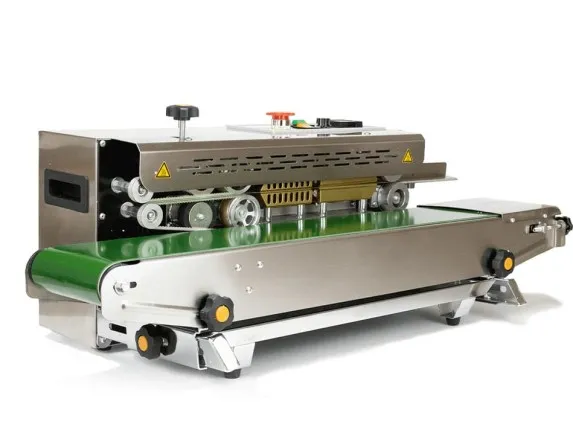
At Labelprint24, we understand that each application presents unique challenges. Our waterproof label solutions are customised to meet the specific requirements of your industry and environment, ensuring optimal performance throughout the product lifecycle. By analysing the particular moisture exposure, chemical contact, temperature variations, and handling conditions your products will experience, we can recommend the ideal combination of materials and construction methods for reliable performance.
Advanced Waterproof Label Formats
Beyond basic waterproof labels, several advanced formats offer enhanced functionality for specific applications. These specialised constructions provide additional features whilst maintaining water resistance. By combining waterproof properties with innovative formats, these advanced labels address complex requirements where standard labels would be insufficient, offering solutions for expanded content, unique configurations, and specialised functionality.
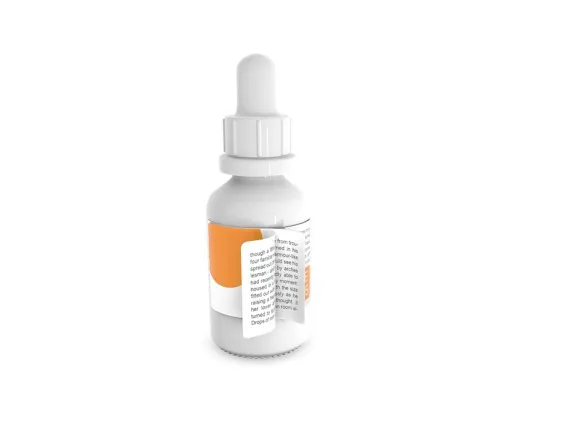
Multi-Layer Waterproof Labels
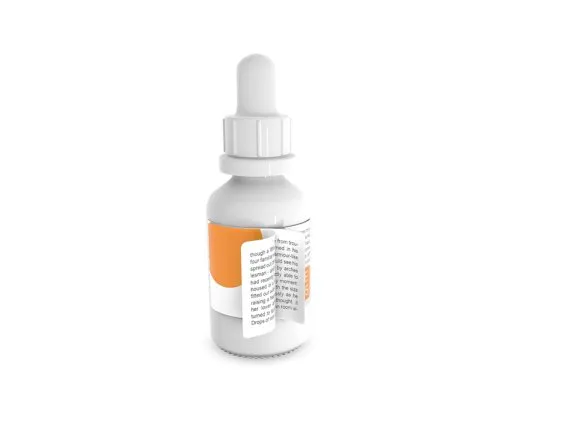
Multi-layer or "sandwich" labels provide expanded content space whilst maintaining a compact footprint. These clever constructions incorporate multiple pages within a single label, dramatically increasing the available space for information whilst maintaining complete waterproof protection. The layered design allows users to access additional content by lifting sections of the label, then returning them to their original position to maintain the waterproof seal when not in use.
- Extensive regulatory information
- Multilingual content
- Detailed usage instructions
- Limited packaging space
- Products requiring both consumer and technical information
Our multi-layer labels can be printed on up to five sides, providing plenty of space for comprehensive information whilst maintaining a waterproof construction. These versatile labels can be customised with various shapes, materials, and multi-colour printing options to meet your specific requirements. The innovative design allows for significant expansion of content without increasing the label's footprint on the product, solving the challenge of limited space whilst ensuring all information remains protected from moisture.
Double-Sided Wrap-Around Labels
For cylindrical containers, double-sided wrap-around labels offer an innovative solution that maximises information space whilst ensuring water resistance. These specialised labels are printed on both sides, with the reverse side visible through the container or by turning the product. This clever design effectively doubles the available print area without increasing the label size, making it particularly valuable for products with limited surface area but extensive information requirements.
These labels work great for pharmaceutical products, cosmetic containers, nutritional supplements, small beverage bottles, and products with extensive regulatory information. When space is limited but information requirements are substantial, double-sided wrap-around labels provide an elegant solution that maintains complete water resistance.
Our double-sided wrap-around labels are automatically dispensable and can be printed on both front and back, providing ample space for product information. They can also be designed with resealable features for repeated use, adding functionality whilst maintaining water resistance. The specialised adhesives used in these constructions ensure the label remains securely attached despite frequent handling, whilst the waterproof materials protect information on both sides from moisture damage.
Waterproof Label Dispensing Solutions
For efficient application of waterproof labels in production environments, specialised dispensing equipment ensures consistent placement and adhesion. These purpose-built systems accommodate the unique characteristics of waterproof materials, which often have different tensile strength, flexibility, and release properties compared to standard paper labels. Proper dispensing equipment ensures labels are applied with consistent pressure and positioning, maximising adhesion and performance in wet environments.
Options include table-top label dispensers for manual application, automated labelling systems for production lines, mobile dispensing solutions for field applications, semi-automatic systems for medium-volume production, and custom applicators for unique container shapes. The right dispensing solution improves efficiency whilst ensuring optimal label performance.
Our sturdy metal label dispensers are designed for manually dispensing roll labels with ease. With a simple pull on the backing film, labels are ready for application, making your labelling process smoother. These dispensers can handle internally wound rolls up to 110 mm in outer diameter with a usable width of 60 mm. The solid construction ensures stability during use, whilst the smooth release mechanism prevents damage to waterproof labels during dispensing, maintaining their integrity for optimal performance.
Testing and Compliance for Waterproof Labels
Making sure waterproof labels perform as expected requires thorough testing and following industry standards. Different applications may need specific certifications or performance criteria, especially in regulated industries. Comprehensive testing protocols verify that labels will maintain their functionality throughout their intended lifespan, even when subjected to the most challenging environmental conditions.
Water Resistance Testing
Waterproof labels undergo various tests to verify their performance in wet conditions, simulating real-world exposures that the labels will face during use. These standardised testing protocols measure not only the immediate effects of water exposure but also the cumulative impact of repeated moisture cycles, providing confidence that labels will perform reliably throughout their intended lifespan in specific environmental conditions.
Testing includes immersion testing (complete submersion for specified periods), spray testing (simulating rain or washing), humidity chamber exposure (for high-humidity environments), temperature cycling with moisture (freeze-thaw conditions), and condensation resistance (for refrigerated products). These tests ensure labels will perform in the specific moisture conditions they'll encounter in real use.
Chemical Resistance Evaluation
Many applications require resistance to chemicals beyond just water. Testing may include exposure to various substances commonly encountered in specific industries or applications. By subjecting label materials to controlled chemical exposures, manufacturers can verify performance and make appropriate recommendations based on the specific environmental challenges a product will face during its lifecycle.
Chemical testing often includes cleaning agents and detergents, oils and solvents, acids and bases, product contents (for container labels), and specialised chemicals specific to particular industries. This comprehensive approach ensures labels maintain their integrity despite exposure to challenging chemical environments.
Adhesion Testing
The bond between label and surface is critical for waterproof performance. Adhesion testing includes thorough evaluations of how well the label maintains its attachment under various conditions. These tests simulate real-world stresses that labels encounter during product handling, storage, and use, ensuring that the adhesive bond remains intact despite environmental challenges and physical manipulation.
- Initial tack measurement
- Long-term adhesion evaluation
- Performance on different substrate materials
- Temperature extremes assessment
- Wet application and underwater adhesion testing
Industry-Specific Compliance
Depending on the application, waterproof labels may need to meet specific regulatory requirements that go beyond basic water resistance. These specialised standards ensure that labels perform reliably in particular environments or applications where failure could have significant consequences. Compliance with these standards often requires specialised materials, constructions, and testing protocols verified by independent certification bodies.
- Food contact compliance for food packaging labels
- BS5609 certification for chemical drum labels in marine transport
- UL/CSA recognition for durable warning labels
- Medical device labelling regulations
- GHS compliance for chemical labelling
At Labelprint24, we ensure our waterproof labels meet the necessary performance standards for your specific application. Our quality control processes verify that each label batch will perform consistently in its intended environment. Through comprehensive testing and certification procedures, we provide documentation that validates label performance, helping you maintain compliance with industry regulations whilst ensuring reliable functionality throughout the product lifecycle.
Design Considerations for Waterproof Labels
Creating effective waterproof labels requires attention to design elements that enhance durability whilst maintaining visual appeal and functionality. Strategic design choices can significantly impact a label's performance in challenging environments. Beyond basic appearance considerations, waterproof label design must account for how environmental factors might affect visibility, readability, and overall communication effectiveness throughout the product's use.
Colour Selection and Contrast
For labels exposed to moisture and UV light, colour selection becomes particularly important for long-term visibility and brand integrity. Certain pigments and colour combinations maintain their appearance better than others when repeatedly exposed to water or sunlight. Strategic colour choices ensure that critical information remains visible and your brand presentation stays consistent despite environmental challenges.
High-contrast colour combinations improve readability in difficult conditions, UV-resistant inks prevent fading in outdoor applications, strategic use of colour can highlight critical information, consideration of how colours may appear when wet, and backup colour systems for critical safety information all contribute to effective waterproof label design.
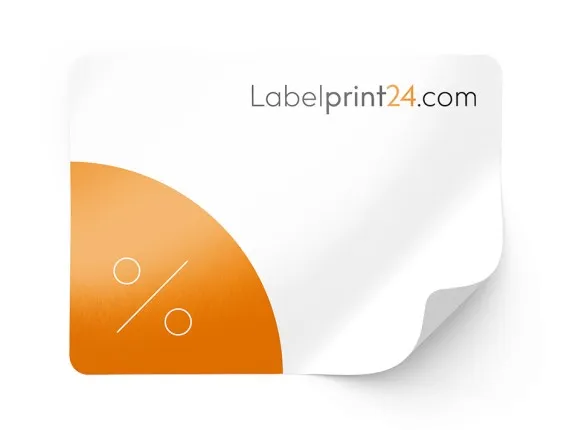
Typography and Readability
Text elements must remain readable even when the label is exposed to moisture, which can affect how inks appear and how light reflects off the label surface. Thoughtful typography choices ensure that essential information remains accessible throughout the product's use, even in challenging viewing conditions. Proper font selection and text formatting significantly impact how well information can be read when a label is wet or viewed in variable lighting conditions.
- Sans-serif fonts generally offer better readability when wet
- Adequate font size ensures information remains visible
- Sufficient spacing between characters prevents blurring
- Bold text for critical information enhances visibility
- Avoiding fine details that might become illegible when wet
Barcode and QR Code Optimisation
For waterproof labels containing scannable elements, special considerations ensure functionality even when the surface is wet or has been exposed to environmental stressors. Barcode optimisation for waterproof applications requires understanding how moisture might affect scanner performance and implementing design features that maintain scannability despite these challenges. Proper sizing, contrast, and error correction levels significantly impact how reliably codes can be read in wet environments.
Higher contrast ratios improve scannability in various conditions, larger quiet zones accommodate potential distortion, redundancy in data encoding provides backup if portions become damaged, appropriate placement avoids areas prone to handling damage, and enhanced error correction levels for challenging scanning environments all contribute to reliable barcode performance on waterproof labels.
Surface Treatments and Finishes
The final appearance and protection of waterproof labels can be enhanced through specialised surface treatments that affect both aesthetics and functionality. Different finishes interact uniquely with water and light, potentially enhancing readability in specific environments. The right surface treatment can improve label performance whilst reinforcing brand identity through consistent visual and tactile characteristics.
- Matt finishes to reduce glare in outdoor environments
- Gloss finishes for enhanced colour vibrancy
- Textured surfaces for improved grip in wet conditions
- Specialised coatings for additional chemical or abrasion resistance
- Tactile elements that remain identifiable when wet
At Labelprint24, our design team works closely with clients to create waterproof labels that balance aesthetic appeal with functional requirements. We consider the specific challenges of your application environment to ensure optimal performance throughout the product lifecycle. By combining our technical knowledge of waterproof materials with design expertise, we develop labels that maintain their visual impact and information clarity despite exposure to moisture and other environmental factors.
Customisation Options for Waterproof Labels
Every application has unique requirements, and waterproof labels can be customised in numerous ways to meet specific needs. From size and shape to specialised features, customisation ensures optimal performance in your particular environment. These tailored solutions address the precise challenges your products face, delivering waterproof labels that perform reliably whilst enhancing your brand presentation and meeting all functional requirements.
Size and Shape Variations
Waterproof labels can be produced in virtually any dimension or configuration to match your specific packaging and information requirements. Custom sizing and shaping ensure the label integrates seamlessly with your product design whilst providing sufficient space for all necessary information. Advanced die-cutting capabilities allow for precise shapes that enhance brand recognition whilst maintaining complete waterproof integrity around all edges.
Options include standard rectangular and square formats, custom die-cut shapes that complement product design, extended content labels for additional information, miniature formats for small containers, and contour-cut labels that follow package curves. These versatile shape options ensure your waterproof labels fit perfectly on your specific product configuration.
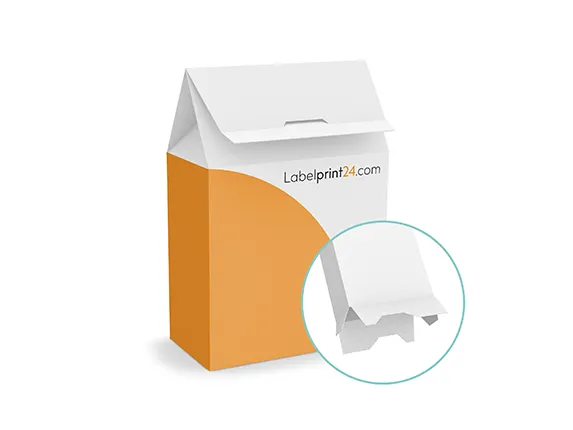
Special Features and Functionality
Beyond basic waterproofing, labels can incorporate additional features that enhance their utility in specific applications. These specialised constructions combine water resistance with supplementary functions that address particular industry needs or consumer interactions. Innovative features can differentiate your products whilst ensuring labels perform reliably despite moisture exposure and other environmental challenges.
- Tamper-evident constructions that show evidence of opening
- Peel-and-reseal options for repeated access
- Temperature-indicating elements that change appearance
- RFID or NFC technology embedded in waterproof constructions
- Sequential numbering or unique identifiers for traceability
Variable Data and Serialisation
For products requiring unique identification, waterproof labels can incorporate variable information that changes from label to label whilst maintaining complete moisture resistance. Advanced digital printing technologies enable the integration of sequential numbers, batch codes, expiration dates, or completely unique identifiers on each label without compromising waterproof performance. This capability supports inventory management, anti-counterfeiting efforts, and regulatory compliance across various industries.
Uses include sequential numbering for inventory control, batch and lot codes for traceability, QR codes linking to digital content, personalised information for individual products, and expiration dates and production information. These variable data capabilities ensure each label can contain unique information whilst maintaining complete waterproof protection.
Performance Considerations
For applications with specific performance requirements, waterproof labels can be designed with enhanced capabilities without compromising their moisture resistance. Advanced material technologies now offer options that address specialized performance needs whilst ensuring labels perform reliably in wet environments. These enhanced-performance alternatives allow businesses to meet specific operational requirements whilst ensuring consistent functionality throughout challenging environmental conditions.
- Reduced material thickness where appropriate
- Enhanced adhesion for difficult substrates
- Improved tear resistance for high-handling applications
- Energy-efficient production methods
- Materials designed for extended service life
At Labelprint24, we offer comprehensive customisation options for waterproof labels. Our team works with you to understand your specific requirements and develop a solution that addresses all aspects of your application, from environmental conditions to branding considerations. By using our extensive experience with waterproof materials and printing technologies, we create customised labelling solutions that perform reliably in your unique operating environment whilst enhancing your product presentation.
Ordering and Specification Process
Selecting the right waterproof label for your application involves several key considerations. Understanding the ordering and specification process ensures you receive a product that meets your exact requirements. A systematic approach to defining your needs and evaluating options leads to optimal label performance and value. Our structured process helps identify critical performance parameters and potential challenges before production begins.
Assessment of Environmental Factors
The first step in specifying waterproof labels is evaluating the conditions they will face throughout the product lifecycle. This comprehensive environmental assessment identifies all potential exposures and stresses the label must withstand, from manufacturing and shipping to consumer use and storage. By thoroughly understanding these conditions, we can recommend materials and constructions that will maintain their integrity and functionality despite these challenges.
Important questions include: Will labels be fully submerged or merely exposed to splashes? What temperature range will they experience? Are there chemical exposures beyond water? How long must the labels maintain their integrity? What physical stresses (scraping, flexing) will they encounter? These factors help determine the optimal waterproof label construction for your specific application.
Material and Adhesive Selection
Based on environmental factors, appropriate materials and adhesives can be selected to ensure reliable performance throughout the intended application. This critical decision balances performance requirements with practical considerations like cost and processability. Our extensive experience with waterproof materials allows us to recommend optimal combinations that address your specific challenges whilst remaining within budget parameters.
- Film type (PE, PP, PVC, or specialised films)
- Adhesive formulation for the specific substrate
- Required durability period
- Compliance with any regulatory standards
- Compatibility with container materials and contents
Design and Artwork Preparation
Creating effective artwork for waterproof labels requires attention to technical specifications that ensure optimal printing results on synthetic substrates. Different materials and printing technologies have specific requirements for file preparation, colour management, and resolution. Our design team provides guidance on preparing artwork that will reproduce beautifully on waterproof materials whilst maintaining all technical elements like barcodes and fine text.
Key considerations include resolution requirements for clear printing, colour specifications (CMYK or PMS), bleed and margin allowances, barcode or variable data requirements, and special considerations for transparent or metallic substrates. Proper artwork preparation ensures your waterproof labels look great whilst maintaining all functional elements.
Sampling and Testing
Before full production, it's often advisable to evaluate samples and conduct performance testing to verify that the selected materials and design will perform as expected in your specific application. This critical step can identify potential issues before full production, saving time and resources whilst ensuring the final product meets all requirements. Our sampling process allows you to evaluate appearance and functionality in your actual operating environment.
- Request material samples to evaluate appearance
- Conduct application testing in actual conditions
- Verify barcode scannability if applicable
- Assess print quality and colour accuracy
- Confirm adhesion to actual product containers
At Labelprint24, we guide customers through each step of the specification process. Our expertise helps identify potential challenges and develop solutions before production begins, ensuring your waterproof labels perform as expected in their intended environment. Our consultative approach uses decades of experience with waterproof applications across numerous industries, providing you with confidence that your labels will maintain their functionality and appearance despite moisture exposure and other environmental challenges.
Cost Considerations and Return on Investment
Understanding the economic aspects of waterproof labels helps in making informed decisions that balance performance requirements with budget constraints. Whilst waterproof labels typically have higher initial costs than standard paper alternatives, their superior durability often provides better overall value through reduced replacement needs and improved product integrity. A comprehensive cost analysis should consider not only the purchase price but also the total cost of ownership throughout the product's lifecycle.
Initial Cost Factors
Several variables affect the upfront cost of waterproof labels, including material selection, printing technology, quantity requirements, and customisation features. Understanding these cost drivers allows for strategic decision-making that optimises value whilst meeting performance requirements. Advanced materials and specialised printing processes command premium prices, but their enhanced durability often justifies the additional investment in demanding applications.
Key cost factors include synthetic face material selection (PE typically less expensive than specialised films), adhesive type (removable options often cost more than permanent), printing method (thermal transfer generally more expensive than digital), quantity ordered (larger runs reduce per-unit costs), and custom features like die-cutting or variable data. Working with experienced suppliers helps balance these factors for optimal value.
Long-Term Value Analysis
The true economic benefit of waterproof labels becomes apparent when considering their extended lifespan and reduced failure rates compared to standard alternatives. In environments where moisture exposure would quickly destroy paper labels, waterproof options maintain their integrity and functionality for months or years longer. This durability translates to reduced replacement costs, fewer customer complaints, and maintained compliance with regulatory requirements.
- Reduced label replacement frequency
- Lower labour costs for re-labelling
- Decreased product returns due to illegible labels
- Maintained regulatory compliance and reduced risk
- Enhanced brand image through consistent presentation
Hidden Costs of Label Failure
When standard labels fail in wet environments, the consequences extend far beyond simple replacement costs. Label failure can result in regulatory violations, product recalls, customer dissatisfaction, and damage to brand reputation. These hidden costs often far exceed the initial savings achieved by choosing less durable labelling solutions. Understanding these potential impacts helps justify investment in appropriate waterproof labelling technologies.
Potential failure costs include regulatory non-compliance penalties, product liability issues, customer service expenses, damaged brand reputation, lost sales due to illegible information, and operational disruption from emergency re-labelling. These risks make waterproof labels essential for applications where moisture exposure is inevitable.
Future Trends in Waterproof Labelling
The waterproof labelling industry continues to evolve with technological advancements and changing market demands. Understanding emerging trends helps in making forward-thinking decisions that ensure long-term compatibility and performance. These developments promise enhanced functionality, improved performance profiles, and new applications for waterproof labelling technologies.
Advanced Material Development
Innovation in waterproof label materials is driving development of options that maintain performance whilst addressing evolving business requirements. These advances address traditional challenges whilst expanding possibilities for various applications. New material technologies and manufacturing processes are expanding the possibilities for high-performance waterproof labelling solutions.
Emerging options include enhanced film materials with improved durability, advanced adhesive formulations, improved processability through optimised constructions, enhanced chemical resistance options, and reduced material thickness without compromising performance. These developments allow businesses to implement labelling solutions that meet specific operational requirements whilst maintaining reliable moisture protection.
Smart Label Integration
The integration of digital technologies into waterproof labels opens new possibilities for product tracking, consumer interaction, and supply chain management. RFID tags, NFC chips, and QR codes can now be embedded in waterproof constructions without compromising moisture resistance. These smart features enable real-time monitoring, authentication, and enhanced consumer experiences whilst maintaining durability in challenging environments.
- RFID technology for automated inventory management
- NFC chips enabling consumer interaction through smartphones
- Temperature-sensitive indicators for cold chain monitoring
- Blockchain-enabled authentication for anti-counterfeiting
- Interactive QR codes linking to dynamic digital content
Advanced Manufacturing Techniques
Manufacturing innovations continue to improve the efficiency and capabilities of waterproof label production. Digital printing advances enable shorter runs and faster turnaround times, whilst new converting technologies allow for more complex constructions and finishing options. These improvements make customised waterproof labelling solutions more accessible to smaller businesses whilst enhancing capabilities for large-scale applications.
Manufacturing advances include improved digital printing on synthetic substrates, laser cutting for precise shapes and perforations, hybrid printing combining multiple technologies, automated quality control systems, and just-in-time production for reduced inventory requirements. These innovations enhance both quality and efficiency in waterproof label manufacturing.
Troubleshooting Common Waterproof Label Issues
Even with proper selection and application, waterproof labels may occasionally encounter performance issues. Understanding common problems and their solutions helps maintain optimal label performance throughout the product lifecycle. Proactive troubleshooting prevents minor issues from developing into major problems that could affect product integrity or regulatory compliance.
Adhesion Problems
Poor adhesion is one of the most common issues with waterproof labels, often resulting from surface preparation, adhesive selection, or application conditions. Identifying the root cause enables targeted solutions that restore proper bonding performance. Many adhesion issues can be prevented through proper surface preparation and appropriate adhesive selection for the specific application environment.
Common adhesion issues include inadequate surface cleaning before application, incompatible adhesive for the substrate material, temperature extremes during application, moisture on the substrate surface, and insufficient application pressure. Addressing these factors typically resolves most adhesion problems and prevents future occurrences.
Print Quality Issues
Printing problems on waterproof labels often stem from using standard printing parameters designed for paper substrates. Synthetic materials require different ink formulations, printing temperatures, and processing speeds to achieve optimal results. Understanding these requirements helps prevent common print quality issues like poor ink adhesion, colour shifting, and image distortion.
- Ink adhesion problems due to improper formulation selection
- Colour accuracy issues on synthetic substrates
- Barcode readability affected by material properties
- Image distortion during label application
- Print durability issues in environmental exposure
Environmental Performance Issues
When waterproof labels underperform in their intended environment, the cause is often related to material selection or design factors rather than manufacturing defects. Systematic evaluation of environmental conditions and label construction helps identify the source of performance issues. Understanding these relationships enables corrective actions that restore proper functionality.
Performance issues may include chemical compatibility problems, UV degradation of materials or inks, temperature cycling effects, mechanical stress from handling, and interactions with product contents. Proper diagnosis leads to appropriate material substitutions or design modifications that address these specific challenges.
Industry Standards and Certifications
Compliance with industry standards ensures waterproof labels meet the specific requirements of their intended applications. Different industries have established performance criteria that labels must meet to ensure safety, functionality, and regulatory compliance. Understanding these standards helps in selecting appropriate materials and constructions that will perform reliably whilst meeting all necessary certifications.
International Standards
Several international standards govern the performance and testing of waterproof labels across different applications. These standards provide consistent benchmarks for evaluating label performance and ensuring compatibility across global markets. Compliance with recognised standards facilitates international trade whilst ensuring labels meet the performance expectations of end users.
Key international standards include ISO standards for adhesive performance and durability, ASTM testing methods for water resistance, IEC standards for electrical equipment labels, and maritime standards for harsh environment applications. These standards provide frameworks for testing and validating label performance in specific conditions.
Industry-Specific Certifications
Certain industries require specific certifications that go beyond general waterproof performance. These specialised requirements ensure labels can withstand the unique challenges of particular applications whilst maintaining critical information integrity. Understanding these industry-specific needs helps in selecting appropriate materials and constructions that will achieve necessary certifications.
- BS5609 certification for marine transport of hazardous materials
- UL recognition for safety labels on electrical equipment
- FDA compliance for food contact applications
- GHS requirements for chemical hazard labelling
- Medical device regulations for healthcare applications
Quality Assurance Processes
Maintaining consistent quality in waterproof label production requires comprehensive quality assurance processes that verify performance throughout manufacturing. These systems ensure each batch meets established specifications and performs reliably in its intended application. Robust quality control prevents performance variations that could compromise label functionality or compliance.
Quality assurance includes incoming material inspection, process control monitoring, finished product testing, environmental simulation testing, and batch documentation for traceability. These comprehensive systems ensure consistent performance whilst providing documentation for regulatory compliance and customer confidence.
Conclusion: Maximising the Value of Waterproof Labels
Waterproof labels represent a critical component for products exposed to moisture, chemicals, and challenging environments. By understanding the materials, technologies, and design considerations involved, you can select solutions that protect your brand identity and essential information throughout the product lifecycle. The right waterproof labelling strategy ensures regulatory compliance, maintains brand presentation, and delivers critical information to users regardless of environmental conditions.
Key Considerations for Successful Implementation
When implementing waterproof labelling solutions, several essential factors contribute to optimal performance and value. A systematic approach to selection and implementation ensures your waterproof labels deliver reliable functionality whilst enhancing your product presentation. Addressing these considerations early in the development process helps avoid potential issues and maximises the effectiveness of your labelling strategy.
- Match the label construction to the specific environmental challenges
- Consider the entire product lifecycle, including storage, transportation, and use
- Balance durability requirements with aesthetic considerations
- Ensure compliance with industry regulations and standards
- Implement quality control processes to verify consistent performance
The Value of Expert Guidance
Working with experienced providers like Labelprint24 offers significant advantages in navigating the complexities of waterproof labelling. Our technical expertise and industry experience allow us to recommend optimal solutions that address your specific challenges whilst meeting budget and timeline requirements. By utilising our knowledge, you can avoid costly trial-and-error approaches and implement effective waterproof labelling solutions from the start.
We offer access to specialised knowledge about waterproof materials and technologies, guidance in selecting the optimal solution for your specific application, quality assurance processes that ensure consistent performance, innovative approaches to challenging labelling requirements, and ongoing support as applications evolve or requirements change. This expertise ensures your waterproof labels deliver reliable performance throughout their intended lifespan.
Future Outlook
As technology advances, waterproof labelling continues to evolve with new materials, printing capabilities, and functional features. Staying informed about these developments helps you leverage the latest innovations for improved performance and value. The waterproof label industry continues to advance, offering new possibilities for enhanced functionality and integration with digital technologies.
The future of waterproof labelling promises continued innovation in advanced materials, smart label integration, and manufacturing efficiency. These developments will expand the possibilities for waterproof labelling applications whilst addressing evolving market demands. By partnering with forward-thinking suppliers and staying informed about industry trends, you can ensure your waterproof labelling solutions remain effective and relevant as your requirements evolve.
Investment in quality waterproof labelling pays dividends through improved product integrity, regulatory compliance, and customer satisfaction. When labels maintain their functionality and appearance despite environmental challenges, they protect both your products and your brand reputation. The comprehensive approach to waterproof labelling outlined in this guide provides the foundation for making informed decisions that deliver lasting value and reliable performance in even the most demanding applications.