




 BY Judith Enger IN Environment
Sustainability Standards in Packaging Materials : Responsible Practices for Modern Businesses
Introduction to Responsible Packaging Materials
In today's business environment, packaging decisions have far-reaching implications beyond simple product containment. The materials chosen for product packaging impact product protection, presentation, and environmental considerations throughout the entire supply chain and lifecycle. As consumers become more environmentally conscious, businesses are looking for packaging solutions that minimise environmental impact while maintaining functionality and brand appeal.
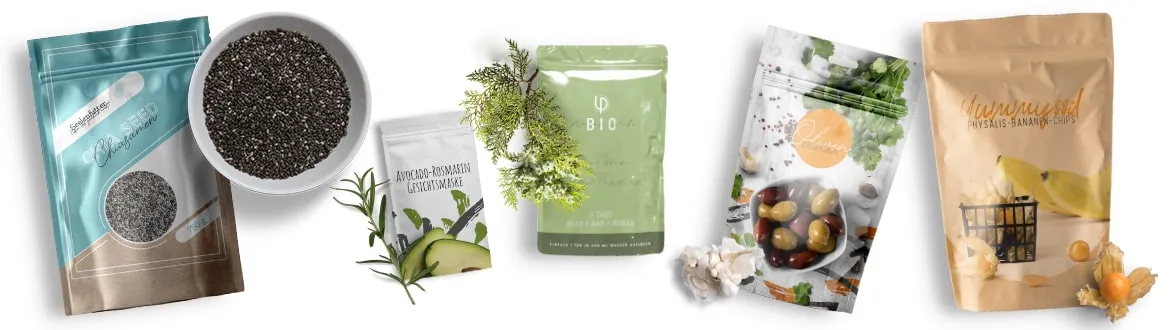
At Labelprint24, we offer a range of packaging solutions for different product and industry requirements. Our portfolio includes stand-up pouches, folding cartons, labels and corrugated shipping boxes that can be configured according to the intended application. Selecting suitable materials and dimensions requires consideration of product protection, handling, production and disposal requirements.
This article explores the various standards and considerations for packaging materials, highlighting responsible options available for businesses today across multiple industry sectors. We'll examine different material types, their unique properties, environmental profiles, and how they can be used effectively in various packaging applications to maximise both protection and sustainability. By understanding these options, businesses can make informed decisions that satisfy consumer expectations while minimising environmental impact.
Understanding Packaging Material Standards
Packaging materials are subject to various standards and regulations that ensure their safety, functionality, and environmental performance throughout the product lifecycle. These standards guide manufacturers and businesses in selecting appropriate materials for their specific needs while ensuring compliance with industry best practices and regulatory requirements across different markets.
Key Standards for Packaging Materials
Several international and regional standards govern packaging materials, creating a framework for quality, safety and sustainability:
1. ISO Standards - The International Organisation for Standardisation provides guidelines for packaging materials, including testing methods and environmental considerations. ISO 14001 addresses environmental management systems, while ISO 18601-18606 covers various aspects of packaging and environment, from general requirements to organic recycling and energy recovery.
2. FEFCO Standards - The European Federation of Corrugated Board Manufacturers sets standards for corrugated cardboard packaging, defining various box styles and construction methods through an internationally recognised coding system. These standards ensure consistency in design, structural integrity, and performance across the industry, making specification and ordering processes more efficient.
3. Food Contact Material Regulations - For food packaging, materials must comply with specific regulations ensuring they don't transfer harmful substances to food products. In Europe, Regulation (EC) No 1935/2004 establishes the fundamental principles, while in the US, the FDA regulates food contact materials through various provisions in the Federal Food, Drug, and Cosmetic Act.
4. Recyclability Standards - Various certifications indicate the recyclability of packaging materials, helping businesses make informed choices. These include the Recycling Symbol (Möbius loop), the Green Dot system in Europe, and specific certifications like FSC (Forest Stewardship Council) for paper-based materials.
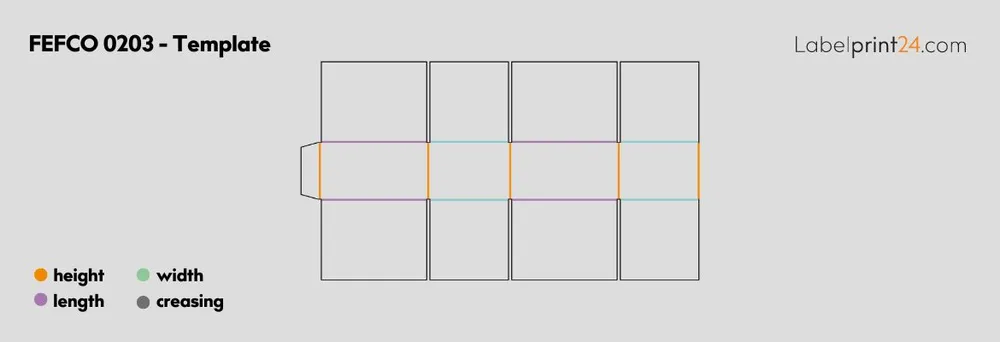
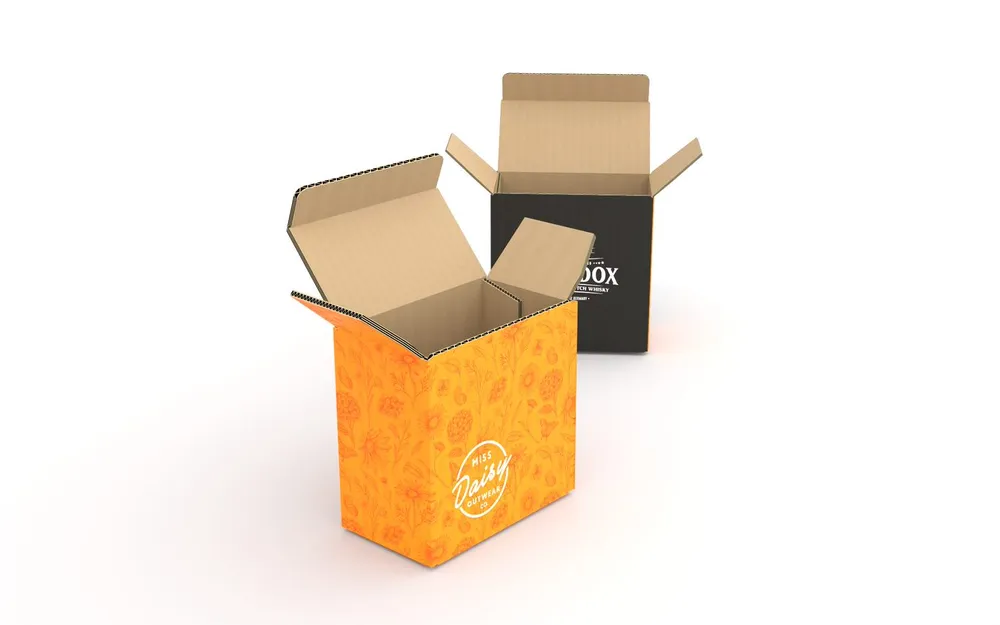
Understanding these standards helps businesses select packaging materials that not only protect their products but also align with responsible practices and regulatory requirements across different markets. Our FEFCO 0203 corrugated boxes follow a recognised box construction with overlapping flaps that provide additional coverage and support secure closure. Their suitability and material requirements depend on the selected board grade, dimensions and the protection needed for the packaged goods.
Paper-Based Packaging Materials
Paper-based packaging materials are widely used across a range of industries. They offer different properties in terms of strength, printability, protection and construction. The recyclability and environmental characteristics of a particular paper or cardboard packaging product depend on its fibre composition, any coatings or additional materials, and the available collection and recycling systems.
Corrugated cardboard is a fundamental staple in the packaging industry, known for its exceptional strength-to-weight ratio and superior protective qualities. The structure of corrugated cardboard, with its engineered fluted middle layer sandwiched between sturdy liner sheets, provides excellent cushioning, impact resistance, and stacking strength while remaining relatively light compared to alternative materials.
Corrugated Cardboard Boxes
Our corrugated cardboard boxes come in various engineered flute profiles, each offering different characteristics tailored to specific packaging requirements:
E-Flute:
Fine fluting provides excellent printing surfaces and is suitable for lighter items up to 10kg. With approximately 90 flutes per metre, E-flute offers superior surface smoothness for high-quality graphics while maintaining good cushioning properties.
B-Flute:
Medium fluting offers good cushioning and stacking strength for items up to 10kg. With approximately 150 flutes per metre, B-flute provides an excellent balance between protection and material efficiency.
EB-Flute:
Combined fluting provides enhanced strength for items up to 30kg. This double-wall construction combines the advantages of both E and B flutes, delivering superior compression strength and puncture resistance for heavier or more delicate items.
Our FEFCO 0211 boxes feature a tuck-in flap design that allows the box to be closed without additional tape in suitable applications. This construction can simplify handling and reopening. The amount of board used depends on the dimensions, design and protection requirements of the individual box.
Folding Cartons and Speciality Paper Packaging
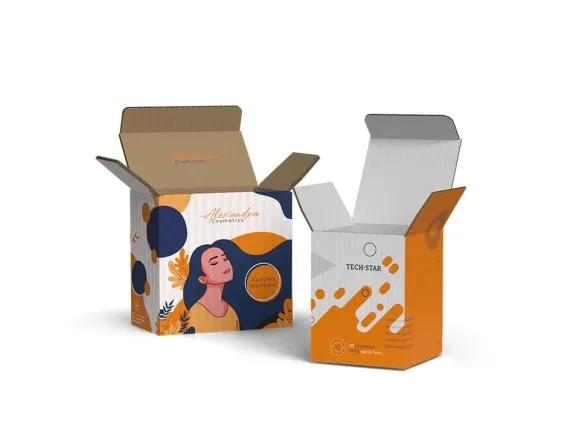
Beyond standard corrugated boxes, paper-based packaging includes folding cartons and speciality designs that cater to specific product needs and marketing requirements. These premium options often use solid paperboard rather than corrugated materials, offering an elegant feel and exceptional printability for high-end products and retail environments where presentation is important.
Our folding boxes with snap lock bases are designed for convenient assembly and secure closure. Depending on the construction, they can be assembled without additional tape or adhesive. They are available with different board grades and finishing options, including gloss and matt finishes. The recyclability of the finished folding box depends on the complete material construction and the relevant recycling process.
Our flat cardboard sleeves with snap fasteners are designed for items such as documents, photographs and thin electronic products. Depending on the selected version, different board weights and dimensions are available to meet the required protection and presentation needs. The amount of material used is determined by the specific dimensions, board grade and construction.
Flexible Packaging Solutions
Flexible packaging is used for a wide range of products, including food, cosmetics and pharmaceutical goods. Films and laminates can provide protection against moisture, oxygen, light and other external influences, depending on their construction. In certain applications, flexible packaging may require less material than a rigid packaging format with a comparable filling capacity and protective function. Such comparisons depend on the specific packaging systems involved.
Stand-Up Pouches
Stand-up pouches are used across many industries because they combine a self-standing base with flexible film structures. Depending on the chosen material, they can provide barrier properties and a practical format for retail presentation. Their weight and dimensions can affect storage and transport requirements. Any comparison with rigid containers should take account of filling capacity, product protection, packaging weight and distribution conditions.
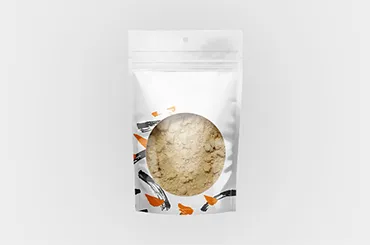
Our stand-up pouches come in various configurations to meet different product requirements and consumer preferences:
- Standard Stand-Up Pouches: Basic design suitable for most products, featuring high-barrier materials that protect against moisture, oxygen, and light while maintaining product freshness
- Pouches with Windows: Incorporate transparent panels that allow consumers to see the product inside, enhancing consumer confidence while maintaining necessary barrier properties in critical areas
- Pouches with Zippers: Feature resealable closures that provide convenience for repeated use, extending product freshness after opening and improving the overall consumer experience
All our stand-up pouches with windows and zippers are manufactured to meet food safety standards, ensuring they are food-safe, odourless, and tasteless, making them ideal for a wide range of food products from coffee and tea to snacks and confectionery. They provide barrier properties against oxygen, carbon dioxide, moisture, and flavour transfer, ensuring product freshness and extended shelf life compared to conventional packaging. The high-quality printing capabilities allow for vibrant, full-colour graphics that enhance brand recognition and consumer appeal.
Kraft Paper Pouches
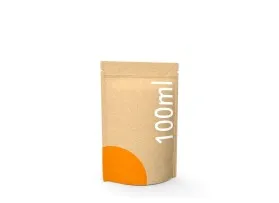
For businesses seeking paper-based flexible packaging with a natural look, our kraft paper pouches offer an excellent alternative to conventional plastic options without sacrificing functionality. These pouches combine the warm, authentic appearance and feel of kraft paper with the performance characteristics of modern flexible packaging, creating a solution that appeals to environmentally conscious consumers while delivering reliable product protection.
Our kraft paper stand-up pouches with zippers offer multiple benefits for both businesses and consumers:
- Food-safe, odourless, and tasteless construction that complies with all relevant food contact regulations
- Available with specialised barrier layers that protect against oxygen, carbon dioxide, moisture, and flavour transfer while maintaining the natural paper exterior
- Suitable for a diverse range of products including solid items, pastes, powders, and liquids of varying viscosities
- Resealable with convenient zipper closures that maintain product freshness after opening and enhance consumer convenience
- Available in multiple sizes from 100ml to 1000ml to accommodate different product quantities and packaging needs
Speciality Packaging Solutions
Beyond standard boxes and pouches, speciality packaging solutions address specific product requirements, marketing objectives, and retail environments with tailored designs and material combinations. These solutions often combine different materials, structural elements, and design features to create packaging that stands out in competitive retail environments while maintaining optimal functionality and protection throughout the supply chain and consumer use.
Retail Display Packaging
Retail display packaging serves the dual purpose of protecting products during distribution and showcasing them effectively at the point of sale. These solutions are designed to attract consumer attention, communicate brand values, facilitate product examination, and ultimately drive purchase decisions in competitive retail environments where shelf presence can significantly impact sales performance.
These pouches offer the rustic, natural appearance of kraft paper that appeals to today's environmentally conscious consumers while providing the functionality needed for modern product packaging and protection. They've become particularly popular for organic products, speciality coffee, premium tea, artisanal nuts, dried fruits, and other natural food items where packaging appearance plays a crucial role in communicating product values and quality.
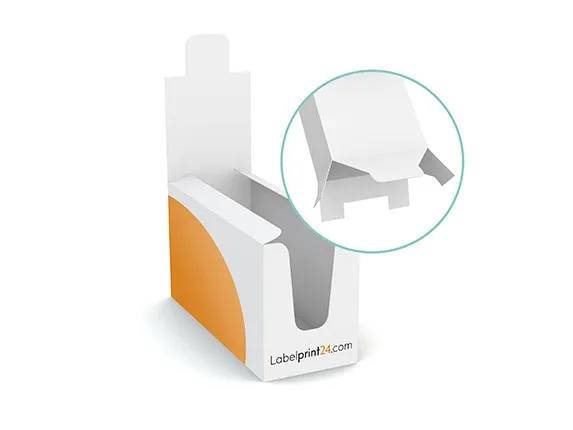
Our counter displays with snap lock bases feature several design elements that enhance both functionality and marketing effectiveness:
- Advertising-effective rear walls that double as retractable packaging lids, maximising brand visibility while providing product protection
- Precision-engineered insertable bottoms that can reliably support even heavy products without compromising structural integrity
- Full compliance with the internationally recognised ECMA FC0603 standard, ensuring consistent quality and performance
- Highly customisable designs that maintain brand consistency across product lines and retail environments
- Space-efficient construction that maximises product visibility while minimising footprint on valuable retail counter space
For products requiring additional security during transport, handling, and display, our boxes with safety flaps provide increased stability and tension through their specialised design. These boxes are available in a range of cardboard options to meet different aesthetic and functional requirements, including premium white, coloured, natural kraft, bright white, and recycled materials, with carefully selected grammages specifically suited to different product weights and protection needs.
Labelling Solutions for Responsible Packaging
Labels provide product information, support brand presentation and help businesses meet applicable labelling requirements. Their material construction can also influence the sorting and recycling of the primary packaging. When selecting labels, businesses should consider the facestock, adhesive, printing and compatibility with the material and recycling process of the labelled container.
Paper-Based Labels
Paper labels are available in different paper grades, including uncoated, coated and recycled-content options. They offer a range of print, surface and application properties for different products. Their environmental characteristics depend on the selected material, adhesive, printing and compatibility with the recycling process of the primary packaging, rather than on the use of paper alone.
Our paper labels are available in a range of specialised materials to meet diverse application requirements:
- Premium white paper for standard applications requiring excellent printability and visual appeal
- Specialised thermal paper for variable information printing in logistics, retail, and inventory management applications
- Recycled paper options containing post-consumer recycled fibres, subject to the material specifications of the selected paper grade.
- High-visibility fluorescent paper for safety applications, promotions, and attention-grabbing product highlights
- Textured and speciality papers that provide tactile elements enhancing perceived product value
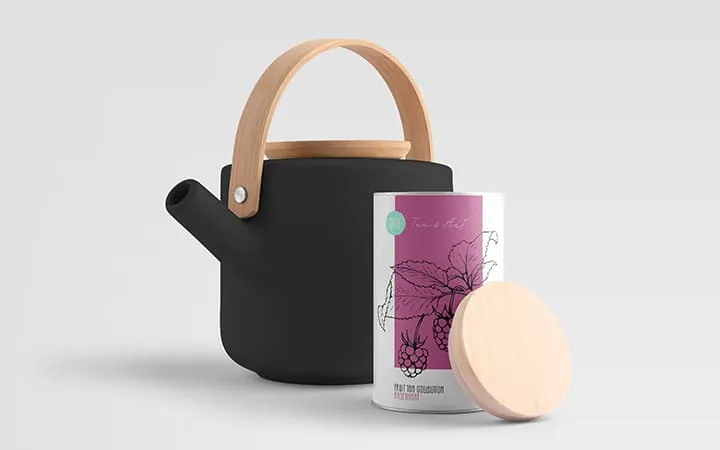
These labels can be equipped with different adhesive technologies carefully selected for specific application requirements, including permanent adhesives for one-time application, removable adhesives that leave no residue, deep-freeze suitable adhesives for cold chain applications, and speciality adhesives for challenging surfaces or environmental conditions. This flexibility ensures optimal performance across diverse packaging applications while maintaining responsible material choices.
Optimising Material Usage in Packaging
In addition to selecting a suitable material, businesses can review packaging dimensions, structural design and the use of additional components. Such assessments can identify opportunities to adjust material consumption and packaging costs while preserving the necessary product protection. Any wider environmental benefit must be evaluated separately using the specific packaging construction and relevant lifecycle data.
Right-Sizing Packaging
Right-sizing involves selecting packaging dimensions that correspond to the packaged product and its protection requirements. Compared with an oversized reference box, a suitably sized shipping box may require less filling material and occupy less transport space. The effects on packaging weight, transport costs and greenhouse gas emissions depend on the boxes compared, the load configuration and the distribution system.
Our custom-made shipping boxes can be configured according to the dimensions and protection requirements of the packaged goods. When selecting a suitable box design, businesses should consider the product's weight, fragility and expected transport conditions. Compared with an oversized standard box, an appropriately sized format may reduce unused space and the need for additional filling material.
Material Reduction Strategies
Several packaging design approaches can be evaluated to identify opportunities for reducing material use while preserving the required protection and functionality. These include adjusting material thickness, reviewing the structural design, considering alternative materials and avoiding components that are not necessary for the intended application.

- Lightweighting: Using engineering techniques to use thinner materials where possible without compromising structural integrity or protection capabilities. This approach often involves using higher-performance materials that deliver equivalent or superior protection with less mass.
- Structural Design: Implementing innovative structural designs that provide enhanced strength with less material through geometric optimisation. Techniques such as strategic scoring, folding patterns, and reinforcement placement can maintain or improve performance while reducing overall material content.
- Material Substitution: Replacing heavier materials with lighter alternatives where appropriate based on detailed performance analysis. This might involve substituting glass with certain plastics or metals with fibre-based materials in specific applications.
- Elimination of Unnecessary Components: Analysing packaging systems to identify and remove non-essential packaging elements without affecting core functionality. This might include simplifying closure systems, combining multiple components, or rethinking traditional packaging approaches entirely.
Our flat pouches are available in different material structures and film thicknesses for a variety of products. The required material depends on the filling quantity, barrier properties, product protection and handling requirements. Their flexible construction may offer storage or transport advantages compared with certain rigid containers, although material use and environmental impacts must be assessed for the specific packaging systems being compared.
Expert Consultation for Packaging Material Selection
Selecting the optimal packaging materials involves balancing multiple factors, including product protection requirements, presentation objectives, cost considerations, and environmental impact throughout the product lifecycle. Expert consultation can help businesses navigate these decisions effectively and develop packaging solutions that meet their specific needs while avoiding common pitfalls that can lead to overpackaging, underperformance, or unnecessary costs.
Our consultation service for pouch packaging helps businesses select suitable materials, formats and features for their products. Our product advisors consider material properties, barrier requirements, filling processes and consumer usage when discussing the available options. The aim is to identify packaging specifications that meet the relevant protection, presentation and handling requirements. Potential material savings or environmental advantages should be evaluated against a defined reference packaging where such comparisons are needed.
When selecting packaging materials, consider these critical factors that our experts evaluate during the consultation process:
1. Product Requirements: What specific level of protection does your product need based on its physical characteristics and vulnerability? Does it require specialised barrier properties against moisture, oxygen, light, or other environmental factors? Are there product-specific considerations such as oil resistance, temperature stability, or compatibility issues that must be addressed?
2. Distribution Environment: Will the packaging face particularly challenging conditions during shipping and handling, such as temperature extremes, high humidity, stacking pressure, or frequent handling? How will the packaging perform throughout various transportation modes and storage conditions in your specific supply chain?
3. Retail Requirements: How will the packaging need to perform in retail environments? Does it need specific capabilities to stand independently, hang from displays, or stack efficiently? What shelf presence characteristics are most important for your product category and target market positioning?
4. Consumer Expectations: What packaging attributes and functionalities are most important to your specific target consumers? Are convenience features like resealability, portability, or dispensing mechanisms critical to product satisfaction? How does packaging align with your brand values and consumer perceptions?
5. End-of-Life Considerations: How will consumers typically dispose of the packaging after use in your target markets? Are recycling systems readily available for your chosen materials? Would compostable or biodegradable options be appropriate and beneficial for your specific application and market context?
By evaluating these factors with expert guidance and technical knowledge, businesses can develop optimised packaging solutions that effectively balance performance requirements, cost considerations, and environmental impact across the entire product lifecycle, avoiding both overpackaging and underprotection while meeting consumer expectations.
Conclusion
By selecting materials according to the requirements of the packaged product and reviewing the packaging design, businesses can identify opportunities to adjust material use and improve handling. Environmental impacts should be assessed across the relevant lifecycle stages, including material production, conversion, distribution and end-of-life treatment. The results depend on the packaging system and the data used for the assessment.
At Labelprint24, we offer a comprehensive range of packaging solutions designed with responsibility and performance in mind. From our corrugated cardboard boxes engineered to meet international standards to our flexible pouches that minimise material usage while maintaining excellent protection, our diverse product portfolio helps businesses balance performance requirements, presentation objectives, and environmental considerations in an increasingly sustainability-focused marketplace.
We invite businesses of all sizes and across all industries to explore our range of packaging solutions and consult with our packaging experts to develop tailored packaging that meets their specific requirements and sustainability objectives. With the right materials, thoughtful design, and proper implementation, packaging can fulfil its essential protective and marketing functions while aligning with responsible business practices and environmental stewardship principles that increasingly matter to consumers, retailers, and regulatory bodies worldwide.
For personalised assistance with your packaging challenges and opportunities, contact our expert consultants who can guide you through the entire process from material selection and structural design considerations to production options and implementation strategies. Together, we can develop optimised packaging solutions that work effectively for your products, your business operations, and the environment while enhancing your brand's reputation for responsibility.
Businesses can select packaging materials and formats according to their product requirements, intended use and relevant market conditions. At Labelprint24, we support customers with a range of packaging options, individual formats and expert advice on materials, printing and construction. Our team can help identify suitable solutions for product protection, presentation, handling and production requirements.