



 BY Christoph Zumdick IN Industry knowledge
Choosing the Right Materials for Labels: A Comprehensive Guide
Introduction to Label Materials
Selecting the right material for your labels is a critical decision that impacts both functionality and appearance. At Labelprint24, we understand that the perfect label starts with choosing the appropriate materials for your specific application. Whether you're labelling cosmetic products, food items, or industrial equipment, the material you select determines how well your labels will perform over time.
The foundation of any label consists of three primary components: the facestock (the printable surface), the adhesive (which bonds the label to the product), and the liner (the backing that protects the adhesive until application). Each component plays a vital role in the label's performance and must be carefully selected based on your specific requirements.
When choosing label materials, you must consider several factors: the application environment (temperature, moisture, UV exposure), the surface type (glass, plastic, metal, cardboard), potential chemical exposure, and the required durability. Different industries have different requirements, and our extensive range of materials allows us to provide customised solutions for every application. The environmental conditions where your labels will be used significantly impact performance - from freezing temperatures in cold storage to high humidity in bathrooms, each situation demands specific material properties to ensure longevity and functionality.
Our comprehensive label selection includes options for virtually every industry and application. From standard paper labels for indoor use to specialised film labels for extreme conditions, we offer materials that meet the most demanding requirements whilst maintaining excellent print quality and visual appeal. Each material in our portfolio has been carefully selected and tested to ensure it delivers reliable performance in its intended application environment, giving you confidence that your labels will maintain their appearance and functionality throughout your product's lifecycle.
Paper vs. Film: Understanding the Fundamental Difference
The first major decision when selecting label materials is choosing between paper and film substrates. Each option offers distinct advantages and limitations that make them suitable for different applications. This fundamental choice will influence nearly every aspect of your label's performance, from durability and appearance to cost.
Paper Labels: Classic Versatility
Paper labels represent the traditional choice for many applications, offering excellent printability, an appealing natural appearance, and cost-effectiveness. They're particularly well-suited for indoor applications where exposure to moisture and chemicals is limited. The natural fibres in paper stock provide superior ink absorption, allowing for vibrant, detailed printing with both digital and conventional printing methods.
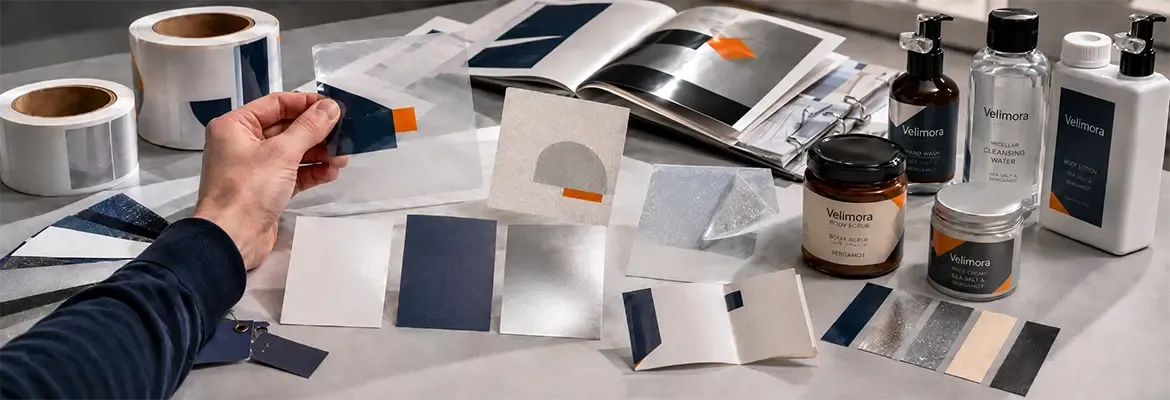
Paper labels come in various finishes, including matte (providing a non-reflective surface ideal for barcode scanning), gloss (offering a shiny appearance that enhances colour vibrancy), and textured (creating a premium, tactile experience for high-end products). Whilst paper labels excel in many applications, they do have limitations. They're generally less durable than film labels, particularly when exposed to moisture, chemicals, or abrasion. For products that will encounter challenging conditions, film labels typically represent the better choice. Additionally, paper labels may tear more easily during application or removal, making them less suitable for applications requiring frequent handling or repositioning.
Film Labels: Superior Durability
Film labels, made from synthetic materials like polyester (PET), polypropylene (BOPP), or vinyl, offer exceptional durability and resistance to challenging conditions. These materials provide superior performance when exposed to moisture, chemicals, UV radiation, and extreme temperatures. The molecular structure of these polymers creates inherent resistance to tearing, water penetration, and chemical degradation, making them ideal for demanding applications where paper labels would quickly deteriorate.
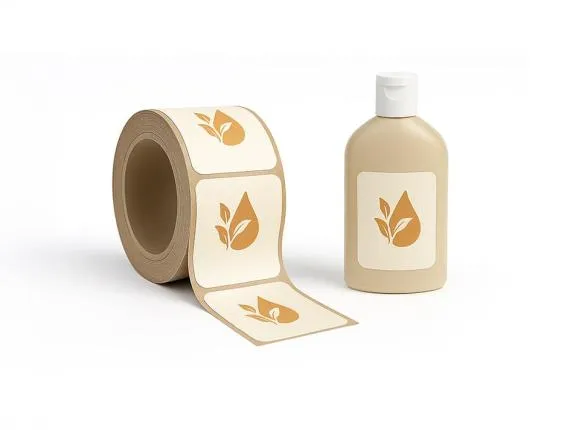
Key advantages of film labels include waterproof properties that maintain integrity even in wet environments, resistance to oils, chemicals, and cleaning agents, flexibility that allows application to curved or irregular surfaces, extended lifespan in outdoor applications, and clear options for the "no-label" look on transparent containers. Our shampoo bottle labels demonstrate the perfect application for film materials, as they maintain their appearance and adhesion even in the humid environment of a shower. The molecular stability of film materials also means they resist yellowing and degradation from UV exposure, making them suitable for products displayed in direct sunlight or outdoor settings where paper labels would quickly fade or deteriorate.
Whilst film labels offer superior durability, they do come at a higher cost than paper alternatives. Additionally, some film materials may require specialised printing processes to ensure proper ink adhesion. Our team can help you determine whether the performance benefits of film labels justify the additional investment for your specific application. It's also worth noting that certain film materials offer specialised properties beyond basic durability - such as high-temperature resistance for labels that must withstand autoclave sterilisation or extreme chemical resistance for industrial applications involving harsh solvents or cleaning agents.
Adhesive Types and Their Applications
The adhesive component of a label is just as important as the facestock material. The right adhesive ensures your label remains securely attached throughout the product's lifecycle, whilst the wrong choice can lead to premature failure or application difficulties. Adhesives are formulated with specific properties that determine their performance characteristics, including initial tack (how quickly they bond), ultimate adhesion (the strength of the bond over time), and resistance to various environmental factors.
Permanent Adhesives
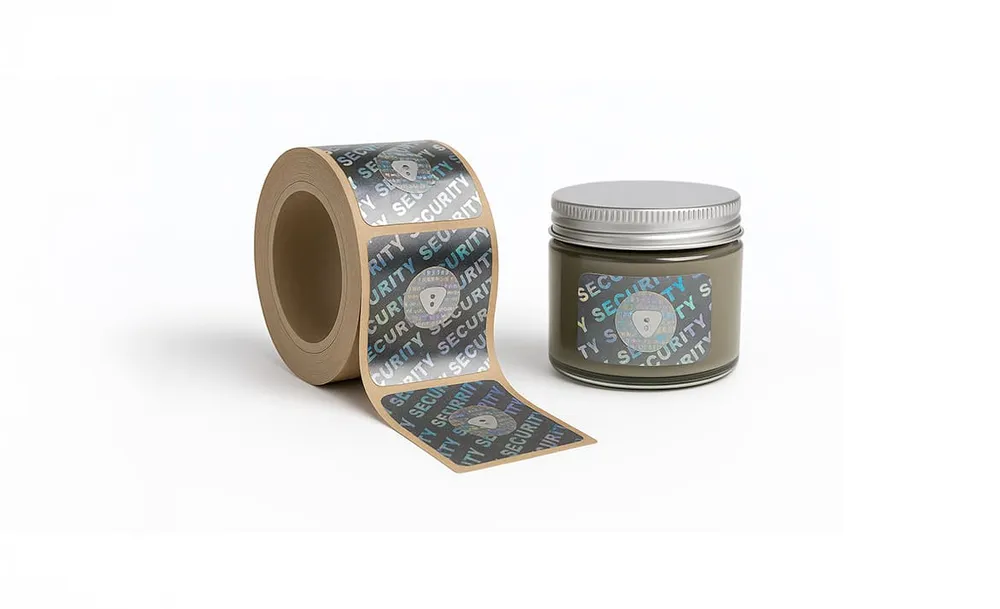
Permanent adhesives create a strong bond that makes removal difficult without damaging the label or leaving residue. These adhesives are ideal for products that require tamper-evident labelling, long-term applications where label removal isn't anticipated, and applications where security is paramount. The chemical composition of permanent adhesives typically includes polymers that form strong molecular bonds with the application surface, creating a connection that strengthens over time as the adhesive fully cures and penetrates the surface microscopically.
Our security labels for cosmetic products utilise specialised permanent adhesives that provide reliable tamper protection, ensuring product integrity from manufacturer to consumer. These adhesives are formulated to create bonds that cannot be broken without visibly damaging the label material, providing clear evidence of tampering attempts and helping to protect both brand reputation and consumer safety in sensitive applications like pharmaceuticals, cosmetics, and food products.
Removable Adhesives
Removable adhesives provide sufficient adhesion to keep labels in place during normal use but allow for clean removal without damaging the surface or leaving residue. These adhesives are perfect for temporary labelling applications, products that will be relabelled, price tags and promotional labels, and applications where label removal should not damage the product. The chemical formulation of removable adhesives creates bonds that maintain consistent strength over time without increasing in adhesion, unlike permanent adhesives that tend to strengthen their bond with age.
Our removable labels feature pressure-sensitive adhesives with low final adhesion, making them suitable for both indoor and outdoor applications where future removal is anticipated. These specialised formulations maintain their removable properties even after extended application periods, ensuring that labels can be cleanly removed months or even years after application without leaving behind adhesive residue that could detract from the appearance or functionality of the labelled item.
Specialised Adhesives
Beyond standard permanent and removable options, specialised adhesives address specific application challenges. Cold-temperature adhesives maintain performance in refrigerated or frozen environments, whilst high-temperature adhesives withstand heat without failing. Ultra-aggressive adhesives bond to difficult surfaces like low-energy plastics, and repositionable adhesives allow for adjustment during application. These specialised formulations contain additives and modified polymer structures that provide performance characteristics tailored to specific environmental conditions or surface types.
When selecting an adhesive, consider the application surface (smooth, rough, curved), environmental conditions (temperature, humidity), and whether the label needs to be permanent or removable. Our technical team can recommend the optimal adhesive based on your specific requirements. We maintain extensive test data on adhesive performance across different conditions and surfaces, allowing us to make precise recommendations that ensure reliable bonding throughout your product's lifecycle, even in challenging environments like freezers, outdoor exposure, or high-humidity settings.
Specialised Label Types for Unique Applications
Whilst standard labels meet many requirements, certain applications demand specialised label constructions that provide enhanced functionality or information capacity. These engineered label solutions combine innovative materials, adhesives, and construction techniques to address specific challenges that cannot be met with conventional labels. Understanding these specialised options can help you identify the optimal solution for complex labelling requirements.
Booklet and Extended Content Labels
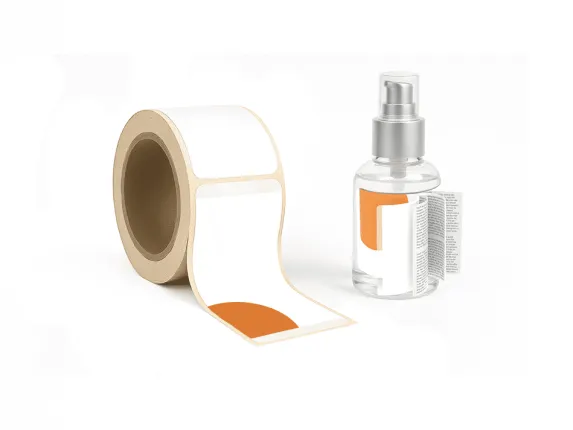
Booklet labels provide expanded content space whilst maintaining a compact footprint on the product. These multi-page labels are ideal for pharmaceutical products requiring extensive information, multilingual content requirements, detailed instructions or ingredient lists, and regulatory compliance where space is limited. The innovative construction of booklet labels allows them to contain up to 60 pages of content whilst occupying the same surface area as a standard label, effectively multiplying your available information space without requiring larger packaging.
Our booklet labels for cosmetic products offer ample space for detailed information whilst maintaining an elegant appearance on your packaging. These specialised labels integrate seamlessly with your product design whilst providing the expanded content space needed to meet regulatory requirements for ingredient disclosure, usage instructions, and safety information across multiple languages - all without compromising the aesthetic appeal of your packaging or requiring larger containers to accommodate the additional information.
Booklet labels are available in various configurations, including multi-page booklets with up to 60 pages, peel-and-reseal labels that protect content until needed, and accordion-fold designs for maximum content in minimal space. Our expert consultants can guide you through the process of designing effective booklet labels that meet both your information requirements and aesthetic standards. The construction of these labels requires specialised expertise in both materials and production techniques, ensuring that pages turn smoothly, adhesives function properly, and the entire assembly maintains its integrity throughout the product lifecycle despite repeated handling and environmental exposure.
3D and Dome Labels
For applications requiring exceptional visual impact, 3D dome labels create a dimensional appearance that catches the eye and enhances perceived value. These labels feature a transparent resin coating that creates a dome-like appearance over the printed design. The optical properties of the clear polyurethane resin magnify and enhance the underlying graphics whilst providing exceptional durability against abrasion, chemicals, and UV exposure - creating a premium appearance that conventional flat labels cannot match.
Key benefits of 3D dome labels include exceptional durability with a resistant surface, premium aesthetic that enhances brand perception, three-dimensional appearance that creates visual interest, and resistance to chemicals and environmental factors. These labels are particularly effective for branding applications, product badges, and high-end consumer goods where visual differentiation is important. The specialised manufacturing process involves precisely depositing liquid polyurethane resin onto printed labels and controlling the curing process to ensure perfect dome formation without bubbles or irregularities - creating a flawless, high-gloss finish that enhances the perceived quality and value of your products.
Security and Tamper-Evident Labels
Security labels provide visual evidence of tampering, helping to protect products from unauthorised access or counterfeiting. These specialised labels incorporate features that make tampering immediately apparent to consumers or inspectors. The sophisticated engineering behind security labels involves creating materials that irreversibly change appearance when tampered with, providing clear visual indication that package integrity has been compromised and helping protect both consumers and brand reputation.
Our security label solutions include various tamper-evident technologies like void labels that reveal "VOID" or custom messaging when removal is attempted, destructible materials that fragment upon removal attempts, holographic elements that cannot be duplicated, and sequential numbering for tracking and authentication. These technologies incorporate sophisticated material science that creates irreversible changes when tampering occurs - for example, void labels contain multiple layers with specialised adhesives that separate differently when tampering is attempted, revealing hidden messages or patterns that cannot be concealed or restored once activated.
Security labels are essential for pharmaceuticals, electronics, luxury goods, and any product where authenticity verification and tamper protection are critical requirements. The technology behind these labels continues to evolve in response to increasingly sophisticated counterfeiting attempts, with manufacturers incorporating multiple security features into single labels to create layered protection that is extremely difficult to replicate. Our security label experts stay at the forefront of these developments, ensuring that our customers have access to the most effective anti-counterfeiting and tamper-evident technologies available.
Label Finishes and Enhancements
The finish applied to your labels can dramatically impact both their appearance and performance. Various finishing options enhance durability, visual appeal, and functionality, allowing you to create labels that perfectly match your brand image and performance requirements. These finishing techniques represent the final stage in label production but can make a significant difference in how your labels perform and how consumers perceive your products.
Protective Finishes
Protective finishes extend label life by shielding the printed surface from abrasion, chemicals, and environmental factors. Lamination provides a clear film overlay that offers maximum protection, varnish offers a liquid coating that provides moderate protection with minimal thickness, and UV coating delivers a high-gloss finish cured with ultraviolet light for superior durability. Each protective finish creates a barrier between the printed surface and the environment, preventing direct contact with moisture, chemicals, and abrasive surfaces that could otherwise damage or degrade the printed image over time.
These finishes not only protect your labels but can also enhance their appearance through gloss, matte, or textured effects. The optical properties of different finishes can dramatically alter how colours appear - gloss finishes intensify colours and create vibrant, high-contrast images, whilst matte finishes reduce glare and create a sophisticated, understated appearance. Textured finishes add tactile interest that engages multiple senses, creating a more memorable and distinctive brand experience that helps your products stand out in competitive retail environments.
Decorative Finishes
Decorative finishes elevate the visual appeal of your labels, creating premium impressions that help products stand out. Hot foil stamping applies metallic or coloured foil with heat and pressure, embossing/debossing creates raised or recessed areas for tactile interest, and spot UV provides selective high-gloss coating that creates contrast with uncoated areas. These premium finishing techniques create visual and tactile differentiation that attracts consumer attention and communicates quality, helping premium products command higher price points through enhanced packaging aesthetics.
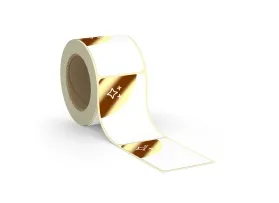
Our labels with finishing options include hot foil stamping in gold, silver, and blue, creating eye-catching effects that enhance shelf appeal. The metallic reflectivity of foil stamping creates dynamic visual effects that change as lighting and viewing angles shift, creating an interactive visual experience that static printing cannot achieve. When combined with other finishing techniques like embossing, these effects create multi-dimensional labels that offer both visual and tactile luxury cues that significantly enhance perceived product value and brand positioning in premium market segments.
The right finish can transform an ordinary label into a powerful branding element that communicates quality and attention to detail. Our design team can recommend finishing options that align with your brand positioning and performance requirements. The strategic application of finishing techniques can create powerful visual hierarchies that guide consumer attention to key brand elements or product information, enhancing not only aesthetic appeal but also communication effectiveness. By combining multiple finishing techniques in strategic ways, we can create truly distinctive labels that differentiate your products in crowded retail environments and reinforce brand positioning through consistent tactile and visual quality cues.
Material Selection for Specific Industries
Different industries face unique labelling challenges that influence material selection. Understanding industry-specific requirements helps ensure your labels perform optimally in their intended environment. Each industry has developed specialised labelling approaches based on decades of experience with particular challenges, regulatory requirements, and consumer expectations - drawing on this accumulated knowledge helps avoid costly mistakes and ensures your labels will perform as expected throughout your product's lifecycle.
Cosmetic and Personal Care Labels
Cosmetic products often require labels that can withstand moisture, oils, and frequent handling. Key considerations include resistance to bathroom humidity and water exposure, compatibility with various container materials (glass, plastic, metal), premium appearance that enhances brand perception, and space for required regulatory information. The intimate nature of cosmetic products means labels must maintain their integrity and appearance despite frequent direct contact with hands, water, and various cosmetic ingredients that could potentially degrade standard materials.
Our shampoo bottle labels are specifically designed to maintain their appearance and adhesion in bathroom environments, where humidity and direct water contact are common challenges. These specialised labels utilise water-resistant adhesives and film facestocks that resist the penetration of moisture that would quickly degrade standard paper labels. Additionally, the inks used in these applications are specially formulated to resist bleeding or fading when exposed to water and common bathroom chemicals like soaps and cleaning agents, ensuring that branding and product information remain clear and legible throughout the product's use.
For cosmetic applications with extensive information requirements, booklet labels provide the perfect solution, offering multiple pages of content whilst maintaining an elegant appearance on the package. These innovative labels allow cosmetic manufacturers to include comprehensive ingredient listings, usage instructions, precautionary information, and marketing content in multiple languages without compromising the sleek, premium aesthetic that consumers expect from cosmetic packaging. The specialised construction of these labels ensures that pages remain securely attached and protected from moisture whilst allowing easy access to information when needed - balancing regulatory compliance with user experience and brand presentation.
Conclusion
Choosing the right label materials is fundamental to creating products that perform reliably whilst making a strong visual impact. From understanding the differences between paper and film substrates to selecting appropriate adhesives and finishes, each decision contributes to the overall success of your labelling programme. The material choices you make today will determine how your products perform in the marketplace and how consumers perceive your brand.
At Labelprint24, we're committed to helping you navigate these choices with confidence. Our extensive material selection, combined with technical expertise and design capabilities, ensures that your labels deliver optimal performance in their intended application. Whether you need booklet labels for cosmetic products, security labels for tamper protection, or 3D dome labels for premium branding, we have the materials and expertise to bring your vision to life.
The investment in appropriate label materials pays dividends through improved product performance, enhanced brand perception, and reduced label failures. By considering all the factors discussed in this guide - from environmental conditions and surface types to industry requirements and aesthetic goals - you can make informed decisions that support your product's success in the marketplace. Our technical team stands ready to assist with material recommendations tailored to your specific requirements, ensuring that your labels perform flawlessly throughout your product's lifecycle.