



 BY Christoph Zumdick IN Industry knowledge
Choosing the Right Materials for Labels: A Comprehensive Guide
Labels are key for product identification, branding, and information across many industries. Picking the right label material is important for making sure your labels work well for as long as you need them to. The best label combines the right facestock, adhesive, and finishing options to handle specific conditions whilst looking good.
Introduction to Label Materials
Labels are key for product identification, branding, and information across many industries. Picking the right label material is important for making sure your labels work well for as long as you need them to. The best label combines the right facestock, adhesive, and finishing options to handle specific conditions whilst looking good.
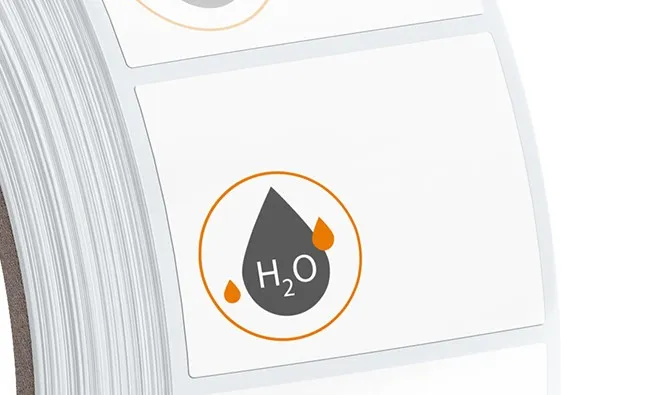
Label construction typically has three main parts: the facestock (printing surface), adhesive layer, and liner/backing. Each part plays an important role in how the label performs. The facestock determines how the label looks and how long it lasts, the adhesive makes sure it sticks properly to the surface, and the liner protects the adhesive until you use it.
Whether you need waterproof labels that can handle tough conditions or fancy cosmetic labels, understanding material properties is the first step to making a good choice. In this guide, we'll explore the different materials for label production, their properties, and what they're best used for. By understanding the strengths and limits of different label materials, you can pick options that will work well whilst meeting your design needs and budget.
Paper-Based Label Materials
Paper is one of the most common materials for labels because it's versatile, prints well, and is cost-effective. Paper labels work best for indoor uses where they won't be exposed to moisture, chemicals, or extreme temperatures. With good ink absorption and a natural look, paper labels are still the top choice for many standard labelling needs across different industries, from retail to office settings.
Types of Paper Label Materials
There are several types of paper materials used for labels, each with specific properties. Standard uncoated paper is an economical option with good printability for short-term indoor uses. These labels have a natural, matte appearance and are breathable, making them good for applications where moisture vapour transmission matters. Coated paper provides better print quality with glossy or matte finishes, making it ideal for product labels where appearance is important. The coating creates a smoother surface that accepts inks more evenly, resulting in sharper images and brighter colours.
Thermal paper enables direct thermal printing without needing ink or toner, whilst semi-gloss paper offers a balanced option with good printability and some moisture resistance. Thermal papers are valuable for applications needing on-demand printing, such as shipping labels, receipts, and price tags. Semi-gloss papers offer a middle ground between uncoated and high-gloss options, providing better durability and print quality whilst keeping a relatively natural appearance.
Paper labels print well with various printing technologies, including digital, flexographic, and offset printing methods. They accept inks easily and produce sharp, bright images. However, they have limits in durability and moisture resistance. When exposed to water or high humidity, paper labels can wrinkle, tear, or lose adhesion. They're also more likely to get damaged compared to synthetic materials, making them less suitable for rough handling or abrasive conditions.
For applications requiring thermal transfer printing, special paper stocks are available that work well with thermal transfer ribbons. These materials are ideal for barcode labels, shipping labels, and inventory management. The surface of these papers is made to accept the heat-activated ink from thermal transfer ribbons, resulting in durable, high-resolution prints that resist smudging and fading.
Advantages and Limitations of Paper Labels
Paper labels have several advantages that make them popular for many applications. They are cost-effective for high-volume uses, print well with various printing methods, and come in many finishes and textures. Paper labels are also widely available as standard materials. The natural appearance of paper can enhance certain product looks, especially for artisanal, handcrafted, or organic products where a more natural look is wanted.
However, paper labels do have limitations. They don't resist moisture well, can tear and get damaged easily, and don't last as long in harsh environments. Paper labels may also yellow or degrade over time with UV exposure. When exposed to sunlight for long periods, paper labels can fade, become brittle, or develop a yellowish tint that makes them look worse and harder to read. These limitations make paper labels less suitable for outdoor applications or products that will be exposed to challenging environmental conditions.
For indoor applications with controlled environmental conditions, paper labels offer an economical and versatile solution. However, for applications involving moisture, chemicals, or outdoor exposure, film-based materials typically work better. Understanding these limitations is important for selecting the right material for your specific labelling needs and making sure your labels maintain their appearance and functionality throughout their intended lifespan.
Film-Based Label Materials
Film labels last longer and resist environmental factors better than paper labels. These synthetic materials are made to withstand moisture, chemicals, UV exposure, and physical wear, making them ideal for challenging applications. Film materials provide excellent tear resistance, flexibility, and dimensional stability, ensuring labels remain intact and readable even in demanding conditions that would quickly ruin paper alternatives.
Common Film Materials for Labels
There are several common film materials used for labels, each with unique properties suited to different applications. Polypropylene (PP) is a versatile, water-resistant material with good flexibility. This cost-effective synthetic option offers excellent moisture resistance whilst maintaining good printability and is available in clear, white, and metallised versions. Polyester (PET) offers high durability with excellent temperature and chemical resistance. PET films provide exceptional dimensional stability and can withstand temperatures from -40°F to 300°F, making them ideal for applications involving heat exposure or harsh chemicals.
Vinyl (PVC) is a conformable material ideal for curved surfaces, whilst Polyethylene (PE) provides flexibility with good moisture barrier properties. Vinyl offers exceptional conformability, making it perfect for labelling textured or irregular surfaces where the label needs to follow contours without lifting or wrinkling. Polyethylene films are particularly useful for squeezable containers like bottles and tubes, as they can stretch and return to their original shape without deforming or losing adhesion.
Each film material offers specific advantages for different applications. For example, PET (polyester) labels provide exceptional durability and temperature resistance, making them suitable for applications involving heat exposure or harsh chemicals. Meanwhile, PP (polypropylene) offers good moisture resistance and flexibility at a more economical price point. The choice between these materials often depends on balancing performance requirements with budget constraints and specific application needs.
Specialised Film Materials
For applications requiring exceptional durability or specific properties, specialised film materials are available. Metallised films provide a metallic appearance without using actual metal foils. These films feature a thin layer of aluminium deposited onto a film substrate, creating a reflective, metallic appearance that enhances shelf appeal whilst maintaining the durability and flexibility of synthetic materials. Clear films allow for "no-label look" applications on clear containers, creating a seamless appearance. These transparent materials create the impression that printing is directly on the container, offering a premium, minimalist aesthetic that's particularly popular for beverages, cosmetics, and personal care products.
Tamper-evident films are designed to show evidence of tampering for security applications, making them ideal for products that need protection against unauthorised access. These specialised materials may fracture, delaminate, or reveal hidden patterns or text when removal is attempted, providing visual indication that the package has been compromised. This feature is particularly valuable for pharmaceuticals, food products, and high-value items where product integrity is critical.
At Labelprint24, we offer security labels with hologram film that provide protection against manipulation and tampering. These labels are made from sealing-resistant PET material and are ideal for securing valuable products or sensitive information. The holographic elements not only enhance security but also add a premium, high-tech appearance that can elevate brand perception.
Adhesive Types and Properties
The adhesive is a critical component that determines how well a label sticks to its intended surface. Selecting the right adhesive is as important as choosing the appropriate facestock material. The adhesive must be compatible with both the label material and the application surface whilst providing the required level of adhesion for the label's intended use. Factors such as surface energy, texture, temperature, and environmental exposure all influence adhesive performance.
Permanent Adhesives
Permanent adhesives are designed to create a strong, lasting bond with the application surface. Once applied, these labels are difficult to remove without damaging either the label or the surface. Permanent adhesives are ideal for product identification labels, safety and warning labels, barcode and inventory labels, and outdoor applications. These adhesives typically reach their maximum bond strength within 24-48 hours after application, forming a secure attachment that resists lifting, peeling, or removal.
Different formulations of permanent adhesives are available for specific surface types and environmental conditions. For example, high-tack permanent adhesives are formulated for difficult-to-label surfaces with low surface energy, such as certain plastics or powder-coated materials. All-temperature permanent adhesives maintain their bonding properties across a wide temperature range, making them suitable for applications that will experience significant temperature variations.
Our waterproof labels feature permanent adhesives that can withstand oily substrates and chemicals, making them suitable for challenging environments. These specialised adhesives maintain their bond even when exposed to moisture, oils, or cleaning agents, ensuring the labels remain securely attached throughout their intended lifespan.
Removable and Repositionable Adhesives
Removable labels feature adhesives that maintain a secure bond but can be removed without leaving residue or damaging the surface. These adhesives are perfect for temporary promotions and pricing, reusable containers, product testing and development, and retail applications where labels need to be changed frequently. Unlike permanent adhesives, removable adhesives are designed to maintain a consistent, moderate level of adhesion over time without building to a permanent bond.
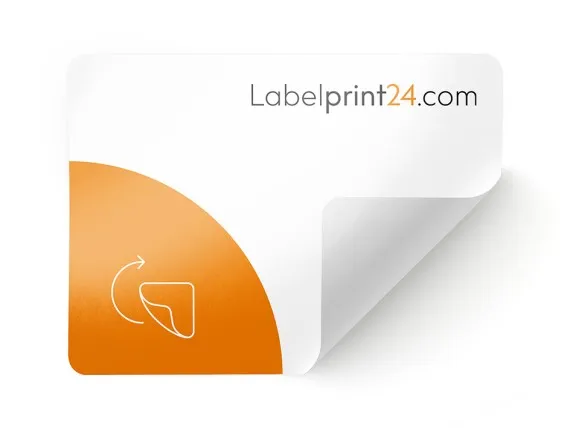
The formulation of removable adhesives is carefully balanced to provide sufficient adhesion for the label to remain in place during normal use whilst allowing clean removal when needed. This balance makes them particularly valuable for applications on delicate or valuable surfaces where damage from adhesive residue or removal attempts would be problematic. For example, removable labels are often used on glass, electronics, or high-end retail items where preserving the integrity of the surface is important.
Repositionable adhesives allow for initial placement adjustment before forming a more permanent bond. These are useful for applications where precise placement is critical, giving users the flexibility to reposition the label during application to ensure perfect alignment. This feature is particularly valuable for applications requiring exact positioning, such as alignment markers, decorative labels, or applications where the label must be precisely aligned with specific features of the product or packaging.
Specialised Adhesives
For challenging applications, specialised adhesives are available to meet specific needs. Cold-temperature adhesives maintain adhesion in freezing conditions, making them ideal for refrigerated or frozen products. These formulations remain flexible and tacky even at temperatures well below freezing, ensuring labels stay securely attached to products stored in refrigerators, freezers, or cold chain logistics. Hot-temperature adhesives can withstand high heat without degrading, perfect for applications exposed to heat during processing or use. These adhesives maintain their integrity even when exposed to temperatures that would cause standard adhesives to soften, flow, or lose their bond strength.
Chemical-resistant adhesives resist breakdown when exposed to solvents or chemicals, whilst ultra-removable adhesives are designed for extremely delicate surfaces where minimal adhesive residue is critical. Chemical-resistant formulations are particularly important for laboratory applications, industrial products, or items that may be exposed to cleaning agents or other harsh substances. Ultra-removable adhesives provide just enough tack to hold the label in place whilst ensuring absolutely clean removal, making them ideal for temporary labelling of documents, artwork, or other sensitive materials.
Application-Specific Label Materials
Different industries and applications have unique requirements for label materials. Understanding these specific needs is essential for selecting the right combination of facestock and adhesive. Each industry has developed standards and expectations for label performance based on the particular challenges and requirements of their products and distribution environments.
Cosmetic and Personal Care Labels
Cosmetic products often require labels that can withstand moisture, oils, and frequent handling whilst maintaining a premium appearance. For these applications, we recommend polypropylene or polyester films for moisture resistance, high-quality printing for brand image, and adhesives compatible with various container materials such as glass, plastic, and metal. The cosmetic industry places particular emphasis on label aesthetics, as packaging plays a crucial role in brand perception and consumer purchasing decisions.
Our labels for cream jars are specifically designed for cosmetic applications, offering strong adhesion whether applied to lids, bottoms, or sides. These labels are 100% customisable in size and available in glossy, matte, or transparent finishes to complement your brand aesthetic. The specialised adhesives used in these labels are formulated to maintain their bond even when exposed to oils, lotions, or frequent handling, ensuring they remain securely attached and visually appealing throughout the product's shelf life.
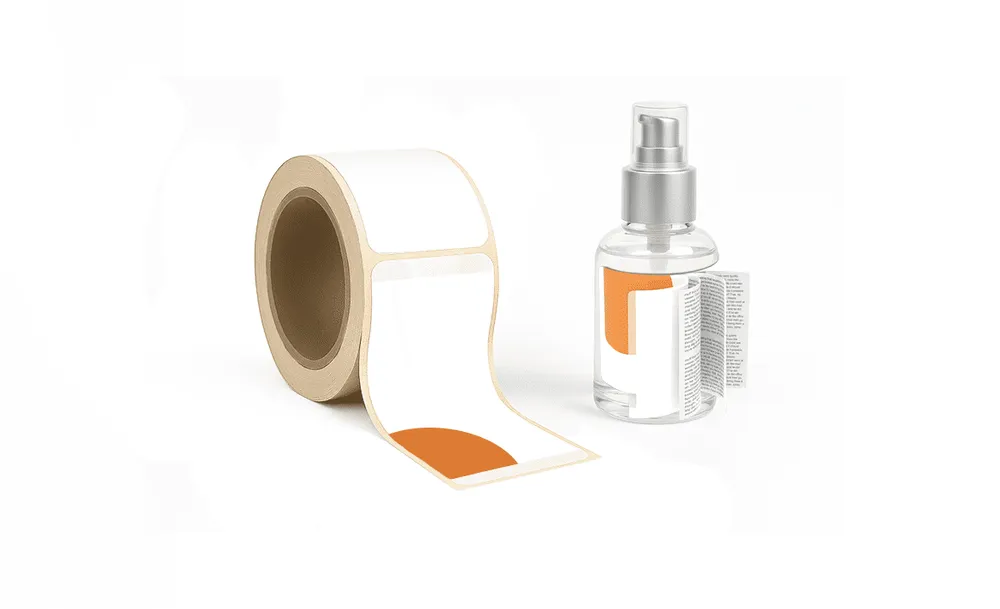
For cosmetic products requiring extensive information, booklet labels provide ample space for ingredients, usage instructions, and regulatory information whilst maintaining a clean, professional appearance. These multi-page labels are particularly valuable for products that must comply with stringent labelling regulations across multiple markets, as they can accommodate multiple languages and extensive ingredient lists without compromising the product's visual appeal. The construction of these labels ensures they remain securely attached and functional throughout the product's use, even in bathroom environments where exposure to moisture and handling is frequent.
Food and Beverage Labels
Food and beverage labels must comply with regulatory requirements whilst withstanding refrigeration, moisture, and handling. Key considerations include food-safe adhesives, moisture-resistant materials for refrigerated or frozen products, clear films for transparent "no-label look" on beverages, and materials compatible with various container surfaces like glass, plastic, and metal. Food safety is a primary concern, requiring adhesives that meet FDA standards for indirect food contact and materials that do not transfer substances to the food product.
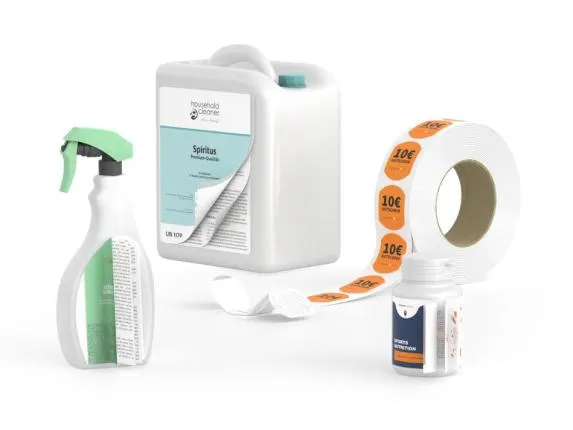
For wine and beverage applications, we offer specialised wine labels that combine aesthetic appeal with practical durability. These labels are designed to withstand condensation and refrigeration whilst maintaining their visual impact. Wine labels often require specialised materials that can conform to the curved surfaces of bottles whilst resisting the challenging conditions of ice buckets or refrigeration. Our materials are selected to maintain their appearance and adhesion even when subjected to these demanding conditions, ensuring your brand presentation remains impeccable from the shelf to the table.
When extensive information is required on food packaging, booklet labels provide an elegant solution. These labels are flexible in shape, design, and application, allowing for comprehensive ingredient lists, nutritional information, and multilingual content without cluttering the package design. Booklet labels are particularly valuable for products sold in multiple markets with different language requirements or for foods with extensive ingredient lists and nutritional information. The ability to include multiple pages of content whilst maintaining a clean, professional appearance makes these labels an increasingly popular choice for food manufacturers seeking to balance regulatory compliance with brand aesthetics.
Industrial and Durable Labels
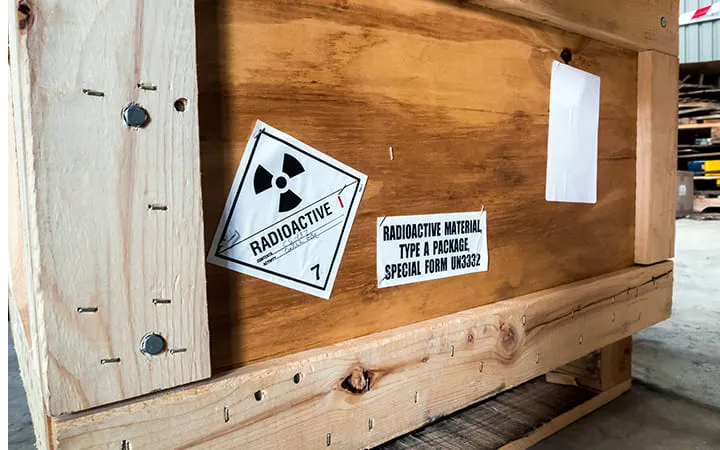
Industrial environments often expose labels to harsh conditions, including extreme temperatures, chemicals, UV radiation, and physical abrasion. For these demanding applications, we recommend polyester (PET) films for maximum durability, chemical-resistant adhesives, enhanced protection through lamination or varnishing, and high-performance inks that resist fading and chemical exposure. Industrial labels must maintain legibility and adhesion in conditions that would quickly degrade standard materials, requiring specialised constructions designed specifically for these challenging environments.
Our speciality labels are designed specifically for industrial applications. These robust, durable labels can withstand extreme environments whilst maintaining legibility and adhesion throughout their intended lifespan. The materials used in these labels are selected for their resistance to chemicals, abrasion, UV exposure, and temperature extremes, ensuring they remain functional and legible even in the most demanding industrial settings. Whether for equipment identification, safety warnings, or tracking assets, these specialised labels provide the durability and performance required for industrial applications.
Security and Tamper-Evident Labels
Security applications require specialised materials that provide visual evidence of tampering or unauthorised access. Key features include tamper-evident materials that show visible damage when removal is attempted, holographic elements for authentication, serialisation capabilities for tracking and verification, and void patterns that appear when labels are peeled. These security features serve both as deterrents to tampering and as indicators that tampering has occurred, helping protect products, packages, and equipment from unauthorised access or manipulation.
Labelprint24 offers security labels with hologram film that provide protection against manipulation. These labels are made from sealing-resistant PET material and are available in 100% free formats to meet your specific security requirements. The holographic elements incorporated into these labels are difficult to replicate, providing an additional layer of authentication and security. When removal is attempted, these labels show clear evidence of tampering, alerting users to potential security breaches and helping protect valuable assets, sensitive information, or regulated products from unauthorised access.

Special Features and Finishes
Beyond the basic materials, various finishes and special features can enhance both the appearance and functionality of your labels. These additional elements can transform standard labels into premium branding tools, improve durability in challenging environments, or add functional capabilities that address specific application requirements.
Surface Finishes
Surface finishes affect both the appearance and durability of labels. Gloss finishes provide a shiny, reflective surface that enhances colour vibrancy, making colours appear more vibrant and eye-catching. This high-shine finish creates a premium appearance that draws attention on retail shelves and is particularly effective for products targeting luxury markets or requiring high visual impact. Matte finishes offer a non-reflective finish with a sophisticated appearance, reducing glare and creating a premium feel. The subtle, understated elegance of matte finishes is often preferred for products positioning themselves as natural, artisanal, or sophisticated.
Satin finishes provide a middle ground between gloss and matte, offering subtle sheen without being too reflective. This balanced finish combines some of the colour enhancement of gloss with the sophisticated feel of matte, creating a versatile option that works well across various product categories and lighting conditions. Textured finishes create tactile interest and premium feel, adding a dimensional quality that can help products stand out on shelves. These finishes can simulate natural materials like linen, felt, or wood grain, creating a multi-sensory experience that enhances brand perception and encourages consumer interaction.
Protective Coatings
Protective coatings extend label life and enhance appearance by adding an extra layer of protection. Varnishes are available in gloss, matte, or satin finishes and provide moderate protection against moisture and abrasion. These liquid coatings are applied during the printing process and cure to form a protective layer that enhances the label's appearance whilst providing some resistance to handling, moisture, and light abrasion. Varnishes can also be applied selectively to create contrast between different areas of the label, such as highlighting specific design elements with a gloss varnish against a matte background.
Laminates provide maximum protection against moisture, chemicals, and abrasion, creating a durable barrier that significantly extends label life. These thin films are applied over the printed label and permanently bonded to the surface, creating a protective shield that prevents damage from handling, exposure to liquids, chemicals, or abrasive conditions. Laminates are available in various finishes, including gloss, matte, and satin, allowing for both protective and aesthetic enhancement. For labels exposed to particularly harsh conditions, laminates offer the highest level of protection, ensuring the label remains intact and legible throughout its intended lifespan.
UV coatings offer high gloss and protection from sunlight exposure, helping prevent fading and degradation from UV light. These specialised coatings are cured using ultraviolet light, creating a hard, durable surface that resists scratching, fading, and moisture. UV coatings typically provide a high-gloss finish with exceptional clarity and depth, enhancing colours and creating a premium appearance. The protection they offer against UV radiation is particularly valuable for labels that will be exposed to sunlight, helping prevent the fading and degradation that can occur with prolonged UV exposure.
Special Constructions
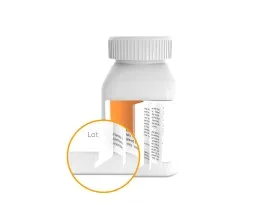
For applications requiring additional functionality, special label constructions are available to meet complex needs. Extended content labels are peel-back labels that provide additional space for information, allowing for more content than a standard label could contain. These constructions feature a top layer that can be lifted to reveal additional content underneath, effectively multiplying the available space for text and graphics without increasing the label's footprint on the package. This construction is particularly valuable for products requiring extensive regulatory information, detailed instructions, or content in multiple languages.
Booklet labels are multi-page labels for maximum content space, ideal for products requiring extensive information. These label constructions feature multiple pages bound together and attached to the product, providing significant space for detailed information whilst maintaining a clean, professional appearance. Booklet labels can contain multiple pages of content, including detailed instructions, comprehensive ingredient lists, multi-language information, or promotional content, making them ideal for pharmaceuticals, chemicals, cosmetics, and other products with extensive information requirements.
Our booklet labels are particularly versatile, offering multiple pages of content in a compact format. These labels are ideal for products requiring extensive information, such as pharmaceuticals, chemicals, or multilingual packaging. Available in various configurations, including free-form shapes and designs with flat tabs for easy opening, our booklet labels combine practical functionality with aesthetic appeal, allowing you to include all necessary information without compromising your package design.
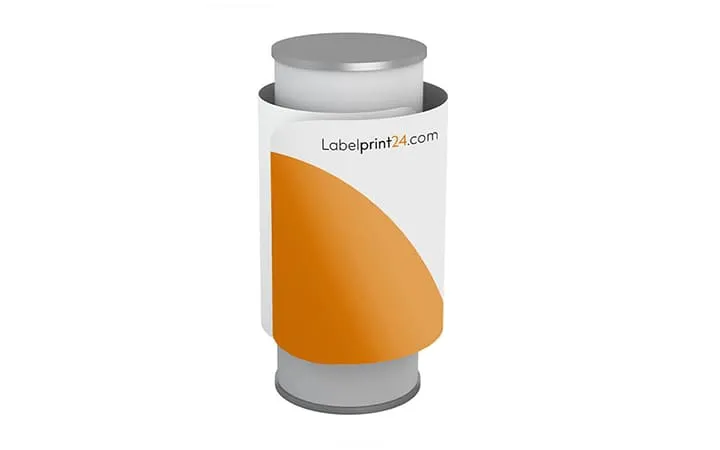
Piggyback labels feature two-layer constructions with a removable top label, useful for applications where a portion of the label needs to be removed and applied elsewhere. This construction consists of a base label with a second, removable label on top, allowing the top label to be peeled off and reapplied to another surface. Piggyback labels are commonly used for rebate offers, warranty registrations, or applications where information needs to be transferred from the product to another document or surface. Wrap-around labels are designed to encircle containers completely, providing 360-degree branding and information. These labels extend around the entire circumference of cylindrical containers, maximising the available space for branding, product information, and graphics whilst creating a seamless, professional appearance.
Environmental Considerations for Label Materials
When selecting label materials, it's important to consider the environmental conditions the label will face throughout its lifecycle. Understanding these conditions helps ensure you select materials that will maintain their appearance and functionality despite exposure to various environmental challenges.
Temperature Resistance
Temperature extremes can affect both the facestock and adhesive performance, potentially causing labels to fail if the wrong materials are selected. High-temperature environments require polyester (PET) materials and specialised adhesives that can withstand heat without degrading. PET films can typically withstand temperatures up to 300°F (149°C) without melting or deforming, making them ideal for applications involving heat exposure during processing, sterilisation, or use. Specialised high-temperature adhesives maintain their bond despite heat exposure that would cause standard adhesives to soften, flow, or lose adhesion.
Low-temperature applications need specially formulated adhesives that remain flexible in cold conditions, preventing the adhesive from becoming brittle and losing its bond. Standard adhesives often become hard and inflexible at low temperatures, reducing their ability to maintain contact with the application surface and potentially causing the label to lift or fall off. Cold-temperature adhesives are formulated to remain tacky and flexible even in freezing conditions, ensuring labels on refrigerated or frozen products stay securely attached throughout storage, transportation, and use.
Applications involving freeze-thaw cycles demand materials that can withstand repeated temperature fluctuations without deteriorating or losing adhesion. These cycles create particular challenges as materials expand and contract with temperature changes, potentially causing stress on both the facestock and the adhesive bond. Films with good dimensional stability, such as polyester, combined with adhesives formulated to maintain flexibility across a wide temperature range, provide the best performance in these challenging conditions.
Moisture and Chemical Exposure
For applications involving moisture or chemical exposure, special consideration must be given to material selection. When water exposure is expected, film materials like polypropylene or polyester provide water resistance that paper labels cannot match. These synthetic materials do not absorb water, preventing the wrinkling, distortion, and degradation that typically occur when paper labels become wet. For applications involving frequent or prolonged water exposure, such as bath products, beverages stored in ice, or products used outdoors, film materials are essential for maintaining label integrity and appearance.
For chemical contact, polyester with protective lamination offers maximum chemical resistance, preventing degradation from exposure to harsh substances. Different chemicals affect label materials in different ways, potentially causing discolouration, degradation of the facestock, or breakdown of the adhesive bond. Polyester films with appropriate protective laminates provide a barrier against many common chemicals, including alcohols, oils, mild acids, and bases. For applications involving specific chemicals, testing is recommended to ensure the selected materials will withstand the particular substances they will encounter.
When labels will be exposed to oil and grease, specialised adhesives maintain bond despite oily surfaces, ensuring labels remain securely attached. Standard adhesives often fail when applied to oily surfaces or when exposed to oils after application, as the oil interferes with the adhesive's ability to form a proper bond. Specialised oil-resistant adhesives are formulated to maintain their tackiness and bonding properties even in the presence of oils, making them ideal for applications in automotive, industrial, or food processing environments where oil exposure is common.
Our waterproof labels are specifically designed to withstand moisture, oily substrates, and chemicals. Available in various film materials, these labels maintain high print quality whilst providing the durability needed for challenging environments. The combination of water-resistant film materials and specialised adhesives ensures these labels remain securely attached and visually appealing despite exposure to conditions that would quickly degrade standard labels.
UV Exposure and Outdoor Applications
For labels exposed to sunlight or outdoor conditions, special materials and treatments are necessary to prevent degradation. UV-resistant materials prevent fading and degradation caused by sunlight exposure, ensuring labels remain legible and visually appealing. Ultraviolet radiation can cause standard inks to fade and materials to become brittle or discoloured over time, potentially rendering important information illegible or diminishing brand presentation. UV-resistant materials and UV-stable inks are formulated to withstand this radiation without significant degradation, maintaining their appearance and functionality despite prolonged sun exposure.
Protective laminates or varnishes extend outdoor lifespan by creating a barrier against UV rays and other environmental factors. These protective layers shield the printed image and base material from direct exposure to sunlight, moisture, and airborne contaminants, significantly extending the label's useful life in outdoor applications. For labels that will be exposed to particularly harsh outdoor conditions, such as those used on garden equipment, outdoor furniture, or building materials, these protective treatments are essential for maintaining legibility and appearance over time.
Specialised UV-stable inks maintain colour vibrancy even after prolonged exposure to sunlight, preventing the fading that can make important information difficult to read. Standard printing inks often fade quickly when exposed to UV radiation, with certain colours, particularly reds and blues, being especially susceptible to fading. UV-stable inks are formulated with pigments and binders that resist this degradation, maintaining their colour strength and clarity despite sun exposure. When combined with UV-resistant facestocks and protective finishes, these inks ensure outdoor labels remain vibrant and legible throughout their intended lifespan.
Printing Compatibility and Label Materials
Different printing technologies have specific material requirements for optimal results. Matching your label material to your preferred printing method is essential for quality and efficiency. The printing process significantly impacts which materials will provide the best results, as different technologies interact with materials in different ways and have specific requirements for optimal performance.
Digital Printing
Digital printing offers flexibility for short to medium runs with variable data capabilities, making it an increasingly popular choice for label production. This method works well with paper and film materials specifically treated for digital printing, ensuring proper ink adhesion and image quality. Digital printing technologies, including inkjet and laser printing, apply ink or toner directly to the material's surface without the need for printing plates, allowing for cost-effective production of short runs and enabling variable data printing where each label can contain unique information.
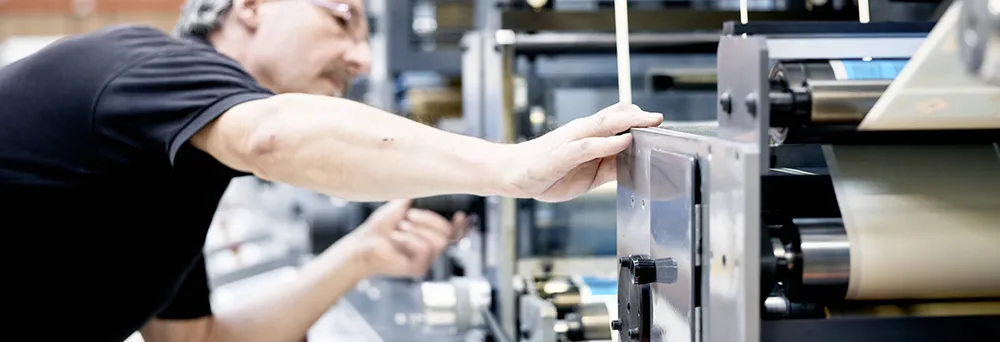
Digital printing requires materials with controlled surface energy for proper ink adhesion, as materials that are too porous or too smooth may not accept ink properly. Many film materials require special topcoats or treatments to achieve the proper surface characteristics for digital printing. These treatments modify the material's surface to accept and hold the ink or toner, preventing issues such as smudging, poor adhesion, or uneven coverage that can occur when printing on untreated films. For optimal results with digital printing, it's important to select materials specifically designed for this printing method, as standard materials may not provide acceptable print quality.
Flexographic and Offset Printing
Flexographic printing is ideal for high-volume production runs, offering excellent quality at competitive costs for large quantities. This printing method uses flexible plates and fast-drying inks, making it particularly well-suited for roll-to-roll label production. Flexographic printing works well with both paper and film materials and offers excellent colour consistency across long runs. The process is particularly efficient for producing large quantities of identical labels, making it the preferred choice for many commercial labelling applications where high volumes and consistent quality are required.
Offset printing provides the highest quality for complex graphics and fine detail work, though it's typically reserved for very high-volume applications due to setup costs. This printing method offers exceptional colour accuracy and can reproduce fine details and gradients that may be challenging for other printing methods. Offset printing works well with paper substrates and some treated films, providing sharp, professional results that are ideal for premium product labels where image quality is paramount.
Both flexographic and offset printing require careful material selection to ensure proper ink adhesion and transfer. The surface characteristics of the facestock material must be compatible with the specific inks and printing processes being used. Some synthetic materials may require corona treatment or other surface modifications to achieve optimal printability with these conventional printing methods.
Thermal Transfer and Direct Thermal Printing
Thermal transfer printing is widely used for barcode labels, shipping labels, and variable data applications. This method uses heat to transfer ink from a ribbon onto the label material, creating durable, high-resolution prints. Thermal transfer printing works well with both paper and synthetic materials, though the choice of ribbon type (wax, wax-resin, or resin) must be matched to the facestock for optimal results. Thermal transfer labels are particularly valuable for applications requiring on-demand printing with excellent barcode quality and durability.
Direct thermal printing eliminates the need for ribbons by using heat-sensitive materials that darken when exposed to heat from the printer's thermal printhead. This method is cost-effective for short-term applications such as shipping labels, receipts, and temporary identification labels. However, direct thermal labels can fade over time when exposed to heat, light, or chemicals, making them less suitable for long-term applications. The choice between thermal transfer and direct thermal printing depends on the required label lifespan, environmental conditions, and cost considerations.
For optimal performance with thermal printing technologies, materials must be specifically formulated to work with the heat-based printing process. The surface coating on thermal transfer materials must be designed to accept the heat-activated ink from the ribbon, whilst direct thermal materials require heat-sensitive chemistry that produces consistent, clear images when exposed to the thermal printhead.
Cost Considerations and Material Selection
When selecting label materials, balancing performance requirements with cost considerations is essential for making practical decisions. Understanding the factors that influence material costs helps in making informed choices that meet both performance and budget requirements. The total cost of ownership includes not only the initial material cost but also considerations such as printing costs, application efficiency, and potential costs associated with label failure or replacement.
Material Cost Factors
The cost of label materials varies significantly based on several factors. Paper materials are generally the most economical option, with uncoated papers being less expensive than coated varieties. The cost increases with special features such as thermal coatings, security features, or specialised surface treatments. Film materials typically cost more than paper but offer superior durability and performance in challenging environments. Among films, polypropylene is usually the most economical synthetic option, whilst polyester and speciality films command higher prices due to their enhanced performance characteristics.
Adhesive type also impacts cost, with permanent adhesives generally being less expensive than removable or speciality formulations. High-performance adhesives designed for extreme temperatures, chemical resistance, or specific surface types typically carry premium pricing. The complexity of the adhesive formulation and the specificity of its performance characteristics directly influence its cost, making it important to select only the performance level actually required for the application.
Volume considerations significantly affect pricing, as larger quantities typically provide better unit costs. However, inventory considerations must be balanced against volume discounts, particularly for applications with variable demand or seasonal requirements. Custom sizes, special shapes, or unique constructions may also impact pricing compared to standard offerings.
Performance vs. Cost Analysis
When evaluating materials, it's important to consider the total cost of ownership rather than just the initial material cost. A more expensive material that provides longer service life, better adhesion, or resistance to environmental factors may actually be more economical than a cheaper alternative that requires frequent replacement or results in product liability issues. For applications where label failure could result in product recalls, safety concerns, or brand damage, investing in higher-quality materials often provides better overall value.
The printing method also influences the cost equation, as some materials may require specialised inks, longer curing times, or additional processing steps that impact the total production cost. Materials that are optimised for your chosen printing method may provide better efficiency and lower total costs despite potentially higher material prices.
Application efficiency affects labour costs and overall productivity. Materials that are easier to apply, have better release characteristics, or require less precise application conditions can reduce labour costs and improve production efficiency. For high-volume applications, these factors can significantly impact the total cost per labelled product.
Value Engineering Considerations
Value engineering involves optimising the balance between performance and cost to achieve the best overall value for your specific application. This process starts with clearly defining the minimum performance requirements for your application, including environmental conditions, required lifespan, appearance standards, and regulatory requirements. Once these baseline requirements are established, materials can be evaluated to find options that meet these needs without over-engineering.
Consider whether all features of a premium material are necessary for your application. For example, if chemical resistance is not required, selecting a material with this capability adds unnecessary cost. Similarly, if the label will be used indoors in controlled conditions, outdoor-rated materials may be unnecessarily expensive. However, be cautious not to under-specify, as the cost of label failure often far exceeds the savings from choosing less expensive materials.
Future requirements should also be considered, as selecting materials that can accommodate potential changes in application conditions or requirements may provide better long-term value than optimising solely for current needs. This is particularly important for product labels where changing market requirements or expansion into new geographic regions might necessitate different performance characteristics.
Quality Control and Testing
Proper quality control and testing ensure that selected label materials will perform as expected in their intended applications. Testing should begin early in the material selection process and continue through production to verify consistent performance. A comprehensive testing programme helps identify potential issues before they affect production or end-use performance.
Material Testing Protocols
Adhesion testing is fundamental to ensuring label performance, as proper adhesion is critical for most labelling applications. Testing should include initial tack, building of adhesion over time, and performance under expected environmental conditions. Peel strength testing measures the force required to remove a label from the application surface, helping verify that the adhesive strength matches the application requirements.
Environmental testing subjects materials to the conditions they will encounter in actual use, including temperature extremes, humidity exposure, chemical contact, and UV radiation. Accelerated ageing tests can simulate long-term exposure in a shorter timeframe, helping predict how materials will perform over their intended lifespan. These tests are particularly important for outdoor applications or products with long shelf lives.
Print quality testing ensures that the selected materials will produce acceptable results with your chosen printing method. This includes testing for ink adhesion, image sharpness, colour reproduction, and resistance to smudging or fading. Testing should be conducted using the actual printing equipment and processes that will be used in production to ensure realistic results.
Application Testing
Real-world application testing provides the most reliable indicator of how materials will perform in actual use. This testing should include applying labels to actual product containers or surfaces using standard application procedures. Labels should then be subjected to the environmental conditions and handling they will encounter throughout the product lifecycle.
Storage and transportation testing simulates the conditions labels will experience from application through end use. This may include exposure to various temperatures, humidity levels, vibration, and handling. Testing should also include any special conditions unique to your application, such as sterilisation processes, chemical exposure, or extreme temperature variations.
End-user testing evaluates how labels perform during actual product use, including any removal requirements, exposure to consumer handling, and performance in the intended use environment. This testing often reveals factors that may not be apparent in laboratory testing but can significantly impact label performance in real-world conditions.
Supplier Quality Assurance
Working with reputable suppliers who have established quality systems helps ensure consistent material performance. Quality suppliers should provide material specifications, test data, and certification that materials meet relevant standards and regulations. They should also have systems in place to track and control material consistency across production lots.
Incoming inspection procedures should verify that received materials meet specifications and are consistent with tested samples. This may include visual inspection, measurement of key characteristics, and periodic testing of critical properties. Establishing clear acceptance criteria and communication with suppliers helps maintain quality standards.
Supplier partnerships that include technical support, material recommendations, and assistance with application issues can significantly improve the success of your labelling programme. Suppliers with expertise in your specific industry or application can provide valuable insights and recommendations that improve both performance and cost-effectiveness.
Conclusion
Selecting the right label materials is a critical decision that directly impacts product presentation, brand perception, regulatory compliance, and operational efficiency. This comprehensive guide has explored the fundamental aspects of label material selection, from understanding the basic components of facestock, adhesive, and finishing options to considering the specific requirements of different industries and applications.
The choice between paper and film materials depends largely on the environmental conditions and performance requirements of your specific application. Whilst paper materials offer excellent printability and cost-effectiveness for controlled indoor environments, film materials provide the durability and resistance necessary for challenging conditions involving moisture, chemicals, temperature extremes, or outdoor exposure. Understanding these trade-offs enables you to select materials that provide the right balance of performance and cost for your needs.
Adhesive selection is equally critical, as the best facestock material cannot perform properly without an appropriate adhesive formulation. Whether you need permanent bonding for product identification, removable adhesion for temporary applications, or specialised formulations for challenging surfaces or environmental conditions, matching the adhesive to your specific requirements ensures reliable label performance throughout the product lifecycle.
Application-specific considerations highlight the importance of understanding your industry's unique requirements and challenges. From food safety regulations requiring FDA-approved materials to industrial applications demanding chemical resistance and extreme temperature performance, each application has specific needs that must be addressed through proper material selection. Security applications require specialised tamper-evident features, whilst cosmetic applications prioritise aesthetic appeal alongside functional performance.
The importance of protective finishes and special constructions cannot be overlooked when labels must perform in demanding environments or provide enhanced functionality. Laminates, varnishes, and UV coatings can significantly extend label life and improve appearance, whilst specialised constructions like booklet labels and tamper-evident designs provide solutions for complex labelling challenges.
Environmental considerations, printing compatibility, and cost factors all play important roles in the material selection process. Understanding how temperature, moisture, chemicals, and UV exposure affect different materials helps ensure your labels maintain their appearance and functionality throughout their intended lifespan. Matching materials to your printing process ensures optimal quality and efficiency, whilst balancing performance requirements with cost considerations enables practical decision-making that meets both operational and budgetary constraints.
Quality control and testing provide essential verification that selected materials will perform as expected in real-world conditions. Proper testing protocols, from initial material evaluation through production quality control, help identify potential issues before they affect product quality or brand reputation.
At Labelprint24, we understand the complexity of label material selection and offer a comprehensive range of solutions to meet diverse application requirements. From our waterproof labels for challenging environments to our booklet labels for extensive information requirements, our materials are selected and tested to provide reliable performance across a wide range of applications.
Whether you're developing new products, improving existing labelling solutions, or exploring options for challenging applications, investing time in proper material selection pays dividends in improved product presentation, reduced warranty issues, enhanced brand perception, and operational efficiency. The complexity of modern labelling requirements demands careful consideration of all factors discussed in this guide, but the result is labels that not only meet functional requirements but also contribute positively to your product's success in the marketplace.
By following the principles and considerations outlined in this guide, you can make informed decisions that result in labelling solutions that perform reliably, look professional, and provide the functionality your application requires. Remember that the best label material is not necessarily the most expensive or technically advanced option, but rather the one that best matches your specific requirements whilst providing good value for your investment.