


 BY Christoph Zumdick IN Industry knowledge
Trends in Label Design for 2026
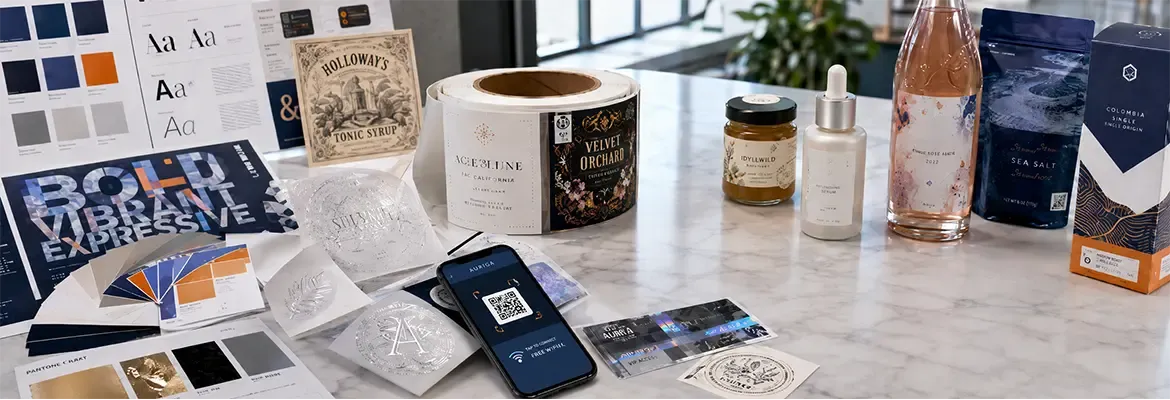
What to Expect in Label Design for 2026
- Smart label technology with QR codes and NFC integration
- Premium finishing techniques like embossing and foil stamping
- Bold typography and experimental font treatments
- Dual design approaches: minimalism and maximalism
- Personalisation through variable data printing
- Retro and vintage-inspired elements with modern execution
- Enhanced functionality with multi-page booklet labels
- Advanced security features for product authenticity
Introduction to Label Design Trends for 2026
Label design is changing fast, with new trends showing up based on what customers like, new technology, and what the market needs. Looking ahead to 2026, some exciting new developments will change how brands present themselves on labels. At Labelprint24, we're keeping up with these new ideas, helping businesses make labels that look good and also work well for brand recognition in stores and online.
Label design isn't just about looking pretty anymore – it's about creating an experience for customers, giving them the information they need, and building brand identity in a competitive marketplace. The trends coming for 2026 show a deep understanding of how customers think, what technology can do, and design principles that go beyond just visual appeal. Today's label design needs to follow rules, tell brand stories, and be practical whilst still catching your eye in busy stores where people make quick decisions.
In this guide, we'll look at the biggest label design trends expected for 2026. From new printing techniques to creative design approaches, these trends will help brands stand out on shelves and connect with customers. Whether you sell cosmetics, food and drinks, or anything else that needs good labelling, knowing these trends will give you an edge. We'll show how these design elements can be used to make your products look better, be more recognisable, engage customers, and ultimately make people want to buy them in stores and online.
Smart Label Technology Integration
In 2026, smart label technology will be a top innovation in label design. This trend goes beyond regular static labels to create interactive experiences that engage customers and provide useful information. Adding digital elements to physical packaging marks a big change in how brands talk to customers, offering new ways to engage, educate, and build brand loyalty.
QR Codes and NFC Tags
QR codes and Near Field Communication (NFC) tags are getting more advanced, letting brands connect their physical products with digital content. When customers scan these elements with their phones, they can see product information, instructions, proof of authenticity, or promotional content. These technologies have grown beyond simple website links to create immersive brand experiences that can be updated in real-time without changing the physical label.
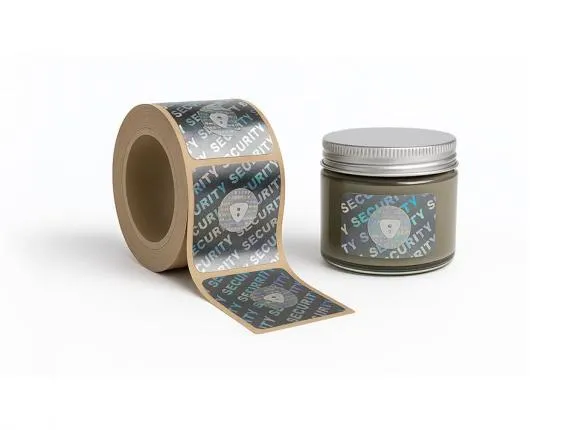
At Labelprint24, we're seeing more demand for security labels that include these smart elements. Our security labels for cosmetic products provide visible protection and can include verification technology, giving brands extra authenticity confirmation. These advanced security features protect brand integrity and build customer trust in a time when fake products are becoming more common in global markets.
Augmented Reality Features
Augmented Reality (AR) is making labels even more interactive. By 2026, we expect more brands to add AR features to their labels, letting customers visualise products in use, watch tutorials, or enjoy fun brand experiences just by pointing their phones at the label. This technology connects physical and digital retail experiences, giving online shoppers the kind of product interaction that was only possible in stores before, whilst making in-store experiences better with digital content.
This technology is especially valuable for industries where showing how products work is important, like cosmetics or speciality food products. Our labels for cosmetic cream jars are made to work with these advanced printing techniques whilst still looking good and sticking well. The technical challenges of putting AR markers into good-looking designs require sophisticated printing capabilities that maintain visual quality whilst ensuring reliable digital functionality.
Premium Finishing Techniques
In 2026, premium finishing techniques will continue to improve label design, creating touch experiences that engage customers' senses and show brand quality. As online shopping grows, these physical elements become more important differentiators that can't be copied in online images, creating memorable in-person experiences that improve brand perception and recognition across all shopping channels.
Embossing and Debossing
Texture adds a new dimension to label design, both literally and figuratively. Embossing and debossing techniques create raised or lowered areas on labels, adding touch interest and visual depth. This technique works especially well for luxury products where the sensory experience starts with the packaging. The way light and shadow play on embossed surfaces creates subtle visual effects that change as customers handle the product, creating an engaging, dynamic presentation that flat printing can't achieve.
At Labelprint24, we offer embossing options for various label types, including our premium cosmetic labels and wine bottle labels. These techniques not only make labels look better but also create memorable touch experiences that strengthen brand recognition. The precision needed for good embossing requires special equipment and expertise, making sure that the effect improves rather than distorts the underlying design elements whilst maintaining structural integrity across the entire production run.
Foil Stamping and Metallics
Metallic elements remain popular in label design, with foil stamping providing a luxurious finish that catches the light and draws attention. In 2026, we expect to see more creative uses of metallics, including combination techniques where foil is applied over embossed areas for maximum impact. The versatility of modern foiling techniques allows for everything from subtle accents that highlight specific design elements to bold, dramatic applications that transform the entire label surface with reflective properties that create dynamic visual effects as lighting conditions change.
Our labels for lipsticks and balms often include these premium finishing techniques, helping these small products stand out on crowded cosmetic counters. The reflective properties of foil can highlight key brand elements or create eye-catching patterns that differentiate products within a line. The technical precision required for applying foil to small, curved surfaces shows the sophisticated capabilities needed for successful implementation of these premium finishes on challenging product formats.
Typography Trends in Label Design
Typography will continue to be a crucial element in label design in 2026, with several trends emerging that balance creativity with readability. As the visual language of brands becomes more sophisticated, typography serves as both functional communication and expressive brand voice, requiring thoughtful integration of style and substance to create effective label designs.
Bold, Oversized Fonts
Making a statement through typography will be a dominant trend in 2026. Bold, oversized fonts that command attention are becoming more popular, especially for primary brand names on labels. This approach ensures visibility on shelves and creates immediate brand recognition. The strategic use of scale in typography creates clear hierarchies that guide consumer attention, allowing brands to emphasise key selling points whilst maintaining overall design harmony through careful balance of proportions and empty space.
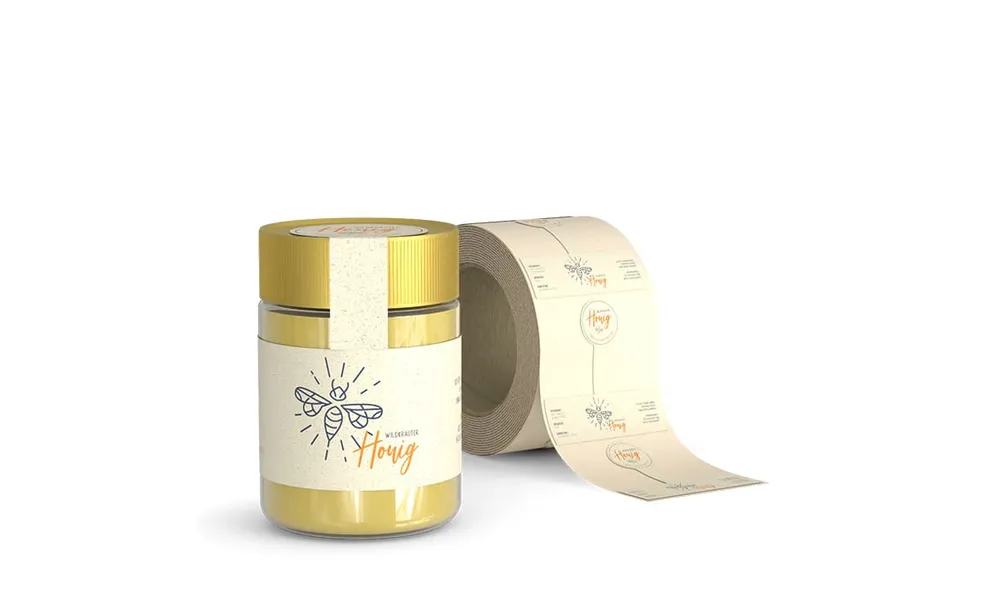
Our honey labels often use this approach, with bold typography that stands out against natural backgrounds. The key is balancing these dominant typographic elements with enough white space to avoid overwhelming the design. The technical considerations for implementing oversized typography include ensuring proper ink coverage and colour consistency across large solid areas, as well as maintaining precise registration when multiple colours are involved in creating these bold typographic statements.
Experimental Typography
Beyond size, typographic experimentation will flourish in 2026. This includes custom lettering, hand-drawn fonts, distressed treatments, overlapping text elements, and unconventional orientations. These experimental approaches help brands create distinctive identities that stand out in crowded markets whilst expressing personality and connecting emotionally with consumers.
At Labelprint24, we work with brands to develop unique typographic solutions that match their identity whilst ensuring that essential information remains readable. Our high-quality printing processes ensure that even the most intricate typographic designs are reproduced with precision. The technical expertise required for successful execution of experimental typography includes understanding how different printing methods and materials affect the reproduction of fine details and unusual forms, ensuring that creative vision translates effectively to the finished product.
Minimalism vs. Maximalism in Label Design
In 2026, we'll continue to see two contrasting approaches to label design: minimalism and maximalism. Rather than one dominating the other, these approaches will coexist, each serving different brand purposes and target audiences. This split reflects broader cultural trends where consumers seek either simplicity and clarity in an overwhelming world or rich, immersive experiences that provide escape and stimulation from the ordinary, creating opportunities for strategic positioning through deliberate design choices.
Refined Minimalism
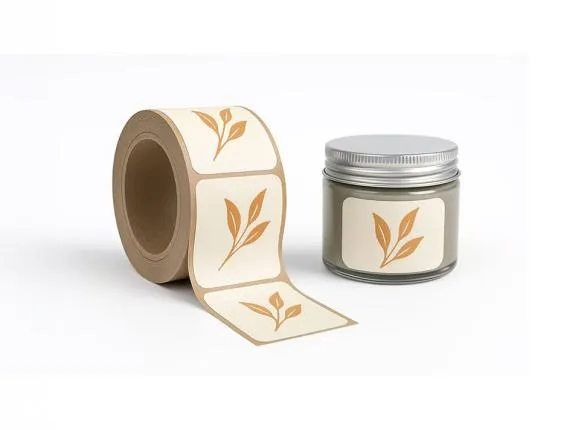
Minimalist label design focuses on simplicity, with clean layouts, plenty of white space, and carefully selected design elements. This approach communicates sophistication and allows key information to stand out without distraction. The discipline required for successful minimalist design lies in the careful selection of elements, where each component must earn its place through meaningful contribution to the overall communication goals, creating designs where nothing can be removed without reducing the effectiveness of the whole.
Our labels for cream jars often use minimalist design principles, allowing the product itself to take centre stage whilst the label provides necessary information in an elegant, unobtrusive way. This approach works especially well for premium cosmetic brands that want to show refinement and quality. The technical execution of minimalist designs requires exceptional attention to detail, as any imperfection becomes immediately apparent without the camouflage of complex elements, demanding precision in colour consistency, registration, and finishing techniques.
Expressive Maximalism
On the opposite end of the spectrum, maximalist label design embraces abundance, with rich colours, patterns, illustrations, and multiple design elements creating an immersive visual experience. This approach can tell complex brand stories and create memorable, distinctive packaging. The strategic layering of elements in maximalist design creates depth and discovery, rewarding repeated viewing with new details and creating opportunities for consumers to develop deeper connections with brands through extended engagement with their visual narratives.
For products that require extensive information, such as food items with ingredient lists or cosmetics with application instructions, our booklet labels for cosmetic products provide an elegant solution. These labels maintain a clean exterior whilst housing detailed information inside, effectively combining minimalist aesthetics with informational depth. The structural design of these specialised labels must balance visual appeal with functional considerations like ease of opening, durability through multiple uses, and maintaining adhesion to the product container throughout its lifecycle.
Advanced Security Features in Labels
As fake products continue to cause problems across industries, security features in label design will become more sophisticated in 2026. The global counterfeit market continues to grow, threatening brand integrity, consumer safety, and business profits, making advanced security features no longer optional but essential components of comprehensive brand protection strategies for companies across price points and product categories.
Tamper-Evident Elements
Tamper-evident labels that visibly change when a package has been opened provide crucial security for products where authenticity and safety are concerns. These features not only protect consumers but also safeguard brand reputation. The psychological impact of visible security features extends beyond their functional purpose, communicating brand commitment to consumer safety and product integrity, building trust that influences purchasing decisions and brand loyalty in categories where authenticity concerns affect consumer confidence.
Our security labels for cosmetic products include visible protection features that cannot be copied, giving peace of mind to both brands and consumers. These labels are designed to look good whilst serving their crucial security function. The technical engineering behind effective tamper-evident features involves specialised materials and adhesives that create irreversible visual changes when tampering occurs, requiring expertise in both security technology and material science to create solutions that are both effective and aesthetically compatible with brand design standards.
Holographic and Special Effect Features
Holographic elements and special optical effects add both security and visual appeal to labels. These features are difficult to counterfeit, making them effective deterrents against product forgery whilst creating premium visual impressions that enhance brand perception. Advanced holographic technologies can incorporate multiple security layers, including microtext, hidden images, and colour-shifting effects that provide authentication methods for both consumers and brand protection specialists.
For products that need the highest level of security, our folding boxes with security tabs provide both physical and visual security features. These packaging solutions are particularly valuable for pharmaceuticals, premium cosmetics, and other products where authenticity is paramount. The structural design of these specialised packaging solutions combines multiple security approaches in a single product, creating comprehensive protection that addresses various types of tampering and counterfeiting attempts whilst maintaining ease of legitimate use for authorised consumers.
Multi-Page and Extended Content Labels
The demand for more product information, driven by consumer interest and regulatory requirements, will continue to influence label design in 2026, with multi-page solutions gaining popularity. As consumers seek greater transparency about ingredients, sourcing, and usage instructions, and as regulatory bodies require more comprehensive product information, traditional single-panel labels often cannot fit the volume of content required without compromising design aesthetics or readability.
Booklet Labels
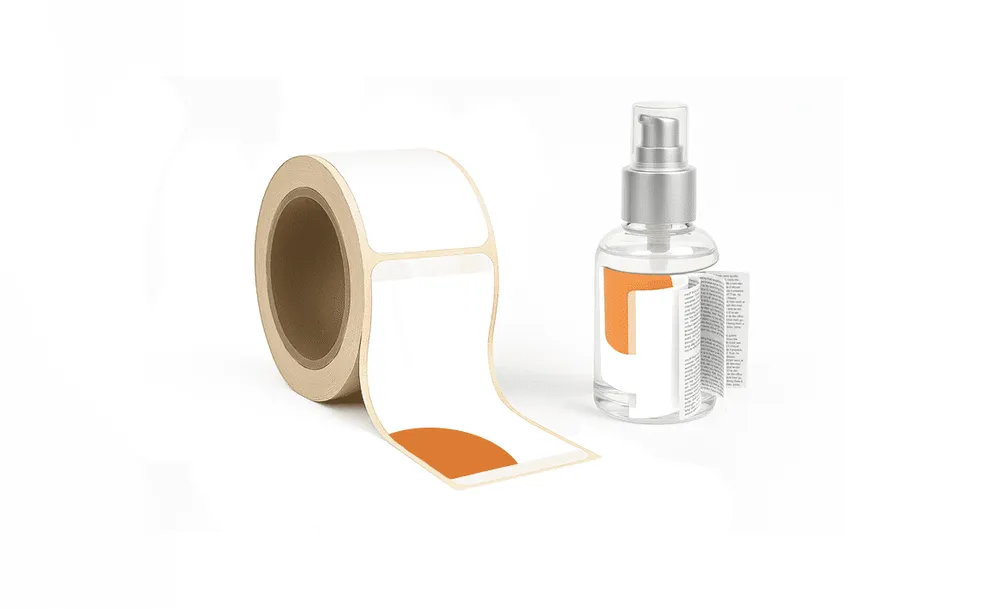
Booklet labels provide extensive information space whilst maintaining an attractive exterior. These multi-page labels are ideal for products that require detailed instructions, ingredient lists, or multilingual content. The innovative structure of booklet labels effectively multiplies the available space without increasing the product's footprint, allowing brands to satisfy information requirements whilst maintaining shelf impact and design integrity that would be compromised by crowding excessive text onto standard labels.
Our booklet labels for cosmetic products offer plenty of space for information in a compact format. They're perfect for cosmetics with mandatory details, providing a multi-page, space-saving solution that sticks reliably to jars and bottles. The technical engineering behind effective booklet labels involves specialised adhesives that maintain secure attachment whilst allowing repeated opening and closing, durable hinge constructions that withstand multiple uses, and printing techniques that ensure content remains legible across all pages despite the compact format and potential exposure to product contents.
Peel-and-Reveal Labels
For products where detailed information is essential but space is limited, our labels with reverse side printing offer an innovative solution. These labels use transparent materials to display information on both sides, effectively doubling the available space without increasing the label size. The technical execution of reverse side printing requires precise colour management and registration to ensure that content on both sides remains distinct and readable, with specialised inks and substrates that maintain clarity and prevent bleed-through that would compromise readability.
Peel-and-reveal constructions allow brands to include regulatory information, usage instructions, and promotional content beneath a top layer that maintains aesthetic appeal whilst protecting the hidden content from damage. These labels work particularly well for promotional campaigns where scratch-off elements or hidden codes can drive customer engagement and interaction with the brand.
Personalisation and Variable Data Printing
Personalisation will be a key trend in label design for 2026, with advances in digital printing making customised labels more accessible to brands of all sizes. As consumers increasingly expect personalised experiences across all aspects of their lives, packaging personalisation offers brands opportunities to create deeper connections, drive engagement, and differentiate products in competitive markets through tailored visual and informational content that resonates with specific audience segments or even individual consumers.
Variable Data Printing
Variable data printing allows elements of a label design to change from one label to the next without slowing the printing process. This technology enables personalisation at scale, from simple name changes to completely different designs within the same product line. The efficiency of modern digital printing systems makes variable content economically viable for production runs of all sizes, democratising access to personalisation capabilities previously available only to large brands with substantial marketing budgets, and enabling more agile, responsive approaches to market segmentation and targeting.
At Labelprint24, our digital printing capabilities support variable data printing for various label types, including our popular bottle labels. This technology is particularly valuable for limited editions, regional variations, or personalised gift products. The quality control systems required for variable data printing must verify individual label variations whilst maintaining production efficiency, ensuring that personalised elements are correctly implemented whilst preserving consistent brand elements and overall print quality across all variations.
Seasonal and Limited Edition Variations
For food products like honey, seasonal label variations can reflect harvest times or flavour profiles, creating authentic connections with consumers interested in artisanal products. Our high-quality printing ensures that even subtle design variations are reproduced accurately, maintaining brand integrity across different editions. The production planning for seasonal and limited editions requires careful coordination of design development, approval timelines, and manufacturing schedules to ensure timely market availability whilst maintaining quality standards across transitional periods where multiple versions may be in production simultaneously.
Limited edition labels create urgency and collectability, encouraging purchase decisions and fostering brand loyalty among consumers who appreciate exclusive offerings. The strategic use of limited editions can also test new design directions or market segments with reduced risk, providing valuable insights for broader product line developments.
Retro and Vintage-Inspired Elements
Nostalgia continues to be a powerful force in design, with retro and vintage-inspired elements expected to feature prominently in label design throughout 2026. In an era of rapid technological change and digital saturation, design elements that remind people of simpler times create emotional connections with consumers seeking authenticity and connection to traditions, whilst also providing distinctive visual differentiation in markets where contemporary minimalism has become common.
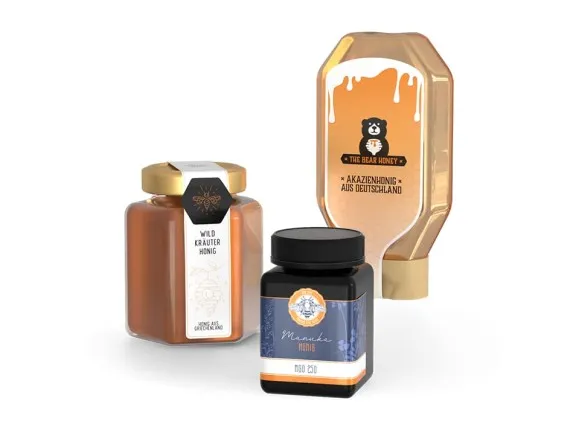
Modern Vintage
Rather than simply copying old designs, the trend for 2026 is "modern vintage" – combining retro elements with contemporary design principles and production techniques. This approach creates a sense of heritage and authenticity whilst remaining fresh and relevant. The strategic balance between nostalgic references and modern execution prevents designs from feeling dated or clichéd, instead creating fresh interpretations that resonate with both older consumers who recognise the original references and younger audiences discovering these aesthetic traditions for the first time.
Our honey labels and wine bottle labels often include these vintage-inspired elements, creating a sense of tradition and craftsmanship that resonates with consumers seeking authentic products. Our printing techniques ensure that these retro designs maintain their character whilst benefiting from modern production quality. The technical challenge in executing modern vintage designs lies in recreating historical printing effects like letterpress impressions or colour limitations with contemporary equipment that was designed for precision rather than the charming imperfections that characterised original vintage printing methods.
Heritage Typography and Ornamental Elements
Vintage-inspired typography plays a crucial role in creating nostalgic appeal. Serif fonts, decorative scripts, and ornamental borders evoke different historical periods, from Victorian elegance to mid-century modern simplicity. These typographic choices communicate craftsmanship, tradition, and attention to detail that appeal to consumers seeking quality and authenticity.
At Labelprint24, our printing capabilities allow for precise reproduction of these typographic styles, including techniques that mimic letterpress printing or other historical methods. These details help create authentic vintage-inspired labels that stand out in contemporary markets. The expertise required for effective implementation of historical typography includes understanding the original context and characteristics of these styles, ensuring that their application is historically appropriate whilst still meeting modern functional requirements for legibility and reproduction quality.
Colour Trends for 2026 Label Design
Colour choices significantly impact consumer perception and purchasing decisions. The colour trends for 2026 reflect broader cultural movements, technological capabilities, and market positioning strategies that brands can leverage to create distinctive, appealing labels.
Bold, Saturated Colours
After years of muted, earth-toned palettes, 2026 will see a resurgence of bold, saturated colours that command attention on crowded shelves. Vibrant blues, deep reds, and electric greens will help products stand out whilst conveying energy and confidence. These bold colour choices work particularly well for brands targeting younger demographics or positioning products as innovative and contemporary.
Sophisticated Neutrals
Conversely, sophisticated neutral palettes continue to appeal to premium and minimalist brands. Warm greys, soft taupes, and muted pastels communicate elegance and refinement. These subtle colours often work in combination with premium finishing techniques like embossing or soft-touch laminates to create luxurious impressions without visual loudness.
Unexpected Colour Combinations
Breaking conventional colour pairing rules will be a hallmark of innovative label design in 2026. Unexpected combinations that challenge traditional colour theory create memorable visual impacts that differentiate brands from competitors following more conservative approaches. The key to successful unconventional colour pairing lies in maintaining sufficient contrast for readability whilst creating harmonious overall compositions.
Conclusion
The label design trends for 2026 reflect an exciting convergence of technological innovation, creative expression, and strategic brand positioning. From smart labels that bridge physical and digital experiences to premium finishes that engage multiple senses, the coming year offers unprecedented opportunities for brands to connect with consumers through thoughtfully designed packaging.
The coexistence of seemingly contradictory trends—minimalism and maximalism, retro and futuristic, personalised and mass-produced—demonstrates the diversity of approaches available to brands seeking to differentiate themselves in competitive markets. The key to successful label design in 2026 lies not in following every trend but in selecting those that align with your brand values, target audience, and product positioning.
Smart technology integration represents perhaps the most transformative trend, enabling brands to create dynamic relationships with consumers that extend far beyond the initial purchase. QR codes, NFC tags, and AR features transform static labels into interactive platforms for engagement, education, and authentication. As counterfeit products continue to threaten brand integrity, advanced security features become essential rather than optional components of comprehensive packaging strategies.
Premium finishing techniques continue to gain importance as physical retail experiences compete with the convenience of e-commerce. Embossing, foil stamping, and textured coatings create memorable tactile experiences that cannot be replicated through online images, making the in-store discovery of products more rewarding and reinforcing quality perceptions that justify premium pricing.
Typography remains a powerful tool for brand expression, with 2026 seeing both bold, oversized approaches that command attention and experimental treatments that create distinctive brand voices. The careful balance between creative expression and functional readability will separate successful implementations from mere novelty.
At Labelprint24, we're committed to helping brands navigate these trends with expertise and innovation. Our comprehensive range of adhesive labels, booklet labels, and security labels provides solutions that incorporate the latest design trends whilst maintaining the quality and functionality that successful products demand.
As you plan your label designs for 2026, remember that the most effective approach combines trend awareness with deep understanding of your brand identity and consumer needs. Not every trend will be appropriate for every product, but by selecting elements that resonate with your brand story and target audience, you can create labels that not only look contemporary but also drive meaningful connections with consumers and deliver measurable business results.
The future of label design is bright, diverse, and full of possibilities. Whether you're drawn to minimalist sophistication or maximalist expression, vintage nostalgia or cutting-edge technology, the tools and techniques are available to bring your vision to life. The labels you create today will shape consumer perceptions, drive purchasing decisions, and build brand equity for years to come. Invest thoughtfully in design that reflects your brand's unique personality whilst incorporating innovations that enhance functionality and consumer engagement.