





 BY Christoph Zumdick IN Industry knowledge
The Role of Labels in Product Packaging
Introduction: The Critical Function of Labels in Modern Packaging
In today's competitive marketplace, product packaging is more than just a protective container. Labels are the silent communicators that share important information whilst catching consumer attention. They are one of the most important connections between brands and consumers, playing a key role in purchase decisions and brand perception.
Labels turn ordinary packaging into powerful marketing tools, sharing product information, meeting regulations, showing brand identity, and creating emotional connections. When designed well, they guide consumers through buying decisions, building trust and creating loyal customers. High-quality custom labels are especially important in industries where products look similar, as they can greatly influence how consumers see and choose products.
Recent studies show 83% of consumers read product labels before buying, and 64% pay more attention to labels now than five years ago. This growing focus on label content shows how important it is to design labels that not only look good but also provide clear, accurate information that builds trust and meets legal requirements. Using effective labelling can increase product visibility by up to 40% on store shelves, making labels a smart investment in your marketing plan.
The Multifaceted Role of Product Labels
Information Delivery and Compliance
Product labels are important information carriers, sharing essential details that consumers need to make smart buying choices. Beyond looking attractive, labels must include regulatory information, ingredients, usage instructions, and safety warnings. Research shows that 72% of consumers think product information is the most important factor in their buying decisions, showing how crucial the informational role of labels really is.
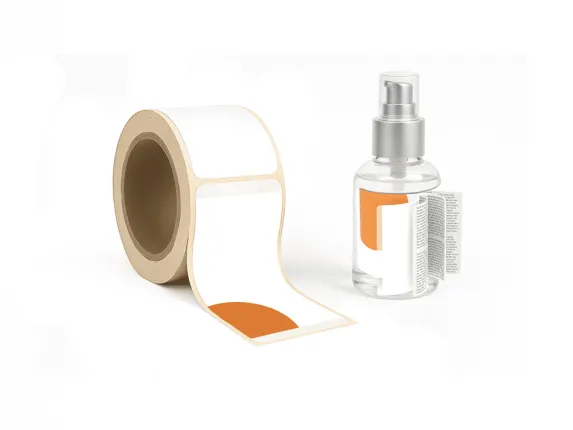
For products that need to include lots of information, booklet labels offer a clever solution. These multi-page labels provide plenty of space for detailed information whilst keeping a clean, professional look on the packaging. This is especially useful for:
- Pharmaceutical products requiring detailed dosage instructions
- Cosmetics with extensive ingredient lists and application guidelines
- Food products with nutritional information, recipes, and allergen warnings
- Multi-language requirements for international distribution
Following regulations is a major part of label design, with requirements that change depending on the industry and region. For example, under the Food Allergen Labelling and Consumer Protection Act (FALCPA), all packaged food products must clearly list major allergens like milk, eggs, shellfish, tree nuts, peanuts, wheat, and soybeans. Similarly, cosmetic products must list all ingredients in order from most to least, whilst chemical products must include specific hazard symbols and safety warnings. The EU Cosmetics Regulation requires that cosmetic products sold in European markets include 26 specific fragrance allergens when present above certain amounts, showing how complex global compliance requirements can be.
Brand Identity and Visual Appeal
Labels act as powerful brand representatives, often being the first visual contact between consumers and products. Good label design communicates brand values, makes products stand out from competitors, and creates emotional connections with target audiences. Marketing research shows that consumers form first impressions within just 50 milliseconds of seeing a product, making the visual impact of labels very important to purchase decisions.
Metallised labels show how material choice can boost brand perception. These labels have a shiny, reflective finish that creates a premium look perfect for luxury products, special editions, and high-end consumer goods. Industry studies show that products with metallised labels can sell for up to 15% more than similar products with standard labels, showing their significant impact on perceived value.
Research shows that colour psychology plays a big role in how consumers see products. For example, blue creates trust and reliability, green suggests nature and health, whilst red creates excitement and urgency. Studies show that up to 90% of quick judgements about products can be based on colour alone, making strategic colour selection a critical part of label design. In competitive retail environments, where products may have only seconds to catch consumer attention, these psychological triggers can greatly influence buying behaviour.
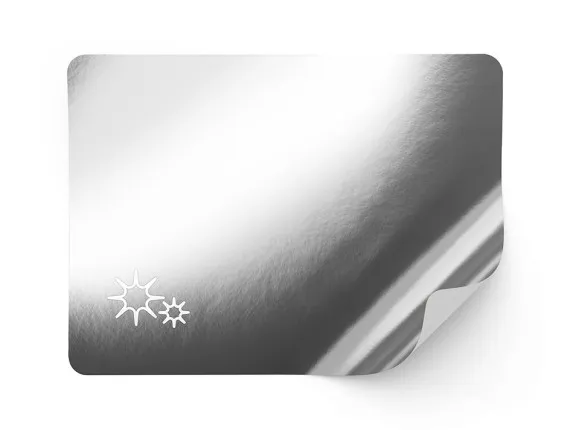
The visual impact of labels goes beyond looks to influence how consumers perceive product quality. Research consistently shows that consumers connect high-quality packaging and labelling with better product quality, making label design a critical component of perceived value. In fact, 33% of shoppers say they're likely to reject a product when they don't like the label, highlighting the significant influence of label design on purchasing decisions. Premium finishes like embossing, foil stamping, and specialised coatings can increase perceived value by up to 40%, according to packaging industry research.
Functional Benefits in Product Protection and Usage
Beyond information and looks, labels provide functional benefits that improve product usability and protection. They can show if a product has been tampered with, verify authenticity, and provide usage guidance that improves consumer experience. Modern label technologies include functional elements that actively contribute to product integrity, shelf life, and consumer safety, making them important components of the overall product experience.
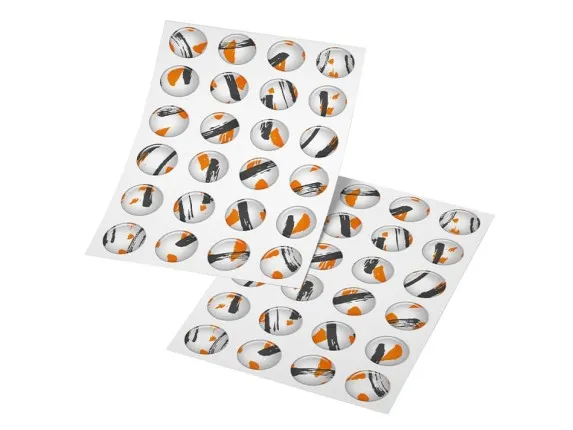
Functional label innovations include:
3D labels with textured or raised elements improve tactile appeal and create a memorable sensory experience for consumers. These specialised labels can increase product visibility by up to 40% on retail shelves, according to packaging industry studies. The dimensional aspect of these labels creates visual interest that draws consumer attention in busy retail environments. Consumer research shows that tactile elements can increase product interaction time by up to 25%, leading to higher conversion rates and better brand recall.
Label dispenser boxes improve application efficiency for industrial and commercial uses, allowing for precise placement and reducing waste. These practical tools are particularly valuable for businesses that apply labels in high volumes, offering ergonomic benefits and consistency in application. Efficiency studies show that proper dispensing systems can reduce label application time by up to 30% whilst minimising the occurrence of wrinkled or misaligned labels that can diminish product appearance.
These functional aspects of labelling contribute significantly to product integrity and user experience, showing how labels go beyond mere decoration to become integral components of product functionality. For example, temperature-sensitive labels can indicate when products have been stored improperly, whilst security labels with anti-counterfeiting features protect both brands and consumers from fake products. The global market for anti-counterfeiting packaging is projected to reach $248.9 billion by 2026, highlighting the growing importance of security features in modern label design.
Specialised Label Solutions for Different Industries
Cosmetic Industry Labels: Beauty in Detail
The cosmetic industry presents unique labelling challenges, requiring solutions that balance regulatory compliance with aesthetic appeal. Cosmetic product labels must communicate brand luxury whilst providing essential ingredient information and usage instructions. With the global cosmetics market projected to reach $463.5 billion by 2027, effective labelling has become a critical factor in product differentiation and consumer engagement.
Cosmetic labels offer specialised features designed for the unique requirements of beauty products, including premium finishes that enhance shelf appeal and communicate luxury positioning. Market research indicates that 67% of cosmetics consumers consider packaging aesthetics when making purchase decisions, highlighting the critical importance of visually appealing labels in this competitive industry.
Perfect adhesion on various cosmetic containers is essential for maintaining brand presentation throughout the product lifecycle. Cosmetic labels must stick properly to glass, plastic, and metal containers, often in bathroom environments where humidity and temperature changes are common. This requires specialised adhesives that maintain integrity under challenging conditions. Technical advances in adhesive formulations now allow labels to withstand exposure to oils, water, and alcohol-based formulations without degrading, ensuring that brand presentation remains pristine throughout the product's use.
Transparent and highly transparent materials showcase product contents, allowing consumers to see the colour and consistency of cosmetics. This transparency builds trust by allowing consumers to visually assess the product before purchase. For premium cosmetic brands, this visual connection with the product can significantly enhance perceived value. Studies show that products with transparent elements in their packaging can increase consumer confidence by up to 30%, as they allow for immediate verification of product attributes.

For cosmetic products with extensive ingredient lists or multi-language requirements, booklet labels for cosmetics provide an elegant solution. These expandable labels offer additional information space without compromising package aesthetics, allowing brands to meet regulatory requirements whilst maintaining their visual appeal. With EU regulations requiring the listing of all ingredients plus 26 specific allergens, and similar requirements in other markets, these extended-content labels have become increasingly important for global cosmetic brands.
Food and Beverage Label Solutions
Food and beverage labels must balance appetising visual appeal with strict regulatory requirements. These labels play a crucial role in consumer decision-making, communicating product benefits, ingredients, nutritional information, and brand values. With an estimated 40,000 products in the average supermarket, effective labelling is essential for standing out in this highly competitive marketplace.
For food and beverage packaging, labels must meet strict FDA, USDA, and EU regulations regarding ingredient disclosure, nutritional information, allergen warnings, and country of origin labelling. These requirements vary by region and product category, creating complex compliance challenges for brands selling in multiple markets. For example, the EU's Food Information to Consumers Regulation mandates specific font sizes for mandatory information, ensuring readability whilst creating design constraints that must be addressed through creative label solutions.
Being able to withstand refrigeration, freezing, and moisture exposure without degradation is essential for maintaining label integrity throughout the product lifecycle. Food and beverage products often experience temperature changes and condensation, requiring labels with specialised adhesives and materials that resist these challenging conditions. Technical innovations in cryogenic adhesives now allow labels to maintain adherence at temperatures as low as -50°F (-45°C), ensuring brand presentation remains intact even in freezer environments.
Maintaining adhesion on various container materials and shapes presents unique challenges for food and beverage labels. From curved glass bottles to flexible plastic pouches, labels must conform to different surfaces whilst maintaining visual appeal. This requires careful consideration of both material properties and adhesive selection. Advanced conformable films can now adapt to container shapes with up to 40% stretch capacity, allowing for seamless application on complex geometries whilst maintaining print integrity.
The growing popularity of stand-up pouches in food packaging shows how modern packaging solutions integrate labelling directly into the package design. These versatile containers feature printed information directly on the pouch material, creating a seamless branding experience whilst offering practical benefits like resealability and space efficiency. Market research indicates that stand-up pouches are growing at 6.2% annually, outpacing traditional packaging formats due to their convenience, shelf impact, and reduced material usage.
Industrial and Technical Labels
Industrial applications require labels that prioritise durability and information clarity over aesthetic appeal. These labels must withstand harsh environments whilst maintaining legibility throughout a product's lifecycle. With industrial equipment often operating in extreme conditions for decades, label durability becomes a critical factor in ensuring ongoing safety and compliance.

Technical and industrial label applications include specialised materials engineered to withstand extreme conditions including high temperatures (up to 300°C), chemical exposure, UV radiation, and mechanical abrasion. These high-performance labels use advanced polymers, ceramic-filled composites, and specialised adhesives that maintain integrity in environments where standard materials would quickly degrade.
Equipment identification and serial number labelling requires exceptional durability and resistance to environmental factors like UV exposure, chemicals, and abrasion. These labels often incorporate barcodes or QR codes for inventory tracking and maintenance record-keeping, requiring high print resolution and contrast for reliable scanning. Advanced industrial labelling systems now incorporate RFID technology for non-visual tracking, allowing for automated inventory management and maintenance scheduling without requiring direct line-of-sight scanning.
Safety warnings and operational instructions must remain legible throughout a product's lifecycle, often in challenging environments. These labels use high-contrast colours and standardised symbols to communicate critical information quickly and clearly, helping prevent accidents and ensure proper equipment operation. According to OSHA, properly labelled equipment can reduce workplace accidents by up to 15%, highlighting the critical safety function these labels serve.
For products requiring extensive technical documentation, document inserts provide comprehensive information in a compact format. These inserts can be coordinated with external labelling to create a cohesive information system, allowing manufacturers to include detailed specifications, troubleshooting guides, and maintenance instructions without overwhelming the main product label. Advanced document insert designs now incorporate waterproof papers and tear-resistant materials that maintain integrity even in harsh industrial environments.
Material and Design Considerations for Effective Labels
Label Materials: Matching Substrate to Application
The foundation of any effective label begins with selecting the appropriate material. Different applications require specific substrates that balance visual appeal with functional requirements. Material selection significantly impacts label performance, durability, and aesthetic qualities, making it one of the most critical decisions in the label development process.
Common label materials include a wide range of options engineered for specific applications and environments. Each material offers distinct advantages in terms of printability, durability, appearance, and cost-effectiveness. The selection process should consider not only the initial application conditions but also the entire product lifecycle, including transportation, storage, retail display, and consumer use.
Paper labels offer economy and versatility, with options ranging from basic uncoated papers to premium high-gloss finishes. These labels accept a wide range of printing techniques and can be enhanced with various coatings and finishes. Whilst generally less durable than film options, paper labels remain popular for applications where cost-effectiveness is prioritised over extreme durability. Recent innovations in paper technology have introduced water-resistant papers that offer improved performance in moderate moisture environments whilst maintaining the natural, tactile quality that many brands prefer.
Film and plastic labels provide superior water resistance and durability compared to paper options. Available in clear, white, and metallised finishes, these materials offer excellent conformability to curved surfaces and resist tearing, making them ideal for products exposed to moisture or handling. Their flexibility makes them suitable for squeeze bottles and other applications where the label must flex with the container. Advanced film materials now incorporate UV stabilisers that prevent yellowing and degradation when exposed to sunlight, maintaining brand appearance throughout the product lifecycle.
At Labelprint24, we offer metallised labels that provide a premium metallic appearance without the cost of actual metal foils. These labels create a distinctive shelf presence for products seeking to convey premium quality, combining visual impact with practical durability. Our metallised substrates utilise vacuum-deposited aluminium that creates a reflective surface whilst maintaining the flexibility and printability needed for high-speed application processes.
Design Elements That Enhance Label Effectiveness
Beyond material selection, design elements significantly impact label effectiveness. Strategic design choices can enhance readability, emotional appeal, and brand recognition. In today's visually saturated marketplace, thoughtful design has become increasingly important for capturing consumer attention and communicating key messages efficiently.
Key design considerations include the strategic use of white space, contrast, and visual hierarchy to guide consumer attention to the most important information. Research indicates that effective label designs typically follow the 70/30 rule—using approximately 70% of the space for brand identity and product imagery, whilst reserving 30% for essential information and regulatory content. This balance ensures that labels remain visually appealing whilst fulfilling their informational requirements.
Typography selection balances brand personality with readability, a critical factor in label effectiveness. Studies show that consumers spend an average of only 2.5 seconds selecting products from shelves, making clear, legible text essential. Effective typography establishes information hierarchy, guiding consumers to the most important information first whilst maintaining brand consistency. Research indicates that sans-serif fonts typically offer better readability at small sizes, whilst serif fonts can convey tradition and reliability—considerations that should align with overall brand positioning.
Colour psychology significantly influences consumer perception and emotional response to products. For example, blue conveys trust and reliability, green suggests nature and health, whilst red creates excitement and urgency. Research indicates that up to 90% of snap judgements about products can be based on colour alone, making strategic colour selection a critical aspect of label design. Studies show that colour increases brand recognition by up to 80%, demonstrating its powerful impact on consumer recall and association.
Our design service helps brands create labels that effectively balance these elements, resulting in designs that communicate clearly whilst reinforcing brand identity. By considering both aesthetic appeal and functional requirements, we develop label designs that stand out on crowded retail shelves whilst delivering essential information to consumers. Our design team combines industry expertise with consumer psychology insights to create labels that drive engagement and purchase intent.
Finishing Techniques That Elevate Label Impact
The finishing touches applied to labels can dramatically enhance their visual and tactile appeal, creating memorable consumer interactions that strengthen brand perception. These specialised techniques transform standard labels into premium brand assets that capture attention and communicate quality.
Premium finishing options include a range of specialised techniques that add dimension, texture, and visual interest to labels. These finishing methods can transform standard labels into premium brand assets that capture consumer attention and communicate product quality. According to packaging industry research, premium finishing techniques can increase perceived product value by up to 30%.
Embossing and debossing create tactile dimension that engages consumers through touch, adding a premium feel to products. These techniques create raised or recessed areas on the label surface, drawing attention to key design elements like logos or product names. The dimensional aspect of these finishes creates visual interest through shadow and highlight, making products stand out on retail shelves. Neuroscience research indicates that tactile elements can increase brand recall by up to 40%, as they engage multiple sensory pathways in the brain.
Hot foil stamping adds metallic accents that catch light and attract attention, creating a luxury appearance for premium products. Available in various colours beyond traditional gold and silver, foil stamping can be combined with embossing for enhanced dimensional effects. This technique is particularly effective for highlighting brand logos, product names, or decorative elements on labels. Market research shows that products with metallic accents can command price premiums of up to 18% compared to similar products without these premium finishes.
These finishing techniques create multi-sensory experiences that engage consumers beyond visual appeal alone. When strategically applied, they can highlight key brand elements and create distinctive shelf presence that differentiates products from competitors. Research indicates that tactile elements can increase consumer engagement with packaging by up to 30%, making these premium finishes valuable tools for enhancing brand perception. The psychological impact of these finishing techniques extends beyond initial attraction to influence quality perception and purchase intent.
Innovative Label Solutions for Modern Packaging Challenges
Booklet Labels: Expanding Information Space
As product information requirements grow increasingly complex, traditional labels often struggle to accommodate all necessary content whilst maintaining design integrity. Booklet labels provide an innovative solution to this challenge, offering expanded content capacity without sacrificing aesthetic appeal or requiring package redesign.
Booklet labels offer several advantages that address modern packaging challenges, particularly for products with extensive information requirements or those distributed in multiple markets. These innovative labels maintain brand aesthetics whilst significantly expanding content capacity, providing up to 60 times more space than traditional labels.
Multiple pages of content in a compact format allow brands to include comprehensive information without sacrificing package aesthetics. These expandable labels can contain up to 60 pages of content whilst maintaining a clean, uncluttered appearance on the product exterior. This expanded content capacity is particularly valuable for products with extensive regulatory requirements or those distributed internationally. The additional space allows for comprehensive usage instructions, detailed ingredient information, and educational content that enhances consumer experience.
The ability to include information in multiple languages makes booklet labels ideal for products sold in diverse markets. Rather than creating separate packaging for each region, brands can include translations for numerous languages within a single booklet label, streamlining production and inventory management whilst ensuring regulatory compliance across markets. This approach can reduce packaging variation costs by up to 40% for global brands, according to supply chain analyses.
Similarly, document inserts provide extensive information space through various folding techniques. These inserts can be coordinated with external packaging for a cohesive information presentation, offering a practical solution for products requiring detailed instructions, warranty information, or other supplementary content. Advanced production techniques now allow for the creation of document inserts with up to 48 panels whilst maintaining compact dimensions suitable for inclusion with most product packaging.
Integrated Packaging and Labelling Solutions
Modern packaging increasingly blurs the line between container and label, with integrated solutions that combine both functions. This approach creates seamless branding experiences whilst optimising production efficiency and reducing material usage. By treating packaging and labelling as a unified system rather than separate components, brands can create more cohesive consumer experiences.
Integrated packaging solutions include innovative approaches that combine structural and graphic elements into unified systems. These solutions address multiple packaging functions simultaneously, creating efficiencies in production whilst enhancing consumer experience. According to packaging industry analyses, integrated solutions can reduce overall packaging costs by up to 15% whilst improving brand consistency.
Packaging sleeves combine product protection with full-surface branding, creating 360-degree graphic opportunities that maximise visual impact. These sleeves can be applied to various container shapes and sizes, offering flexibility in design whilst providing tamper evidence and product security. The full-surface printing capability allows for immersive brand storytelling that engages consumers from every angle. Heat-shrink varieties conform perfectly to complex container shapes, eliminating the application challenges associated with traditional labels on non-uniform surfaces.
Hanging boxes with tuck-in flaps feature retail-ready display capabilities that enhance product visibility whilst providing secure packaging. These versatile containers include integrated hanging features for peg display, eliminating the need for additional display packaging. The tuck-in flap design provides secure closure without requiring adhesives, simplifying both production and consumer access. These boxes typically increase retail visibility by up to 35% compared to traditional packaging, according to merchandising studies.
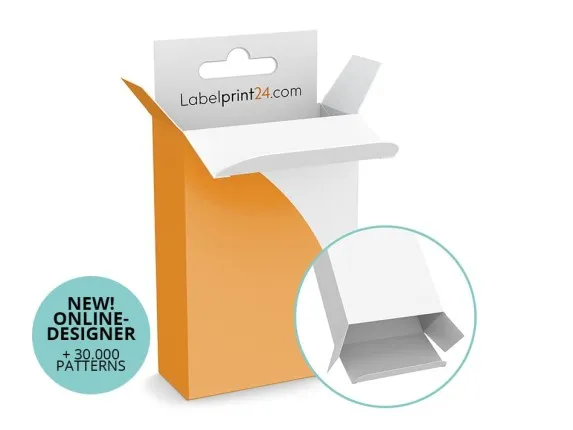
These solutions demonstrate how modern packaging approaches consider the entire consumer interaction, from shelf appeal to usage experience, creating cohesive brand touchpoints throughout the product lifecycle. By integrating labelling directly into the packaging structure, brands can create more unified visual presentations whilst potentially reducing material usage and production complexity. Industry analysis indicates that integrated solutions can reduce overall packaging weight by up to 25%, whilst maintaining or enhancing functionality.
Conclusion: Maximising Label Impact in Your Packaging Strategy
Labels are much more than simple information carriers in modern product packaging. They serve as crucial marketing tools, compliance mechanisms, and brand ambassadors that significantly influence consumer perception and purchase decisions. In today's competitive marketplace, strategic label design and implementation can provide significant competitive advantages through enhanced shelf presence, improved consumer engagement, and strengthened brand identity.
Effective label strategies require careful consideration of multiple factors that influence both performance and perception. By carefully balancing technical requirements with brand objectives, companies can develop label solutions that serve multiple functions whilst strengthening overall product presentation. The most successful label strategies consider the entire product lifecycle, from manufacturing to consumer use.
Material selection appropriate to the product and usage environment ensures label durability and performance throughout the product lifecycle. Different applications demand specific materials—from water-resistant films for bathroom products to temperature-stable adhesives for refrigerated items. By matching materials to application requirements, brands can ensure their labels maintain appearance and functionality from production to consumer use. Technical testing under simulated usage conditions can help identify potential performance issues before they affect products in the marketplace.
Design elements that balance information clarity with brand expression create labels that both inform and engage consumers. Strategic typography, colour selection, and layout establish information hierarchy whilst conveying brand personality. This balance is particularly important as regulatory requirements increase the amount of mandatory content on labels, challenging designers to maintain visual appeal whilst accommodating necessary information. Eye-tracking studies indicate that effective label designs guide consumer attention in a predictable pattern, ensuring that key information receives appropriate focus.
At Labelprint24, we understand the critical role that labels play in product packaging success. Our comprehensive range of label solutions, booklet labels, and speciality materials helps brands create packaging that stands out in competitive marketplaces whilst meeting all functional requirements. Our technical expertise ensures that labels perform reliably throughout the product lifecycle, whilst our design capabilities help brands create visual presentations that engage consumers and strengthen brand perception.
By partnering with experienced label manufacturers and embracing innovative solutions, brands can transform ordinary packaging into powerful marketing tools that drive consumer engagement and brand loyalty. In today's visually-driven marketplace, the strategic importance of well-designed, high-quality labels cannot be overstated—they truly represent the face of your product and a critical touchpoint in the consumer journey. With continued advances in materials, printing technologies, and digital integration, labels will remain at the forefront of packaging innovation, offering exciting new opportunities for brands to connect with consumers.