




 BY Judith Enger IN Industry knowledge
The Power of Packaging: How Your Product Presentation Drives Brand Success
- Packaging serves as the first physical touchpoint with customers, making a critical first impression
- One-third of consumer purchasing decisions are based on packaging design
- 70% of consumers form their initial brand impressions from packaging alone
- Visual elements like color, typography, and imagery play crucial roles in brand recognition
- Effective packaging balances protection, functionality, and brand communication
- High-quality packaging can command premium pricing and increase perceived value
Introduction: The Silent Brand Ambassador
In today's busy marketplace, your product's packaging does more than just protect what's inside. It works as a marketing tool that tells people about your company's values and quality. At Labelprint24, we know that packaging is often the first time customers actually touch your brand, making it super important in your marketing plan. The packaging you pick is like a physical version of your brand that people can hold and experience.
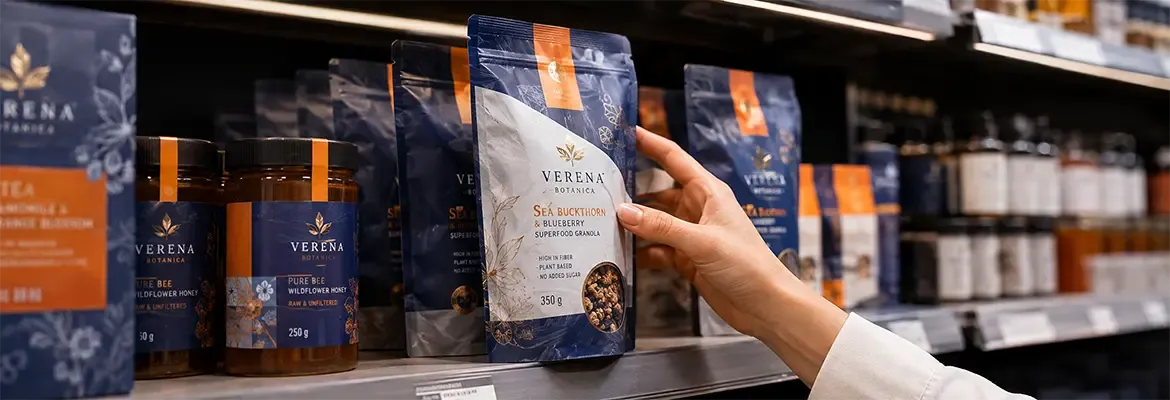
Studies show that one-third of buying decisions are based just on packaging, and 70% of people form their first impression of a brand from the packaging. With only seconds to grab attention on crowded store shelves or online listings, your packaging must instantly communicate what your brand is all about. This quick visual and touch experience creates powerful connections that affect not just the first purchase but also whether customers keep coming back. Good packaging design thinks about both the practical and emotional sides of how people decide what to buy.
In this guide, we'll explore how smart packaging choices can make your brand stronger, help your products stand out, and boost sales. Whether you're launching something new or updating your current packaging, understanding how packaging and branding work together will help you make better decisions. We'll look at the psychology behind effective packaging, considerations for different industries, ways to measure success, and new trends that can give your packaging an edge in today's visual marketplace.
The Psychology of Packaging: How Consumers Perceive Your Brand
The mental impact of packaging on how people see your brand is huge. Every part of your packaging design—colors, fonts, materials, and shape—sends subtle messages about your brand that affect buying decisions. These visual and touch cues create immediate impressions that shape how people see your product's quality, value, and relevance to their needs. Understanding these mental connections lets you design packaging that connects with your target audience on both conscious and subconscious levels.
First Impressions and Decision-Making
Research shows that people form first impressions in as little as 3 seconds, making how your packaging looks really important. In fact, 64% of people try new products because of eye-catching packaging, while 41% keep buying products because they like the packaging design. This quick judgment happens mostly without people realizing it, as they instantly decide about product quality, brand personality, and value based just on how the packaging looks. Studies from Package Design Magazine show that people make up to 85% of their purchase decisions while standing at the shelf, showing how crucial packaging is at that moment when people decide whether to buy.

Color Psychology in Packaging
Color is maybe the strongest psychological trigger in packaging design, with research showing it's the most influential visual element (45.2% impact). Different colors create specific feelings and associations that can greatly influence how people see your brand and product. Brain studies have shown that color can increase brand recognition by up to 80% and affects how people see quality and value even before they consciously think about other information about the product.
- Blue creates feelings of trust, reliability, and professionalism, making it great for financial, healthcare, and technology products
- Red creates urgency and excitement, stimulating appetite and impulse purchases, which explains why it's so common in food packaging
- Black communicates luxury, sophistication, and premium quality, often used for high-end products to signal exclusivity
- Yellow captures attention and creates optimism, giving an accessible, affordable impression that stands out on shelves
The right color palette for your packaging should match your brand personality and the emotional response you want to create in your target audience. For example, our booklet labels for cosmetic products can be customized with your brand colors to create a consistent visual identity. Cultural considerations are also important, as color associations vary across different markets—what means premium quality in one country might mean something completely different in another.
Typography and Readability
Font choices significantly impact how people perceive your brand's personality. Serif fonts (with little feet at the ends of letters) often convey tradition, reliability, and authority, while sans-serif fonts suggest modernity, cleanliness, and simplicity. Script fonts can communicate elegance or creativity, but may be harder to read. The arrangement of information through typography also guides the consumer's eye to the most important messages first, creating a visual path through your packaging that highlights key selling points and brand elements.
When designing packaging, it's essential to balance looking good with practical considerations like readability from various distances. This is particularly important for packaging inserts that need to communicate detailed information in limited space. Typography that's too small, too decorative, or doesn't stand out enough from background colors can frustrate consumers and create negative feelings about your brand. Research by the Packaging Institute found that 67% of consumers mention difficulty reading packaging information as a reason for switching brands, showing how important clear, well-organized typography is.
Essential Elements of Brand-Consistent Packaging
Creating packaging that strengthens your brand requires careful thought about several key elements that work together to communicate your brand identity consistently across all touchpoints. This complete approach ensures that your packaging doesn't just look attractive by itself, but works as an important part of your broader brand system, building recognition and value with each consumer interaction.
Visual Brand Identity
Your packaging should be an extension of your overall visual brand identity, using consistent core design elements that make your brand instantly recognizable. These visual cues create a cohesive experience across different products, packaging formats, and marketing channels, strengthening brand recognition and recall. Research from the Journal of Consumer Psychology indicates that consistent visual branding can increase revenue by up to 23% through enhanced recognition and trust.
- Logo placement and size should follow brand guidelines for consistent recognition
- Brand colors and color combinations must be precisely matched across all packaging materials
- Typography hierarchy and fonts should maintain consistency with other brand communications
- Graphic elements and patterns unique to your brand create visual shortcuts for recognition
- Imagery style and treatment should reflect your brand's aesthetic and positioning
Brand Messaging and Tone
The text on your packaging—from product names and descriptions to claims and instructions—should reflect your brand's voice and personality. Whether your brand voice is playful, authoritative, minimalist, or conversational, your packaging copy should be consistent with your other brand communications. The language you use on packaging creates strong associations with your brand values and positioning, helping to make your products different from competitors even when product features might be similar.
Our design service can help ensure your packaging messaging aligns perfectly with your brand voice while organizing the layout for maximum impact. Effective packaging copy balances clarity and brevity with personality, focusing on the information most relevant to consumers at the point of purchase. Research by Nielsen found that packaging copy that clearly communicates main benefits within the first 5 words significantly increases purchase consideration, highlighting the importance of prioritizing your message.
Structural Design and Materials
The physical form of your packaging—its shape, size, and materials—communicates as much about your brand as the graphics printed on it. Premium brands often choose heavier, textured materials with special finishes, while brands focusing on convenience might pick lighter, more functional packaging solutions. The feel of handling your packaging creates powerful sensory associations that influence perceived quality and value—studies show that heavier packaging is subconsciously associated with higher quality, even when the product inside is identical.
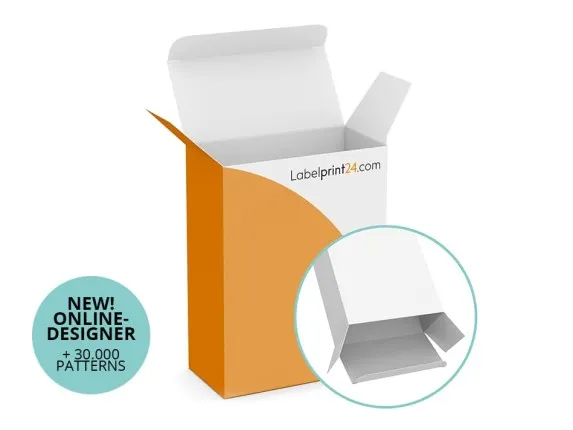
At Labelprint24, we offer a wide range of materials for our folding boxes, including GC1, GC2, and GD2 cardboard, each with different properties that can enhance your brand positioning. GC1 offers superior whiteness and printing surface for luxury products, while GD2 provides excellent structural integrity for heavier items.
Functional Considerations
While looking good is important, your packaging must also fulfill practical requirements that enhance the overall customer experience with your product. Functionality directly impacts consumer satisfaction and can create positive or negative associations with your brand that go far beyond the initial purchase. Research from the Packaging Federation indicates that 55% of consumers have changed brands due to bad experiences with packaging functionality, showing its importance to brand loyalty.
- Product protection during shipping and handling prevents damage that could harm brand perception
- Ease of use (opening, reclosing, dispensing) creates positive interactions with your brand
- Information clarity and organization helps consumers find what they need quickly
- Shelf presence and display considerations ensure visibility in retail environments
- Storage efficiency makes your product more convenient for consumers to keep and use
The best packaging solutions balance form and function, improving the customer experience while reinforcing brand perceptions. Innovative functional features can become signature elements of your brand, creating distinctive packaging that consumers recognize and prefer. Examples include Pringles' distinctive tube, Toblerone's triangular prism, and Coca-Cola's contour bottle—all functional innovations that became iconic brand assets.
Packaging as a Competitive Differentiator
In crowded market categories, distinctive packaging can be the factor that helps your product stand out and grab consumer attention. Strategic packaging decisions can position your brand effectively against competitors and create memorable brand experiences that drive preference and loyalty. When product features are similar, packaging often becomes the main differentiator that influences purchase decisions at the critical moment of choice.
Standing Out on the Shelf
Retail environments present unique challenges, with the average consumer spending just 4-7 seconds scanning shelves before making a selection. Your packaging must create stopping power through distinctive shapes, bold colors, or innovative structures that break the visual pattern of the shelf. This initial attention-grabbing function is crucial—research from the Point of Purchase Advertising Institute found that 76% of purchase decisions are made in-store, with packaging being the last and often most influential marketing touchpoint before purchase.
Creating Brand Recognition
Consistent packaging elements across product lines help build brand recognition and make it easier for loyal customers to find your products. Think about how iconic brands like Coca-Cola or Tiffany & Co. have created instantly recognizable packaging that serves as a brand signature. This visual consistency creates a powerful multiplier effect—each product reinforces recognition of the entire brand portfolio, increasing the impact of your shelf presence exponentially as your product line grows.
Our booklet labels and transparent labels can be designed with consistent branding elements that strengthen recognition across your product portfolio. Studies by the Institute of Packaging Professionals show that consistent visual branding across packaging can increase brand recognition by up to 80%, creating a cumulative effect that strengthens with each consumer exposure to your products.
Premium Positioning Through Packaging
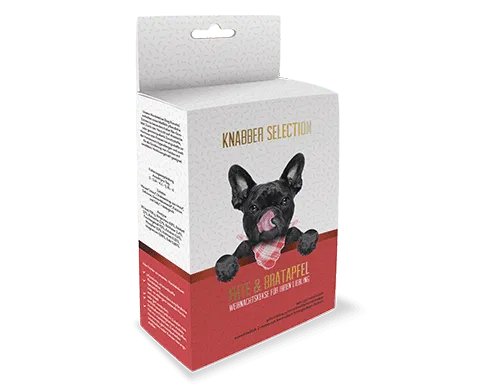
Packaging quality directly influences price perception, with studies showing that 40% of consumers would pay more for products in premium packaging. Luxury brands understand this well, often investing in specialized materials, finishes, and unboxing experiences that justify higher price points. The touch and visual cues of premium packaging create a psychological framework that influences how consumers perceive the value of the product inside—research from the Journal of Consumer Psychology found that identical products are rated as tasting, smelling, or performing better when presented in premium packaging.
Even for mid-market products, strategic use of special finishes like spot varnish, embossing, or metallic inks can create a premium feel without greatly increasing production costs. Our folding box options include various finishing techniques that can elevate your brand presentation. A study by the Packaging Consortium found that strategic use of premium finishes can increase perceived value by 18-35% while adding only 5-10% to production costs, creating an excellent return on investment for brands seeking to enhance their market positioning.
Industry-Specific Packaging Considerations
Different industries face unique packaging challenges and opportunities. Understanding industry-specific requirements and consumer expectations can help you develop packaging that connects with your target market while meeting practical and regulatory needs. Each sector has developed distinct packaging conventions that signal category membership while still allowing for differentiation within established parameters.
Cosmetics and Personal Care
The cosmetics industry relies heavily on packaging to communicate brand positioning and product benefits. High-end beauty products often feature luxurious packaging with special finishes, while natural or clinical brands might emphasize simplicity and transparency. The sensory experience of cosmetic packaging—how it looks, feels, and functions—is particularly important as it sets expectations for the product experience. Studies by beauty industry analysts indicate that up to 60% of consumer satisfaction with cosmetic products is influenced by packaging experience before the product is even used.
Our transparent labels for cosmetics are designed to stick securely to glass, plastic, or metal containers while maintaining the high-quality printing that beauty brands demand. These labels allow the product or container to remain visible, creating a seamless look that enhances premium positioning. Following regulations is also crucial in cosmetics packaging, with requirements for ingredient listings, warnings, and usage instructions that must be incorporated into the design without making it look cluttered.
Food and Beverage
Food packaging must balance brand appeal with practical considerations like food safety, freshness preservation, and consumer convenience. Packaging innovations like resealable closures or portion control features can provide competitive advantages. The food industry faces particularly strict regulatory requirements, with mandatory nutrition facts, ingredient listings, allergen warnings, and increasingly, sustainability information that must be clearly presented on packaging.
Pharmaceutical and Healthcare
Pharmaceutical packaging must meet strict regulatory requirements while also providing clear information and ensuring product integrity. Tamper-evident features are particularly important in this sector, as they protect both consumers and brand reputation. The healthcare industry has perhaps the most complex packaging requirements, balancing strict regulatory compliance with usability concerns for diverse populations, including elderly consumers and those with disabilities.
Our package inserts and booklet labels provide plenty of space for required information while maintaining a professional, trustworthy appearance. These specialized labeling solutions can include security features like holographic elements, color-shifting inks, or microtext that help prevent counterfeiting—a critical concern for pharmaceutical brands where product authenticity directly impacts consumer safety and brand trust.

E-Commerce Packaging Considerations
The rise of online shopping has created new packaging challenges and opportunities. E-commerce packaging must fulfill multiple functions that traditional retail packaging doesn't necessarily address, creating a distinct set of design considerations. The unboxing experience has become particularly important in e-commerce, with 55% of online shoppers saying they would become repeat customers after a premium unboxing experience, according to a Dotcom Distribution study.
- Protect products during shipping through multiple handling points and transportation methods
- Create a memorable unboxing experience that makes up for the lack of in-store brand experience
- Reinforce brand identity without retail shelf presence through distinctive colors, graphics, and materials
- Optimize for shipping costs and dimensional weight pricing while maintaining protection and brand appeal
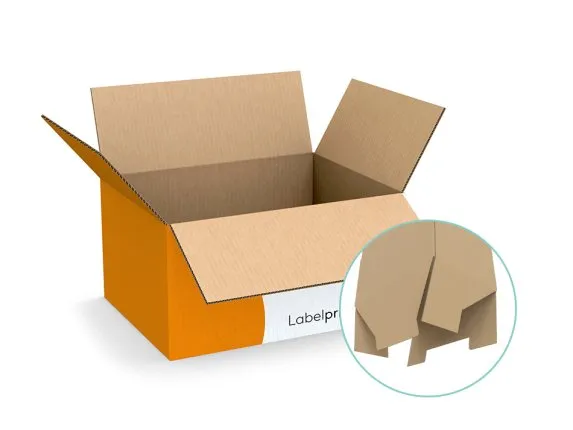
Our shipping cartons with tuck-in flaps are designed to provide excellent protection during transit while offering customizable branding opportunities. These cartons can be printed with high-quality graphics both inside and outside, creating a complete branded experience when the package is opened. The structural design also allows for efficient assembly and packing, reducing fulfillment time and costs while ensuring products arrive safely.
Developing a Strategic Packaging Approach
Creating effective packaging requires a strategic approach that aligns with your overall brand strategy and business goals. Here's a framework for developing packaging that strengthens your brand and delivers measurable business results. This systematic process ensures that packaging decisions are driven by strategic priorities rather than personal preferences, creating solutions that work effectively in the marketplace.
Audit Your Current Packaging
Before redesigning or creating new packaging, assess your current packaging against these criteria to establish a baseline and identify specific opportunities for improvement. This objective evaluation helps prioritize changes that will deliver the greatest impact on brand perception and sales performance. Research by the Package Design Council found that companies conducting thorough packaging audits before redesign achieved 31% higher ROI on their packaging investments.
- Brand consistency across product lines, evaluating how well your packaging system creates a cohesive family appearance
- Shelf impact compared to competitors, analyzing visibility, distinctiveness, and stopping power in context
- Functional performance (protection, usability) based on customer feedback and return/damage rates
- Consumer feedback and pain points gathered from reviews, customer service interactions, and social media
- Production efficiency and cost factors including material waste, production line performance, and shipping optimization
Define Clear Packaging Objectives
Establish specific goals for your packaging based on your brand strategy and business priorities. These objectives should be measurable and directly connected to your overall marketing and sales goals. Having clearly defined objectives creates agreement among team members and provides criteria for evaluating design concepts during the development process. The most effective packaging objectives balance multiple priorities while focusing on key business drivers.
- Increase brand recognition and recall through distinctive visual elements and consistent branding
- Communicate specific product benefits that differentiate your offering from competitors
- Support premium positioning through materials, finishes, and structural design that convey quality
- Improve functionality or user experience by addressing specific usage scenarios or consumer pain points
- Address specific consumer pain points identified through research and feedback channels
Understand Your Target Audience
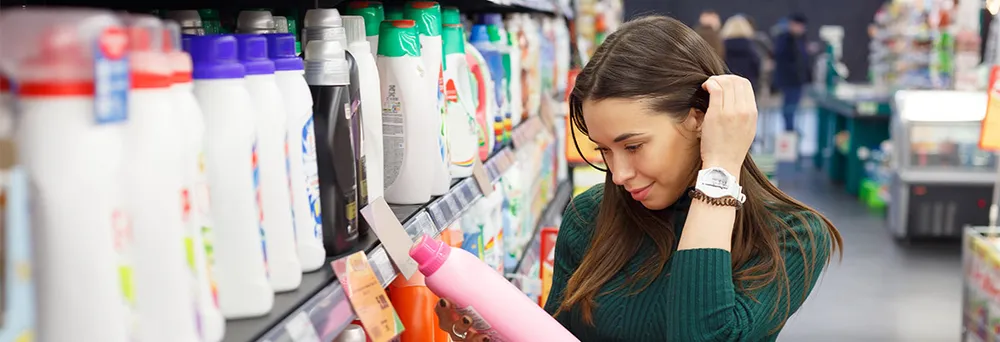
Effective packaging design begins with a deep understanding of your target consumers and their relationship with your product category. This consumer-focused approach ensures that packaging decisions are based on actual user needs and preferences rather than internal assumptions. Research methods like in-home usage studies and shop-alongs can provide particularly valuable insights into how consumers interact with packaging in real-world situations.
- Demographics and shopping behaviors, including where and how they purchase products in your category
- Purchase motivations and decision factors that influence choice at the moment of purchase
- Lifestyle and usage contexts that affect how, when, and where they use your product
- Aesthetic preferences and expectations shaped by category conventions and broader design trends
- Functional needs and pain points experienced with existing packaging in your category
Understand Your Target Audience
Working with experienced packaging designers and manufacturers can help you navigate technical constraints while maximizing creative opportunities. At Labelprint24, our team can provide guidance on material selection, structural design, and printing techniques that align with your brand objectives. This collaborative approach brings together expertise in design, materials science, production technology, and logistics to create packaging solutions that perform effectively across all dimensions. Studies by the Packaging Innovation Council show that cross-functional packaging development teams achieve 40% higher implementation success rates than approaches where departments work separately.
Test and Refine
Before full-scale production, test your packaging concepts with target consumers to gather feedback on various aspects of performance. This step-by-step testing process reduces risk and improves outcomes by identifying potential issues before major investments in production tooling and materials. Research by the Packaging Federation indicates that brands that conduct systematic packaging testing experience 28% fewer post-launch issues and achieve higher consumer satisfaction scores.
- Visual appeal and brand perception through preference testing and association exercises
- Information clarity and hierarchy using eye-tracking studies and comprehension testing
- Functionality and ease of use through usability testing with representative consumers
- Emotional response and purchase intent measured through simulated shopping exercises
Our sample service allows you to test different packaging options before committing to large production runs, ensuring your final packaging meets both brand and functional requirements. These physical prototypes enable realistic evaluation of structural performance, print quality, and consumer interaction that can't be fully assessed through digital renderings alone.
Measuring Packaging ROI
While packaging is an investment, it should deliver measurable returns for your business. Here are key metrics to evaluate packaging effectiveness and demonstrate its contribution to overall business performance. Establishing clear measurement frameworks helps justify packaging investments and provides data for continuous improvement. The most sophisticated brands use balanced scorecards that track both short-term sales impact and long-term brand building effects.
Sales Performance Indicators
- Sales lift after packaging introduction/change, comparing year-over-year performance in test markets
- Market share changes in category, tracking competitive position before and after packaging changes
- Purchase frequency and repeat purchases, measuring the impact on customer retention and loyalty
- Price premium sustainability, evaluating whether packaging supports higher pricing over time
Brand Impact Metrics
- Brand recognition and recall scores measured through consumer research studies
- Brand perception attributes tracking how packaging influences key brand associations
- Social media mentions and engagement related to packaging experience and appearance
- Consumer reviews and sentiment analysis focusing on packaging-related comments
Operational Efficiency
- Production and material costs compared to previous packaging or industry benchmarks
- Shipping and logistics expenses including dimensional weight charges and transportation damage
- Damage rates and returns attributed to packaging failures or inadequate protection
- Shelf efficiency (products per linear foot) maximizing retail space utilization
Case Studies: Successful Packaging Strategies
Premium Positioning Through Packaging
A specialty food brand partnered with Labelprint24 to develop premium folding boxes with embossed logos and soft-touch finishes. The packaging upgrade resulted in a 22% increase in sales despite a 15% price increase, showing how strategic packaging can support premium positioning. Consumer research revealed that the feel of the soft-touch finish created strong quality associations that justified the higher price point, while the embossed logo reinforced brand authenticity and craftsmanship values that matched the product's artisanal positioning.
Expanded Information Capacity
A pharmaceutical client used our booklet labels to provide comprehensive product information while maintaining a clean, professional package design. This solution addressed regulatory requirements while enhancing brand perception, resulting in improved compliance and customer satisfaction. The multilayer labels allowed the brand to include detailed usage instructions, complete ingredient information, and multiple languages without cluttering the primary package design. Pharmacist feedback indicated that the organized information presentation reduced dispensing errors by 17%, while consumer research showed a 28% improvement in information recall compared to conventional labeling approaches.
E-Commerce Optimization
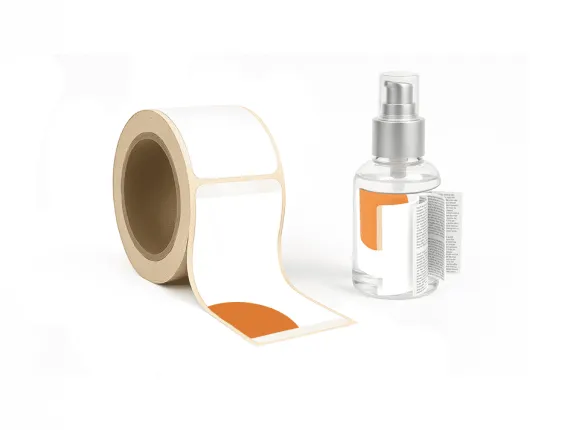
An online retailer switched to shipping cartons with tuck-in flaps from Labelprint24 to improve product protection and the unboxing experience. The cartons were selected to match the dimensions and handling requirements of the products being shipped. Depending on the packaging design and product requirements, a suitable carton construction may reduce the need for additional void fill materials. Any actual savings in packaging material or shipping weight must be determined by comparing the previous and new packaging configurations.
Future Trends in Packaging and Branding
As consumer preferences and technologies evolve, staying ahead of packaging trends can give your brand an edge. Here are key developments to watch that are reshaping the packaging landscape and creating new opportunities for brand differentiation. Forward-thinking brands are already incorporating these innovations into their packaging strategies to create distinctive experiences that connect with emerging consumer values and behaviors.
Interactive Packaging
Packaging that includes QR codes, augmented reality, or NFC technology can create interactive brand experiences that go beyond the physical package. These technologies enable brands to deliver dynamic content that can be updated without changing the physical packaging, creating opportunities for seasonal messaging, targeted promotions, and enhanced consumer engagement. Research by Packaging Digest found that interactive packaging elements increase consumer engagement time with products by an average of 5-7 minutes, creating valuable additional brand exposure.
- Product authentication and counterfeit prevention through secure verification systems
- Interactive brand storytelling that builds emotional connections and communicates brand values
- Gamification and loyalty programs that reward engagement and incentivize repeat purchases
Personalized Packaging
Advances in digital printing are making personalized packaging more accessible, allowing brands to create targeted or even individualized packaging. This trend is particularly effective for creating emotional connections with consumers and driving social media sharing. Coca-Cola's "Share a Coke" campaign with personalized names demonstrated the power of this approach, increasing sales by 2.5% after a decade of declining consumption. The psychological impact of seeing one's own name or personalized elements creates a sense of ownership that significantly influences purchase decisions.
Variable data printing enables cost-effective production of multiple design variations within single production runs. This technology allows brands to create regional variations, limited editions, or personalized messages without the setup costs traditionally associated with design changes. Micro-segmentation through personalized packaging allows precise targeting of different consumer groups with messages and designs that resonate with specific demographics, psychographics, or purchase occasions.
Smart Packaging Technologies
Intelligent packaging that provides information about product condition, freshness, or authenticity represents the next evolution in packaging functionality. Time-temperature indicators show whether products have been exposed to temperature conditions that might compromise quality, particularly valuable for pharmaceuticals, biologics, and fresh foods. These simple visual indicators give consumers confidence about product integrity. Freshness indicators change color based on product condition, providing objective information about food safety and quality beyond printed expiration dates.
RFID tags and blockchain integration enable complete supply chain transparency and authentication, combating counterfeiting while providing consumers with detailed product journey information. Luxury goods and pharmaceuticals are leading adoption of these technologies. Augmented reality experiences activated by scanning packaging with smartphones create immersive brand storytelling opportunities. Brands can share product origins, usage demonstrations, recipes, or entertainment content that extends engagement beyond the physical package.
Conclusion: Packaging as Strategic Brand Investment
The evidence is clear: packaging is far more than a functional necessity—it's a strategic brand asset that directly influences consumer perception, purchase decisions, and long-term loyalty. In markets where consumers make up to 85% of purchase decisions at the shelf and form brand impressions in mere seconds, your packaging must work harder than ever to capture attention, communicate value, and create memorable experiences that drive sales and build brand equity.
Throughout this guide, we've explored how every element of packaging design—from color psychology and typography to material selection and structural innovation—contributes to brand success. The brands that thrive understand that effective packaging balances multiple objectives simultaneously: protecting products, communicating brand identity, meeting regulatory requirements, and creating experiences that resonate emotionally with target consumers. This multifaceted challenge requires strategic thinking that integrates marketing, design and operations.
The packaging landscape continues to evolve rapidly, with emerging technologies like interactive elements, personalization, and smart packaging creating new opportunities for brand differentiation and consumer engagement. Successful brands will be those that embrace innovation while staying true to core brand values, creating packaging that feels both contemporary and authentic.
At Labelprint24, we're committed to partnering with brands to create packaging solutions that drive business results. Whether you're launching a new product, refreshing an existing line or comparing packaging materials and designs, our range of folding boxes, labels, shipping cartons and specialised packaging options provides solutions for different product protection, presentation and branding requirements.
The most important takeaway is this: packaging deserves strategic attention and investment proportional to its impact on business performance. When one-third of purchase decisions are based on packaging alone, when 70% of consumers form their first brand impressions from packaging, and when 64% try new products because of attractive packaging, the return on packaging investment becomes undeniable. Brands that approach packaging as strategic opportunity rather than operational necessity position themselves for competitive advantage in increasingly crowded markets.
Success requires testing and optimization to validate assumptions before committing to full production, measurement frameworks that track packaging ROI across sales, brand, and operational metrics, cross-functional collaboration between marketing, design, operations, and sustainability teams, consumer-centricity that prioritizes target audience needs and preferences, and authenticity that ensures packaging honestly represents brand values and product quality. By following these principles and leveraging the insights shared in this guide, you can transform your packaging from commodity expense to strategic asset that drives measurable business growth and builds lasting brand equity in the minds and hearts of consumers.