



 BY Christoph Zumdick IN Industry knowledge
Your Brand Matters: The Complete Guide to Custom Label Design Services
The Power of Custom Label Design for Brand Identity
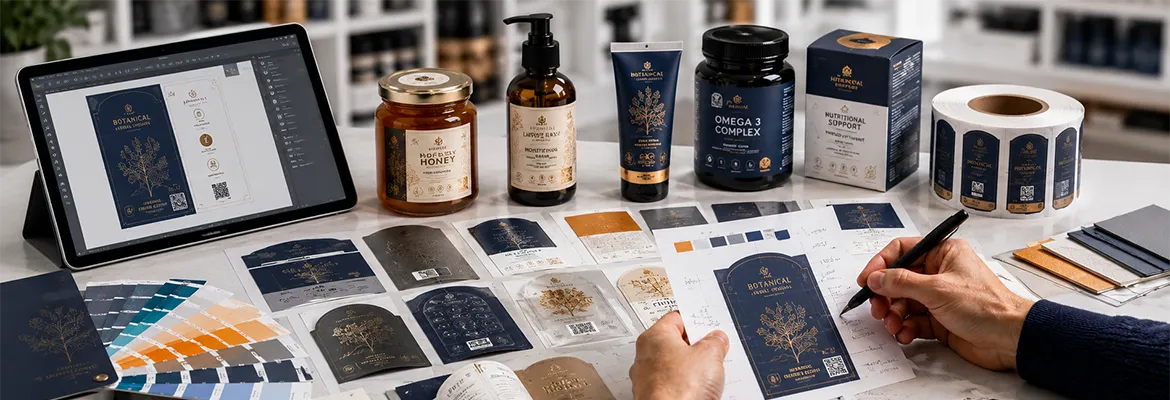
In today's competitive marketplace, your product's label is often the first point of contact between your brand and potential customers. Custom label design goes beyond simply identifying your product—it communicates your brand's values, quality, and unique selling propositions. At Labelprint24, we understand that exceptional label design creates an immediate visual impact that can significantly influence purchasing decisions, often determining whether a consumer picks up your product or passes it by in favor of a competitor's offering.
Professional label design services provide the expertise needed to create labels that not only look appealing but also perform well under various conditions. Whether your products will be stored in freezers, exposed to moisture, or handled frequently, the right label design and materials ensure your branding remains intact and legible throughout your product's lifecycle. This technical durability is essential for maintaining brand recognition and product information integrity from production through to consumer use, sometimes spanning months or even years depending on your product category.
Our comprehensive label solutions include a wide range of materials, adhesives, and finishes to meet the specific requirements of different industries and applications. By investing in custom label design services, you gain access to professional knowledge about color psychology, typography, and layout principles that can make your packaging stand out. These design elements work together to create a multisensory experience that connects with consumers on both conscious and subconscious levels.
The strategic use of colors, shapes, and finishes in your label design creates brand recognition that helps customers identify your products quickly on crowded shelves. This visual shorthand builds trust and loyalty over time, turning first-time buyers into repeat customers who actively seek out your distinctive packaging. Research shows that consistent brand presentation across all platforms can increase revenue by up to 23%, making your label design an essential component of your overall marketing strategy and business growth plan.
Understanding Different Label Materials and Their Applications
Choosing the right material for your custom labels is crucial for both aesthetic appeal and functional performance. Each material offers unique properties that make it suitable for specific applications and environments. The material selection process should consider not just visual impact but also factors like product contents, storage conditions, handling requirements, and expected shelf life to ensure optimal performance throughout your product's journey.

Paper Labels
Paper labels offer excellent printability and are ideal for products stored in controlled environments. They're cost-effective and available in various textures and finishes that can enhance your brand's premium feel. However, they may not be suitable for products exposed to moisture or extreme temperatures. The natural fibers in paper absorb inks beautifully, allowing for rich color reproduction and fine detail that can communicate artisanal quality and craftsmanship.
Our honey labels, for example, are available in paper options that provide a natural, artisanal look while maintaining professional quality. These labels are designed to stick well to glass and plastic containers, making them perfect for specialty food products. The feel of textured paper can make artisanal honey products seem more valuable, creating a sensory experience that begins before the consumer even tastes the product.
Film Labels
Film labels, made from materials like polypropylene or polyethylene, offer superior durability against moisture, oils, and chemicals. These labels are ideal for products used in bathrooms, kitchens, or outdoor environments where exposure to various elements is expected. Their synthetic composition provides resistance to tearing, water damage, and UV fading, ensuring your branding remains pristine throughout the product's use.
For cosmetic applications, film labels provide water and smudge resistance, ensuring your branding remains pristine even when the container is frequently handled with wet or oily hands. The material's flexibility also allows these labels to conform to curved surfaces, making them perfect for bottles and tubes. This ability to conform is crucial for maintaining a seamless appearance on contoured containers, preventing the lifting edges and bubbling that can occur with less flexible materials.
Specialty Labels for Extreme Conditions
Some products require labels that can withstand extreme conditions. Our labels for frozen goods are specially designed to remain adhesive and legible at temperatures as low as -40°C. These labels resist cold, grease, and moisture, ensuring your branding and product information remain intact throughout the cold chain. The specialized adhesives used in these labels maintain their grip even during freeze-thaw cycles, preventing the label separation that can occur with standard materials.
The material selection process should consider not just the immediate visual impact but also the label's entire lifecycle alongside the product. Professional label design services can guide you through these technical considerations while ensuring your brand's visual identity remains consistent across different materials and applications. This expertise helps you balance aesthetic goals with practical performance requirements, resulting in labels that both look attractive and function reliably in real-world conditions.
Multi-Layer Labels: Expanding Information Space While Maintaining Design Integrity
When your product requires extensive information but you don't want to compromise on design aesthetics, multi-layer labels offer an innovative solution. These specialized labels provide additional space for text and graphics while maintaining a clean, professional appearance on your packaging. This advanced labeling technology effectively multiplies your available real estate without increasing the physical footprint on your product, solving one of the most common challenges in packaging design.
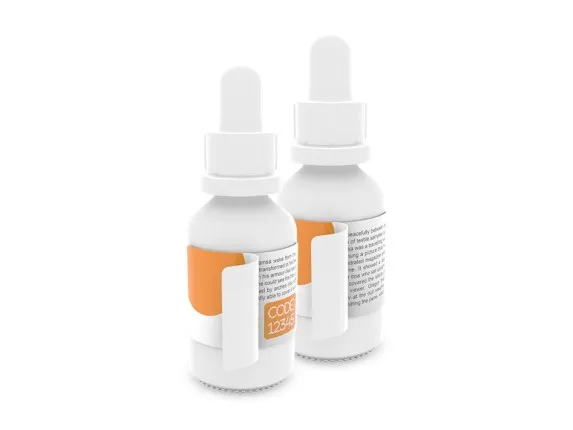
Our multi-layer labels are designed with a peel-back feature that reveals additional content underneath. This design is particularly valuable for:
- Products requiring detailed ingredient lists and nutritional information that would otherwise overwhelm the main label design
- Items with multilingual information requirements to serve international markets while maintaining visual consistency
- Pharmaceuticals and supplements with extensive usage instructions, warnings, and contraindications
- Products with promotional content or QR codes linking to digital experiences, creating interactive consumer engagement opportunities
- Items requiring batch-specific information or variable data that changes between production runs
These labels offer many different possibilities for advertising-effective product labeling with more space for information. They can be designed to be removed and reattached, providing consumers with the ability to access detailed information when needed while maintaining the product's visual appeal on shelves. This functionality enhances the user experience by making important information accessible without cluttering the primary display panel.
The technical construction of multi-layer labels requires specialized expertise to ensure proper functioning throughout the product's lifecycle. Professional label design services account for factors like adhesive strength between layers, print durability on interior surfaces, and ease of consumer interaction with the peelable portions. The construction must balance durability with usability, ensuring the label remains intact during shipping and handling but can be easily manipulated by the end consumer.
By incorporating multi-layer labels into your packaging strategy, you can comply with regulatory requirements for comprehensive product information while preserving the clean, attractive design that draws consumers to your brand in the first place. This approach allows you to maintain brand consistency across different markets with varying information requirements, supporting global expansion without sacrificing visual identity or creating market-specific packaging variants.
Industry-Specific Label Solutions: Wine, Honey, and Cosmetics
Different industries have unique requirements for their product labels based on usage conditions, regulatory standards, and consumer expectations. Our custom label design services address these specific needs with tailored solutions for various sectors. Understanding these industry-specific considerations ensures your labels not only look appealing but also perform optimally within their intended context and meet all applicable compliance standards.
Wine Labels: Combining Tradition with Modern Design
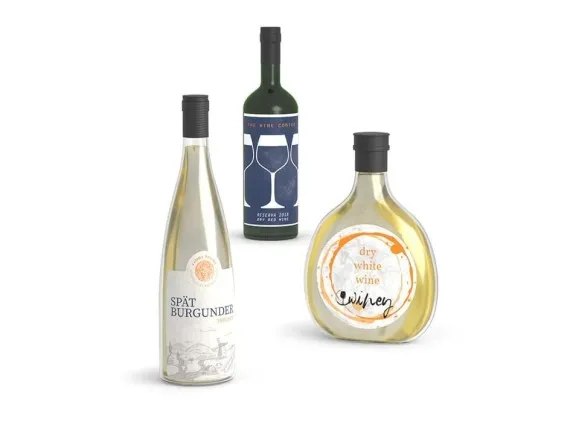
Wine labels must balance aesthetic appeal with practical durability. Our wine label solutions are designed to withstand cold, damp cellar conditions and remain intact during ice bucket chilling. These high-quality labels present your wine effectively with materials that are robust against environmental influences, including condensation, temperature fluctuations, and the natural expansion and contraction of glass bottles during storage.
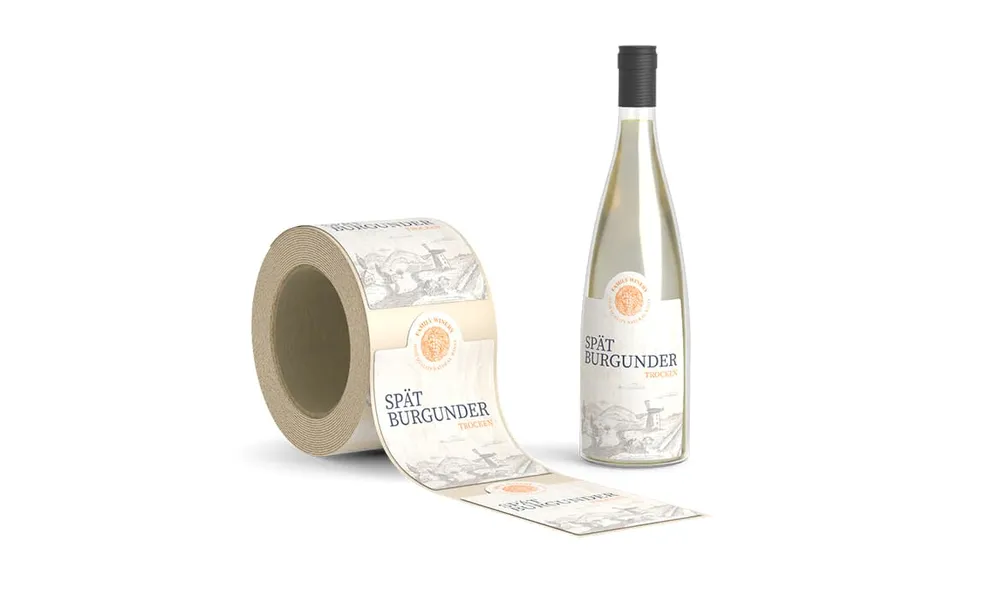
The design of wine labels often incorporates traditional elements that signal quality and heritage while allowing for contemporary touches that help your brand stand out in a crowded market. Available in various materials from textured papers to metallic finishes, our wine labels can be customized to reflect your vineyard's unique character and story. The tactile quality of these materials contributes significantly to the perceived value of the wine, with studies showing that consumers associate textured labels with higher quality products and are willing to pay premium prices accordingly.
Honey Labels: Natural Appeal with Practical Performance
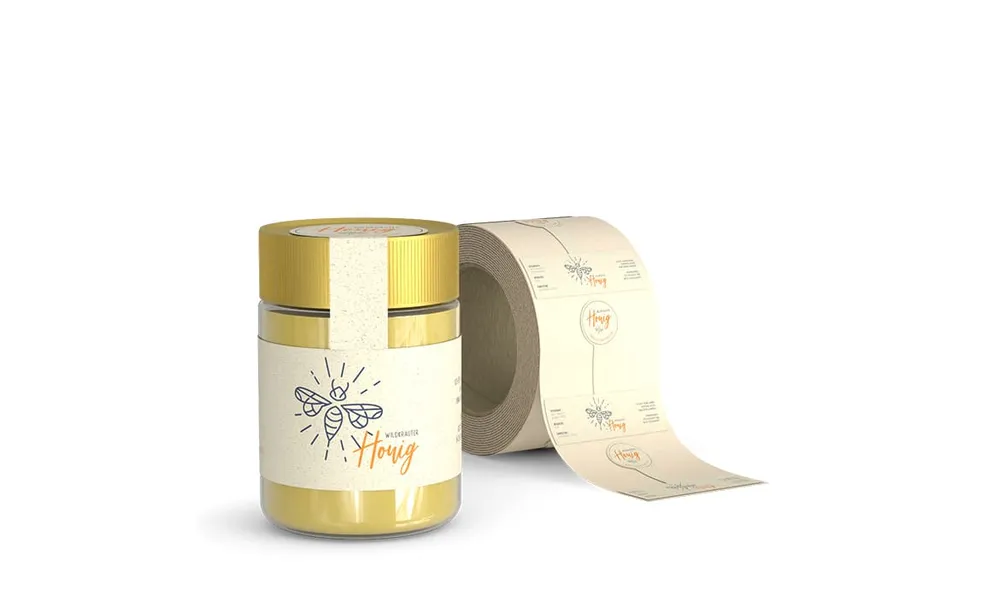
Honey product labels need to convey purity and natural quality while withstanding potential exposure to sticky residue. Our honey labels are designed to fit different container shapes and sizes while resisting difficult conditions like humidity and temperature fluctuations. The specialized adhesives used ensure the labels remain firmly attached even if small amounts of honey contact the label edges during pouring or handling.
These labels can be produced on paper options that complement the natural character of honey products. With high-quality materials and finishing techniques, they impress consumers with their professional design while providing the necessary durability for food products. Natural-looking textures and earthy color palettes often perform well for honey products, creating visual cues that reinforce perceptions of authenticity and purity that are particularly important in the artisanal and organic honey market segments.
Cosmetic Labels: Luxury and Performance
Cosmetic product labels must communicate luxury and quality while standing up to bathroom conditions and frequent handling. Our cosmetic label solutions are water and smudge resistant, ensuring they maintain their appearance even when exposed to oils, creams, and moisture. This resistance is crucial for preserving brand integrity throughout the product's use, particularly for items used in humid bathroom environments or applied with wet hands.
Available in various materials including transparent films that create a "no-label" look on clear containers, these labels can be customized to match your brand's aesthetic. Premium finishing options like foil stamping, embossing, or soft-touch coatings add tactile elements that enhance the perceived value of your cosmetic products. These sensory elements create a multidimensional brand experience that begins the moment the consumer touches the product, reinforcing luxury positioning and justifying premium pricing in this highly competitive market sector.
Each industry solution is developed with an understanding of both the practical requirements and the marketing considerations specific to that sector. Our custom label design services provide the expertise needed to navigate these specialized needs while creating visually compelling packaging that drives consumer engagement. This industry-specific approach ensures your labels not only look appropriate for their category but also perform optimally under the unique conditions they'll encounter throughout the product lifecycle.
The Technical Side of Label Design: Printing Methods and Finishes
Behind every eye-catching label is a series of technical decisions that influence both its appearance and performance. Understanding the various printing methods and finishing options available through professional label design services can help you make informed choices that align with your brand goals and budget. These technical aspects, while often invisible to the end consumer, significantly impact the quality, durability, and visual impact of your final product.
Digital vs. Flexographic Printing
Digital printing offers exceptional color reproduction and is ideal for short to medium runs with multiple designs. This method eliminates the need for printing plates, making it cost-effective for brands that require frequent design changes or seasonal variations. The quick turnaround times of digital printing also support agile marketing strategies and limited-edition product releases. Modern digital presses can achieve remarkable color accuracy with the ability to match specific brand colors and reproduce photographic images with exceptional detail.
Flexographic printing, while requiring initial plate setup, provides cost advantages for longer print runs of the same design. This traditional method offers excellent durability and can accommodate specialty inks like metallics that may not be available in digital printing. For established products with consistent branding, flexographic printing often delivers the best value over time. The specialized inks used in flexographic printing can also provide enhanced resistance to fading, abrasion, and chemical exposure, making this method particularly suitable for products with challenging environmental requirements.
Varnishes and Coatings
Different varnishes create distinct visual effects:
- Gloss varnish enhances color vibrancy and creates a shiny appearance that draws attention and makes colors appear more saturated and vibrant
- Matte varnish provides a sophisticated, understated look that communicates premium quality and reduces glare from store lighting
- Soft-touch coatings add a velvet-like texture that invites consumers to handle the product and creates a memorable sensory experience
- Combination finishes using both matte and gloss elements create visual contrast that highlights specific design elements
Embellishment Techniques
For premium products, consider these enhancement options:
- Hot foil stamping adds metallic elements that catch the light and create perceived value through association with precious metals
- Embossing creates raised elements for textural interest that can be felt by the consumer, adding a tactile dimension to your branding
- Debossing produces recessed elements for a subtle, elegant effect that suggests craftsmanship and attention to detail
- Spot UV highlights specific design elements with a glossy raised finish that creates visual and tactile contrast against matte backgrounds
- Holographic effects provide security features while adding visual interest through color-shifting properties
These technical aspects of label production require professional expertise to execute properly. Our custom label design services include guidance on selecting the appropriate printing methods and finishes to achieve your desired look while remaining within budget constraints. By understanding these options, you can make informed decisions that maximize the impact of your product packaging. The right combination of printing methods and finishes can transform an ordinary label into a powerful marketing tool that engages multiple senses and creates memorable brand impressions.
Packaging Solutions Beyond Labels: Folding Boxes and Pouches
While labels are essential components of product packaging, comprehensive brand presentation often requires additional packaging elements. Our custom design services extend beyond labels to include folding boxes and flexible pouches that complete your product's presentation. These complementary packaging solutions provide additional protection, expanded branding opportunities, and enhanced consumer experiences that can differentiate your products in competitive markets
Custom Folding Boxes for Premium Presentation
Folding boxes superior protection for products while offering extensive branding real estate. These versatile packaging solutions are widely used across industries including cosmetics, food, pharmaceuticals, and retail goods. The structural stability of folding boxes provides protection during shipping and handling while creating a premium unboxing experience that enhances brand perception.
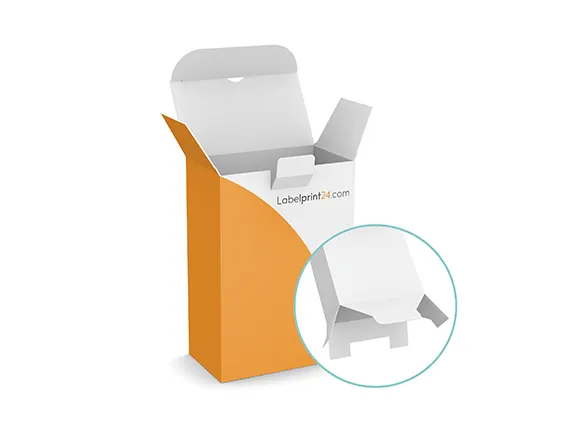
Our folding box with snap-lock base and security tab offers a high level of protection with a tight closure system that doesn't require gluing. This design is particularly suitable for food products, pharmaceuticals, and items requiring tamper-evident packaging. The security tab provides visual evidence of opening, giving consumers confidence in product integrity while simplifying the manufacturing process by eliminating the need for additional tamper-evident features.
For products that benefit from a more traditional approach, our folding carton with offset bottom flaps provides reliable closure with tuck flaps. The offset and mirrored flap design creates a secure structure that maintains its integrity during shipping and display. This classic design is well-suited to automated packaging lines and offers excellent printability for comprehensive branding across all visible surfaces.
Innovative Pouch Solutions
For products that benefit from flexible packaging, our foldable pouches offer tear-resistant protection with low tare weight. These customizable pouches are ideal for packaging dry goods, small items, or products that don't require rigid structural support. The lightweight nature of these pouches reduces shipping costs and environmental impact while still providing excellent product protection and full-surface printing capabilities for comprehensive branding.
Our stand-up pouches with zipper closure provide reliable protection against air and moisture while offering the convenience of resealability. These food-safe, odorless pouches are suitable for solid products, pastes, powders, and liquids, making them versatile solutions for various industries. The zipper closure enhances consumer convenience and extends product freshness, while the stand-up design creates excellent shelf presence with a large printable surface area for branding and product information.
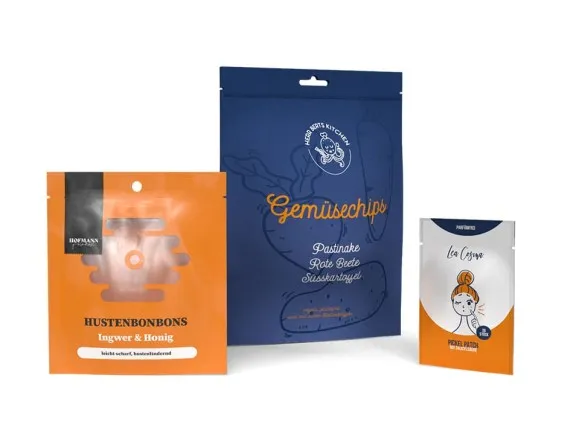
By considering your entire packaging system—from labels to boxes and pouches—you can create a cohesive brand experience that protects your products while maximizing marketing impact. Our design services help you navigate these options to develop integrated packaging solutions that work together harmoniously. This comprehensive approach ensures consistency across all consumer touchpoints, reinforcing brand recognition and creating packaging that functions effectively throughout the product lifecycle from manufacturing to consumer use.
The Evolution of Label Design: Historical Context and Modern Trends
Understanding the historical development of packaging and labeling provides valuable context for modern design decisions. The evolution of these essential marketing tools reflects broader changes in commerce, technology, and consumer behavior. By examining this historical progression, designers can draw inspiration from traditional techniques while incorporating contemporary innovations to create labels that feel both timeless and relevant.
As detailed in our article on the history of the folding box, packaging innovations have transformed how products are presented, protected, and marketed. The development of pre-cut, creased cardboard in the late 19th century revolutionized product packaging, allowing for more efficient production and consistent branding. This innovation by Robert Gair in 1879 marked a turning point in packaging history, enabling mass production of folding boxes that could be shipped flat and assembled as needed, dramatically reducing storage space requirements and shipping costs.
From Functional to Strategic
Early labels served primarily functional purposes—identifying contents and manufacturers. Today's labels are strategic marketing tools that:
- Create emotional connections with consumers through storytelling and brand narratives that resonate with target audiences
- Differentiate products in competitive markets by establishing unique visual identities that stand out on crowded shelves
- Communicate brand values and product benefits through carefully chosen imagery, typography, and color palettes
- Guide consumer usage through instructional elements that enhance product experience and satisfaction
- Support regulatory compliance with standardized information presented in clear, accessible formats
- Integrate with digital experiences through QR codes and augmented reality features that extend engagement beyond physical packaging
Contemporary Label Design Trends
Modern label design reflects several key trends that balance aesthetic appeal with practical considerations:
- Minimalist Design: Clean layouts with ample white space create premium impressions while ensuring key information stands out. This approach reduces visual clutter and focuses attention on essential brand elements, creating a sense of clarity and sophistication that appeals particularly to luxury and wellness markets.
- Vintage and Artisanal Aesthetics: Hand-drawn illustrations and typography suggest craftsmanship and authenticity for specialty products. These design elements create perceptions of traditional production methods and quality ingredients, particularly effective for food, beverage, and personal care products positioning themselves against mass-produced alternatives.
- Interactive Elements: QR codes and augmented reality features extend the label experience into digital realms. These technologies transform passive packaging into interactive consumer experiences that can provide product information, usage tutorials, brand storytelling, or promotional content that enhances engagement and builds deeper brand connections.
- Transparent Elements: Clear materials and "no-label" looks create modern, clean aesthetics particularly popular in beverages and cosmetics. This approach allows the product itself to become part of the visual presentation, communicating purity and confidence in product quality while creating a contemporary, minimalist impression.
- Bold Typography: Large, distinctive lettering creates immediate brand recognition even from a distance. Typography-forward designs reduce reliance on imagery while creating strong visual identities that can be quickly recognized in retail environments, supporting brand recall and instant product identification.
By understanding these historical contexts and current trends, brands can make informed decisions about how their label designs position their products in the marketplace. Professional design services help navigate these options to create labels that feel contemporary while avoiding short-lived fads that could quickly date your packaging. This balanced approach ensures your labels remain relevant and effective throughout your product's lifecycle while still capturing current aesthetic sensibilities that appeal to target consumers.
Practical Considerations: Budgeting and Implementation
Creating effective custom labels requires balancing design aspirations with practical considerations like budget constraints and implementation logistics. Understanding these factors helps you maximize the impact of your investment in professional label design services. By planning strategically, you can achieve impressive results that support your marketing goals while maintaining financial discipline and operational efficiency.
Cost Factors in Label Production
Several variables influence the cost of custom label production:
- Quantity: Larger orders generally reduce the per-label cost due to economies of scale in setup and production. The initial setup costs for printing plates, die cutting tools, and press configuration are distributed across the total order quantity, making higher volume runs more economical on a per-unit basis.
- Materials: Premium substrates like textured papers or specialty films increase costs but may deliver higher perceived value. The substrate choice affects not only the aesthetic qualities but also durability, performance characteristics, and printing compatibility, all of which influence both cost and effectiveness.
- Printing Method: Digital printing offers cost advantages for shorter runs, while flexographic printing becomes more economical at higher quantities. Digital requires no plate setup but has higher per-impression costs, while flexographic involves initial plate investments but lower running costs for extended production.
- Colors: Full-color process printing versus limited spot colors affects pricing, with more colors typically increasing costs. Process printing (CMYK) provides full-color capability but may not achieve exact color matches for brand colors, while spot colors ensure precise color reproduction but add cost with each additional color.
- Finishing Techniques: Special effects like foil stamping, embossing, or specialty varnishes add to production expenses. These embellishments require additional production steps, specialized equipment, and materials that increase both production time and material costs.
- Die Cutting: Custom shapes require specialized cutting dies, adding setup costs compared to standard rectangular or round labels. Custom dies are one-time investments that allow for distinctive label shapes but represent a fixed cost that must be considered in overall project budgeting.
Implementation and Application Methods
The method used to apply labels to your products affects both the label design and the materials selected:
Manual Application
For small-batch production or artisanal products, labels may be applied by hand. This method:
- Allows for more flexibility in label placement and can accommodate slight variations in container dimensions
- Works well with sheet-format labels that can be easily handled and positioned
- May require less precise edge alignment in the design, with allowances for minor placement variations
- Can accommodate more complex label shapes that might be challenging for automated equipment
- Provides opportunities for personalization or batch-specific customization during the application process
Our hand-held label dispenser can streamline this process, allowing for quick and secure labeling of even larger quantities. With a usable width of 25 to 60 mm and compatibility with labels between 20 and 60 mm in length, this tool bridges the gap between manual and automated labeling. The dispenser maintains consistent tension and alignment, reducing application time while improving placement accuracy compared to purely manual methods.
Automated Application
For higher-volume production, automated labeling equipment requires specific label formats:
- Roll format labels with consistent spacing and tension to ensure smooth feeding through application machinery
- Precise dimensions with tighter tolerances to prevent jams and misalignment during high-speed application
- Consideration of unwinding direction and core size to ensure compatibility with specific labeling equipment
- Materials and adhesives compatible with machine application speeds, which may create different stresses than manual application
- Registration marks or sensors that allow the equipment to position labels consistently on each package
Professional label design services account for these practical considerations from the beginning of the design process, ensuring that your labels not only look great but also function effectively within your production environment and budget constraints. By addressing these implementation factors early, you avoid costly redesigns or production delays that can occur when operational requirements are overlooked during the creative process.
Working with Professional Label Design Services: The Process
Collaborating with professional label design services involves a structured process that ensures your packaging meets both aesthetic goals and practical requirements. Understanding this process helps set realistic expectations and facilitates productive communication with design professionals. A well-managed design process not only produces superior results but also minimizes revisions, reduces time-to-market, and ensures the final product aligns perfectly with your brand strategy and operational needs.
The Design Brief: Communicating Your Vision
The foundation of successful label design is a comprehensive brief that outlines:
- Brand positioning and values that define your company's unique market position and the core principles that guide your business
- Target audience demographics and preferences, including age ranges, lifestyle factors, purchasing behaviors, and aesthetic preferences
- Competitive landscape and shelf context, identifying key competitors and how your product will be displayed alongside them
- Regulatory requirements for your product category, including mandatory information, warning statements, and compliance standards
- Technical specifications for production and application, such as container dimensions, surface materials, and application methods
- Budget constraints and timeline requirements that will influence material selections and production techniques
- Marketing objectives and key messages that the packaging needs to communicate to drive consumer engagement
Providing clear information at this stage helps designers create concepts that align with your business objectives while avoiding costly revisions later in the process. The more comprehensive your brief, the more efficiently designers can develop solutions that meet your specific needs rather than making assumptions that may require correction later.
Design Development and Refinement
Once the brief is established, the design process typically follows these steps:
- Research and Concept Development: Designers explore visual directions based on market research and brand positioning. This phase may include competitive analysis, trend research, and exploration of various design approaches that could effectively communicate your brand values.
- Initial Concept Presentation: Several design directions are presented for feedback and selection. These concepts typically show different approaches to addressing your brief, allowing you to select the direction that best aligns with your vision and marketing objectives.
- Refinement: The selected concept is refined based on client feedback and technical requirements. This iterative process hones the design, addressing specific elements like color balance, typography refinements, and layout adjustments to optimize both visual impact and practical functionality.
- Mockups and Prototypes: Physical or digital representations show how designs will appear on actual products. These visualizations help stakeholders evaluate the design in context, confirming that it works effectively on the actual container and within the intended retail environment.
- Final Artwork Preparation: Technical specifications are finalized for production, including color separations and die lines. This stage ensures that the creative vision can be accurately translated into physical labels through the selected printing and finishing processes.

Throughout this process, professional designers balance creative vision with technical constraints to ensure that the final labels are both visually compelling and practically feasible. This balance requires expertise in both graphic design principles and production technologies, allowing designers to create solutions that not only look impressive but also perform reliably in real-world conditions.
Production Considerations
As designs move toward production, several technical factors are addressed:
- Color Management: Ensuring consistent color reproduction across different printing runs through standardized color profiles and precise specification of brand colors using systems like Pantone matching
- Material Testing: Verifying that selected materials perform as expected with specific products by conducting adhesion tests, environmental exposure trials, and compatibility assessments
- Regulatory Compliance: Confirming that all required information is included and legible, often through dedicated legal review processes that verify content against applicable regulations
- Quality Control Processes: Establishing standards for inspecting printed labels including color accuracy, registration precision, finishing quality, and barcode scanability
- Production Efficiency: Optimizing designs for efficient manufacturing by considering factors like imposition (arrangement on printing sheets), waste reduction, and production throughput
Professional label design services manage these technical aspects, allowing you to focus on your core business while ensuring your packaging meets the highest standards of quality and compliance. This expertise minimizes production issues and ensures consistent results across multiple production runs, supporting reliable brand presentation in the marketplace.
Conclusion
Custom label design represents a critical investment in your brand's success, combining aesthetic appeal with functional performance to create packaging that attracts consumers, communicates effectively, and performs reliably throughout your product's lifecycle. From material selection and printing techniques to regulatory compliance, professional label design services navigate the complex considerations that transform basic product identification into powerful brand experiences.
At Labelprint24, our comprehensive label solutions support businesses across diverse industries with specialized expertise in wine labels, honey labels, cosmetics, frozen goods, and countless other applications. Our technical knowledge of materials, adhesives, printing methods, and finishing techniques ensures your labels perform exceptionally while reflecting your brand's unique identity and values. Whether you need labels that withstand extreme temperatures, communicate extensive regulatory information, or simply stand out on crowded shelves, we have the capabilities and experience to deliver outstanding results.
The strategic importance of label design extends beyond mere aesthetics to encompass brand recognition, consumer trust, regulatory compliance, and operational efficiency. By partnering with professional design services that understand both creative principles and technical requirements, you gain the confidence that your packaging will perform as impressively as it appears. Investing in quality label design pays dividends through increased brand recognition, consumer loyalty, and marketplace differentiation that drives long-term business growth.