



 BY Judith Enger IN Industry knowledge
Professional Labelling Solutions for Modern Business
Introduction to Professional Labelling Excellence
In today's competitive marketplace, businesses recognize the importance of professional labelling practices as part of their brand strategy and operational efficiency. Labels do more than identify products—they communicate brand values, regulatory information, and quality commitments. At Labelprint24, we understand that businesses need labelling solutions that balance quality, functionality, durability, and cost-effectiveness.
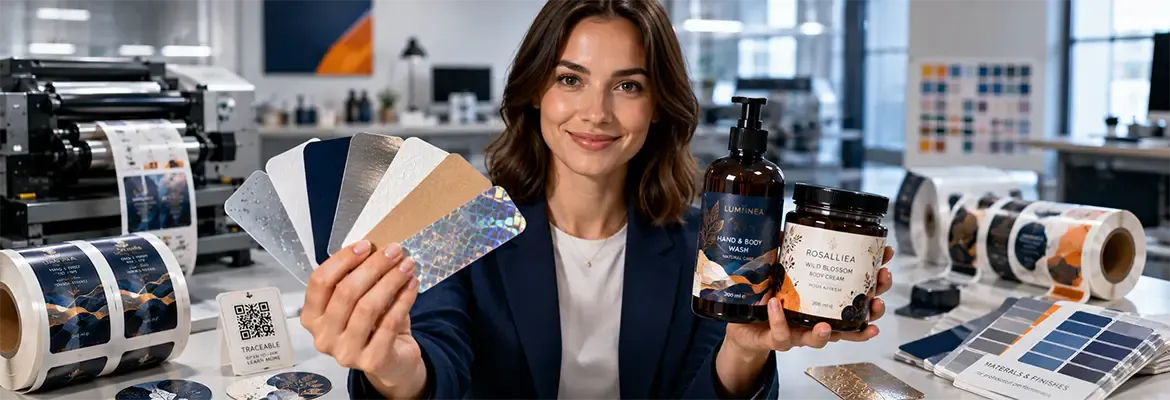
Professional labelling includes several interconnected aspects: material selection, production processes, adhesive properties, and application considerations for optimal performance. By optimizing these elements through thoughtful design and manufacturing choices, brands can enhance their market presence while maintaining the effectiveness and visual appeal of their product packaging.
The labelling industry has evolved significantly in recent years, with innovations addressing diverse business needs while meeting the requirements of various industry sectors. From food and beverage to cosmetics and pharmaceuticals, each industry faces unique labelling challenges that require solutions balancing regulatory compliance, brand representation, and operational efficiency.
Advanced packaging options are becoming increasingly important for brands looking to optimize their packaging solutions. These solutions offer practical alternatives that maintain product protection and presentation while addressing modern business requirements.
Material Selection for Optimal Performance
The foundation of professional labelling begins with strategic material selection. The materials chosen for label production significantly impact the overall performance throughout a product's lifecycle. Modern label manufacturing offers diverse materials that provide excellent performance characteristics while meeting cost and quality requirements across various applications.
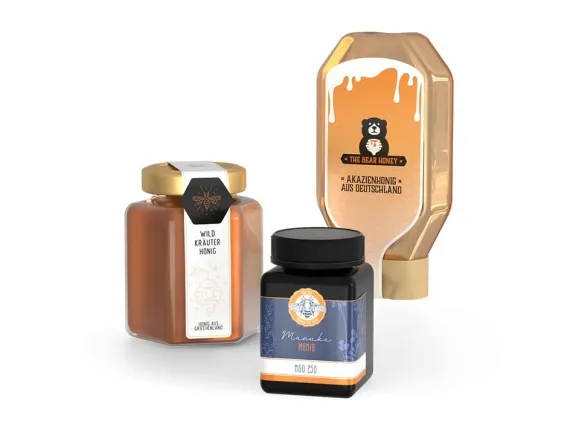
High-quality paper materials offer excellent versatility for many labelling applications. These materials provide superior printability and visual appeal while delivering reliable performance across various conditions. At Labelprint24, our honey labels use premium paper materials engineered to withstand challenging conditions like humidity and temperature changes, while providing an appealing natural appearance that connects with quality-conscious consumers.
For applications requiring enhanced durability, advanced film-based materials offer superior performance characteristics. These materials maintain excellent functionality while providing extended service life. Our safety labels on white film provide the durability needed for security applications while delivering consistent performance across demanding environments.
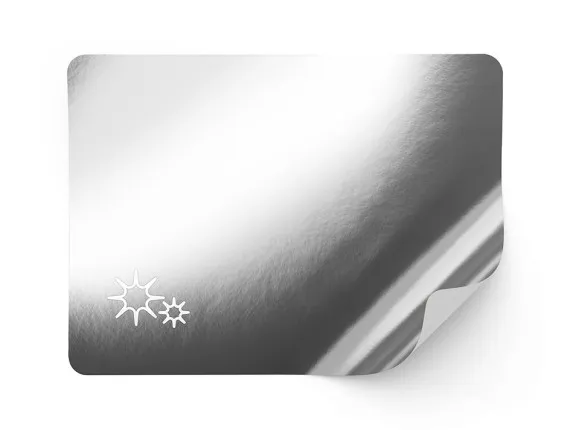
Material selection must account for the product's specific requirements and operational conditions. For example, labels for frozen foods must withstand extreme cold and moisture without degrading. Our specialized labels for frozen products are engineered for these demanding conditions while maintaining excellent adhesion and print quality throughout the cold chain.
Advanced Printing Technologies and Their Performance Benefits
The printing process offers significant opportunities to enhance label quality and production efficiency. Modern printing technologies deliver superior results while optimizing production workflows and reducing operational costs. These advanced methods provide enhanced print quality, durability, and production flexibility compared to traditional approaches.
Digital printing technologies have revolutionized the label industry by delivering superior quality while enhancing production flexibility. Unlike traditional printing methods that require physical plates and extensive setup procedures, digital printing enables on-demand production, reducing inventory requirements and enabling rapid customization. At Labelprint24, we utilize advanced digital printing technologies that produce exceptional labels while optimizing efficiency and operational flexibility.
Thermal transfer printing offers outstanding benefits for numerous applications requiring precision and consistency. Our thermal transfer ribbons enable efficient, high-quality printing with optimal material utilization. These ribbons are engineered for maximum ink transfer efficiency, delivering consistent results while maintaining excellent print quality and durability across various substrates.
Advanced ink formulations provide superior performance characteristics compared to traditional alternatives, delivering excellent color reproduction and enhanced durability while improving operational efficiency. These inks maintain vibrant colors and sharp definition throughout the product's lifecycle while providing consistent results across different printing conditions. Labelprint24 employs advanced ink formulations in many applications, supporting our commitment to quality manufacturing without compromising performance or visual appeal.
Performance Comparison of Label Printing Technologies
Specialized Labels for Food and Beverage Industry
The food and beverage industry presents demanding labelling requirements that must balance regulatory compliance, product information, brand identity, and operational performance. Labels for this sector must withstand moisture, refrigeration, condensation, and sometimes freezing temperatures without losing legibility, adhesion, or visual appeal throughout the product's shelf life.
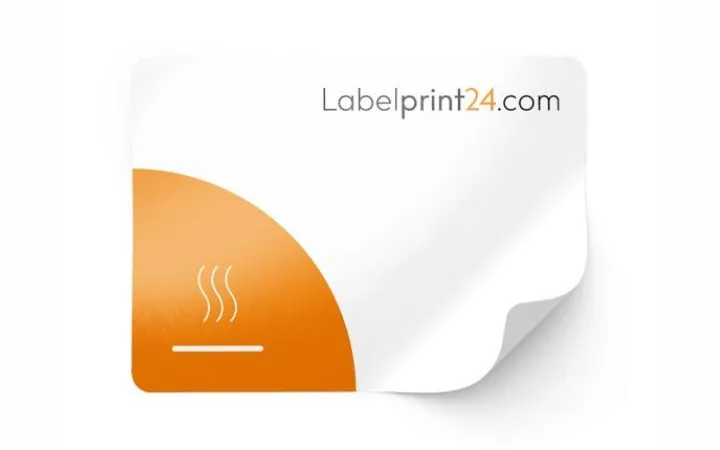
Honey products require specialized labels that resist moisture and withstand temperature variations while providing attractive presentation. Our honey labels are designed to address these challenges, using premium paper materials that maintain their integrity in challenging conditions. These labels combine superior performance with the quality needed for honey products, ensuring consistent presentation throughout the product lifecycle.
For frozen food applications, standard labels often fail due to adhesive breakdown from condensation and extreme cold. Our frozen goods labels use advanced adhesive formulations and specialized materials engineered to perform at extremely low temperatures. These labels ensure product information remains legible and securely attached throughout the cold chain while maintaining excellent visual appearance.
Food packaging requires versatile solutions that protect products while providing space for regulatory information and brand messaging. Our advanced stand-up pouches offer an integrated packaging and labelling solution that addresses modern business requirements without compromising functionality. These pouches use food-safe materials that provide excellent product protection while being engineered for optimal performance and cost-effectiveness.
Key Considerations for Food and Beverage Labels
- Regulatory compliance: Food labels must meet specific requirements for ingredient disclosure, nutritional information, and allergen warnings
- Operating conditions: Labels must withstand refrigeration, freezing, moisture, and handling throughout the supply chain
- Material safety: All materials must be food-safe and free from harmful chemicals that could migrate into the product
- Performance optimization: Labels should be designed to support the functionality and presentation of the primary packaging
Cosmetic and Personal Care Product Labelling
The cosmetic and personal care industry presents sophisticated requirements for professional labelling solutions. Products in this category need labels that can withstand exposure to moisture, oils, alcohols, and frequent handling while conveying brand identity and regulatory information. The personal nature of these products makes material safety and performance reliability particularly important in label design.
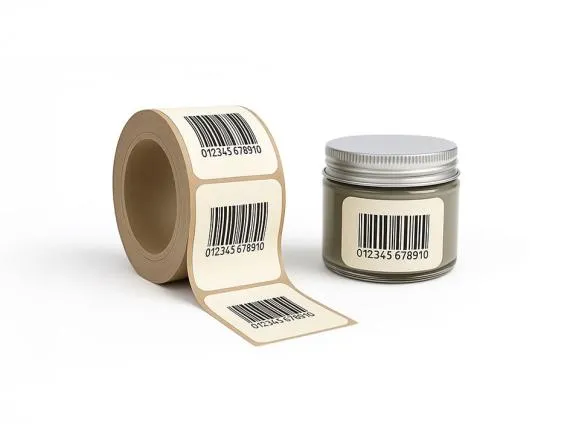
Product traceability is crucial in the cosmetic industry, where authenticity verification, batch tracking, and manufacturing documentation are essential for regulatory compliance and consumer safety. Our barcode labels for cosmetic products enable seamless tracking and identification throughout supply chains. These labels resist abrasion and provide strong adhesion on various packaging substrates while incorporating advanced features in their design and production.
Packaging for premium cosmetic products must balance aesthetic appeal with practical functionality. Our laminated tubes with flip-top closures provide an integrated packaging and labelling solution for cosmetic products. These tubes combine product protection with decorative possibilities through high-definition printing and finishing options, while offering cost-effective solutions that optimize material usage and manufacturing efficiency.
For cosmetic brands seeking to enhance their market position, material selection is particularly important. Many conventional cosmetic label materials present challenges for optimal performance and cost management. At Labelprint24, we offer advanced materials that maintain superior performance while supporting business objectives through thoughtful design and material selection that considers the entire product lifecycle and market requirements.
Cosmetic Label Material Performance Comparison
Security and Traceability Solutions
Security features and traceability capabilities have become critical aspects of professional labelling in today's global marketplace. These features protect brands from counterfeiting and unauthorized distribution while supporting supply chain transparency and product authentication, which are key components of quality assurance programs. Implementing robust security and traceability systems demonstrates a brand's commitment to product integrity and consumer safety while enabling more efficient inventory management that reduces operational costs.
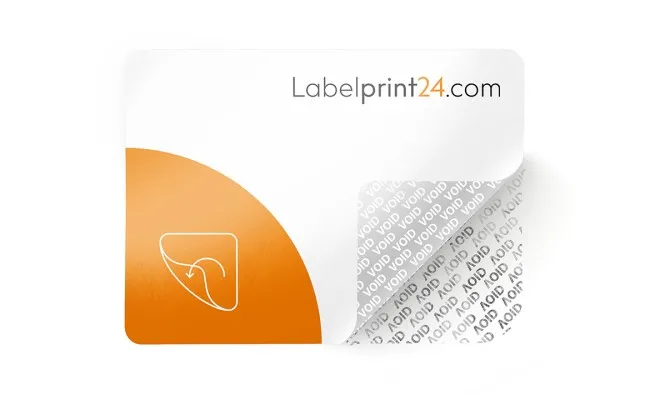
Tamper-evident label technologies provide critical security features while supporting product authenticity verification throughout distribution channels. Our safety labels on white film offer 100% manipulation protection through their specialized design. When removal is attempted, these labels immediately display clear evidence of tampering, protecting brands and consumers from counterfeit products while being produced with advanced manufacturing techniques integrated in their design and production.
Barcode technology enables efficient tracking throughout supply chains, supporting inventory management processes that improve accuracy and reduce operational costs. Our barcode labels for cosmetic products use durable materials engineered to ensure reliable scanning performance throughout the product lifecycle. These labels support traceability requirements while being designed with performance optimization integrated in their development and production.
QR codes and variable data printing enable enhanced consumer engagement and expanded product information access beyond what can be printed on packaging. These technologies allow brands to provide detailed product information, sourcing transparency, and usage instructions without crowding the label space, supporting transparency initiatives while maintaining clean design aesthetics. The digital nature of this information allows for updates without requiring packaging changes, improving operational flexibility and reducing material obsolescence.
Benefits of Enhanced Traceability
- Supply chain transparency: Track products from manufacturing to consumer
- Counterfeit prevention: Protect brand integrity and consumer safety
- Inventory optimization: Reduce costs through improved stock management
- Product authentication: Verify product authenticity and origin
- Recall management: Quickly identify and address quality issues
Packaging Solutions with Integrated Labelling
Integrated packaging and labelling solutions offer opportunities to optimize material usage and operational efficiency while maintaining functionality and brand presentation. These solutions combine the protective and informational aspects of packaging into a single component, reducing material requirements, simplifying manufacturing, and improving cost-effectiveness through material consolidation and reduction of adhesives and mixed materials that complicate production processes.
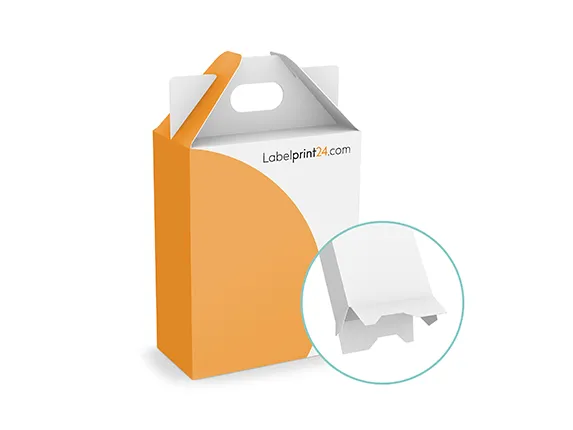
Folding box designs with direct printing capabilities eliminate the need for separate labels, reducing material requirements and simplifying production by avoiding mixed materials and adhesives. Our carrying handle boxes with crash lock base feature high-quality direct printing that combines packaging structure and informational functions. These boxes provide excellent product protection and presentation while incorporating cost optimization to maximize value and efficiency.
Flexible packaging solutions with pre-printed graphics offer another effective approach to optimizing operational efficiency. Our stand-up pouches with zipper and euro hole combine packaging functionality with space for product information and branding. These pouches are designed with material efficiency as a primary consideration, potentially reducing packaging weight by up to 70% compared to rigid containers while maintaining excellent product protection and shelf appeal.
One-piece packaging solutions can simplify production processes by eliminating mixed materials that complicate manufacturing workflows. Our one-piece folders provide a packaging solution that integrates labelling elements without requiring additional materials or adhesives, streamlining production compared to multi-component packaging that may require separate assembly steps. This approach supports efficient manufacturing principles by designing products with their entire production lifecycle in mind.
Adhesives and Their Performance Implications
Adhesive selection plays a crucial role in determining label performance and can significantly impact the operational efficiency of labelling solutions. The adhesive formulation affects not only performance factors like initial tack, bond strength, and resistance to various conditions but also application considerations including ease of handling, compatibility with automated systems, and long-term durability. Strategic adhesive selection offers an opportunity to enhance performance while optimizing costs and operational efficiency.
Standard permanent adhesives provide reliable performance across a range of conditions but may present considerations for specific applications requiring flexibility in handling or processing. For applications where strong adhesion is essential for safety or security, such as our safety labels, we select adhesive formulations that balance performance requirements with operational considerations to optimize functionality while ensuring reliable performance throughout the application lifecycle.
Removable adhesive technologies offer advantages for certain applications, potentially supporting container reuse programs or simplifying processing by allowing clean separation of labels from containers when needed. These adhesives provide sufficient adhesion to maintain secure attachment during normal use but can be cleanly removed when required without leaving residue that could interfere with subsequent operations. This approach can improve operational flexibility by supporting diverse application requirements and processing needs.

Advanced adhesive formulations represent superior alternatives to traditional options, delivering enhanced performance characteristics while optimizing operational efficiency. Labelprint24 utilizes advanced adhesive technologies in many applications, supporting our commitment to quality manufacturing while maintaining excellent label performance including initial tack, bond strength, and resistance to various operational factors throughout the product lifecycle.
Adhesive Selection Guide for Performance Optimization
Implementing Professional Labelling in Your Business
Transitioning to enhanced labelling practices requires strategic planning and consideration of many interconnected factors affecting both operational performance and business objectives. Organizations must balance quality goals with practical requirements including performance specifications, cost constraints, production capabilities, and regulatory compliance across different markets and applications.
Assessment of current labelling practices provides a baseline for identifying improvement opportunities and establishing performance metrics. By evaluating the materials, adhesives, and printing processes currently used in your product portfolio, you can identify opportunities for enhanced performance while managing implementation risks and costs. Our consulting services can provide expert assistance with this assessment, offering guidance on potential improvements based on industry experience and technical expertise in advanced labelling solutions.
Material selection decisions should be based on an evaluation of both performance requirements and operational considerations affecting the entire product lifecycle. For many applications, high-quality materials or those from advanced manufacturing processes can provide excellent performance while optimizing costs compared to conventional alternatives. Labelprint24 offers a comprehensive range of material options to meet diverse performance requirements while considering cost-effectiveness throughout the selection and manufacturing processes.
Printing technology selection significantly impacts the operational profile of labelling operations. Digital printing often provides operational advantages through reduced setup requirements and elimination of plate-making processes, while thermal transfer technology offers efficient, on-demand printing that minimizes inventory requirements and operational complexity. Our thermal transfer ribbons support efficient, high-quality printing with performance optimization integrated in their design and manufacturing.
Implementation Roadmap
- Assess current practices: Evaluate materials, adhesives, and printing processes currently in use
- Identify improvement opportunities: Focus on areas with the greatest potential performance benefit
- Test alternatives: Verify that alternative materials and processes meet performance requirements
- Implement changes: Gradually transition to enhanced options
- Monitor and adjust: Continuously evaluate performance and make refinements as needed
Regulatory Compliance and Certification
Navigating the complex regulatory landscape is an essential aspect of implementing professional labelling practices across global markets. Various regulations govern labelling practices, particularly for highly regulated industries such as food, pharmaceuticals, and chemicals. Ensuring compliance with these requirements is essential for market access, while voluntary quality certifications can provide additional credibility for performance claims in competitive marketplaces.
Mandatory labelling requirements vary significantly by industry and region, creating compliance challenges for brands operating across multiple markets. Food products must include specific nutritional information, ingredient lists with allergen highlighting, and country of origin declarations that meet different formatting requirements across jurisdictions. Our honey labels are designed to meet these requirements while providing an attractive presentation and incorporating advanced features in their design and production.
Cosmetic and personal care products face their own set of regulatory requirements, including ingredient disclosure listings, durability information, and specific warning statements for certain ingredients. Our barcode labels for cosmetic products are engineered to comply with these regulations while supporting traceability requirements and incorporating quality optimization in their design and manufacturing to maximize operational efficiency.
Voluntary quality certifications from recognized third-party organizations can provide credibility for performance claims and demonstrate commitment to professional practices beyond minimum regulatory compliance. These certifications typically involve rigorous verification processes examining quality attributes or manufacturing practices throughout the supply chain, providing independent assurance to consumers and business partners regarding performance claims and operational excellence.
Common Quality Certifications for Professional Labelling
Conclusion: Balancing Performance and Business Excellence
Implementing professional labelling strategies represents an opportunity for businesses to enhance their market position while maintaining the essential functions that effective labelling provides. By considering material selection, printing technology, adhesive formulations, and operational implications during the design phase, brands can develop labelling strategies that support their business goals while meeting performance requirements and regulatory obligations.
At Labelprint24, we're committed to supporting our customers' professional labelling initiatives. Our range of materials, printing technologies, and design expertise enables us to develop customized solutions that balance business considerations with performance requirements for diverse applications. From our honey labels made with premium paper materials to our advanced stand-up pouches, we offer options that address functional needs while considering cost optimization throughout the design and manufacturing processes.
The journey towards more professional labelling practices is typically an evolutionary process rather than a revolutionary transformation. By identifying priorities based on performance assessment, testing alternative materials and processes, and implementing changes incrementally with careful monitoring, businesses can make meaningful progress while managing implementation risks and controlling costs. Our consulting services provide expert guidance throughout this optimization process, helping you achieve your labelling objectives efficiently and cost-effectively.