


 BY Christoph Zumdick IN Technology
Label Printing Technology Advancements: Innovations in the Industry
Introduction to Modern Label Printing Technologies
The label printing industry has undergone a revolutionary transformation in recent years, fundamentally changing how businesses approach product identification, branding, and consumer communication. New technologies have completely redefined the standards for durability, customisation, and functionality in label production. At Labelprint24, we harness cutting-edge technologies to deliver exceptional label solutions that serve customers across retail, manufacturing, and distribution sectors with unprecedented precision and reliability.
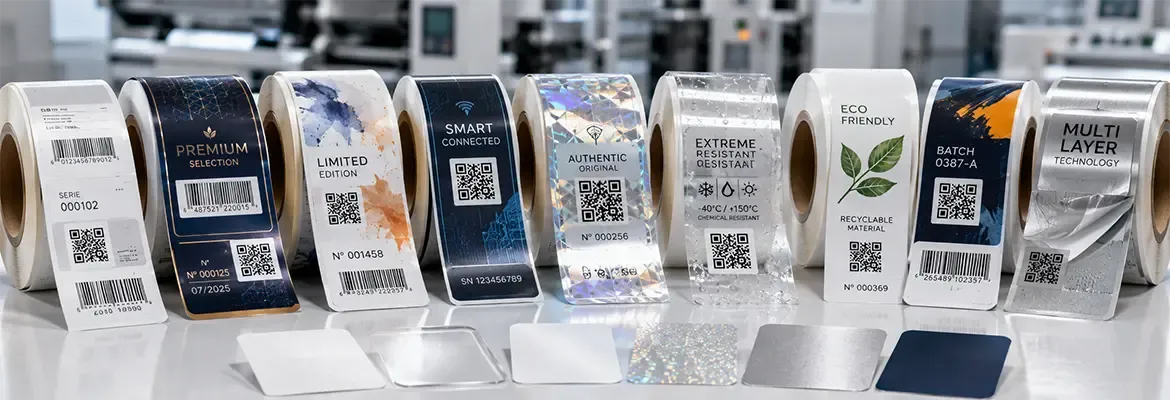
Today's labels represent a quantum leap beyond simple paper stickers, incorporating sophisticated engineering and advanced material science. Modern labels utilise breakthrough materials, revolutionary printing methodologies, and innovative designs that dramatically enhance durability, functionality, and aesthetic appeal. These technological advances have created extraordinary opportunities for brands across food, beverages, cosmetics, and pharmaceutical industries, enabling unprecedented levels of customisation whilst delivering superior performance characteristics.
The evolution of label printing technology stems from multiple converging factors that have reshaped industry expectations and capabilities. Businesses demand increasingly efficient production processes that can adapt to rapid market changes and seasonal fluctuations. Stringent regulatory frameworks require more comprehensive product information whilst maintaining visual appeal and brand consistency. Global supply chains necessitate labels that can withstand diverse environmental challenges whilst maintaining readability and adhesion throughout extended product lifecycles across international markets.
Key drivers of technological advancement include:
- Production Efficiency Requirements: Manufacturing facilities need faster, more reliable printing systems that can handle variable production volumes whilst maintaining consistent quality standards
- Regulatory Compliance Demands: Increasing requirements for detailed product information, allergen warnings, and traceability data that must be clearly presented without compromising design aesthetics
- Consumer Expectations: Growing demand for visually striking packaging that communicates quality, authenticity, and brand values through sophisticated design elements
- Environmental Durability: Need for labels that maintain performance across extreme temperature variations, humidity levels, and chemical exposure during global distribution
- Cost Optimisation: Pressure to reduce production costs whilst improving quality and functionality through technological innovation and process automation
- Customisation Flexibility: Market demand for personalised products and rapid design iterations that traditional printing methods cannot economically accommodate
These technological developments create unprecedented opportunities for businesses to enhance product presentation and operational efficiency across international markets. Modern printing systems enable rapid response to market trends, regulatory changes, and consumer preferences without the traditional constraints of minimum order quantities or lengthy setup processes. The integration of digital technologies with physical labels has opened new channels for customer engagement, supply chain visibility, and brand protection that extend far beyond traditional label functionality.
Multi-layer label solutions represent one of the most significant innovations, enabling comprehensive content integration without increasing label dimensions. These sophisticated designs incorporate multiple information layers whilst maintaining clean, professional aesthetics that enhance rather than clutter product presentation. Meanwhile, barcode and QR code integration has revolutionised inventory management and customer engagement, creating seamless digital connections that transform physical packaging from passive communication tools into interactive brand experiences.
Thermal Transfer Technology: Precision and Durability
Thermal transfer printing has emerged as the cornerstone of reliable, high-performance label production, establishing new benchmarks for durability and print quality. This sophisticated technology employs precisely controlled heat application to transfer ink from specially formulated ribbons onto label substrates, creating exceptionally durable prints that resist fading, smudging, and environmental degradation. The remarkable precision of thermal transfer systems enables the reproduction of intricate details, microscopic text, and complex graphics, making it the preferred choice for applications requiring consistent, long-lasting identification solutions.
Advanced thermal transfer systems deliver numerous performance advantages:
- Superior Print Resolution: Capable of producing crisp, clear images at resolutions up to 600 DPI, ensuring excellent readability even for small text and detailed graphics
- Exceptional Durability: Prints resist scratching, chemical exposure, and UV degradation, maintaining legibility throughout extended product lifecycles
- Variable Data Capability: Seamlessly handles sequential numbering, barcodes, and personalised information without compromising print quality or production speed
- Material Versatility: Compatible with diverse substrates including paper, synthetic films, and specialised materials for extreme environment applications
- Cost Efficiency: Lower per-label costs for medium to high-volume production runs compared to digital alternatives
- Industrial Reliability: Robust systems designed for continuous operation in demanding manufacturing environments with minimal maintenance requirements
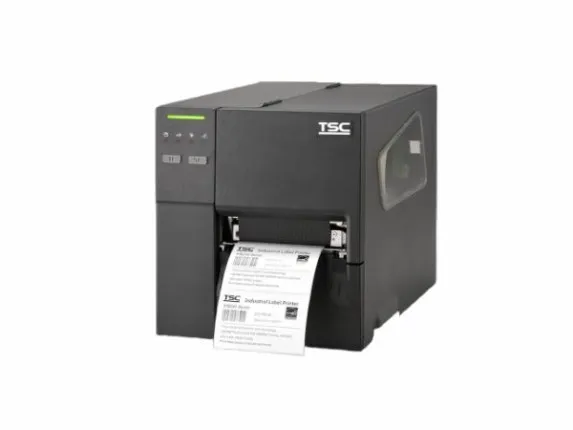
At Labelprint24, we offer state-of-the-art thermal transfer printing solutions, including our flagship MB240 thermal transfer printer that represents the pinnacle of printing precision and reliability. This advanced system delivers outstanding print quality with 203 DPI resolution whilst achieving impressive printing speeds of up to 254 mm per second, ensuring both quality and productivity. The printer accommodates labels up to 108 mm wide, providing versatility for diverse labelling applications from small product identification to large shipping labels.
The thermal transfer process relies on specially engineered ribbons that serve as the critical link between printer and substrate. Our premium thermal transfer wax ribbons are available in multiple configurations to match specific printing requirements and substrate characteristics. These precision-manufactured ribbons feature outside-wound construction with standardised 26 mm (1 inch) core diameters, ensuring consistent performance and easy integration with existing printing systems.
Professional-grade thermal transfer ribbons incorporate advanced formulations that optimise ink transfer efficiency whilst minimising print head wear and maintenance requirements. The ribbons are engineered to deliver consistent, high-quality results across extended production runs, making them exceptionally cost-effective for high-volume applications. Proper ribbon selection based on substrate material, environmental conditions, and durability requirements ensures optimal print quality and equipment longevity.
Digital Printing Innovations: Flexibility and Customisation
Digital printing technology has fundamentally revolutionised the label industry by eliminating traditional barriers to customisation, short-run production, and rapid market response. This transformative technology bypasses conventional plate-making and extensive setup procedures, enabling direct image transfer from digital files to label substrates with unprecedented speed and flexibility. The democratisation of high-quality label production has made professional-grade labelling accessible to businesses of all sizes, removing the prohibitive setup costs and minimum order quantities that previously limited customisation options.
Digital printing systems provide comprehensive advantages for modern labelling requirements:
- Variable Data Integration: Seamlessly incorporates personalised information, sequential numbering, and unique identifiers without additional setup or tooling costs
- Rapid Prototyping: Enables quick design testing and market validation through cost-effective sample production and iterative refinement
- Colour Accuracy: Advanced colour management systems ensure consistent brand colour reproduction across different production runs and substrates
- Short-Run Economics: Eliminates setup costs and plate charges, making small quantities economically viable for speciality products and market testing
- Design Flexibility: Supports complex graphics, photographic images, and intricate colour gradients that traditional printing methods struggle to reproduce
- Quick Turnaround: Dramatically reduces production lead times from weeks to hours, enabling rapid response to market opportunities and urgent requirements
Our customised inkjet labels exemplify the capabilities of advanced digital printing technology, showcasing exceptional versatility and rapid production capabilities. We can manufacture these premium labels in as little as 48 hours, utilising either high-performance films or specialised papers depending on application requirements. The labels are completely customisable in dimensions, design, and finishing options, enabling businesses to respond swiftly to market opportunities, seasonal promotions, or regulatory changes without maintaining large inventories of pre-printed materials.
Advanced finishing options enhance both the aesthetic appeal and functional performance of digitally printed labels. Film lamination provides superior protection against moisture, handling, and environmental stress whilst enabling special visual effects through textured or specialised films. Varnish coatings offer selective protection and visual enhancement, creating opportunities for sophisticated design elements such as spot gloss, matte contrasts, and tactile effects that elevate brand perception and consumer engagement.
The integration of digital printing with advanced finishing techniques delivers results that match or exceed traditional printing quality whilst maintaining the inherent advantages of digital flexibility. This combination enables rapid design iterations, cost-effective customisation, and premium presentation quality that supports brand positioning and market differentiation. Modern digital systems also incorporate sophisticated colour management and quality control systems that ensure consistent results across different production runs and substrates.
Specialised Materials for Extreme Conditions
The development of specialised materials represents one of the most significant breakthroughs in label technology, enabling reliable performance in environments that would destroy conventional labelling solutions. These advanced materials incorporate cutting-edge polymer science, adhesive chemistry, and surface engineering to maintain label integrity and readability under extreme conditions. The scientific innovation behind these materials has dramatically expanded the applications for printed labels, enabling reliable identification and branding in previously impossible environments such as deep-freeze storage, chemical processing, and outdoor exposure.
High-performance materials deliver critical advantages for demanding applications:
- Temperature Resistance: Maintains adhesion and print quality across extreme temperature ranges from -40°C to +150°C without degradation or failure
- Chemical Compatibility: Resists solvents, oils, cleaning agents, and corrosive substances that would dissolve or damage standard label materials
- Moisture Protection: Waterproof constructions prevent delamination, print deterioration, and adhesive failure in high-humidity environments
- UV Stability: Advanced formulations resist colour fading and material degradation from prolonged sunlight exposure and artificial lighting
- Mechanical Durability: Withstands scratching, abrasion, and physical handling without compromising appearance or legibility
- Adhesive Innovation: Specialised adhesives maintain bonding strength under challenging conditions whilst enabling clean removal when required
Our labels for frozen goods demonstrate the remarkable capabilities of advanced material engineering in extreme cold conditions. These specialised labels are engineered to maintain full functionality at temperatures as low as -40°C, environments where conventional labels fail due to adhesive crystallisation and substrate brittleness. Available in both paper and polypropylene film constructions, these waterproof materials ensure critical product information remains clearly visible throughout the entire cold chain distribution process.
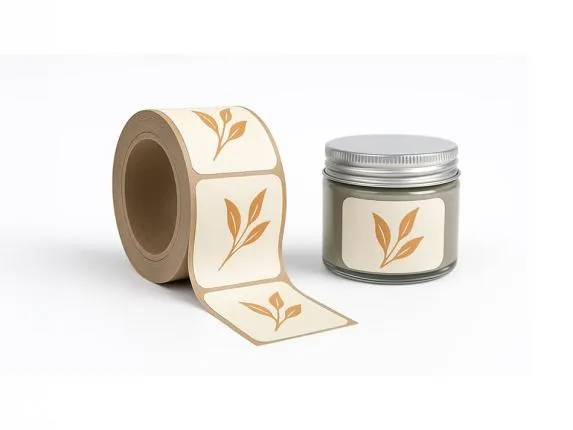
Similarly, our labels for cosmetic cream jars showcase sophisticated material science designed to resist the unique challenges of beauty product packaging. Starting at 79.20 GBP, these labels can be produced with 48-hour turnaround times whilst offering complete customisation to match brand aesthetics without compromising performance characteristics. The specialised adhesive systems maintain bonding strength even when exposed to silicones, oils, and moisturisers commonly found in cosmetic formulations.
These advanced materials represent the convergence of multiple scientific disciplines, combining polymer chemistry, adhesive technology, and surface science to create labelling solutions that perform reliably in the most challenging environments. The investment in material research and development ensures that modern labels can support product distribution and branding across global markets with diverse environmental conditions. Quality control and testing protocols verify performance characteristics before commercial release, providing confidence in real-world applications.
Multi-Layer and Extended Content Labels
The evolution towards multi-layer and extended content labels addresses the growing challenge of information density in modern product packaging. Regulatory requirements and consumer transparency expectations continue to expand, demanding more comprehensive product information whilst maintaining clean, attractive package design. Multi-layer labels represent a sophisticated engineering solution that provides dramatically increased content capacity without expanding the label footprint, enabling brands to meet information requirements whilst preserving aesthetic appeal and shelf presence.
Multi-layer label systems offer comprehensive advantages for information-intensive applications:
- Content Expansion: Provides up to 6 times more printable surface area compared to traditional single-layer labels without increasing package footprint
- Regulatory Compliance: Accommodates extensive ingredient lists, usage instructions, and safety information required by pharmaceutical and food regulations
- Multilingual Support: Enables complete product information in multiple languages without package redesign or market-specific inventory
- Interactive Features: Incorporates promotional codes, detailed product stories, and technical specifications that enhance consumer engagement
- Design Flexibility: Allows separation of regulatory information from marketing content, optimising visual hierarchy and brand presentation
- Durability Engineering: Features reinforced hinge mechanisms and specialised adhesives that withstand repeated opening and closing cycles
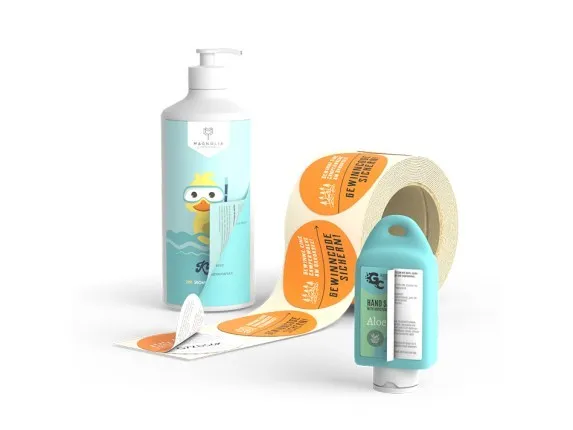
Our multi-layer label solutions utilise sophisticated construction techniques that enable multiple content pages within a single label assembly. These innovative designs incorporate various finishing options including foil accents for premium appeal, laminate protection for durability, and specialised coatings that enhance both functional performance and visual aesthetics. The engineering precision required for multi-layer construction involves exact alignment of multiple substrate layers, specialised adhesive systems that enable repeated operation, and durable hinge mechanisms that maintain structural integrity throughout extended product lifecycles.
The construction of multi-layer labels requires sophisticated manufacturing processes that ensure consistent performance and appearance across production runs. Precision die-cutting creates exact registration between layers whilst maintaining smooth operation and professional appearance. Advanced adhesive systems provide secure bonding for permanent layers whilst enabling easy operation of fold-out sections without compromising durability or appearance over time.
Multi-layer labels represent a convergence of engineering innovation and practical functionality that addresses modern packaging challenges without compromising design aesthetics. The technology enables brands to provide comprehensive product information whilst maintaining clean package design and efficient manufacturing processes. Quality control procedures ensure consistent performance characteristics and professional appearance that supports brand positioning and regulatory compliance across international markets.
Smart Labels and Interactive Technologies
The integration of digital technologies with physical labels has created unprecedented opportunities for product authentication, consumer engagement, and sophisticated supply chain management. Smart labels incorporate interactive elements such as QR codes, RFID tags, NFC chips, and other digital technologies that seamlessly connect physical products to digital experiences and information systems. This convergence of physical and digital worlds represents one of the most transformative developments in label technology, creating powerful new channels for brand communication, customer engagement, and data collection that extend far beyond traditional packaging limitations.
Smart label technologies provide comprehensive benefits for modern business applications:
- Supply Chain Visibility: Enables real-time tracking and authentication throughout distribution networks, reducing counterfeiting and improving inventory management
- Consumer Engagement: Creates interactive experiences through smartphone scanning, providing access to product information, usage tutorials, and brand content
- Data Collection: Generates valuable insights about consumer behaviour, product interaction patterns, and market preferences through digital touchpoint analytics
- Authentication Security: Incorporates anti-counterfeiting features that protect brand integrity and consumer safety through verifiable digital certificates
- Marketing Integration: Connects physical products to digital marketing campaigns, social media platforms, and customer relationship management systems
- Regulatory Compliance: Provides access to comprehensive product documentation, safety data sheets, and compliance certificates without physical label space limitations
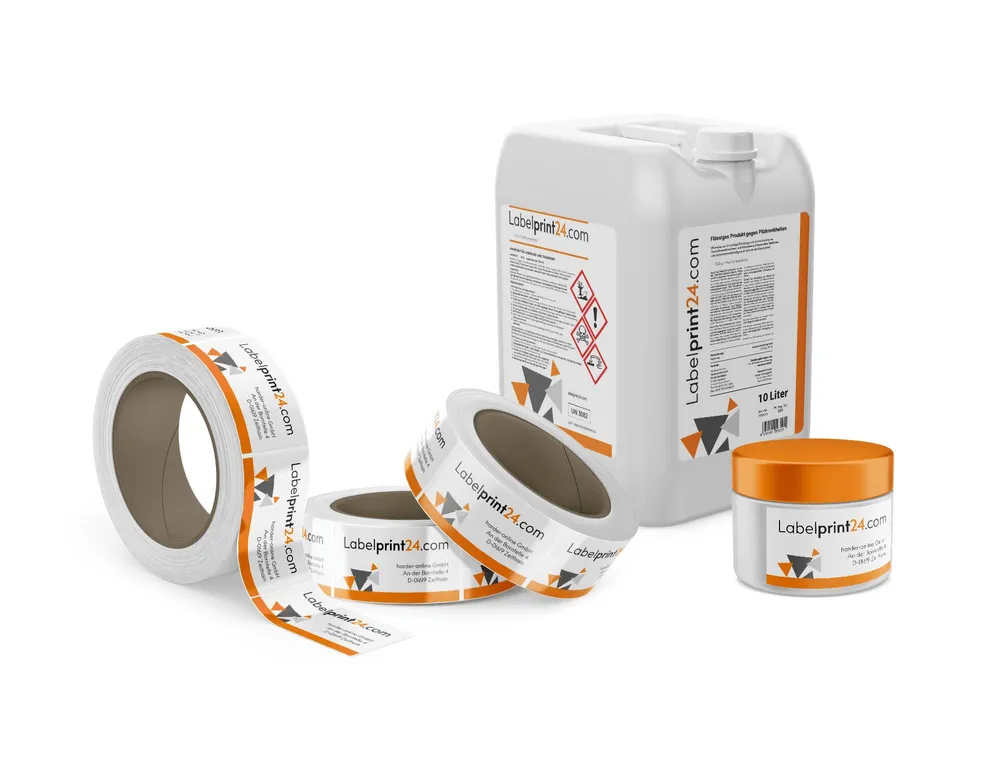
Our barcode and QR code label solutions deliver exceptional print precision and reliable scanning performance that ensures consistent data capture across diverse applications and environments. Available in both convenient sheet and efficient roll formats, these labels accommodate variable data printing for personalised information, sequential numbering, and unique identification codes. The precision of our advanced printing processes guarantees consistent scan reliability across various scanning devices, lighting conditions, and reading distances, eliminating operational disruptions caused by poor code quality or printing inconsistencies.

As outlined in our comprehensive guide to creating a brand in 2024, effective modern branding strategies must incorporate digital touchpoints that seamlessly complement and enhance physical packaging experiences. Smart labels function as sophisticated bridges between physical and digital brand experiences, enabling companies to deliver rich, interactive content that transcends the traditional limitations of printed materials. This technological integration creates unprecedented opportunities for storytelling, consumer education, and engagement that would be impossible within conventional label space constraints.
The implementation of smart label technologies requires careful consideration of technical specifications, consumer accessibility, and integration with existing business systems. Successful deployment involves collaboration between label manufacturers, technology providers, and brand managers to ensure seamless functionality and optimal user experience. Advanced quality control procedures verify scanning reliability and digital connectivity before commercial deployment, ensuring consistent performance across diverse market conditions and consumer devices.
Conclusion: Embracing the Future of Label Technology
The remarkable evolution of label printing technology has fundamentally transformed what was once merely a simple identification tool into a sophisticated, multifunctional component of modern product packaging, marketing strategy, and comprehensive supply chain management. From precision thermal transfer printing and revolutionary digital innovations to specialised materials engineered for extreme conditions and intelligent smart label integration, these technological advances offer unprecedented opportunities for businesses to enhance their products, streamline operations, and engage consumers in entirely new ways. The accelerating pace of innovation continues to be driven by converging technological capabilities, evolving market demands, and increasingly complex regulatory requirements that shape how products are identified, tracked, authenticated, and presented to discerning consumers worldwide.
Future developments in label technology promise even greater capabilities and applications:
- Advanced Materials: High-performance substrates that maintain exceptional performance characteristics whilst supporting diverse application requirements
- Enhanced Interactivity: Integration of augmented reality, voice activation, and gesture recognition technologies that create immersive brand experiences
- Artificial Intelligence: Smart manufacturing systems that optimise production parameters, predict maintenance requirements, and ensure consistent quality through machine learning algorithms
- Blockchain Integration: Secure, transparent supply chain tracking that provides verifiable product authenticity and provenance information for consumer confidence
- Nanotechnology Applications: Advanced materials with self-healing properties, colour-changing capabilities, and enhanced barrier protection for specialised applications
- IoT Connectivity: Labels that communicate directly with smart devices, inventory systems, and cloud-based platforms for real-time monitoring and management
At Labelprint24, we maintain an unwavering commitment to embracing and implementing these technological advances whilst ensuring accessibility for businesses of all sizes and industries. Our comprehensive portfolio of innovative label solutions—spanning from precision barcode and QR code labels to sophisticated multi-layer labels and cutting-edge packaging innovations—demonstrates our dedication to providing state-of-the-art solutions that address rapidly evolving market requirements. We continuously invest in emerging technologies, advanced materials research, and innovative production processes to ensure our customers have access to the most effective, reliable, and future-ready labelling solutions available, regardless of their specific industry sector or unique application requirements.
The future landscape of label printing technology appears exceptionally bright, with continued innovation promising even greater capabilities, enhanced functionality, and expanded applications across diverse industries and markets. By embracing these technological advances today, forward-thinking businesses position themselves strategically for sustained success in an increasingly competitive, dynamic, and technology-driven marketplace. The seamless combination of digital and physical elements, continuous improvement of functional performance characteristics, and ongoing optimisation of production processes will continue to transform how labels contribute to overall product success, creating exciting new possibilities for brands that recognise, understand, and effectively leverage these emerging opportunities.