




 BY Christoph Zumdick IN Industry knowledge
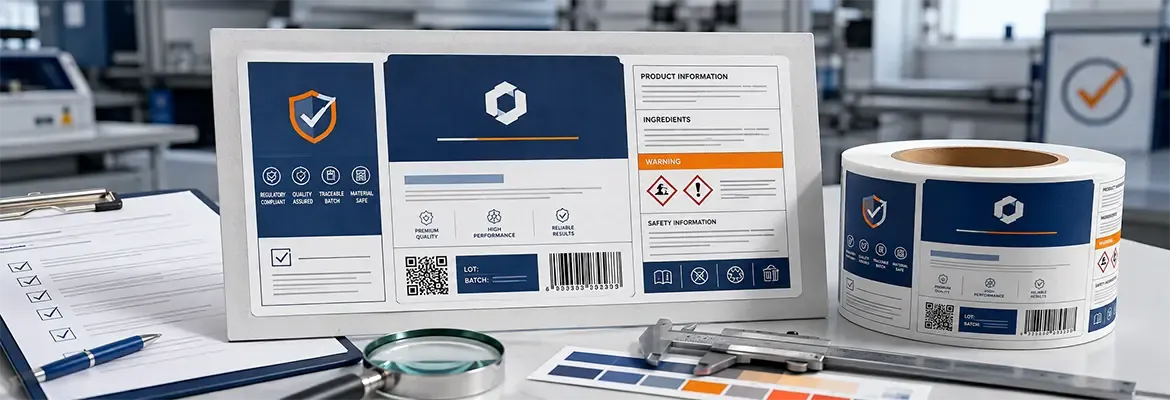
How to Optimise Label Design for Compliance
Introduction to Label Compliance Requirements
Labels serve as critical communication tools between brands and consumers. When designing labels, compliance with industry regulations isn't just a legal requirement—it's essential for building consumer trust and avoiding costly penalties. At Labelprint24, we've been producing compliant labels since 1961, helping businesses understand regulatory requirements across numerous sectors and applications.

Label compliance requirements vary significantly across industries, from food and beverage to chemical and pharmaceutical sectors. Each industry has specific guidelines governing what information must appear on labels, how it must be presented, and what claims can be made. Understanding these requirements is the first step in creating effective, compliant label designs that meet regulatory standards and communicate with consumers.
Non-compliance can lead to serious consequences, including product recalls, legal penalties, and damage to brand reputation. According to industry studies, the cost of a recall can run into millions, not to mention the long-term impact on consumer trust. Recent research indicates that the average cost of a significant product recall exceeds £10 million in direct costs alone, with additional indirect costs potentially reaching much higher due to brand damage and lost sales opportunities.
Chemical labels require specific warning symbols and hazard information, whilst food labels must include nutritional information, allergens, and ingredients. Understanding these industry-specific requirements is essential before beginning the design process. Regulatory bodies such as the FDA, EPA, and their international counterparts continuously update these requirements, making it vital for businesses to stay informed about the latest regulations.
Understanding Industry-Specific Regulations
Different industries face unique regulatory challenges when it comes to label compliance. Let's examine some key sectors and their specific requirements, exploring the approaches necessary for each industry:
Food and Beverage Industry Labelling Requirements
Food labelling regulations are among the most detailed. Labels must include nutritional information, ingredients list, allergen warnings, net weight, and manufacturer information. The format and prominence of this information are also regulated. In many places, nutritional information must follow specific formats such as the Nutrition Facts panel in the United States or the traffic light system in the UK. Allergen information must be emphasised through bold text or other highlighting methods so people with allergies can quickly spot potential risks.
At Labelprint24, we provide food labels that are HACCP audited and produced with low-migration paints, varnishes, films, and papers. This ensures that your products meet regulatory requirements and maintain food safety standards throughout their shelf life. Our production processes make sure no harmful substances migrate from the label to the food product, which is especially important for items with direct food contact.

For frozen food products, special considerations must be taken into account. Our labels for frozen goods are designed to withstand cold temperatures without losing adhesion or legibility, ensuring compliance even in challenging storage conditions. These specialised labels use advanced adhesives that maintain their properties at temperatures as low as -40°C, preventing the detachment that standard labels would experience in freezer environments.
Chemical and Hazardous Materials Labelling
Chemical labels must comply with the Globally Harmonised System of Classification and Labelling of Chemicals (GHS), which standardises hazard communication worldwide. These labels require specific pictograms, signal words, hazard statements, and precautionary statements. The GHS system uses nine standardised pictograms to communicate specific hazards, from acute toxicity to environmental damage, and requires precise placement and sizing of these elements to ensure clear hazard communication.
Our chemical labels are designed to be insensitive to acids, solvents, and alkalis, ensuring that critical safety information remains intact throughout the product's lifecycle. These labels stick perfectly to various surfaces and maintain high-quality print, which is essential for communicating hazard information clearly. The materials we use are tested against chemical exposure, ensuring that even when in direct contact with harsh substances, the label's colour and legibility remain uncompromised—a crucial factor for safety information.
Pharmaceutical and Medical Device Labelling
Pharmaceutical labels must include drug facts, dosage information, warnings, active ingredients, and expiration dates. Medical device labels have their own requirements, including unique device identifiers (UDIs) and specific symbols. These highly regulated sectors often need additional elements such as lot numbers, serialisation for traceability, and anti-counterfeiting features to ensure product authenticity and patient safety throughout the supply chain.
For products requiring extensive information that won't fit on a standard label, multi-layer labels provide an excellent solution. These labels can contain multiple pages of information whilst maintaining a professional appearance and ensuring compliance with regulatory requirements. They're particularly valuable for pharmaceutical products that need to include detailed dosing instructions, contraindications, and adverse reaction information in multiple languages whilst maintaining a compact package size.
For expert guidance on booklet labels specifically, our expert advice for booklet labels can help you navigate the complexities of these multi-page information carriers. Our specialists can guide you through design considerations, material selection, and regulatory requirements specific to booklet labels, ensuring that your pharmaceutical or medical device labels effectively communicate all necessary information whilst remaining compliant.
Essential Elements of Compliant Label Design
Creating compliant label designs requires attention to several key elements that work together to ensure both regulatory conformity and effective communication with end users. These fundamental aspects must be considered together to create labels that satisfy both legal requirements and practical functionality:
Material Selection for Different Environments
Choosing the right label material is crucial for compliance, as different environments require different properties. For example, labels for refrigerated or frozen products need materials that can withstand cold temperatures without losing adhesion. Similarly, products exposed to moisture, sunlight, or chemical contact require specialised materials that maintain their integrity under these challenging conditions, ensuring that regulatory information remains legible throughout the product's usable life.
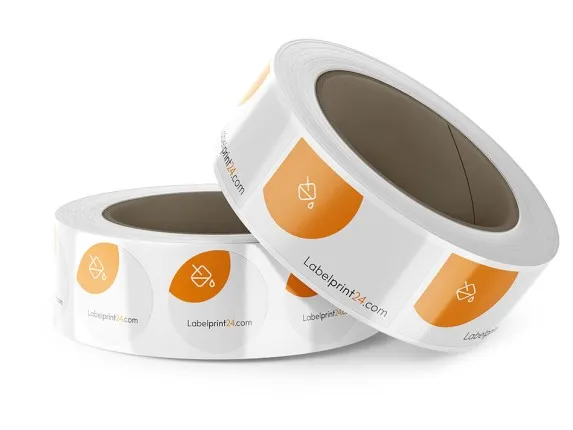
Our adhesive labels are available in various materials suitable for different applications. Whether you need labels for indoor or outdoor use, we offer materials with excellent adhesion to almost all surfaces and finishes that maintain their integrity in various environments. From standard paper labels for controlled environments to specialised polyester and vinyl materials for extreme conditions, our range ensures that you can find the perfect material for your specific needs.
For chemical products, labels must be resistant to the contents they're identifying. Our chemical labels are designed to be insensitive to acids, solvents, and alkalis, ensuring that critical safety information remains intact throughout the product's lifecycle. We use specialised materials with chemical-resistant coatings and adhesives that maintain their bond even when exposed to harsh substances, preventing the label degradation that could compromise safety information and lead to non-compliance.
Typography and Readability Standards
Regulatory bodies often specify minimum font sizes and types to ensure readability. For example, nutrition facts on food labels must meet specific font size requirements, and warning statements on chemical labels must be prominently displayed. The FDA mandates minimum font sizes for nutritional information (typically no smaller than 6-point), whilst the EU's food information regulation requires a minimum x-height of 1.2mm for mandatory information on most food packages.
Clear typography is essential for compliance. Use sans-serif fonts for better readability at small sizes, and ensure sufficient contrast between text and background. Avoid decorative fonts for regulatory information, as they can reduce legibility. Consider the reading environment as well – labels that will be read in dim light or by older people may require larger font sizes and higher contrast to ensure the information remains accessible to all potential users.
Colour Usage and Contrast Requirements
Colour plays a crucial role in label compliance. For warning labels, specific colours are often required by regulations. For example, GHS hazard pictograms must appear in black on a white background with a red border. The exact shade of red is defined by regulatory standards, and deviations could result in non-compliance. Similarly, nutritional information often requires specific colour treatments to ensure visibility and consistency across products.
Contrast is also important for readability. Regulatory text must be clearly legible against its background. This often means using dark text on a light background or ensuring sufficient contrast when using coloured backgrounds. Colour contrast ratios of at least 4.5:1 are recommended for standard text and 3:1 for larger text, ensuring that information remains readable even for users with visual impairments or in poor lighting conditions.
Our product labels are produced with high print quality thanks to the latest printing technology, ensuring that colours are accurate and consistent, which is essential for compliant label design. Our colour management systems allow for precise colour matching across print runs, ensuring that warning symbols and other colour-coded regulatory elements maintain their required appearance throughout production.
Information Hierarchy and Organisation
Properly organising information on a label is crucial for compliance. Regulatory information must be prominently displayed, with mandatory elements given priority over marketing messages. This requires thoughtful layout design that balances legal requirements with brand communication, ensuring that all required elements are present and properly emphasised according to their importance to consumer safety and regulatory compliance.
For products with complex information requirements, consider using structured layouts with clear sections. Our special shape labels can be customised to create visual interest whilst maintaining compliance with regulatory requirements. These uniquely shaped labels can help guide the consumer's eye through the information in the intended sequence, using visual cues such as shape, colour blocks, or graphic elements to create a clear information hierarchy that emphasises critical regulatory content whilst still maintaining brand identity.

Technical Considerations for Compliant Labels
Beyond design elements, technical aspects of label production also impact compliance. These behind-the-scenes factors are equally important in ensuring that labels meet regulatory requirements and maintain their integrity throughout the product lifecycle, from manufacturing to consumer use:
Printing Processes and Quality Control
The printing process directly affects the legibility and durability of label information. High-quality printing ensures that all text, especially regulatory information, remains clear and legible throughout the product's lifecycle. Different printing technologies offer varying levels of durability and resolution – digital printing provides excellent colour accuracy for short runs, whilst flexographic printing offers durability for labels exposed to challenging environments. The choice of printing technology should align with the specific requirements of your product and its intended use environment.
For on-demand printing needs, our thermal transfer ribbons are compatible with all printers with flat head and near edge print heads, ensuring consistent, high-quality printing for your labels. These ribbons provide excellent print quality for variable information such as batch numbers, expiration dates, and other traceability data that is often required for regulatory compliance in industries like pharmaceuticals, food, and chemicals.
Quality control is essential in label production. At Labelprint24, we implement thorough quality checks to ensure that all labels meet regulatory requirements and maintain their integrity throughout their intended use. Our quality control processes include visual inspections, barcode verification, colour matching, and durability testing to ensure that every label that leaves our facility meets the highest standards of quality and compliance, reducing the risk of regulatory issues or product recalls due to labelling defects.
Barcode and Tracking Requirements
Many industries require barcodes or other tracking mechanisms on labels. These must meet specific standards for size, placement, and readability by scanning equipment. For example, pharmaceutical products often require GS1 DataMatrix codes that contain product identifiers, expiration dates, and batch numbers, whilst retail products typically use UPC or EAN codes that must meet specific size and contrast requirements to ensure reliable scanning at point of sale.
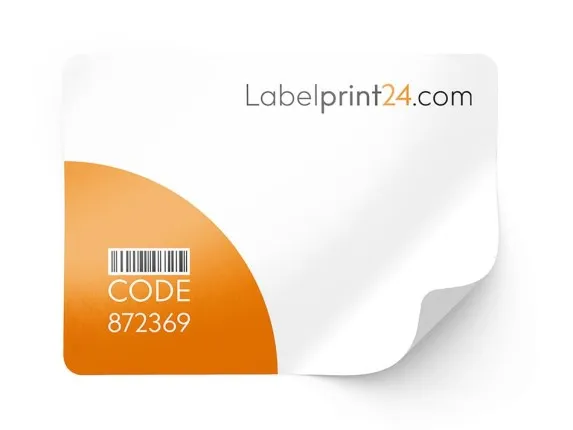
Our numbered labels feature sharp print images and reliable legibility, with optional barcode checks for sensitive POS systems. These labels are ideal for inventory tracking and product identification. Our verification systems ensure that every barcode meets the required quality standards for first-scan readability, which is essential for supply chain efficiency and regulatory compliance in industries that require product traceability from manufacturer to consumer.
Adhesive Performance in Various Conditions
The adhesive used on labels must perform reliably in the conditions the product will encounter. For example, food products may require adhesives that remain effective in refrigerated or frozen environments, whilst chemical products may need adhesives resistant to the contents. Adhesive selection is a critical technical consideration that directly impacts compliance – if a label detaches or deteriorates due to environmental factors, critical regulatory information is lost, potentially creating safety hazards and compliance violations.
Our safety labels with hologram film feature sealing-resistant PET material, providing protection against tampering and ensuring reliable identification of original goods. These specialised security labels incorporate tamper-evident features that reveal unauthorised attempts to remove or alter the label, making them ideal for pharmaceutical products, high-value items, and other applications where product authenticity is critical for regulatory compliance and consumer safety.
Durability and Environmental Resistance
Labels must maintain their integrity throughout the product's lifecycle. This includes resistance to handling, storage conditions, and environmental factors like moisture, temperature, and UV exposure. For outdoor products, UV resistance is crucial to prevent fading that could render regulatory information illegible. For products used in industrial settings, resistance to oils, solvents, and abrasion ensures that safety information remains visible even in harsh working environments.
For products stored in challenging environments, our labels for frozen goods are specially designed to maintain adhesion and legibility even in extreme cold. These labels use specialised adhesives and face materials that resist condensation, maintain flexibility at low temperatures, and prevent the cracking or detachment that would compromise regulatory compliance. Our testing processes ensure that these labels perform reliably throughout the product's storage and use cycle, from production line to consumer freezer.
Workflow Optimisation for Compliant Label Design
Efficient workflows are essential for creating compliant labels consistently. Establishing structured processes ensures that all regulatory requirements are met whilst maintaining efficiency in the design and production process:
Cross-Departmental Collaboration
Effective label design requires collaboration between various departments, including design, legal, regulatory affairs, marketing, and production. Each department brings different expertise to ensure that labels meet both compliance requirements and business objectives. Regulatory experts understand the specific requirements for different markets, legal teams assess potential liability issues, marketing professionals focus on brand communication, and production teams ensure that designs are technically feasible to produce at the required quality level.
Establish clear communication channels between departments and define responsibilities for each stage of the label design process. Regular check-ins and reviews can help identify potential compliance issues early. Consider using collaborative software platforms that allow multiple stakeholders to review and comment on label designs simultaneously, creating a documented approval process that captures input from all relevant departments and maintains a record of decisions made during the design process.
Template Creation and Management
Developing standardised templates for different product categories can streamline the label design process whilst ensuring compliance. These templates should incorporate all required regulatory elements in the correct format and position. By starting with compliant templates, designers can focus on creative aspects whilst knowing that the foundational regulatory elements are already properly positioned and formatted according to relevant standards.
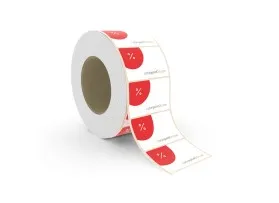
At Labelprint24, we offer table label dispensers that make applying labels easier, making the labelling process more efficient and consistent. These dispensers allow for easy removal with a light pull on the backing film and can be used with internally wound rolls up to 170 mm outer diameter. Proper application is an often-overlooked aspect of label compliance – if labels are applied inconsistently or incorrectly, even perfectly designed labels may fail to meet regulatory requirements in the final product presentation.
Approval Workflows and Compliance Checks
Implement structured approval workflows that include compliance checks at multiple stages. This ensures that labels meet all regulatory requirements before going to production. A typical workflow might include initial design review by regulatory experts, followed by legal review, marketing approval, and final technical assessment before production. Each stage should include specific checklists to verify that all required elements are present and correctly formatted according to applicable regulations.
Consider using digital tools to manage the approval process, allowing for version tracking, change history, and electronic sign-offs. This creates an audit trail that can be valuable in case of regulatory inspections. Digital approval systems can also include automated checks for common compliance issues, such as minimum font sizes, required warning statements, or proper formatting of nutritional information, helping to catch potential problems before they reach production.
Innovative Packaging Solutions for Enhanced Compliance
Beyond traditional labels, innovative packaging solutions can help enhance compliance by providing additional space for information, improving durability, or incorporating advanced features that support regulatory requirements whilst enhancing the user experience:
Multi-Layer and Booklet Labels
For products with extensive information requirements, multi-layer and booklet labels provide additional space without increasing the package size. These labels can include multiple pages of information whilst maintaining a professional appearance. This innovative solution is particularly valuable for pharmaceutical products, agrochemicals, and other regulated items that require extensive usage instructions, safety information, and multilingual content to meet global regulatory requirements.
Our multi-layer labels with 3 printed pages provide ample space for detailed information, making them ideal for pharmaceutical products, chemicals, and other items with extensive regulatory requirements. These labels can be designed with different opening mechanisms, from peel-and-reseal systems to booklet formats with multiple pages, allowing for creative solutions to complex information requirements whilst maintaining a professional appearance and ensuring that all regulatory content is accessible to the end user.

Smart Packaging and Digital Solutions
Digital technologies can complement physical labels to enhance compliance. QR codes, for example, can link to additional product information, instructions, or regulatory details that wouldn't fit on the physical label. These digital extensions can provide content that's easily updated when regulations change, reducing the need for packaging redesigns and ensuring that consumers always have access to the most current information regarding product use, safety, and compliance.
Our special shape labels can be customised to include QR codes or other digital elements, creating a bridge between physical and digital information. These uniquely shaped labels can draw attention to digital access points, encouraging consumers to scan codes for additional information whilst maintaining the distinctive visual identity that helps your product stand out on crowded retail shelves. This hybrid approach combines the immediate visual impact of physical labels with the depth and flexibility of digital content.
Integrated Packaging Systems
For some products, integrating compliance information directly into the packaging can be more effective than applying separate labels. Our stand-up pouches allow for direct printing of compliance information, creating a seamless look whilst ensuring all regulatory requirements are met. This integrated approach eliminates concerns about label adhesion or placement whilst providing ample space for both marketing and regulatory content across the entire package surface.
These pouches offer high barrier protection and can be fully customised to include all necessary compliance information whilst maintaining an attractive appearance. The flexible printing area allows for creative layouts that clearly separate regulatory information from marketing content whilst ensuring that all required elements are prominently displayed. These integrated packaging solutions can include features like resealable closures, transparent windows, and ergonomic shapes that enhance user experience whilst maintaining full compliance with applicable regulations.

Common Compliance Pitfalls and How to Avoid Them
Even with the best intentions, label compliance issues can arise. Here are some common pitfalls and how to avoid them, based on our extensive experience working with clients across various regulated industries:
Overlooking Specific Regional Requirements
Different regions may have different labelling requirements, even for the same type of product. What's compliant in one country may not be in another. For example, nutritional information formats differ significantly between the US, EU, and Asian markets, whilst chemical hazard communication systems may have subtle but important differences in required warning statements or pictogram usage across different regulatory jurisdictions.
To avoid this pitfall, research specific requirements for each market where your product will be sold. Consider creating market-specific label versions rather than trying to create a one-size-fits-all solution. Establish relationships with regulatory experts in each target market or work with a label provider like Labelprint24 that has experience navigating international requirements. Implementing a systematic review process that specifically checks for regional variations in requirements can help catch potential compliance issues before they become costly problems.

Prioritising Marketing Over Compliance
Whilst marketing messages are important, they should never overshadow or interfere with regulatory information. In case of limited space, compliance must take precedence. We've seen cases where attractive designs have reduced the legibility of warning statements or where brand colours have been used inappropriately for regulatory information, creating potential compliance issues despite good aesthetic intentions.
Our product labels are designed to balance compliance requirements with marketing needs, ensuring that your products meet regulatory standards whilst still effectively communicating your brand message. We recommend establishing clear guidelines for your design team that define protected areas for regulatory information and specify how marketing elements can be integrated without compromising compliance. Creating templates with dedicated zones for different types of information can help maintain this balance consistently across product lines.
Ignoring Material Compatibility
Using the wrong materials can lead to compliance issues if labels degrade, become illegible, or fall off during normal use. This is particularly important for products exposed to challenging environments or containing potentially damaging substances. For example, a perfectly designed chemical label is useless if the ink fades when exposed to the product it identifies, or if a food label loses adhesion when exposed to freezing temperatures during storage.
Work with experienced label suppliers like Labelprint24 who understand material compatibility and can recommend the right materials for your specific application. Consider the entire lifecycle of your product when selecting label materials, including manufacturing conditions, transportation, storage, and consumer use. Testing labels under real-world conditions before full production can identify potential issues early, allowing for adjustments to materials or designs before investing in large production runs.
Failing to Update Labels When Regulations Change
Regulatory requirements evolve over time, and labels that were once compliant may become outdated. Failing to monitor and respond to regulatory changes can lead to non-compliance, even for established products. Industries like food, pharmaceuticals, and chemicals often see regular updates to labelling requirements, making ongoing vigilance essential for maintaining compliance.
Establish a system for monitoring regulatory changes in your industry and target markets. Subscribe to regulatory newsletters, join industry associations, and consider working with regulatory consultants who can alert you to upcoming changes. Build flexibility into your label design and production processes to accommodate updates without requiring complete redesigns. Our production systems can quickly implement changes to meet new regulatory requirements whilst maintaining your brand consistency.
Measuring and Maintaining Compliance
Ensuring ongoing compliance requires systematic monitoring and periodic reviews of your labelling practices:
Regular Compliance Audits
Conduct regular audits of your labels to ensure they continue to meet all regulatory requirements. This should include checking for changes in regulations, verifying that production labels match approved designs, and confirming that materials continue to perform as intended throughout the product lifecycle.
Document your audit findings and create action plans to address any issues discovered. Regular audits help catch problems before they escalate into costly recalls or regulatory penalties. Consider engaging third-party experts to conduct independent audits, providing objective assessments of your compliance status and identifying potential vulnerabilities in your labelling systems.
Supplier Quality Management
Your label supplier plays a crucial role in maintaining compliance. Establish clear specifications for materials, printing quality, and testing requirements. Regular communication with your supplier ensures that they understand your compliance needs and can alert you to any potential issues during production.
At Labelprint24, we work closely with our clients to understand their regulatory requirements and implement quality control measures that ensure consistent compliance. Our experience across multiple industries allows us to anticipate potential issues and provide proactive solutions that maintain compliance whilst optimising production efficiency.
Training and Education
Ensure that everyone involved in label design, approval, and production understands relevant regulatory requirements. Regular training sessions keep team members updated on new regulations and best practices. This includes designers who create label layouts, production staff who manufacture labels, and quality control personnel who verify compliance.
Consider developing internal compliance guides specific to your products and markets. These resources provide quick reference materials that help team members make informed decisions during the design and approval process, reducing the risk of compliance errors and ensuring consistent application of regulatory knowledge across your organisation.
Conclusion
Optimising label design for compliance is a multifaceted challenge that requires attention to regulatory requirements, technical considerations, design principles, and production processes. Success in this area protects your business from costly recalls and legal penalties whilst building consumer trust through transparent, accurate product information.
The foundation of compliant label design lies in understanding industry-specific regulations and how they apply to your products. Whether you're working with food labels that require detailed nutritional information, chemical labels that must communicate hazard information clearly, or pharmaceutical labels that need extensive dosing instructions, knowing the specific requirements for your sector is essential. These requirements extend beyond just what information must be included to encompass how it must be presented, what materials can be used, and how labels must perform throughout the product lifecycle.
Material selection represents a critical technical consideration that directly impacts compliance. Labels must maintain their integrity in the conditions your products will encounter, from freezing temperatures in cold storage to chemical exposure in industrial settings. The right combination of facestock, adhesive, and protective finishes ensures that regulatory information remains legible and securely attached throughout your product's journey from manufacturer to end user.
Equally important is the design execution that balances regulatory requirements with brand communication. Typography must be legible, colours must meet contrast requirements, and information must be organised in clear hierarchies that prioritise safety and regulatory content. This doesn't mean sacrificing brand identity – rather, it requires thoughtful integration of marketing elements with mandatory information, creating labels that are both compliant and visually appealing.
The workflow processes you establish for creating and approving labels significantly impact your ability to maintain consistent compliance. Cross-departmental collaboration ensures that regulatory, legal, marketing, and production perspectives are all considered during label development. Structured approval workflows with compliance checks at multiple stages catch potential issues before they reach production, whilst digital systems provide the documentation needed to demonstrate compliance during regulatory inspections.
Innovation in packaging solutions continues to provide new opportunities for enhanced compliance. Multi-layer and booklet labels offer expanded space for detailed information without increasing package size, whilst digital technologies like QR codes create bridges between physical labels and comprehensive online content. These solutions help address the growing complexity of regulatory requirements whilst maintaining clean, attractive packaging that appeals to consumers.
At Labelprint24, we've been producing compliant labels since 1961, developing deep expertise across multiple regulated industries. Our comprehensive range of solutions includes food labels that meet HACCP standards, chemical labels resistant to harsh substances, and multi-layer labels that accommodate extensive regulatory content. Our quality control processes and technical expertise ensure that your labels meet regulatory requirements whilst supporting your brand objectives.
Remember that compliance is not a one-time achievement but an ongoing commitment. Regulations evolve, products change, and new markets present different requirements. By establishing robust systems for monitoring regulatory changes, conducting regular audits, and maintaining close relationships with knowledgeable suppliers, you can ensure that your labels continue to meet all applicable requirements throughout your products' market presence.
Investing in compliant label design protects your business, builds consumer trust, and supports your long-term success in regulated markets. The cost of getting it right is minimal compared to the potential consequences of non-compliance, making this a critical area deserving careful attention and appropriate resources. Let our expertise guide you through the complexities of regulatory compliance, creating labels that meet all requirements whilst effectively communicating your brand message to consumers.