





 BY Christoph Zumdick IN Industry knowledge
Cost Factors in Custom Label Production
Custom label production involves many cost factors that can really affect your budget. Whether you're ordering product labels for retail items, chemical labels for industrial use, or cosmetic labels for beauty products, knowing these cost factors helps you make smart choices. This guide looks at what makes custom labels more or less expensive, so you can get the best labels without spending too much money.
At Labelprint24, we work with businesses of all sizes to create custom labels that meet their specific needs and budget requirements. By understanding the various factors that impact label costs, you can better plan your production strategy and potentially reduce unnecessary expenses. This guide will walk you through everything from material selection and printing methods to quantity considerations and finishing options.
Introduction to Custom Label Production Costs
Custom labels are important tools for businesses in many industries. At Labelprint24, we know that planning a budget for label production means thinking about multiple cost factors. Whether you're ordering cosmetic labels, chemical labels, or other product labels, understanding these costs helps you make smart choices.
Custom label prices can vary a lot depending on how complex they are, from simple black and white stickers to fancy labels with special finishes. Many businesses don't track their printing costs, which means they miss chances to save money. Research shows that printing costs usually make up 1-3% of a company's revenue, but almost 90% of businesses don't keep track of these expenses. This can mean thousands of pounds wasted each year, especially for businesses that need lots of labels for different products.
This guide looks at the main things that affect custom label costs, giving you tips to help save money without sacrificing quality. By understanding these factors, you can plan better and cut unnecessary expenses. The label industry keeps changing with new technology, changing material costs, and shifting customer preferences, so it's important to stay informed about cost-efficient production methods and materials.
Quantity and Volume Considerations
The number of labels you order is one of the biggest factors affecting cost per label. Larger orders usually mean lower costs per label because of economies of scale. This happens because setup costs—like preparing plates, adjusting machines, and loading materials—stay about the same no matter how many labels you order. When ordering product labels, try to combine smaller orders into bigger batches when you can.
For example, ordering 10,000 labels once a year instead of 1,000 labels every month can really lower your per-label cost by avoiding multiple setup charges. At Labelprint24, our online calculator lets you see right away how increasing quantities affects your per-label cost, helping you find the best balance between quantity and budget. The difference can be huge—100 labels might cost £1.50 each, whilst 10,000 labels might only cost £0.15 each. This 90% reduction shows why planning your volume is so important. Industry statistics show that setup costs typically make up 30-50% of total label costs for small runs, but can drop to less than 5% for large orders.
Most label manufacturers, including Labelprint24, have minimum order requirements to ensure production efficiency. These minimums can vary based on how complex the label design is, what materials are used, and which printing method is employed. Understanding these requirements helps avoid unexpected costs or limitations when planning your label production. By planning ahead and ordering in appropriate quantities, you can significantly reduce your overall labelling costs whilst maintaining high-quality results. Many businesses find that ordering quarterly or twice a year, rather than monthly, can reduce their annual label costs by 15-25% through more efficient production planning.
Material Selection Impact on Costs
The material you choose for your labels has a big impact on both cost and performance. Paper-based labels are usually the cheapest option and work well for many standard uses. But for products exposed to water, chemicals, or physical stress, film materials like polypropylene (PP), polyethylene (PE), or polyester (PET) last longer but cost more. From least to most expensive, materials typically go: paper (matte, gloss), polypropylene, vinyl, polyester, polyimide.
Our chemical labels are specially designed to resist "acids, solvents or alkalis," making them perfect for harsh environments despite costing more upfront. When picking materials, think about the actual conditions your labels will face rather than automatically choosing the most durable (and expensive) option. For products with short lifespans or indoor use, skipping laminates or varnishes can save a lot of money. Material selection should be based on what you really need—for instance, a bathroom product might need to resist moisture but not chemicals, whilst a garage product might need to resist oil but not UV light.
Different adhesives can also significantly impact label costs. Standard permanent adhesives are usually the cheapest, whilst removable, repositionable, or speciality adhesives (like those for extreme temperatures or wet surfaces) generally cost more. For products like transparent labels, which often need special adhesives to stay clear, this can be a big cost factor. When choosing adhesives, balance what you need with what they cost to avoid paying for features you don't need. Industry experts estimate that speciality adhesives can increase label costs by 15-40% compared to standard options, making this an important thing to consider when trying to save money without giving up essential functionality.
Size, Shape, and Design Complexity
Label size directly affects how much material is used and, as a result, the cost. Bigger labels need more raw materials and usually cost more to produce. Also, standard sizes (like those commonly used for shipping or product identification) are generally cheaper than custom dimensions that may need special cutting dies or extra setup. At Labelprint24, we offer product labels "in 100% freely-selectable formats, immediately calculable online," letting you see how size changes affect your overall costs.
Standard shapes like rectangles and circles usually cost less than custom shapes that need specialised die-cutting tools. Making a die for custom shapes is a fixed cost that becomes especially significant for smaller orders. Custom die-cut shapes need specialised tools and cost more than standard shapes like squares, rectangles, and circles. These dies can cost several hundred pounds, so it's important to think about whether a custom shape provides enough marketing value to justify the extra expense. Many manufacturers keep libraries of standard die shapes that can be used without additional tooling costs, potentially saving hundreds of pounds on smaller orders. When designing custom-shaped labels, consider how the shape affects material waste—more complex shapes often result in more unused material between labels, increasing overall costs.
- The complexity of your label design significantly impacts production costs
- Simple designs with fewer colours are generally cheaper to produce than complex designs requiring multiple ink colours or speciality printing techniques
- Four-colour process printing (CMYK) is standard for most label production and provides a good balance between colour reproduction and cost efficiency
- Designs requiring spot colours, metallic inks, or speciality effects like foil stamping or embossing add to production costs due to additional setup and materials
- In flexographic and screen printing, the number of colours affects cost regardless of ink coverage amount
Printing Methods and Technology
The printing method used for your labels has big cost implications, especially at different volume levels. Digital printing is usually cheaper for smaller quantities (typically under 10,000 labels) as it eliminates plate costs and setup charges. Digital printing also allows for variable data printing (such as sequential numbering for numbered labels) without extra charges. This makes it perfect for short runs and products with frequent artwork changes.
Flexographic printing becomes more cost-effective at higher volumes as the initial plate and setup costs are spread across more units. Flexographic printing also offers advantages for certain speciality inks and finishes. The point where flexographic becomes cheaper than digital varies based on design complexity, colour requirements, and material selection. At Labelprint24, we use "the latest printing technology" to ensure "high print quality" across all our label products, selecting the best printing method based on your specific requirements and quantities. Industry analysis suggests that digital printing typically becomes less cost-effective than flexographic around 10,000-25,000 labels for simple designs, though this threshold continues to increase as digital printing technology advances. Understanding this crossover point helps you select the most economical printing method for your specific order volume.
For flexographic printing, making plates is a significant fixed cost. Each colour in your design typically needs a separate plate, meaning multi-colour designs have higher setup costs. These costs stay about the same regardless of order quantity, making them particularly impactful for smaller runs. Digital printing eliminates plate costs but may have other setup fees related to file preparation and press calibration. Understanding these fixed costs helps explain why per-unit prices decrease significantly as order quantities increase. Modern flexographic plates can cost £50-200 each depending on size and complexity, whilst digital setup fees typically range from £20-100 per job. For a four-colour flexographic job, plate costs alone might total £200-800, making this a significant consideration for smaller orders where these costs can't be spread across large quantities.
Finishing Options and Additional Processes
Protective finishes like lamination or varnish make labels more durable but also increase costs. Lamination provides the highest level of protection against moisture, scratches, and UV exposure, making it valuable for labels used in harsh environments or those that need to last a long time. For products like chemical labels that need to withstand exposure to "acids, solvents or alkalis," these protective finishes may be essential despite their added cost. When considering these options, think about whether the additional durability justifies the increased expense based on your specific application requirements.

Special effects like foil stamping, embossing, debossing, or spot varnishes add visual appeal and texture to labels but also increase production costs. These processes often require additional equipment, materials, and production steps. For premium products like cosmetics, these embellishments can enhance shelf appeal and justify higher retail prices. Our cosmetic labels can be enhanced with various special effects to create distinctive packaging that stands out in competitive retail environments. The cost for these special finishes can vary significantly - UV coating might add £0.03-£0.10 per label, whilst glossy/matte finishes might add £0.01-£0.05 per label. Hot foil stamping typically adds £0.05-£0.15 per label, whilst embossing might add £0.04-£0.12 per label depending on complexity and area coverage. Market research indicates that premium finishes can increase consumer perception of product value by 15-30%, potentially justifying their cost for high-end products.
Complex die-cutting, such as creating unusually shaped labels or adding perforations for tear-off sections, adds to production costs. These features require specialised tooling and often slower production speeds, both of which contribute to higher expenses. The hierarchy of protective finishes from least to most expensive typically follows this pattern: no laminate/varnish (cheapest), basic UV varnish (less expensive than laminate), BOPP laminates (inexpensive protection), polyester laminates (expensive), and polycarbonate (very expensive). For indoor products with limited exposure to elements, no laminate or varnish may be enough, saving considerable cost. Consider the actual environmental challenges your labels will face rather than automatically selecting the most durable option. A product stored in a warehouse or displayed indoors has very different requirements than one exposed to outdoor conditions or frequent handling.
Application Method and Roll Configuration
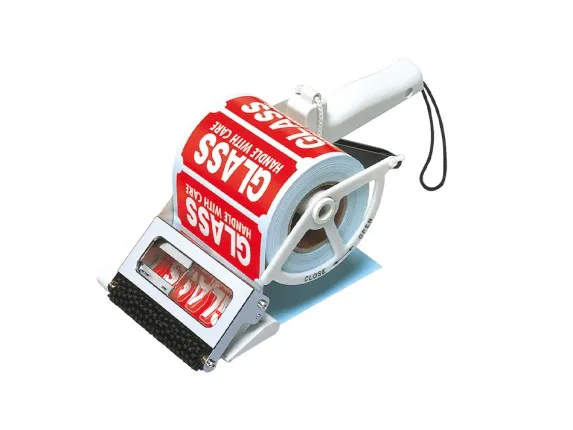
How labels will be applied affects their configuration and cost. Machine-applied labels require specific roll dimensions, core sizes, and unwind directions compatible with the application equipment. These specifications may limit production options and potentially affect pricing. Labels designed for hand application offer more flexibility in terms of configuration but may require additional features like easy-peel edges or special adhesives that can influence costs. At Labelprint24, we offer label dispensers like the Hand labeller 55 to 100 mm to help with efficient manual application.
Roll specifications—including core size, roll diameter, and label orientation—can affect production efficiency and costs. Non-standard configurations may require additional processing steps or limit the production equipment that can be used, potentially increasing costs. The number of labels wound onto a single roll affects production efficiency and shipping costs. Optimising roll configuration can improve carton density, allowing more labels per pallet and reducing freight costs. Too few labels per roll forces frequent roll changes leading to costly downtime, whilst rolls that are too large may exceed equipment capacity. Industry standards typically include 3-inch cores for machine application and 1-inch cores for hand application, with roll diameters ranging from 8-12 inches depending on the application method and equipment specifications.
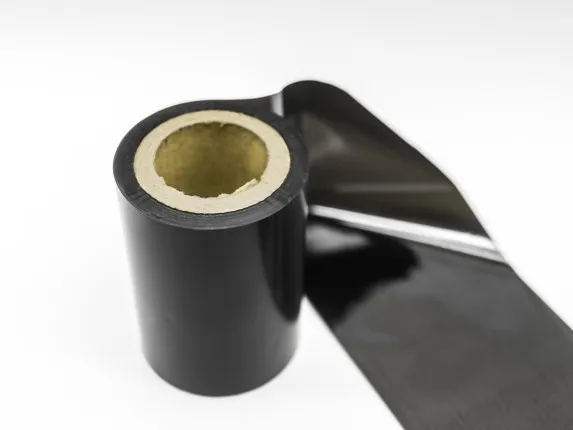
Release liner options also vary in cost: paper liners (least expensive) work well for hand application, poly-coated paper (mid-range) for wet applications, and PET liners (expensive) for high-speed applications. For businesses using automated application equipment, we offer compatible label formats and can provide specialised products like thermal transfer ribbons to ensure optimal performance in your production environment. Understanding these specifications and requirements can help you avoid unnecessary costs whilst ensuring your labels function properly in your specific application process. Automated labelling equipment can apply labels at speeds of 100-500 per minute depending on the system, making proper roll configuration essential for maintaining production efficiency. Consulting with your equipment manufacturer about optimal label specifications can help avoid costly compatibility issues.
Turnaround Time and Production Scheduling
Production timeline requirements can significantly impact costs. Standard production schedules typically offer the most economical pricing, whilst expedited or rush orders often incur premium charges due to production rescheduling and potential overtime expenses. At Labelprint24, we offer various production timelines to accommodate different urgency levels. Our numbered labels and other products can be produced with "Production Time From 48hr" when needed, though standard timelines generally provide more cost-effective options.
Production timelines are influenced by several factors including current production capacity, design complexity, finishing requirements, and material availability. Rush orders can typically be accommodated but often incur premium charges. At Labelprint24, we recommend allowing at least 5-7 business days for standard orders, though many products can be produced with faster turnaround times when needed. The complexity of the design affects production time - basic designs with one or two colours can be processed more quickly than full-colour printing with speciality finishes. Rush fees typically range from 15-50% of the base label cost depending on the urgency and production complexity. Planning ahead not only reduces these premium charges but also allows for more thorough quality control and potential optimisation of the production process.
Label production costs can fluctuate based on seasonal demand. During peak periods (such as before major holidays or industry-specific busy seasons), production capacity may be limited, potentially affecting both pricing and available turnaround times. Planning label orders during less busy periods can sometimes result in more favourable pricing or faster production times. At Labelprint24, we work with clients to optimise production scheduling based on their specific timeline requirements and budget constraints. By planning ahead (6-12 months), you can help manage costs and ensure material availability, especially important given current supply chain challenges. Many label manufacturers experience seasonal peaks in September-November as businesses prepare for holiday sales, making this period particularly challenging for rush orders. Early planning can help avoid both premium charges and potential production delays during these high-demand periods.
Industry-Specific Requirements
Certain industries have specific labelling requirements that can impact production costs. For example, chemical products require labels that comply with GHS (Globally Harmonised System) standards, often necessitating specific colours, symbols, and durability characteristics. Our chemical labels are designed to meet these regulatory requirements whilst remaining cost-effective. When budgeting for industry-specific labels, factor in these compliance requirements as essential rather than optional cost elements.
Industry regulations can significantly impact label costs by requiring specific materials, colours, symbols, or durability characteristics. These regulatory requirements should be viewed as essential rather than optional cost elements when budgeting for label production. In some cases, these requirements can limit your options for cost-saving measures, as compliance must take priority over cost considerations. Working with an experienced label manufacturer who understands industry-specific requirements can help you navigate these complexities whilst still finding opportunities to optimise costs where possible. For example, chemical labels must comply with GHS standards that specify pictogram colours, border thickness, and symbol requirements. Food and beverage labels must meet FDA regulations regarding ink safety and material food-contact compliance. Pharmaceutical labels have strict requirements for barcode quality, text legibility, and tamper-evidence features.
Labels for specific applications may require special performance characteristics that affect costs. For example, transparent labels for beverage products need moisture resistance and adhesives that perform well on curved surfaces, potentially adding to production expenses. Similarly, cosmetic labels often require "perfect adhesion on various substrates" and may need to withstand exposure to oils and cosmetic ingredients. These performance requirements influence material selection and processing methods, which in turn affect overall costs. Understanding the specific functional requirements for your application helps ensure you're investing in necessary features rather than paying for unneeded capabilities. For instance, refrigerated products require special adhesives that maintain performance at low temperatures, adding 10-20% to base label costs, whilst products exposed to direct sunlight need UV-resistant inks and materials to prevent fading.
Optimising Label Costs Without Compromising Quality
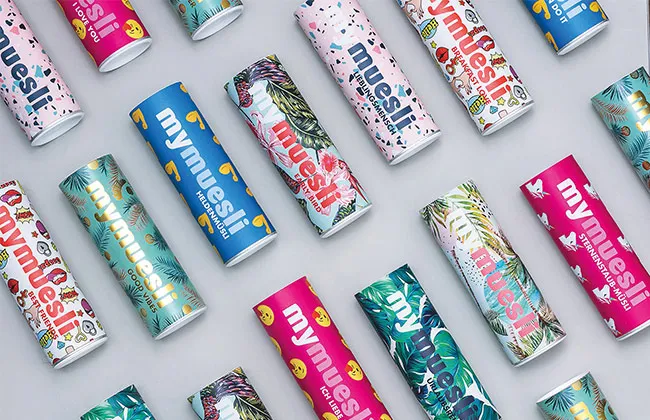
Combining multiple label designs or products into a single order can help reduce per-unit costs by distributing setup charges across more items. This approach works particularly well when different products use similar materials or printing specifications. As demonstrated in our mymuesli case study on "Mass Customisation with Labelprint24," efficient production planning can significantly impact overall costs whilst maintaining quality standards.
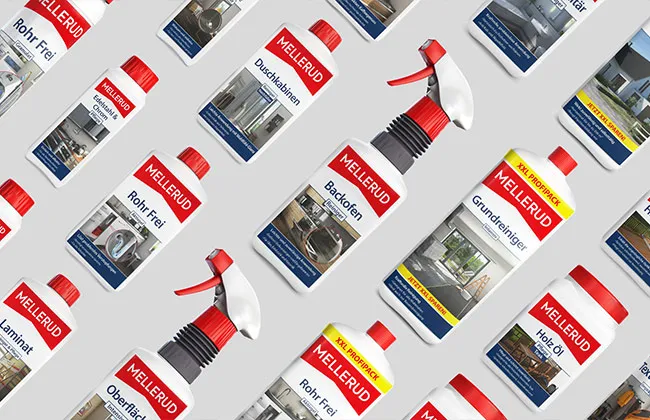
Using consistent label sizes, materials, and designs across multiple products can help reduce costs through standardisation. This approach minimises setup changes and allows for more efficient production planning. Our Mellerud case study on "Optimisation of ordering processes" demonstrates how standardisation can improve efficiency and reduce costs in label procurement. Standardising SKUs to use the same physical size and shape across different product variations can lead to significant cost savings. Industry experts suggest that standardising label formats across product lines can reduce overall label costs by 10-20% through improved production efficiency and simplified inventory management. Creating a label design system with consistent elements whilst allowing for product-specific variations can maintain brand identity whilst optimising production costs.
Whilst cost optimisation is important, it's essential to maintain label quality appropriate for your products and brand positioning. Cutting costs by selecting inappropriate materials or finishes can lead to poor performance, damage to brand perception, or even regulatory non-compliance. At Labelprint24, we help clients balance quality and cost considerations to achieve optimal results within their budget constraints. Our expertise in "first-class print and processing quality" ensures that cost optimisation doesn't compromise essential performance characteristics. Remember that investing in appropriate label quality is not merely a cost but an investment in your product's presentation, functionality, and compliance. Market research indicates that packaging quality influences purchase decisions for 72% of consumers, with 67% saying they've been influenced by packaging materials specifically. This underscores the importance of viewing label quality as a marketing investment rather than simply a production expense to be minimised.
Case Studies: Cost-Effective Label Solutions
Our collaboration with mymuesli demonstrates how even highly customised label production can be optimised for cost-efficiency. By implementing streamlined processes and appropriate material selection, we helped this client achieve mass customisation without prohibitive costs. This case study highlights the importance of strategic planning and material selection in managing costs for complex label requirements. By standardising certain aspects of the label design whilst allowing for customisation in others, we created a cost-effective solution that met the client's unique needs.
Our work with Mellerud showcases how even highly regulated chemical labels can be produced cost-effectively whilst maintaining compliance with all safety regulations. Through process optimisation and material standardisation, we helped this client streamline their label procurement whilst ensuring all regulatory requirements were met. This case study demonstrates the value of working with an experienced label manufacturer who understands industry-specific requirements and can help navigate the balance between compliance and cost-effectiveness. By implementing an optimised ordering process, Mellerud was able to reduce their label procurement costs by approximately 15% whilst maintaining full regulatory compliance and improving inventory management. Their standardised approach reduced waste from obsolete labels and simplified their supply chain management.
These case studies illustrate the importance of a holistic approach to label cost optimisation. By considering all aspects of the label production process—from design and material selection to order quantity and production scheduling—we help clients achieve the best possible balance between cost, quality, and performance. Each client's needs are unique, and our approach is tailored to their specific requirements, industry regulations, and budget constraints. This personalised approach ensures that our clients receive the most cost-effective solution for their particular situation. The mymuesli case demonstrates how digital printing technology enables cost-effective customisation at relatively small quantities, whilst the Mellerud case shows how even highly regulated products can benefit from strategic production planning and material standardisation. Together, these examples provide valuable insights into different approaches to label cost optimisation across diverse industry requirements.
Conclusion
Understanding the various factors that influence custom label production costs is essential for making informed decisions that balance budget constraints with performance requirements. From material selection and printing methods to quantity considerations and finishing options, each element plays a significant role in determining the final cost of your labels. By considering these cost factors early in your label planning process, you can achieve high-quality, effective labels that meet your functional requirements whilst respecting your budget constraints.
At Labelprint24, we leverage our expertise in label production to help clients navigate these cost factors effectively. Our online calculator provides immediate pricing feedback as you adjust specifications, allowing you to explore different options and find the optimal balance for your specific needs. We work with clients to optimise production scheduling based on their specific timeline requirements and budget constraints, ensuring that you receive the most cost-effective solution for your particular situation.
Remember that investing in appropriate label quality is not merely a cost but an investment in your product's presentation, functionality, and compliance. By working with Labelprint24's experienced team, you can navigate these cost factors effectively and achieve optimal results for your specific label requirements. Whether you need chemical labels, cosmetic labels, or general product labels, understanding these cost dynamics helps you make more informed procurement decisions.