



 BY Judith Enger IN Industry knowledge
Compare Materials for Food Packaging Safety
Introduction to Food Packaging Materials
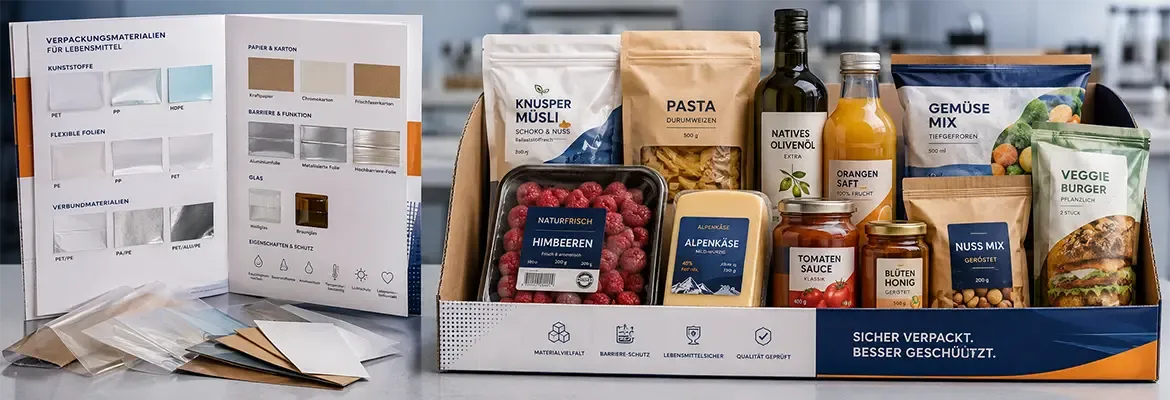
Food packaging plays a crucial role in protecting products from contamination, extending shelf life, and ensuring consumer safety. The selection of appropriate packaging materials is a critical decision for food manufacturers, as it directly impacts product quality, safety, and marketability. At Labelprint24, we understand the importance of choosing the right packaging materials for food products, which is why we offer a comprehensive range of food-safe packaging solutions designed to meet the diverse needs of the food industry.
Food packaging materials must meet strict regulatory requirements to ensure they don't transfer harmful substances to the food they contain. Different materials offer various benefits in terms of barrier properties, durability, and functionality. In this comprehensive guide, we'll compare various food packaging materials, examining their safety profiles, advantages, limitations, and best applications to help you make informed decisions for your specific food products.
When selecting packaging materials for food products, safety is the primary concern. The material must not only protect the food from external contaminants but also ensure that no harmful substances are introduced into it. Our food labels are designed with these considerations in mind, ensuring compliance with all relevant food safety regulations whilst also providing excellent branding opportunities and product information display capabilities.
Regulatory Framework for Food Packaging Safety
Food packaging materials are subject to strict regulations to ensure consumer safety. In the UK and EU, food packaging must comply with the Framework Regulation (EC) No 1935/2004, which establishes that materials in contact with food must not transfer their constituents to food in quantities that could endanger human health, cause an unacceptable change in food composition, or cause deterioration in food organoleptic properties. Additionally, specific materials like plastics are governed by more detailed regulations such as Regulation (EU) No 10/2011, which establishes specific migration limits for various substances.
The FDA in the United States serves as the primary regulatory body for food packaging, operating under the principle of "reasonable certainty of no harm under intended use conditions." The FDA maintains a list of substances that are Generally Recognised as Safe (GRAS) for food contact applications. Manufacturers bear the responsibility for ensuring their packaging products meet these safety standards through appropriate testing and quality control measures. Non-compliance can result in product recalls, legal penalties, and significant damage to brand reputation.
Compliance with these regulations involves rigorous testing of packaging materials, including migration testing to ensure that chemicals from the packaging don't transfer to food in unsafe amounts. At Labelprint24, we ensure that all our food-safe packaging materials meet or exceed these regulatory requirements, providing our customers with confidence in the safety and compliance of their packaging solutions.
Testing for food packaging safety includes:
- Migration testing for potential chemical transfer - both overall migration (total substances transferred) and specific migration (for particular substances of concern)
- Heavy metals content analysis to ensure levels of lead, cadmium, mercury and other toxic metals remain below established limits
- Chemical resistance testing to verify packaging integrity when exposed to food acids, oils, or alcohols
- Physical integrity testing to ensure packaging maintains its protective properties during distribution and storage
- Microbiological safety assessment to confirm packaging doesn't harbour harmful microorganisms
These regulatory frameworks are designed to protect consumers whilst allowing for innovation in packaging design and materials. Understanding these regulations is essential for food manufacturers when selecting appropriate packaging materials for food products, as compliance is not optional but a fundamental requirement for market access and consumer safety.
Plastic Materials for Food Packaging
Plastic materials are widely used in food packaging due to their versatility, cost-effectiveness, and barrier properties. Different types of plastics offer various advantages for specific food packaging applications, and understanding their properties is essential for selecting the right material for particular food products.
Polyethylene Terephthalate (PET)
PET is one of the most commonly used plastics for food packaging, particularly for beverages, oils, and condiments. It offers excellent barrier properties against moisture and gases, is lightweight, shatterproof, and highly transparent, making it ideal for products where visibility is important. PET is also widely recyclable, identified by recycling code #1.
Safety considerations for PET:
- Generally recognised as safe for food contact with an excellent safety record spanning decades of use
- Low migration potential when properly manufactured, with minimal leaching of chemicals into food products
- Should not be exposed to high temperatures (above 70°C) as it may release antimony, a catalyst used in its production
- Not suitable for hot-fill applications unless specifically designed for it with heat-stabilised formulations
High-Density Polyethylene (HDPE)
HDPE is commonly used for milk jugs, juice bottles, and cereal box liners. It offers good moisture barrier properties and is resistant to most chemicals, making it suitable for packaging products with shorter shelf lives or those requiring protection from moisture. HDPE is more opaque than PET but provides excellent durability and crack resistance, even at lower temperatures.
Safety considerations for HDPE:
- Excellent chemical resistance, making it suitable for packaging acidic foods and cleaning products
- Good for cold food storage and freezer applications due to its flexibility at low temperatures
- Limited heat resistance, typically safe up to about 120°C before deformation occurs
- May not provide sufficient oxygen barrier for some foods with extended shelf life requirements
Polypropylene (PP)
PP is used for a wide range of food packaging applications, including microwave-safe containers, yoghurt cups, and margarine tubs. It has a high melting point, making it suitable for hot-fill applications and microwave reheating. PP offers excellent chemical resistance and fatigue resistance, allowing for packaging with integral hinges or living hinges that can flex repeatedly without breaking.
Safety considerations for PP:
- Heat resistant and microwave safe, typically withstanding temperatures up to 160°C without deformation
- Good chemical resistance to acids, bases, and most solvents used in food processing
- May become brittle at low temperatures, making it less suitable for freezer applications unless specially formulated
- Limited oxygen barrier properties, often requiring additional barrier layers for oxygen-sensitive foods
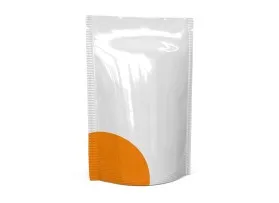
Our stand-up pouches without zipper are ideal for packaging various food products. These pouches are food-safe, odourless, and tasteless, providing an excellent barrier against oxygen, carbon dioxide, and flavour. They're suitable for solid products, pastes, powders, and liquids, making them versatile options for different food packaging needs. The multi-layer construction combines the benefits of different plastic materials to achieve optimal protection whilst maintaining visual appeal.
Other Plastic Materials
Other plastics used in food packaging include:
- Polyvinyl Chloride (PVC): Used for cling films and some rigid containers, though increasingly being replaced due to concerns related to plasticisers
- Polystyrene (PS): Used for egg cartons, meat trays, and disposable cups, providing good insulation properties but limited barrier protection
- Polylactic Acid (PLA): A bioplastic derived from renewable resources like corn starch, used for various food packaging applications and valued for its biodegradability under industrial composting conditions
- Low-Density Polyethylene (LDPE): Commonly used for squeeze bottles, plastic bags, and as a coating on paperboard cartons for liquid products
Each of these materials has specific safety considerations and is suitable for different food packaging applications. The selection of the appropriate plastic material depends on the specific requirements of the food product, including shelf life, storage conditions, and consumer usage patterns. Manufacturers must balance performance characteristics with safety considerations and regulatory compliance.
Paper and Cardboard Packaging for Food
Paper and cardboard packaging materials offer excellent printability, making them ideal for branding and product information. They're widely used for dry foods, frozen foods, and as secondary packaging for various food products. These materials are derived from renewable resources and generally have good recycling infrastructure.
Paperboard
Paperboard is commonly used for cereal boxes, frozen food packaging, and bakery product boxes. It's lightweight, offers good printability, and provides moderate protection against physical damage. Paperboard comes in various grades with different strengths, thicknesses, and surface finishes to meet specific packaging requirements. Solid bleached sulphate (SBS), solid unbleached sulphate (SUS), and folding boxboard are common varieties used in food packaging applications.
Safety considerations for paperboard:
- Generally safe for food contact when properly manufactured using virgin fibres or carefully controlled recycled content
- May require a barrier coating (such as polyethylene, PLA, or specialised varnishes) for certain food applications to prevent moisture migration or grease penetration
- Not suitable for moist or liquid foods without additional barriers as it can lose structural integrity when wet
- May absorb odours from strongly aromatic foods, potentially affecting product quality if not properly protected
- Can be treated with fluorochemicals for grease resistance, though these have raised some concerns and are increasingly being replaced with alternative solutions
Corrugated Cardboard
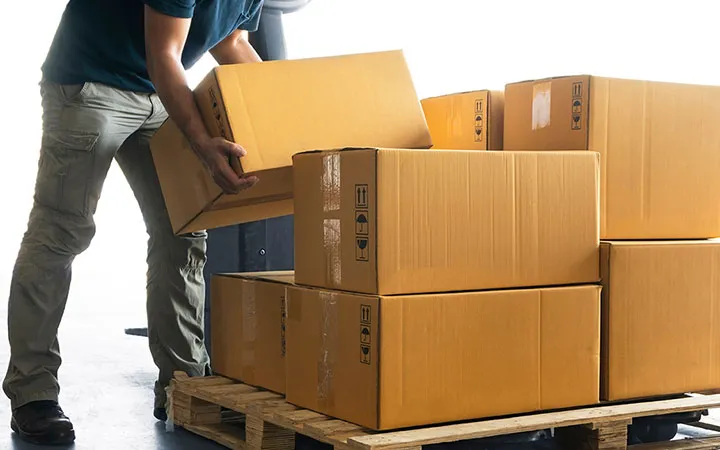
Corrugated cardboard is primarily used for shipping containers and bulk packaging. It provides excellent cushioning and protection against physical damage during transportation and storage. The fluted medium between liner sheets creates air pockets that provide insulation and shock absorption. Corrugated board comes in various flute sizes (A, B, C, E, F) and combinations (single-wall, double-wall, triple-wall) to meet different strength requirements.
Safety considerations for corrugated cardboard:
- Generally not intended for direct food contact unless specifically manufactured for this purpose with appropriate barriers
- May contain recycled materials with potential contaminants, making food-grade certification important for direct contact applications
- Provides good insulation properties, helping maintain temperature stability during shipping and storage
- Susceptible to moisture damage, which can compromise structural integrity and potentially harbour microbial growth
- May be treated with various chemicals for water resistance or strength enhancement that must meet food safety standards if used for food packaging
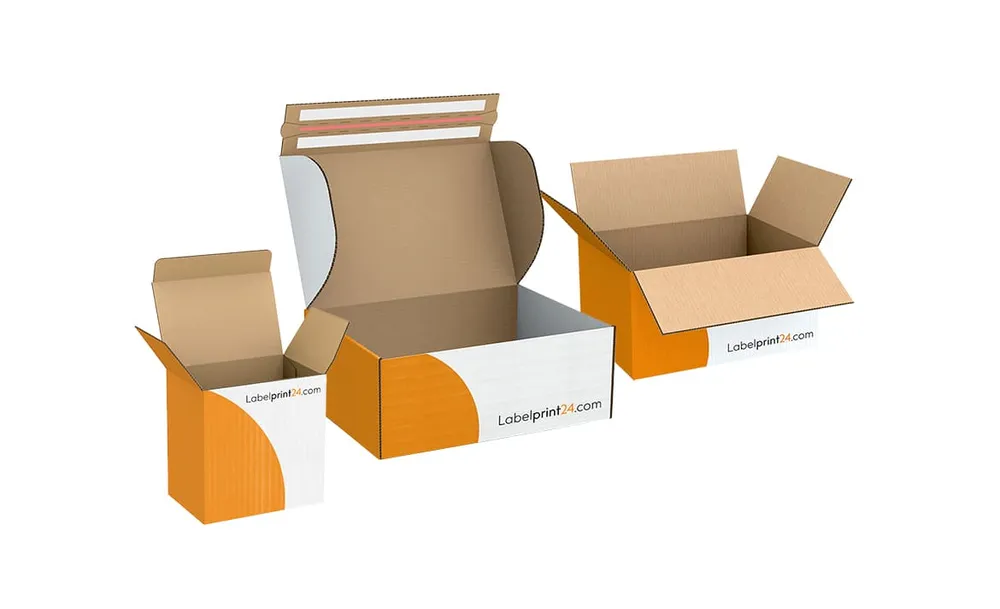
At Labelprint24, we offer custom cardboard boxes tailored to your specific needs. Our cardboard packaging solutions are designed with quality, flexibility, and durability in mind, making them suitable for various food packaging applications. We ensure that all our cardboard packaging materials meet relevant food safety standards and can provide appropriate barrier properties through coatings or liners when required for direct food contact.
Specialised Paper-Based Materials
Several specialised paper-based materials are designed specifically for food packaging:
- Greaseproof paper: Used for fatty or oily foods, manufactured with high-density fibres and often treated with additives to resist oil penetration, making it ideal for bakery products, fried foods, and butter wrapping
- Waxed paper: Provides moisture resistance for various food products, created by applying a thin layer of food-grade wax to paper, traditionally used for cheese, confectionery, and bakery items
- Parchment paper: Used for baking and wrapping fatty foods, manufactured through a process called supercalendering that creates a non-stick surface without chemical treatments
- Glassine: A smooth, glossy paper that is air and water resistant, commonly used for food interleaving and packaging of confectionery, snacks, and baked goods
- Kraft paper: A strong, unbleached paper often used for bags and wrapping, particularly popular for organic and natural food products
These specialised papers often include coatings or treatments to enhance their barrier properties and make them suitable for specific food packaging applications. The safety of these materials depends on the specific coatings and treatments used, which must comply with relevant food safety regulations. Manufacturers are increasingly developing bio-based coatings to replace traditional petroleum-based or fluorochemical treatments.
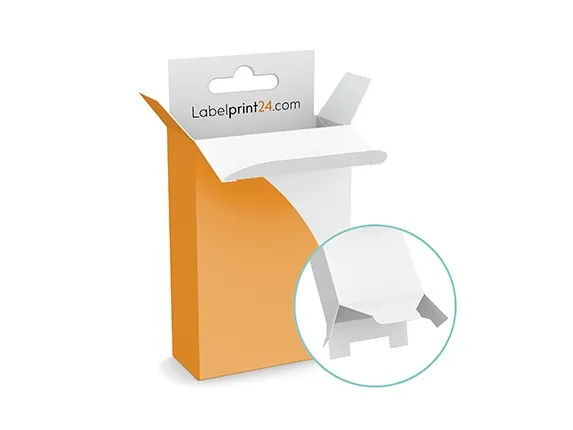
Our folding boxes with crash lock base and hanging boxes with snap lock base provide innovative packaging solutions for various food products. These boxes offer excellent protection whilst providing ample space for branding and product information. The crash lock base design allows for efficient assembly without adhesives, making them both practical for production lines and appealing to consumers.
Glass Packaging for Food Safety
Glass is one of the most inert packaging materials, making it highly suitable for food packaging from a safety perspective. It provides excellent barrier properties and doesn't interact with the food it contains. Glass has been used for food packaging for centuries and continues to be valued for its premium appearance, chemical stability, and ability to preserve product quality without imparting flavours or odours.
Safety considerations for glass:
- Chemically inert and doesn't interact with food, making it ideal for preserving the original taste and quality of the product
- Doesn't leach chemicals into food, eliminating concerns about migration of potentially harmful substances
- Impermeable to gases, moisture, and odours, providing complete protection against external contaminants and oxygen ingress
- Heavy and fragile, requiring careful handling during manufacturing, filling, distribution, and by consumers
- May require additional protection during shipping to prevent breakage and potential food safety hazards from glass fragments
- Can be manufactured in various colours to provide UV protection for light-sensitive products whilst maintaining visual appeal
Glass is particularly suitable for premium food products, beverages, and products where product visibility is important. Its main limitations are weight, fragility, and cost compared to some alternative packaging materials. However, these disadvantages are often outweighed by its superior barrier properties and consumer perception of quality and safety. Glass can be recycled indefinitely without loss of quality.
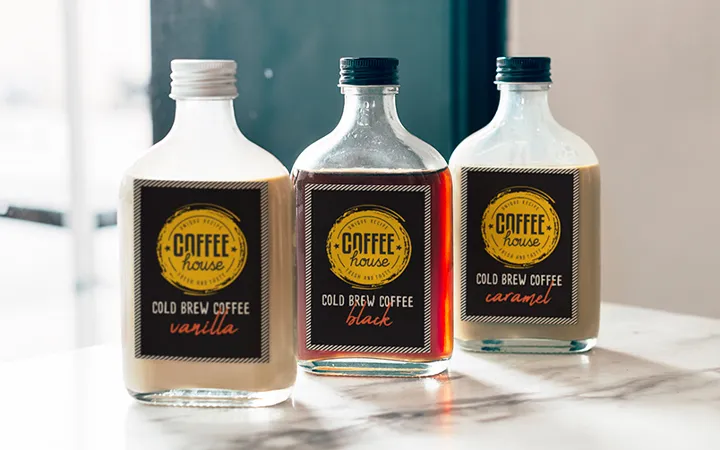
Our food labels are designed to adhere perfectly to glass containers, enhancing product presentation whilst providing essential information to consumers. These labels are durable, waterproof, and abrasion-resistant, making them ideal for glass packaging that may be exposed to moisture or handling. We offer various adhesive options specifically formulated for glass surfaces, ensuring strong adhesion even in refrigerated or humid conditions without leaving residue upon removal.
Recent innovations in glass packaging include lightweighting techniques that reduce the amount of glass used whilst maintaining strength, addressing concerns about weight and transportation costs. Additionally, improved coating technologies can enhance the durability of glass containers, reducing breakage risks during handling and distribution. For premium food products, glass continues to be the material of choice due to its unmatched ability to preserve product quality and convey a sense of craftsmanship and authenticity to consumers.
Composite and Multi-layer Packaging Materials
Composite and multi-layer packaging materials combine the benefits of different materials to provide enhanced functionality. These materials are commonly used for flexible packaging applications, such as pouches, bags, and wraps. By strategically layering different materials, manufacturers can create packaging with optimised barrier properties, mechanical strength, and sealability whilst minimising material usage and weight.
Laminates
Laminates consist of multiple layers of different materials bonded together to provide enhanced barrier properties and functionality. These complex structures allow packaging designers to incorporate specific properties from different materials into a single, high-performance package. The lamination process typically involves adhesive bonding or extrusion coating to join different material layers together.
Common combinations include:
- Paper/aluminium/polyethylene: Used for aseptic packaging of juices and milk, providing structural rigidity, complete barrier protection, and heat-sealability in a lightweight package
- PET/aluminium/polyethylene: Used for snack food packaging, coffee pouches, and retort pouches, offering excellent oxygen barrier, moisture protection, and durability
- Paper/polyethylene: Used for various food packaging applications requiring moderate moisture protection and good printability
- PET/EVOH/PE: Used for modified atmosphere packaging of fresh foods, providing oxygen barrier from EVOH whilst maintaining transparency
- Nylon/PE: Used for vacuum packaging of meats and cheeses, offering puncture resistance and moderate oxygen barrier
Safety considerations for laminates:
- Complex structure may present challenges for migration testing, requiring thorough evaluation of all components and their potential interactions
- Each component must comply with food safety regulations, with particular attention to adhesives and tie layers used to bond different materials
- May contain adhesives that must be food-safe and properly cured to prevent migration into food products
- Excellent barrier properties when properly designed, often providing superior protection compared to single-material alternatives
Coated Materials
Coated materials consist of a base material (often paper or paperboard) with a coating that enhances its barrier properties. These materials offer a balance between the desirable properties of the base material (such as strength, printability, or renewability) and the functional properties provided by the coating (such as moisture resistance, grease resistance, or heat-sealability).
Common coatings include:
- Polyethylene coating on paperboard for liquid packaging, creating cartons for milk, juice, and other beverages that require moisture barrier and liquid containment
- Wax coating on paper for moisture resistance, traditionally used for bakery items and produce but increasingly replaced by more recyclable alternatives
- PVdC (polyvinylidene chloride) coating on films for oxygen barrier, commonly used for meat packaging and products requiring extended shelf life
- Acrylic coatings for grease resistance on paper-based fast food packaging, offering an alternative to fluorochemical treatments
- Clay coatings on paperboard to improve printability and surface appearance whilst providing moderate barrier properties
Safety considerations for coated materials:
- Coating must comply with food safety regulations, with particular attention to novel or specialised coatings that may have limited history of use
- Migration potential from coating to food must be assessed, especially for coatings containing potentially concerning chemicals like fluorinated compounds
- May have limited heat resistance depending on the coating, requiring careful evaluation for hot-fill or heated food applications
- Provides enhanced functionality compared to the base material alone, often enabling the use of more sustainable base materials by addressing their inherent limitations
- Coating thickness and uniformity must be carefully controlled to ensure consistent performance and safety
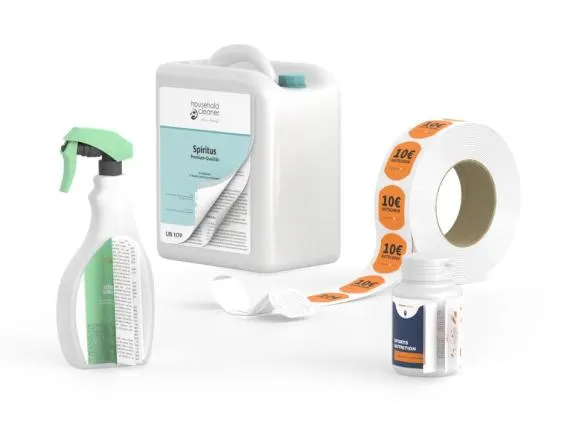
Our booklet labels offer a multi-layer solution for providing extensive product information whilst maintaining an attractive package design. These labels are perfect for products requiring detailed ingredient lists, usage instructions, or multilingual information. The multi-layer construction allows for significantly more content than traditional labels whilst maintaining a clean, professional appearance on the product.
Composite and multi-layer packaging materials offer enhanced functionality and barrier properties compared to single-material packaging. However, they present challenges for testing. The selection of appropriate composite materials depends on the specific requirements of the food product and the intended shelf life. Innovations in this area include the development of mono-material multi-layer structures that maintain performance whilst improving recyclability, and the use of bio-based barrier coatings that offer comparable performance to traditional petroleum-based alternatives.
Material Selection Based on Food Type
The selection of appropriate packaging materials depends significantly on the type of food being packaged. Different foods have different requirements in terms of barrier properties, shelf life, and storage conditions. A systematic approach to packaging material selection considers the specific characteristics of the food product, its deterioration mechanisms, intended shelf life, distribution conditions, and consumer usage patterns.
Dry Foods
Dry foods, such as cereals, pasta, snacks, powders, and dehydrated products, primarily require protection against moisture, oxygen, and pests. These products typically have low water activity, making microbial growth less of a concern than chemical deterioration through oxidation or moisture absorption. The primary packaging goal is to maintain product crispness, prevent rancidity, and protect against infestation.
Suitable packaging materials include:
- Paperboard boxes with inner liners made of plastic films or aluminium foil to provide moisture and oxygen barriers whilst offering structural rigidity and excellent printability
- Flexible plastic films, particularly multi-layer films incorporating high-barrier materials like metallised PET or EVOH to prevent moisture ingress and oxygen permeation
- Composite materials with moisture barriers, such as paper/PE/aluminium laminates that combine the strength of paper with the barrier properties of aluminium and the sealability of polyethylene
- Rigid plastic containers with appropriate moisture barriers and secure closures for products requiring reclosability or portion control
- Metal containers for premium dry products requiring absolute protection from light, oxygen, and moisture over extended periods
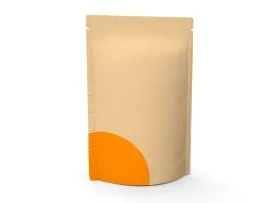
Our stand-up pouches are ideal for packaging dry food products, offering excellent barrier properties and attractive presentation. These pouches combine durability with convenience, allowing products to stand upright on shelves whilst providing effective protection against environmental factors. For more information on different packaging materials and their applications, check out our article on what packaging materials are there and what are they used for.
Liquid Foods
Liquid foods, such as beverages, oils, sauces, and dairy products, require packaging that provides liquid containment, barrier properties against oxygen and light, and sometimes pressure resistance. These products present unique challenges due to their flowability, potential for leakage, and often higher susceptibility to oxidation or light degradation.
Suitable materials include:
- Glass bottles and jars, offering complete impermeability, chemical inertness, and premium appearance for beverages, oils, and sauces
- PET bottles, providing excellent clarity, lightweight properties, and good barrier characteristics for carbonated beverages, juices, and liquid condiments
- Aseptic cartons (composite materials), combining paperboard, aluminium, and polyethylene to create lightweight packages for ambient-stored milk, juices, and soups
- Metal cans, offering complete protection from light and oxygen for long shelf-life products like coconut milk, cooking oils, and some beverages
- HDPE bottles, providing good chemical resistance and durability for milk, juice, and other non-carbonated beverages
- Flexible pouches with appropriate barrier properties for sauces, beverages, and liquid condiments, particularly for single-serve applications
Fresh Foods
Fresh foods, such as produce, meat, seafood, and dairy, require packaging that maintains freshness, controls moisture, and often provides gas exchange or modified atmosphere capabilities. These highly perishable products need packaging that balances protection with appropriate respiration rates and moisture control to maximise quality and shelf life.
Suitable materials include:
- Specialised plastic films with controlled permeability, allowing for customised oxygen and carbon dioxide transmission rates tailored to specific produce respiration requirements
- Trays with absorbent pads for meat and seafood, managing drip and exudate whilst presenting products attractively
- Modified atmosphere packaging systems using barrier films and specific gas mixtures to extend shelf life of fresh meats, prepared salads, and other perishables
- Breathable films for fresh produce, balancing moisture retention with adequate gas exchange to prevent condensation and maintain optimal ripening conditions
- Vacuum packaging for cheese and processed meats, removing oxygen to inhibit spoilage whilst maintaining product integrity
- Paperboard with appropriate coatings for eggs and some produce items, providing cushioning and allowing limited moisture exchange
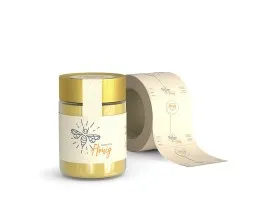
Our honey labels are specifically designed for honey containers, offering excellent adhesion and durability even when exposed to occasional drips or spills. For refrigerated products, our food labels are designed to withstand cold and moist conditions whilst maintaining their appearance and adhesion, ensuring your branding remains intact throughout the product's refrigerated shelf life.
Frozen Foods
Frozen foods require packaging that maintains integrity at low temperatures, prevents freezer burn, and often allows for microwave or oven heating. These products face unique challenges from temperature fluctuations, frost formation, and potential for physical damage during frozen storage and distribution.
Suitable materials include:
- Specialised plastic films and trays designed to remain flexible and intact at freezing temperatures, preventing cracking or splitting
- Paperboard boxes with moisture-resistant coatings or plastic liners, providing structural support and printability whilst protecting against moisture migration
- Aluminium trays with paperboard sleeves, offering oven-compatibility for ready meals whilst providing excellent freezer protection
- Crystallised PET (CPET) trays for frozen meals, offering dual ovenable properties for conventional or microwave heating directly from frozen
- High-barrier flexible pouches for frozen fruits, vegetables, and seafood, minimising freezer burn whilst maximising space efficiency
- Waxed or PE-coated paper for individually quick-frozen items like burger patties, preventing product sticking whilst allowing gas flow during freezing
The selection of appropriate packaging materials for specific food types involves balancing various factors, including barrier requirements, shelf life expectations, storage conditions, and consumer usage patterns. It's essential to consider these factors when selecting packaging materials for specific food products.
Quality Testing and Certification for Food Packaging
Ensuring the safety and quality of food packaging materials involves rigorous testing and certification processes. These processes help verify that packaging materials meet regulatory requirements and are safe for food contact. A comprehensive testing programme addresses physical, chemical, and microbiological aspects of packaging performance and safety, providing confidence to manufacturers, regulators, and consumers.
Migration Testing
Migration testing assesses the potential transfer of substances from packaging materials to food. This testing is critical for ensuring that packaging materials don't introduce harmful substances into the food they contain. Migration testing simulates real-world conditions to evaluate how packaging components might interact with food over time and under various environmental conditions.
Key aspects of migration testing include:
- Overall migration testing to assess total substances transferred, typically measured by weight change in food simulants after exposure to packaging under standardised conditions
- Specific migration testing for known substances of concern, such as monomers, additives, or processing aids used in packaging production
- Testing under various conditions (time, temperature, food simulants) to represent different food types and usage scenarios, from refrigerated storage to microwave heating
- Compliance with established migration limits set by regulatory authorities, which may vary by region and are typically expressed as milligrams of substance per kilogram of food
- Accelerated testing protocols that use elevated temperatures or concentrated extractions to predict long-term migration behaviour
- Analytical methods including gas chromatography, mass spectrometry, and spectrophotometry to identify and quantify migrating substances
For more detailed information on quality and testing criteria, see our article on quality and testing criteria for packaging material. Understanding these testing requirements helps ensure that your packaging materials meet all necessary safety standards and regulatory requirements.
Physical and Mechanical Testing
Physical and mechanical testing ensures that packaging materials maintain their protective properties throughout the product lifecycle. These tests evaluate structural integrity, seal strength, and performance under various conditions that the packaging may encounter during distribution and consumer use.
Common physical tests include:
- Tensile strength and elongation testing to assess material durability and flexibility under stress
- Puncture and tear resistance testing to ensure packaging can withstand handling without compromising contents
- Seal strength testing to verify that closures remain intact during distribution and storage
- Drop testing to simulate transportation impacts and verify package integrity
- Compression testing to ensure stacking stability during storage and distribution
- Burst strength testing for flexible packaging to verify resistance to internal pressure
Certification and Standards Compliance
Various certifications and standards help ensure food packaging safety and quality. These certifications provide independent verification that packaging materials meet established safety criteria and give manufacturers, retailers, and consumers confidence in packaging safety.
Key certifications and standards include:
- ISO 22000 - Food Safety Management System certification
- BRC (British Retail Consortium) standards for packaging materials
- FDA compliance for materials intended for US markets
- EU Framework Regulation (EC) No 1935/2004 compliance
- HACCP certification for food contact materials
- Third-party testing laboratory certification for migration testing
At Labelprint24, we maintain rigorous quality control standards and ensure all our food packaging materials comply with relevant certifications and regulations, providing our customers with peace of mind regarding the safety and quality of their packaging solutions.
Conclusion
Selecting appropriate food packaging materials requires careful consideration of multiple factors including safety, regulatory compliance, food type requirements, barrier properties, and performance characteristics. The primary objective of food packaging is to protect products whilst ensuring no harmful substances transfer to the food, making material safety the paramount consideration in all packaging decisions.
Understanding the regulatory framework governing food packaging is essential for manufacturers. Compliance with FDA, EU, and UK regulations isn't optional but fundamental to market access and consumer protection. The comprehensive testing requirements—including migration testing, heavy metals analysis, and physical integrity assessment—ensure that packaging materials meet established safety standards and perform reliably throughout the product lifecycle.
Different packaging materials offer distinct advantages and limitations. Plastic materials like PET, HDPE, and PP provide versatility, cost-effectiveness, and excellent barrier properties for various applications, though each has specific temperature limitations and suitability considerations. Paper and cardboard materials offer excellent printability and renewable sourcing, though they typically require coatings or barriers for moisture protection and direct food contact applications. Glass provides unmatched chemical inertness and barrier properties, making it ideal for premium products despite weight and fragility considerations. Composite and multi-layer materials combine benefits of different substrates to achieve optimal performance whilst addressing specific food protection requirements.
Material selection must align with food type requirements. Dry foods need primarily moisture and oxygen protection, liquid foods require leak-proof containment and oxidation prevention, fresh foods demand controlled atmosphere capabilities and moisture management, whilst frozen foods need materials that maintain integrity at low temperatures and often provide dual ovenable properties. Each food category presents unique challenges that must be addressed through appropriate material selection and package design.
Quality testing and certification provide essential assurance of packaging safety and performance. Migration testing verifies that harmful substances don't transfer to food, whilst physical testing ensures packaging maintains protective properties throughout distribution and storage. Certifications like ISO 22000, BRC standards, and regulatory compliance documentation demonstrate commitment to food safety and provide confidence to all stakeholders in the supply chain.
At Labelprint24, we offer comprehensive food packaging solutions that meet stringent safety requirements whilst providing excellent functionality and visual appeal. Our range includes food labels, stand-up pouches, custom cardboard boxes, and booklet labels, all designed with food safety as the primary consideration.
The food packaging industry continues to evolve with innovations in materials technology, testing methodologies, and regulatory standards. Staying informed about these developments whilst maintaining unwavering commitment to safety ensures that your packaging not only protects your products but also builds consumer trust and supports your brand reputation. By partnering with experienced packaging suppliers who understand both regulatory requirements and practical application needs, food manufacturers can navigate the complexities of material selection with confidence, ensuring their products reach consumers safely packaged and properly protected.