Product advisor for labels
Personal advice at Labelprint24
Do you have any questions or would you like further information?
As an expert in labels, I will be happy to help you.
Hazardous goods stickers for transport from Labelprint24
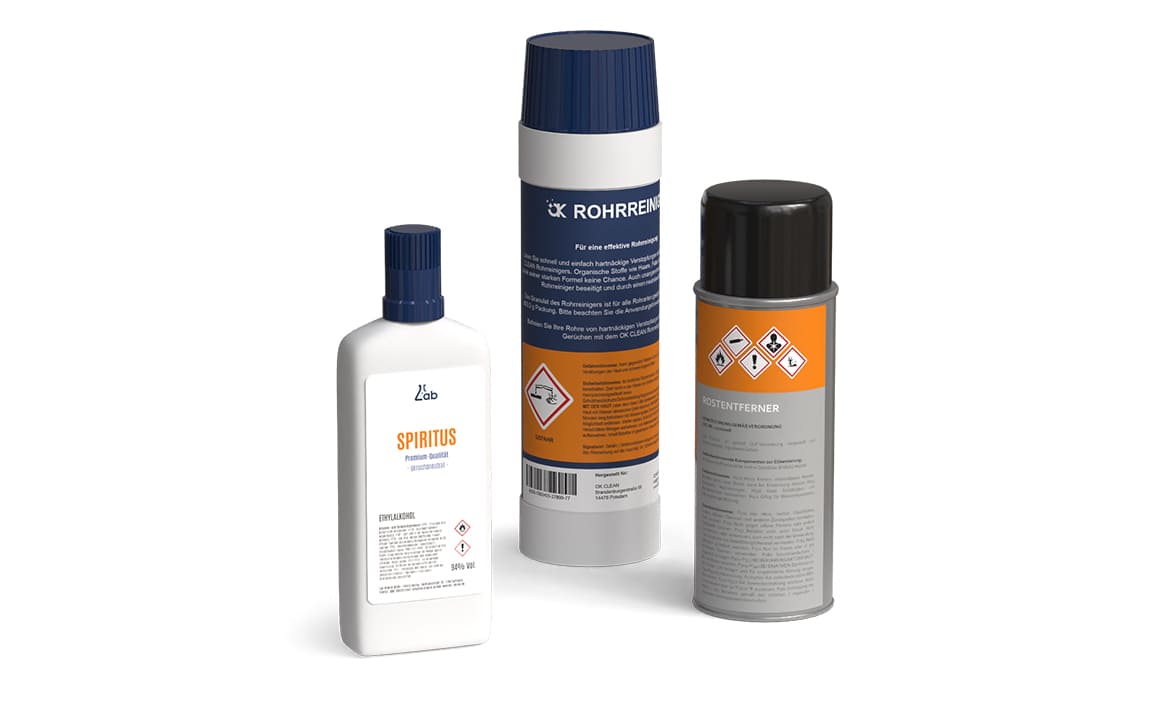
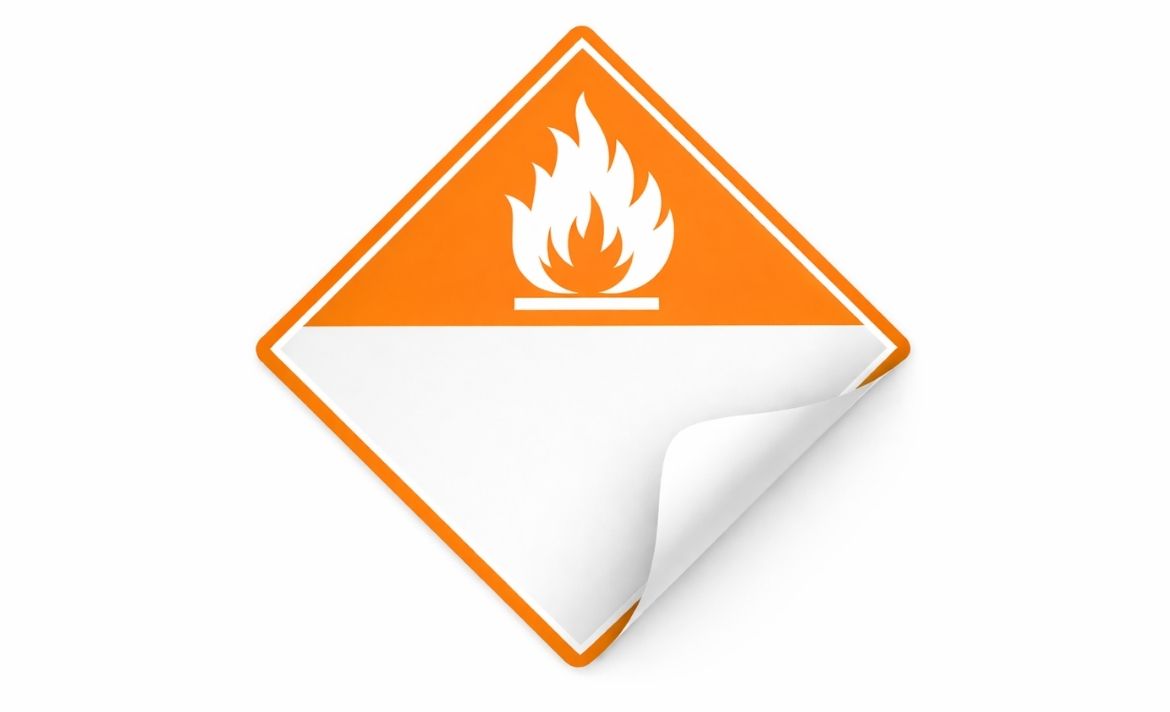
Hazardous goods stickers / labels must be suitable for the specific transport case, including the hazard class, symbol, size, and durability required throughout the logistics process. For ADR labelling, minimum dimensions of 100 × 100 mm are often required; smaller versions should only be used if the package size makes this necessary. In everyday logistics, robust film material and the right adhesive are also important to ensure that the labels remain securely in place during handling, moisture exposure, or friction. At labelprint24.com, you can configure hazardous goods stickers to match your required size, material, and application.
Practical tips for designing and choosing materials for your hazardous goods stickers
Standard size: 100 × 100 mm
- Application: The classic hazard label size used
in ADR contexts when packages provide enough space. It is ideal for transport, as the pictogram, class marking, and visual identification remain clearly visible throughout the logistics process — especially for pallet shipping, boxes, drums, or outer packaging with sufficient surface area.
Smaller labels, e.g. 50 × 50 mm
- Application: Smaller labels are only suitable when the package is too small to accommodate the standard size properly, for example small inner packaging or small containers. It is important that the marking remains clearly identifiable despite the reduced surface area
and is not overlooked during the logistics process. For this reason, smaller labels should be seen as an exception rather than the standard.
Material: White PP film with permanent adhesive 💰
- Application: A good choice for hazardous goods stickers that need to withstand demanding shipping conditions, such as friction on
conveyor systems, outer packaging, storage, and moisture during handling. This PP material is the most cost-effective option for durable labelling and adheres reliably to common shipping surfaces such as cardboard, film wrapping, and plastic crates.
Material: White PVC film with permanent adhesive
- Application: Suitable for heavy-duty use in transport and industrial environments, for example when hazardous goods labels are applied to surfaces that are exposed to
frequent impact or friction, or that are not perfectly flat. PVC is also the best choice if you need particularly robust labelling that can withstand UV exposure from sunlight.
Material: Glossy PE film with extra-strong adhesive / high initial adhesion – high tack
- Application: The best choice for challenging surfaces such as low-energy plastics like PE or PP, slightly textured containers, rough packaging, or other difficult surfaces where standard adhesives may not provide reliable adhesion.
FAQ
What do our environmental claims mean? All definitions at a glance.



 Custom-made Manufacturing
 Express Production
 Premium Quality since 1961
 Professional Expert Advice



 Free choice of format
 Free delivery
 Quality since 1961
 Over 30.000 customers
 Email has been copiedinfo@labelprint24.com