




 BY Christoph Zumdick IN Industry knowledge
Designing Labels for E-commerce Success
Introduction to Label Design for E-commerce
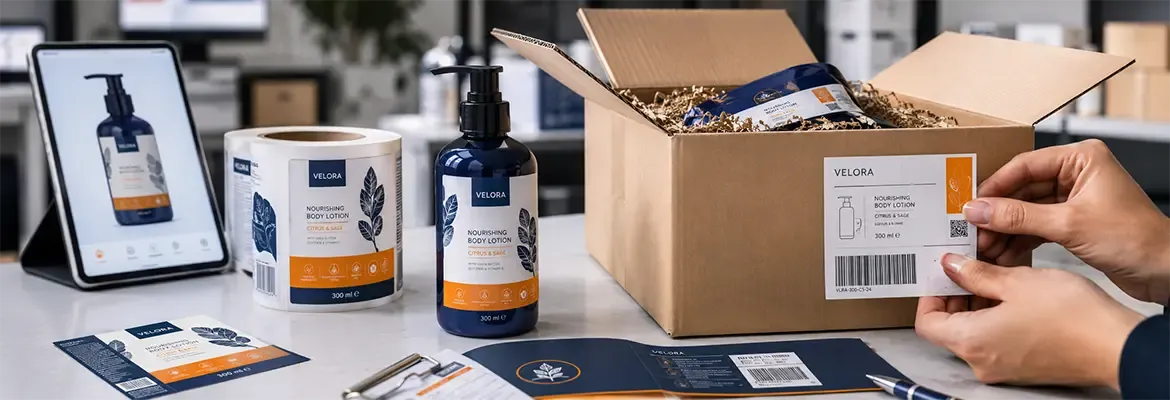
Your product's label is often the first physical touchpoint customers have with your brand in online retail. Unlike stores where shoppers can touch products before buying, e-commerce depends on visual presentation to show quality, brand identity, and product information. Good label design isn't just about looks—it's a key part of your e-commerce strategy that affects how customers see your brand, recognise it, and decide to buy.
At Labelprint24, we know the challenges online retailers face with product labelling. E-commerce labels must grab attention online whilst also working perfectly in the real world after delivery. With average e-commerce conversion rates around 3.65%, well-designed labels can make the difference between a sale and a missed chance. Research shows that professional packaging can boost consumer confidence by up to 40%, making label design an important investment for online businesses.
The e-commerce market offers growth opportunities for businesses of all sizes. With millennials being the largest digital buyer group and Gen Z gaining purchasing power, creating labels that connect with online shoppers is more important than ever. Studies show that 72% of American consumers say packaging design affects their purchasing decisions, whilst 67% say packaging materials influence how they view product quality. These numbers show why thoughtful label design matters in online selling.
Our range of printed labels offers solutions for every e-commerce category, from cosmetics to food products and beyond. Let's explore how to create label designs that drive conversions and build brand loyalty in online retail, where the unboxing experience has become part of your marketing strategy and a critical point for customer satisfaction.
Understanding E-commerce Label Requirements
E-commerce label design has unique needs that differ from regular retail packaging. When designing labels for online sales, several factors become especially important to make sure your products look great on screen and provide a satisfying unboxing experience. Understanding these specific requirements will help you create labels that work well throughout the entire customer journey, from online browsing to delivery.
Digital Presentation vs. Physical Reality
Labels for e-commerce products must look good in digital images whilst meeting expectations when the physical product arrives. This dual purpose creates design challenges that must be addressed to keep customers happy and reduce returns. Industry data shows about 30% of all products ordered online are returned, compared to just 8.89% for physical stores, showing how important it is to meet customer expectations with accurate visual representation.
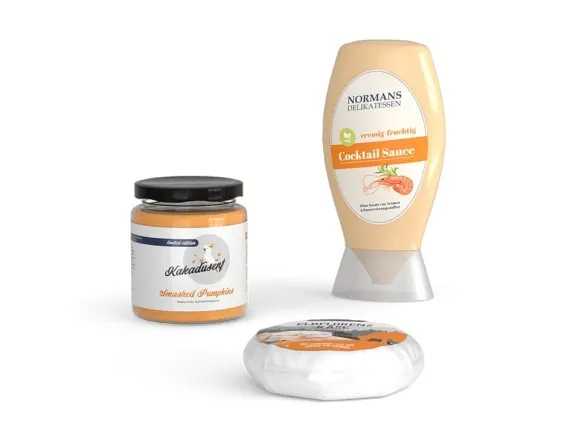
"The quality of product images can make or break an e-commerce sale," notes our design team at Labelprint24. "Labels must be designed with photography in mind, ensuring text remains legible and colours appear accurate in digital images." Research indicates that 93% of consumers consider visual appearance to be the key deciding factor when making purchase decisions online, making the photographic representation of your labels critically important. Our cosmetic labels are specifically designed with this digital-to-physical transition in mind, incorporating elements that maintain visual impact across both contexts.
Mobile-Friendly Design Considerations
With more than half of e-commerce transactions now happening on mobile devices, label designs must work well on smaller screens. This means creating labels that remain impactful and readable even when viewed on smartphones. Mobile optimisation is crucial since conversion rates on smartphones (2.2%) still lag behind desktop rates (3.3%), suggesting there's room to improve the mobile shopping experience. According to recent studies, 57% of users won't recommend a business with a poorly designed mobile interface.
For maximum mobile effectiveness, consider:
- Larger, more legible fonts that remain readable at small screen sizes
- High contrast between text and background to ensure visibility in variable lighting conditions
- Simplified graphics that remain recognisable when scaled down to thumbnail size
- Strategic use of white space to improve readability and reduce visual clutter
- Bold, distinctive brand elements that are identifiable even at reduced dimensions
- Limited use of fine details that might be lost on lower-resolution screens

Durability for Shipping and Handling
E-commerce products go through much more handling than store-bought items. From warehouse to delivery vehicle to doorstep, your products will face various conditions that can damage poorly designed labels. This is especially important since damaged products account for about 20% of all e-commerce returns, representing a big financial loss for online retailers. Industry analysis shows that the average cost of processing a return can range from 15% to 30% of the product's purchase price.
"Our labels for cosmetic jars are designed with extra durability to handle e-commerce shipping," explains our product development team. "We've done lots of testing to make sure they maintain their appearance and functionality throughout the entire supply chain." These labels feature:
- Water-resistant materials for protection against humidity and condensation during transit across different climate zones
- Strong adhesives that maintain grip through temperature fluctuations ranging from freezing to hot delivery vehicles
- Scratch-resistant coatings to preserve appearance during transit, maintaining brand integrity upon arrival
- UV protection to prevent fading if exposed to sunlight during delivery, ensuring consistent colour representation
- Tear-resistant substrates that withstand the mechanical stresses of automated sorting and handling systems
Understanding these unique e-commerce requirements is the first step toward creating labels that not only attract online shoppers but also maintain their quality and appearance throughout the entire customer journey. By addressing these considerations early in the design process, you can reduce return rates, improve customer satisfaction, and strengthen your brand's reputation in the competitive online marketplace.
Essential Design Elements for E-commerce Labels
Creating effective e-commerce labels requires attention to specific design elements that enhance online visibility whilst ensuring physical functionality. The right combination of these elements can significantly improve your conversion rates, which currently average between 2.5% and 3% across e-commerce industries. Research shows that thoughtfully designed packaging elements can increase consumer interest by up to 30%, making these design considerations a worthwhile investment for any online retailer.
Clear Brand Identity
In the crowded digital marketplace, your label must instantly communicate your brand identity. Studies show that 85% of consumers cite colour as the primary reason for buying a product, whilst 80% of shoppers experience increased brand recognition with consistent colour use. With the average online shopper visiting at least three websites before making a purchase decision, distinctive brand elements can significantly impact recall and recognition. Your label should include:
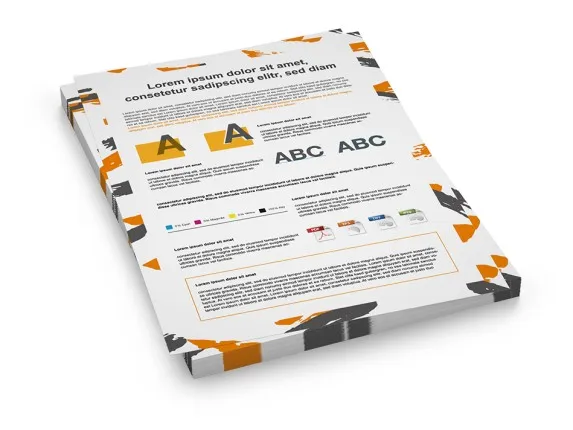
- Prominent logo placement in the upper third of the label, where eye-tracking studies show viewers look first
- Consistent use of brand colours across your entire product line to build recognition over time
- Distinctive typography that reflects brand personality and remains legible at various screen sizes
- Unique visual elements that set your products apart from competitors in the same category
- Consistent design language that connects your packaging to your website and other marketing materials
Our labels with premium finishing options can enhance brand perception through tactile elements like embossing or speciality materials. Research indicates that products with tactile branding elements are perceived as 35% more valuable than those without, creating an opportunity to enhance perceived quality through thoughtful label design.
Information Hierarchy
Online shoppers make quick decisions based on limited information. Research shows that consumers typically spend just 47 seconds evaluating products online, making clear information hierarchy essential. This represents a significant decrease from the 2.5 minutes consumers spent on average in 2004, highlighting the growing importance of instantly accessible information. Your label design should prioritise information in a clear hierarchy:
- Brand name and product name (largest and most prominent) - these should be identifiable even in thumbnail images
- Key selling points or unique features that differentiate your product from competitors
- Essential product information (size, quantity, etc.) that helps customers make informed decisions
- Regulatory information and barcodes (necessary but less prominent) positioned in less valuable label real estate
"The key is to guide the customer's eye to the most important information first," advises our design team. "Think of your label as a visual roadmap with a clear beginning and logical progression." This principle applies to both digital product images and the physical label, creating a consistent information experience across all touchpoints.
High-Contrast, Legible Typography
Typography choices are critical for e-commerce labels. Text must remain readable in various digital contexts, especially considering that 83% of landing page visits occur on mobile devices. Eye-tracking studies show that users scan rather than read content online, making clear, scannable typography essential for effective communication. Your typography should be optimised for:
For maximum legibility, consider:
- Sans-serif fonts for small text, as they maintain readability at reduced sizes better than serif fonts
- Minimum 8-point font size for essential information, increasing to 10-12 points for key messaging
- High contrast between text and background colours, with a minimum contrast ratio of 4.5:1 for optimal readability
- Avoiding decorative fonts for product information, reserving them only for brand names or headings
- Limited use of all-caps text, which reduces reading speed by up to 20% compared to mixed-case text
Strategic Use of Colour
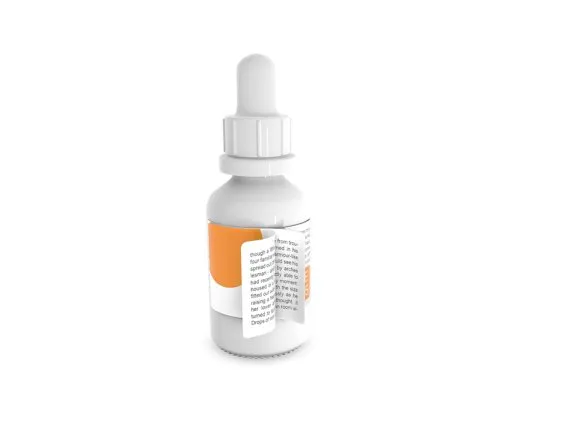
Colour plays a crucial role in e-commerce label design, serving both practical and psychological functions. Research indicates that 92.6% of consumers say visual factors are the most important when purchasing products, with colour being the primary element. Studies show that colour can increase brand recognition by up to 80% and improve readership by 40%, making it one of your most powerful design tools.
Effective colour use in e-commerce labels includes:
- Creating visual impact in digital thumbnails to stand out in crowded search results and category pages
- Differentiating product variants within your line to help customers quickly identify their preferred option
- Evoking specific emotions or associations aligned with your product benefits and brand values
- Enhancing brand recognition through consistent application across all touchpoints
- Signalling product categories or attributes through colour coding systems that aid navigation
Our guide to creating print data provides technical specifications for ensuring colour accuracy across digital and printed applications, helping you maintain consistency between online representation and physical delivery.
Barcode Integration
E-commerce operations rely heavily on efficient inventory management. Well-designed barcode integration ensures seamless order fulfilment and accurate tracking throughout the supply chain. Research indicates that barcode errors can cost businesses between 25% and 43% of their total inventory value, making proper implementation essential for profitability.
- Seamless order fulfilment with scan rates approaching 100% for properly designed and printed codes
- Accurate inventory tracking that reduces discrepancies by up to 67% compared to manual systems
- Proper product identification that minimises picking errors, which can cost up to £50 per incident
- Professional appearance that integrates technical requirements with aesthetic considerations
- Future-proofing through support for advanced code formats that enable enhanced tracking capabilities
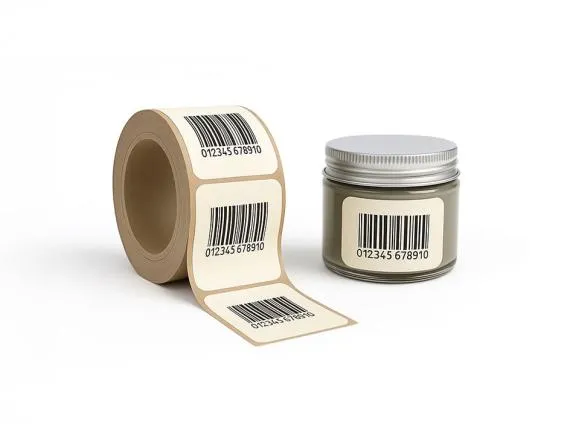
Our barcode labels for cosmetic products are designed specifically for e-commerce applications, with clear printing and durable materials to ensure consistent scanning across various environments and handling conditions.
By focusing on these essential design elements, you can create e-commerce labels that effectively communicate your brand message, provide necessary information, and enhance the overall customer experience from online browsing to product delivery. The thoughtful integration of these components will help your products stand out in the competitive digital marketplace whilst delivering on expectations when they arrive at the customer's door.
Material Selection for E-commerce Labels
The physical properties of your label materials significantly impact both appearance and performance in the e-commerce environment. Choosing the right materials is essential for creating labels that maintain their quality throughout the entire customer journey, especially considering that damaged or defective items account for approximately 25% of all returns. This represents a substantial financial burden, as the average cost to process a return can range from £15 to £50 per item, not including shipping costs.
Paper vs. Film Materials
Different product categories and shipping conditions require specific label materials to ensure durability and visual appeal. Understanding the strengths and limitations of each material type will help you make the right choice for your e-commerce products. Material selection becomes particularly important when considering that e-commerce packages change hands an average of 20 times before reaching the end consumer.
Paper Labels:
- More cost-effective for high-volume products, typically 15-30% less expensive than comparable film options
- Excellent print quality for detailed designs with the ability to reproduce fine gradients and subtle colour variations
- Available in various textures for premium products, including linen, felt, and matte finishes
- Better for products stored in controlled environments with minimal exposure to moisture or temperature fluctuations
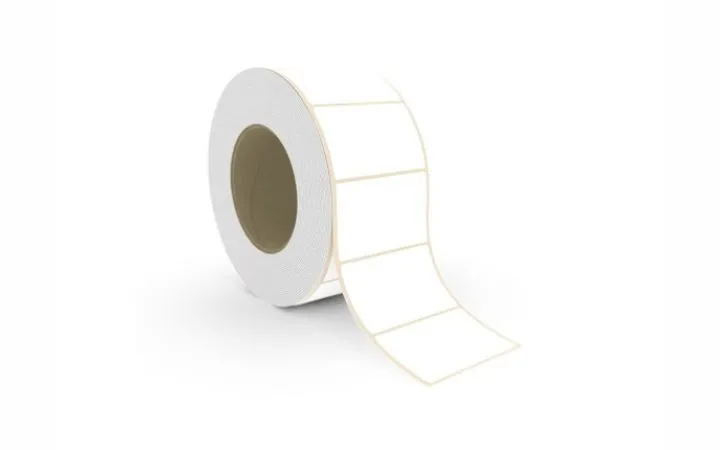
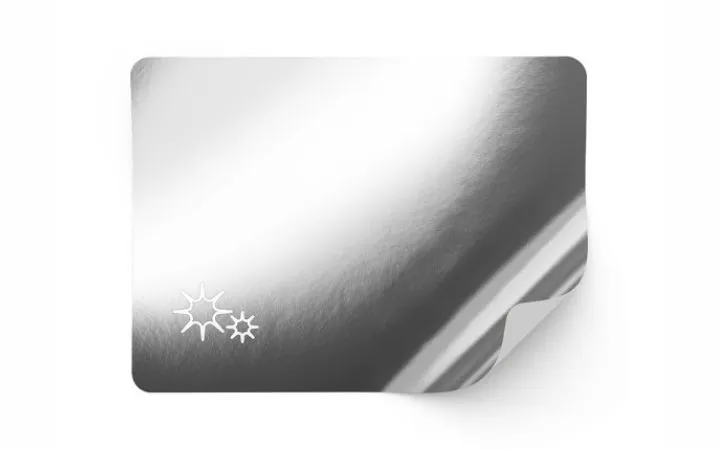
Film Labels:
- Superior water and moisture resistance, maintaining integrity even after extended exposure to humidity
- Better durability during shipping and handling with tear resistance up to 10 times greater than paper
- Resistant to tearing and scratching, reducing the likelihood of damaged labels upon delivery
- Ideal for refrigerated products or bathroom items that will be exposed to condensation or splashing
- Longer lifespan for products that will be used over extended periods, maintaining appearance throughout use
"For e-commerce products, we often recommend film materials for their durability during shipping," notes our materials specialist. "However, the right choice depends on your specific product, brand positioning, and budget. For luxury items, the tactile quality of textured paper may outweigh durability concerns, especially if the item is shipped in protective packaging." Our printed labels collection offers both paper and film options to suit various requirements, with specialised formulations for specific industry needs.
Adhesive Considerations
E-commerce products may experience various temperature and humidity conditions during shipping. The right adhesive ensures your labels remain firmly attached regardless of environmental changes, preventing the 23% of returns that occur when customers receive products that look different than expected due to damaged or detached labels. Temperature fluctuations during transit can range from below freezing to over 60°C in delivery vehicles during summer months.
Our labels for cream jars and cosmetics feature specially formulated adhesives that maintain their grip on curved surfaces and through temperature variations. These advanced adhesive formulations have been tested to withstand the specific challenges of e-commerce shipping, including vibration testing that simulates real-world transportation conditions.
Protective Finishes
The right finish not only enhances appearance but also provides protection during shipping and handling. This is particularly important for e-commerce products that may go through multiple handling stages before reaching the customer. Research indicates that products with premium finishes are perceived as 40% more valuable than identical products with standard finishes, creating an opportunity to enhance brand perception.
- Matte laminates reduce glare in product photography, creating more consistent images across various lighting conditions
- Gloss finishes make colours appear more vibrant in digital images, increasing visual impact by up to 20%
- Soft-touch laminates add a premium tactile element upon delivery, creating a memorable unboxing experience
- UV-resistant coatings prevent fading if exposed to sunlight, maintaining appearance up to 3 times longer than uncoated labels
- Scratch-resistant finishes that maintain brand integrity even after the rigours of shipping and handling
"The finish you choose affects both how your product appears in digital images and the customer's physical experience when they receive it," explains our production team. "For example, highly reflective finishes may create unwanted glare in product photography, whilst soft-touch laminates might not translate their tactile benefits in digital images but create a powerful impression upon delivery." Our labels with finishing options provide various protective and decorative coatings to enhance your e-commerce products and create differentiation in competitive markets.
Special Materials for Premium Products
For luxury e-commerce brands, speciality materials can create a memorable unboxing experience. With studies showing that 40% of consumers would share an image of packaging on social media if it was unique or branded, premium materials can extend your marketing reach through user-generated content. This organic sharing represents valuable exposure, as consumers trust peer recommendations 92% more than traditional advertising.
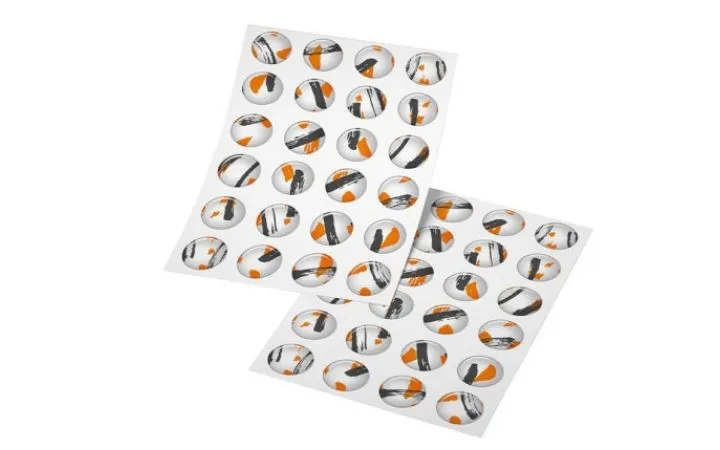
Our 3D labels create eye-catching dimensional effects that stand out in e-commerce listings and provide a premium unboxing experience. These innovative labels utilise specialised printing techniques to create depth and dimension without significantly increasing thickness or shipping weight.
Selecting the right materials for your e-commerce labels involves balancing aesthetic considerations with practical performance requirements. Our team at Labelprint24 can help you navigate these choices to create labels that enhance your online presence whilst delivering a positive physical experience to your customers. With proper material selection, your labels can become a powerful tool for brand differentiation and customer satisfaction in the competitive e-commerce landscape.
Size and Shape Considerations for E-commerce Labels
The dimensions and contours of your product labels play a crucial role in both digital presentation and physical functionality. For e-commerce success, label size and shape must be carefully considered to ensure they work effectively in both online listings and after delivery. Research indicates that packaging elements account for up to 30% of consumer decision-making in the digital environment, making these considerations particularly important for online retailers.
Optimising Label Dimensions for Digital Display
E-commerce product images are viewed at various sizes—from large feature images to small search result thumbnails. Your label dimensions should be designed with these different viewing contexts in mind, especially considering that 73% of e-commerce traffic comes from mobile devices where screen space is limited. Eye-tracking studies show that consumers typically focus on product images for just 5.94 seconds before moving on, highlighting the need for immediate visual impact.
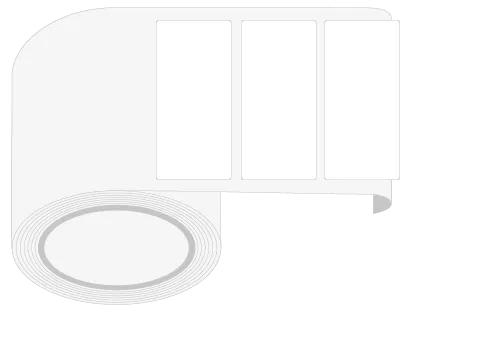
Effective label dimensions for e-commerce should:
- Ensure text remains legible even in thumbnail images, which may be as small as 200x200 pixels on some platforms
- Provide sufficient space for essential information without creating visual clutter that diminishes impact
- Maintain proper proportions when photographed from different angles to ensure consistent brand presentation
- Allow for clear product identification in marketplace listings where your product competes with dozens of alternatives
- Consider the "golden ratio" (approximately 1:1.618) for pleasing proportions that naturally attract the human eye
"Finding the right balance between information content and readability is crucial," advises our design team. "Too large a label can overwhelm the product itself, whilst too small a label may not effectively communicate essential information or brand identity." Our sizing guide helps customers determine the optimal dimensions for their specific products and information requirements, taking into account both digital presentation and physical application.
Custom Shapes for Brand Differentiation
Whilst rectangular labels are standard, custom shapes can help your products stand out in crowded e-commerce categories. Research shows that unique packaging elements can increase consumer engagement by up to 30%, making distinctive label shapes a valuable differentiation tool. In categories with similar products, shape can become a powerful brand identifier, creating recognition even before text is read.
Consider these custom shape options:
- Die-cut shapes that echo your logo or product form, creating visual reinforcement of brand identity
- Rounded corners for a softer, more contemporary look that appeals to premium and lifestyle brands
- Extended tabs for additional information or promotional content that doesn't fit on the main label
- Irregular shapes that create visual interest and help products stand out in standardised marketplace layouts
- Geometric patterns that align with current design trends whilst offering distinctive brand recognition
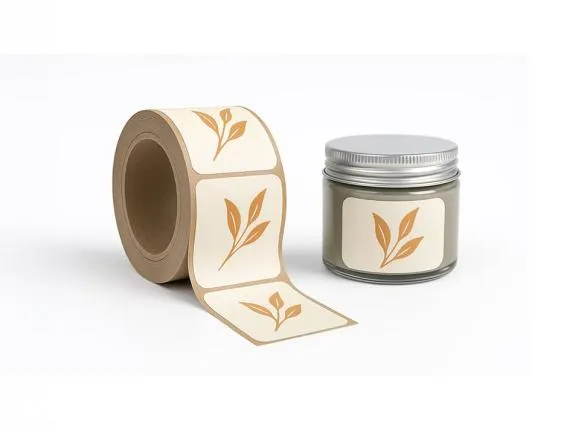
Our labels for cream jars feature custom shapes that adapt perfectly to container contours, maximising visual impact whilst ensuring proper adhesion. These specialised shapes are designed with both aesthetic appeal and functional requirements in mind, creating a seamless integration with the product container.
Multi-part Labels for E-commerce Efficiency
E-commerce operations often benefit from multi-functional label designs that serve multiple purposes. These innovative label formats can reduce packaging complexity whilst providing customers with all necessary information. Studies show that 79% of consumers want packaging that includes detailed product information, whilst businesses seek efficiency improvements to reduce fulfilment costs.
"Our multi-layer labels are particularly popular with e-commerce businesses that need to include detailed product information, usage instructions, and multiple languages in a compact format," notes our product specialist. "These innovative solutions can include up to five printed pages whilst maintaining a clean, professional appearance on the product."
Size Adaptation for Different Product Variants
Many e-commerce businesses offer product variants (sizes, flavours, etc.) that require consistent label design across different containers. With 67% of consumers checking return policies before making a purchase, having clear, consistent labelling across product variants can reduce confusion and returns. Research indicates that inconsistent packaging across product lines can reduce brand recognition by up to 30%.
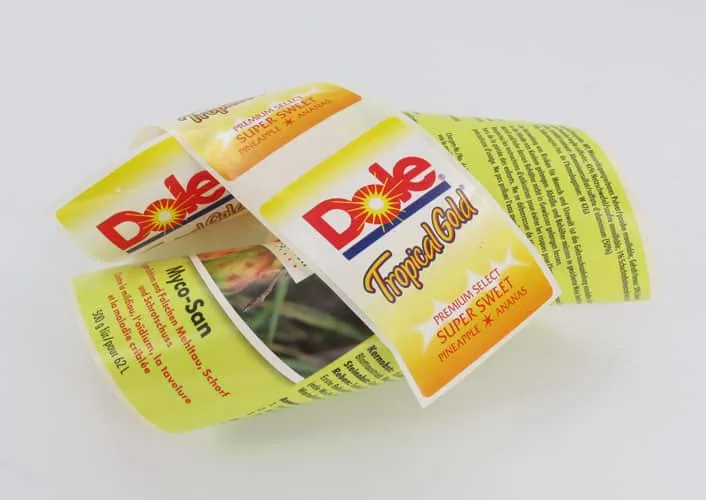
Our food labels are designed with flexibility in mind, allowing for consistent branding across various container types and sizes. These adaptable designs maintain visual cohesion across product families whilst accommodating the specific requirements of different packaging formats.
By carefully considering the size and shape of your e-commerce product labels, you can create designs that not only look attractive in digital storefronts but also function effectively when customers receive the physical product. Labelprint24 offers sample options to help you test different dimensions and shapes before committing to a full production run, ensuring your labels perform optimally in both digital and physical environments.
Colour Psychology and Visual Impact for Online Sales
In e-commerce, colour choices significantly influence purchasing decisions. Understanding colour psychology and applying it effectively to your label design can dramatically improve conversion rates and brand perception, especially considering that 85% of consumers cite colour as the primary reason for buying a product. Research from the Institute for Colour Research indicates that people make subconscious judgements about products within 90 seconds of initial viewing, and up to 90% of that assessment is based on colour alone.
Colour Psychology Principles for E-commerce Labels
Different colours evoke specific emotional responses that can align with your brand values and product benefits. Research shows that 92.6% of people say visual dimension is the primary factor affecting purchase decisions, with colour being a key component. Understanding these psychological associations can help you create labels that communicate effectively on both conscious and subconscious levels.
"The key is aligning colour choices with both your brand identity and customer expectations within your product category," explains our design specialist. "For example, whilst green works well for organic products, it might create cognitive dissonance if used as the primary colour for a high-tech gadget." Our cosmetic labels leverage colour psychology to create strong shelf appeal both online and in person, with specialised colour palettes developed for different market segments.
Colour Contrast for Digital Visibility
In the digital environment, colour contrast becomes even more important for capturing attention in crowded search results and category pages. With mobile users accounting for 73% of e-commerce traffic but converting at rates 70% lower than desktop users, strong visual contrast can help overcome the limitations of smaller screens. Studies show that high-contrast designs can increase reading speed by up to 32% and comprehension by 15%.
Our barcode labels for cosmetic products utilise strategic contrast to ensure both human readability and scanner functionality. These labels are designed with the understanding that they must perform both technical functions (scanning accurately) and marketing functions (attracting consumer attention) simultaneously.
Colour Consistency Across Digital and Physical Experiences
One of the biggest challenges in e-commerce label design is ensuring colour accuracy between online images and the physical product. Studies indicate that colour inconsistency between digital images and physical products is associated with a 23% return rate, making colour accuracy a critical concern. Research from the E-commerce Foundation reveals that 22% of returns occur because "the product looks different" than expected, with colour discrepancy being the primary factor.
To maintain colour consistency:
- Work with professional photographers who understand product lighting and colour calibration
- Use colour management systems throughout your design and production process
- Request physical samples before full production to verify colour accuracy
- Provide colour specifications using standardised systems like Pantone or CMYK values
- Test how your labels photograph under different lighting conditions
- Consider how screen variations might affect colour perception for online shoppers
Our print data guidelines include detailed information about colour management to ensure your labels match expectations from digital display to physical delivery, reducing returns and improving customer satisfaction.
Testing and Optimisation for E-commerce Labels
Creating successful e-commerce labels requires testing and refinement. What looks perfect on your computer screen may not translate effectively to mobile devices or perform well in competitive marketplace environments. Systematic testing helps identify and resolve issues before they impact sales or customer satisfaction.
A/B Testing Label Designs
Before committing to a full production run, consider testing different label designs to see which performs better. A/B testing can reveal surprising insights about what resonates with your target audience. Research shows that companies using A/B testing see an average conversion rate improvement of 49%.
Elements to test include:
- Colour schemes and their impact on click-through rates
- Typography choices and their effect on readability and brand perception
- Information hierarchy and its influence on purchase decisions
- Image versus text-heavy designs
- Different finishing options and their perceived value
- Custom shapes versus standard rectangular formats
Photography and Digital Presentation Testing
Your labels must photograph well for e-commerce success. Professional product photography can make the difference between a sale and a scroll-past, with 75% of online shoppers relying on product photos when deciding on a potential purchase.
Test your labels by:
- Photographing samples under various lighting conditions
- Viewing images at different sizes (thumbnail to full-screen)
- Testing on multiple devices (desktop, tablet, smartphone)
- Evaluating how labels appear in marketplace search results
- Assessing legibility when images are compressed for web use
- Checking how labels look against different backgrounds
Physical Performance Testing
Beyond visual appeal, your labels must withstand the rigours of e-commerce fulfilment. Testing physical performance helps avoid costly issues after launch.
Conduct tests for:
- Adhesion under various temperature and humidity conditions
- Durability during simulated shipping (vibration, stacking, handling)
- Resistance to common substances (water, oils, cleaning products)
- Barcode scanning reliability across different scanner types
- Label integrity after extended storage periods
- Performance on different container materials and shapes
Labelprint24 offers sampling services that allow you to test label designs before full production, helping you make informed decisions based on real-world performance rather than assumptions.
Conclusion
Designing labels for e-commerce success requires a unique approach that balances digital presentation with physical functionality. Your labels must capture attention in crowded online marketplaces, maintain their quality throughout shipping and handling, and deliver a satisfying unboxing experience that reinforces your brand values. With e-commerce returns costing businesses billions annually and customer expectations continuously rising, investing in thoughtful label design has never been more critical.
The key to success lies in understanding the entire customer journey—from the first glimpse of your product in search results to the moment they open the package at home. By focusing on mobile optimisation, colour psychology, durable materials, and clear information hierarchy, you can create labels that drive conversions online and build brand loyalty offline. The statistics are clear: well-designed packaging influences up to 72% of purchasing decisions, and 40% of consumers are willing to share unique packaging on social media, extending your brand reach organically.
At Labelprint24, we specialise in creating labels that meet the unique demands of e-commerce businesses. Our comprehensive range of cosmetic labels, food labels, and multi-layer solutions provides options for every product category and budget. Our team understands the technical requirements of barcode integration, the importance of colour consistency between digital and physical formats, and the durability standards needed for modern fulfilment operations.
Remember that label design is an iterative process. Start with thorough research into your target audience and competitive landscape, test multiple design options before full production, and continuously gather feedback from customers about their unboxing experience. The most successful e-commerce brands treat their packaging—including labels—as an extension of their marketing strategy, creating memorable experiences that turn first-time buyers into loyal brand advocates.
Whether you're launching a new product line or refreshing existing packaging, professional label design represents an investment in your brand's future. With the right materials, thoughtful design, and attention to both digital and physical performance, your labels can become powerful tools for differentiation in the competitive e-commerce landscape. Let Labelprint24 help you create labels that not only meet technical requirements but exceed customer expectations, driving sales and building lasting brand recognition in the digital marketplace.