




 BY Judith Enger IN Environment
Best Practices for Eco-Friendly Packaging Solutions
Introduction to Sustainable Packaging
Sustainable packaging has become an essential business practice in today's environmentally conscious marketplace. As consumers become more aware and environmental regulations get stricter, businesses are changing their packaging strategies to reduce their impact on the environment whilst still protecting their products and maintaining brand appeal. Studies show that over 70% of consumers now think about environmental impact when buying products, making sustainability both an ethical choice and a smart business decision.
Sustainable packaging aims to minimise environmental impact throughout its entire lifecycle – from getting raw materials to final disposal or recycling. This complete approach looks at the materials used, how they're produced, how efficiently they're transported, and how much waste they create. By looking at each stage of the packaging lifecycle, companies can find ways to reduce carbon emissions, use fewer resources, and prevent pollution whilst still delivering products safely to consumers.

At Labelprint24, we advise businesses on packaging materials, formats and production options for a range of applications. When evaluating packaging choices, companies should consider product protection, material requirements, transport conditions and end-of-life options. Environmental comparisons require reliable data and should take account of the relevant stages of the packaging lifecycle.
Switching to eco-friendly packaging requires understanding what options are available, what regulations exist, and how best to put them into practice. This guide covers best practices for businesses wanting to improve their sustainability through better packaging solutions. Whether you're just starting your sustainability journey or trying to improve existing practices, these strategies can help reduce your environmental impact whilst possibly improving your operations and customer satisfaction. As we face growing environmental challenges, using sustainable packaging is both a responsibility and an opportunity for forward-thinking businesses.
Understanding Sustainable Packaging Materials
Recyclable Options
Recycling can recover materials from certain packaging formats and make them available for further processing. Paper and cardboard packaging is collected and recycled through established systems in many markets. However, the recyclability of a specific packaging product depends on its complete material structure, any coatings or other components, and the collection, sorting and recycling infrastructure available in the relevant market.

Our folding boxes with crash lock base and security tabs are designed for efficient assembly and reliable product protection. Their base construction supports quick set-up, while the security tabs provide additional protection during handling. The recyclability of each finished folding box depends on the selected board grade, adhesives, printing and finishing, as well as the applicable recycling system.
Key benefits of recyclable packaging materials include:
- Reduced landfill waste through diversion of materials to recycling streams
- Conservation of virgin resources by substituting recycled content for new materials
- The greenhouse gas emissions associated with recycled and virgin materials depend on the material type, processing methods, energy sources and system boundaries used for comparison.
- Economic value creation through the development of secondary markets for recovered materials
- Consumer appeal as recyclable packaging aligns with growing environmental consciousness
Our folding boxes with full overlap are designed to provide dust protection and tamper resistance for a variety of products. Their construction follows the ECMA A6020 design type. Depending on the selected board grade, FSC-certified materials may be available. Any claim concerning certified fibre sourcing or the recyclability of the finished packaging must be verified for the specific product variant.
Biodegradable and Compostable Materials
Biodegradable and compostable packaging materials offer solutions for items that might be hard to recycle or in situations where composting is available. These materials break down naturally into non-toxic components, reducing landfill waste and environmental contamination. The difference between biodegradable (which just means breaking down over time) and compostable (breaking down into nutrient-rich soil under specific conditions) is important for proper end-of-life management and consumer communication.
Our stand-up pouches are available in different material structures with barrier properties suited to a range of products. Depending on the selected variant, the materials may include paper-based structures or plastic films. The barrier properties, material composition and appropriate disposal route must be considered individually for each pouch construction.
Essential considerations for biodegradable and compostable packaging include:
- Certification standards such as EN 13432 or ASTM D6400 to ensure legitimate compostability claims
- Infrastructure availability for proper composting facilities in target markets
- Consumer education about proper disposal methods and local waste management systems
- Performance requirements balancing biodegradability with necessary protective functions
- Shelf life considerations ensuring materials maintain integrity throughout product lifecycle

When using biodegradable packaging, it's important to understand the difference between home compostable and industrially compostable materials. Home compostable materials break down in backyard compost piles at lower temperatures, whilst industrially compostable items need the higher temperatures and controlled conditions of commercial facilities. This distinction is crucial for giving accurate disposal instructions to consumers. Materials certified to standards like EN 13432 or ASTM D6400 ensure legitimate compostability claims and help prevent false environmental claims. The growing availability of commercial composting facilities in many regions makes these materials increasingly viable options for businesses committed to sustainability.
Innovative Sustainable Materials
The packaging industry keeps evolving with innovative materials that push the boundaries of sustainability. From plant-based plastics to mushroom packaging, these alternatives offer exciting possibilities for eco-conscious brands. Recent developments include bioplastics made from agricultural waste, mycelium-based packaging grown from fungal roots, and even seaweed-based films that dissolve harmlessly in water. These innovations represent the cutting edge of sustainable packaging, offering potential solutions to historically challenging packaging applications.
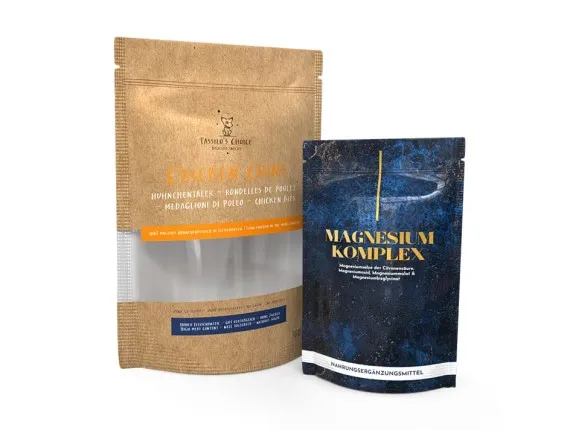
Our stand-up pouches with a zipper and euro hole combine a resealable opening with a hanging feature for retail presentation. Depending on the selected variant, the pouch may be made from a mono-material film structure. Its recyclability must be assessed using the complete packaging construction, including the film, zipper, printing and any barrier layers, together with the relevant collection and recycling systems.
Emerging sustainable materials worth monitoring include:
- Mycelium packaging grown from mushroom roots, offering customisable shapes and complete biodegradability
- Seaweed-based films that dissolve in water and are safe for marine environments
- Agricultural waste bioplastics made from corn husks, wheat straw, and other crop residues
- Edible packaging made from proteins and polysaccharides that eliminate waste entirely
- Recycled ocean plastic turning marine pollution into useful packaging materials
- Plant-based foam alternatives replacing polystyrene with materials like mushroom mycelium or cornstarch
Our stand-up pouches with a euro hole and without a zipper provide a hanging option for retail display. Their material structure and barrier properties depend on the selected variant and intended filling product. The absence of a zipper is a construction feature; any resulting difference in material use or recyclability must be evaluated for the specific pouch design.
Eco-Friendly Packaging Design Principles
Minimalist Design Approaches
Minimalist packaging design aims to avoid unnecessary components while preserving product protection and the functions required for handling, storage and transport. The amount of material that can be saved depends on the original packaging format, the redesigned construction and the performance requirements. Any quantified reduction should be supported by a documented comparison using equivalent functional requirements.
At Labelprint24, we advise businesses on corrugated shipping box dimensions and constructions based on the goods being packed and their protection requirements. Relevant factors include product weight, fragility, handling conditions and transport distances. A suitable packaging design can help avoid unnecessarily large formats and excessive filling material while maintaining the required product protection.
Core principles of minimalist packaging design include:
- Material reduction through elimination of unnecessary layers and redundant protective elements
- Structural optimisation using engineering principles to achieve maximum strength with minimum material
- Multi-functional elements where single components serve multiple purposes (protection, marketing, information)
- Space efficiency through precise dimensioning to eliminate void fill requirements
- Clean aesthetics that appeal to consumers whilst reducing printing and finishing requirements
- Modular design enabling standardisation across product lines to reduce variety and complexity

Key principles of minimalist packaging design include eliminating unnecessary layers and components, optimising dimensions to reduce empty space, using structural design to provide protection with less material, and incorporating multi-functional design elements. By applying these principles, businesses can create packaging that appeals to environmentally conscious consumers whilst reducing their ecological footprint. Minimalist design also offers aesthetic benefits, with clean, simple packaging often seen as more premium and modern. This alignment of environmental responsibility and brand positioning represents a powerful opportunity for businesses to stand out in competitive markets whilst advancing sustainability goals.
Right-Sizing Packaging
Right-sizing involves selecting packaging dimensions that match the product and its protection requirements. Compared with an oversized reference box, a suitably sized shipping box may use less packaging or filling material and occupy less transport space. The actual effects on material use, shipping costs and transport-related emissions depend on the boxes compared, the distribution system and the level of protection required.

Our shipping boxes can be customised to the dimensions of your products. This allows businesses to select box sizes that take account of the goods, handling conditions and the required protection during transport. Depending on the comparison, appropriately sized boxes may reduce unused internal space and the need for additional filling material. Any environmental benefit must be assessed using the actual packaging and distribution conditions.
Strategic implementation of right-sizing requires:
- Product analysis to understand dimensional requirements, fragility, and protection needs
- Shipping simulation to test packaging performance under realistic distribution conditions
- Cost-benefit assessment comparing custom sizing investments against material and shipping savings
- Operational integration ensuring packaging processes can accommodate varied dimensions efficiently
- Performance monitoring to track damage rates and identify optimisation opportunities
- Continuous improvement through regular review of sizing decisions and market feedback
When implementing right-sizing strategies, consider conducting a thorough analysis of product dimensions and protection needs, investing in packaging technology that allows for customisation, training staff on proper packaging techniques to avoid overpackaging, and regularly reviewing and refining packaging dimensions based on feedback and performance. Advanced technologies like 3D scanning and automated box-making systems are increasingly making right-sizing more accessible even for smaller businesses. The environmental benefits extend beyond material reduction to include decreased warehouse space requirements, reduced transportation emissions, and improved customer satisfaction through elimination of excessive packaging waste. These many advantages make right-sizing a cornerstone of comprehensive sustainable packaging strategies.
Multi-Functional Packaging Design
Multi-functional packaging serves multiple purposes throughout its lifecycle, extending usefulness beyond the initial product containment role. This approach adds value for consumers whilst reducing overall material consumption and waste generation. By designing secondary functions into packaging, businesses can transform what would be immediate waste into continued utility, effectively extending the packaging lifecycle and improving resource efficiency. Consumer research shows that multi-functional packaging can increase perceived product value by 15-25% whilst encouraging brand loyalty through prolonged engagement with packaging elements.
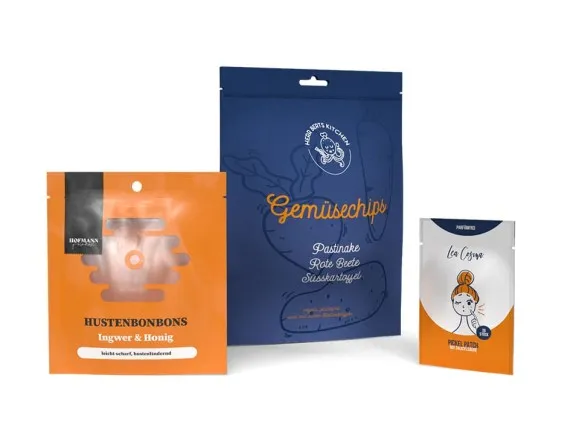
Our flat pouches are available in different formats and material structures, with features such as tear resistance and, depending on the variant, resealable closures. A resealable pouch can be opened and closed during its intended use. This function should not be equated with a verified reusable packaging system, which requires a packaging design and use model suitable for multiple use cycles.
Successful multi-functional packaging strategies incorporate:
- Secondary utility design creating packaging that transforms into useful household items or storage solutions
- Educational content integration including information, instructions, or entertainment value directly on packaging
- Collectible elements encouraging retention through aesthetic appeal or branded content
- Modular construction allowing packaging components to be recombined for different uses
- Durability enhancement ensuring packaging can withstand multiple use cycles
- User experience optimisation making secondary functions intuitive and valuable for consumers
Effective multi-functional packaging strategies include designing packaging that transforms into useful secondary items, creating reusable containers that encourage consumer retention, incorporating informational content directly on packaging to eliminate separate inserts, and developing packaging that helps product use or consumption. These approaches not only reduce waste but can also enhance the consumer experience and strengthen brand loyalty. Examples range from simple solutions like shoe boxes designed for long-term storage to more innovative approaches such as packaging that transforms into children's toys or household items. The key is identifying secondary functions that align with consumer needs and lifestyle whilst maintaining the primary protective and marketing functions of the packaging. This thoughtful approach to design extends resource value and creates meaningful connections between brands and environmentally conscious consumers.
Implementing Eco-Friendly Labelling Solutions
Sustainable Label Materials
Eco-friendly labelling extends sustainability beyond the primary packaging to include the labels themselves. Sustainable label materials reduce environmental impact whilst maintaining necessary functionality like adhesion, printability, and durability under various conditions. Though labels typically make up a small percentage of total packaging weight, their environmental impact can be significant due to adhesives, inks, and multi-material construction that can complicate recycling processes. Advances in sustainable label materials include recycled content papers, biodegradable films, and wash-off adhesives that improve the recyclability of the primary packaging.

Our inkjet labels are available in customisable formats for printing product information, logos and other designs. Depending on the selected material, they can be suitable for water-based inkjet printing and may be offered with permanent adhesives. FSC-certified paper options should only be described as such where the specific material and relevant chain-of-custody requirements are covered by valid certification.
Key considerations for sustainable label materials include:
- Recycled content utilisation incorporating post-consumer and post-industrial waste materials
- Renewable resource sourcing using materials from sustainably managed forests or agricultural sources
- Biodegradable substrates ensuring labels don't impede composting or biodegradation of primary packaging
- Wash-off adhesives allowing labels to separate cleanly during recycling processes
- Solvent-free production eliminating harmful emissions during manufacturing
- End-of-life compatibility ensuring labels don't contaminate recycling streams for primary packaging
Our labels for frozen goods are designed for applications requiring resistance to low temperatures, grease and moisture. Depending on the selected variant, paper or film materials and suitable adhesives are available. Their performance and suitability depend on the surface, application conditions and temperature requirements. Environmental characteristics must be assessed separately for the selected label and its primary packaging.
Environmentally Friendly Printing Techniques
The printing methods used for packaging and labels significantly impact overall sustainability. Eco-friendly printing techniques reduce chemical usage, energy consumption, and waste generation whilst still delivering high-quality visual results. Traditional printing processes can involve significant environmental impacts through harmful emissions, chemical waste generation, and energy consumption. Modern sustainable printing alternatives include water-based inks that eliminate solvent emissions, UV-cured systems that reduce energy usage, and digital printing technologies that minimise setup waste and enable on-demand production to reduce obsolescence.
Our thermal transfer resin ribbons are suitable for printing durable, scratch-resistant information on compatible paper and film labels. They can be used for barcodes, variable data and other applications requiring resistant print results. Thermal transfer printing uses a coated ribbon rather than liquid ink during printing. Its environmental performance depends on the complete printing system, ribbon consumption, energy use and the handling of used materials.
Sustainable printing techniques encompass:
- Water-based ink systems, which may contain lower quantities of certain organic solvents than comparable solvent-based systems, depending on their formulation and application.
- Vegetable oil-based inks reducing petroleum dependency and improving biodegradability
- UV-cured printing eliminating solvent emissions and reducing energy consumption
- Digital printing technologies minimising setup waste and enabling on-demand production
- Energy-efficient equipment reducing electricity consumption during production
- Waste minimisation processes optimising material usage and reducing production scrap
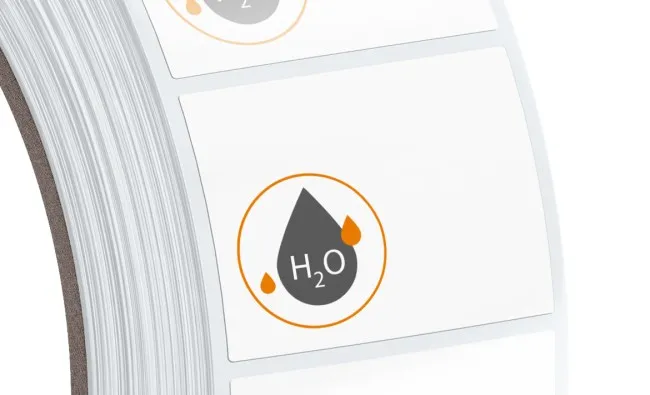
For businesses that print their own labels, our blank labels for water-based inkjet printing are designed for compatible printing systems. The environmental characteristics of water-based inks depend on their formulation and the printing process. Comparisons with solvent-based inks should consider the quantities and types of solvents used, emissions during processing and any relevant differences in energy consumption.
Clear Communication of Sustainability Features
Effective communication of packaging's environmental attributes helps consumers make informed decisions and properly dispose of materials. Clear sustainability messaging can also enhance brand perception and customer loyalty, creating a competitive advantage in the marketplace. Research shows that 74% of consumers are willing to pay more for sustainable packaging, but only if they can clearly understand and verify the environmental benefits. Transparent, specific communication about sustainability features helps bridge this gap, converting environmental investments into real market advantages.

As discussed in our guide to sustainable packaging for fashion brands, effective communication of eco-friendly features enhances the unboxing experience whilst educating consumers about your sustainability efforts. This transparency builds trust and reinforces brand values. The fashion industry has particular opportunities to integrate sustainability messaging into the premium unboxing experience that characterises the sector, creating memorable moments that align environmental responsibility with brand luxury and exclusivity.
Effective sustainability communication strategies include:
- Standardised symbols using recognised recycling icons and disposal instructions
- Certification displays prominently featuring third-party verification logos and credentials
- Clear disposal instructions providing specific guidance for proper end-of-life handling
- Quantified benefits specifying measurable environmental improvements (e.g., "75% recycled content")
- QR code linking connecting to detailed sustainability information and company commitments
- Multilingual accessibility ensuring global consumers can understand sustainability features
Best practices for communicating sustainability features include using standardised recycling symbols and clear disposal instructions, avoiding vague or misleading environmental claims (greenwashing), highlighting specific sustainability achievements and goals, and educating consumers about proper end-of-life handling. By providing clear information, businesses empower consumers to participate in sustainable practices. Effective communication strategies might include QR codes linking to detailed sustainability information, certification logos from recognised third-party organisations, infographics showing environmental benefits, and clear instructions for proper disposal or recycling. The key is balancing comprehensive information with accessible presentation that doesn't overwhelm consumers but enables them to make informed choices and properly handle packaging at end-of-life.
Regulatory Compliance and Industry Standards
Understanding Packaging Regulations
Understanding the complex landscape of packaging regulations is essential for businesses implementing sustainable solutions. Compliance not only avoids penalties but also ensures environmental claims are substantiated and aligned with legal requirements. Packaging regulations vary significantly by region but generally address issues including extended producer responsibility (EPR), material restrictions, recycled content requirements, and proper environmental marketing claims. The regulatory framework continues to evolve rapidly as governments worldwide implement increasingly strict measures to address packaging waste and environmental impacts.
Our guide to the new packaging law provides manufacturers with essential information about compliance requirements. Understanding these regulations is crucial for businesses implementing sustainable packaging strategies. The German Packaging Act (VerpackG) represents one of Europe's most comprehensive packaging regulations, requiring producer registration, participation in recycling systems, and compliance with material-specific recovery targets. Similar frameworks are being implemented globally, with each jurisdiction establishing unique requirements that businesses must navigate.
Key regulatory areas affecting sustainable packaging include:
- Extended Producer Responsibility (EPR) making manufacturers financially responsible for packaging waste management
- Material restrictions limiting or banning specific substances deemed harmful to environment or health
- Recycled content mandates requiring minimum percentages of post-consumer materials in new packaging
- Recovery targets establishing recycling rate goals for different packaging materials
- Labelling requirements mandating specific information about recyclability and disposal methods
- Registration obligations requiring businesses to report packaging data to regulatory authorities
As detailed in our interim assessment of the packaging act, the Central Packaging Register Office (ZSVR) has drawn positive conclusions about the effectiveness of packaging regulations. This regulatory framework continues to shape industry practices toward greater sustainability. Key regulatory considerations include EPR systems that make producers financially responsible for packaging waste management, material restrictions on substances of concern, minimum recycled content requirements, and labelling mandates for consumer information. Businesses operating across multiple markets face particular challenges in navigating varying requirements, necessitating comprehensive compliance strategies that accommodate the most stringent applicable regulations whilst maintaining operational efficiency. Proactive monitoring of regulatory developments and engagement with industry associations can help businesses anticipate and prepare for emerging requirements.
Certification and Eco-Labels
Certifications and eco-labels provide third-party verification of environmental claims, building consumer trust and differentiating products in the marketplace. These credentials demonstrate commitment to sustainability standards and help consumers make informed choices. In a marketplace increasingly concerned about greenwashing, third-party verification through recognised certification programmes provides credibility that self-declared environmental claims cannot match. Research shows that certified sustainable packaging can increase consumer purchase intent by up to 45% compared to uncertified alternatives making similar claims.
The graphics from our packaging act assessment illustrate the growing importance of certification in the sustainable packaging landscape. These certifications provide a framework for evaluating and communicating environmental performance. The registration statistics demonstrate the scale of producer participation in formal systems, whilst the compliance metrics highlight the effectiveness of certification frameworks in driving meaningful environmental improvements across the packaging supply chain.
Major certification programmes and eco-labels include:
- Forest Stewardship Council (FSC) certifying responsible forest management for paper-based packaging
- Programme for Endorsement of Forest Certification (PEFC) providing alternative forest certification standards
- Cradle to Cradle Certified evaluating materials for circular design and safe chemistry
- Biodegradable Products Institute (BPI) certifying compostable packaging materials
- ASTM D6400 and EN 13432 standards for compostable plastics certification
- Recycled content certifications verifying post-consumer and post-industrial material usage
Important certifications and eco-labels to consider include Forest Stewardship Council (FSC) for paper-based packaging, recycled content certifications, compostability certifications (home and industrial), and Cradle to Cradle certification for circular design. By obtaining relevant certifications, businesses can validate their sustainability claims and enhance consumer confidence. Additional certifications include the Sustainable Forestry Initiative (SFI), Programme for the Endorsement of Forest Certification (PEFC), Biodegradable Products Institute (BPI) certification, and various regional recycled content verification programmes. When selecting certification programmes, businesses should consider market recognition, stringency of standards, verification processes, and alignment with specific sustainability goals. Whilst certification involves costs and administrative requirements, the marketing advantages and risk mitigation benefits typically outweigh these investments for businesses serious about sustainability positioning.
Future Regulatory Trends
Staying ahead of evolving regulations helps businesses adapt proactively rather than reactively. Understanding emerging trends enables strategic planning for future packaging innovations and ensures long-term compliance with increasingly stringent requirements. Regulatory frameworks worldwide are trending toward greater producer responsibility, more comprehensive material restrictions, and enhanced transparency requirements. Early adoption of anticipated standards can provide competitive advantages through demonstrated leadership and avoided compliance scrambles when new regulations take effect.
As explored in our article on reusable packaging, regulatory frameworks are increasingly focusing on waste reduction and circular economy principles. Understanding the average packaging waste generated per person highlights the need for continued regulatory evolution. The European Union's Circular Economy Action Plan and similar initiatives worldwide are driving systematic changes in how packaging is designed, used, and managed at end-of-life. These frameworks aim to transform linear "take-make-dispose" models into circular systems that maintain material value throughout multiple lifecycles.
Emerging regulatory trends to monitor include:
- Plastic packaging taxes creating economic incentives for sustainable alternatives
- Mandatory recycled content requiring minimum percentages of post-consumer materials
- Digital product passports tracking packaging materials throughout their lifecycle
- Chemical content disclosure requiring transparency about substances used in packaging
- Carbon footprint labelling mandating climate impact information on packaging
- Standardisation requirements promoting design consistency to improve recycling infrastructure
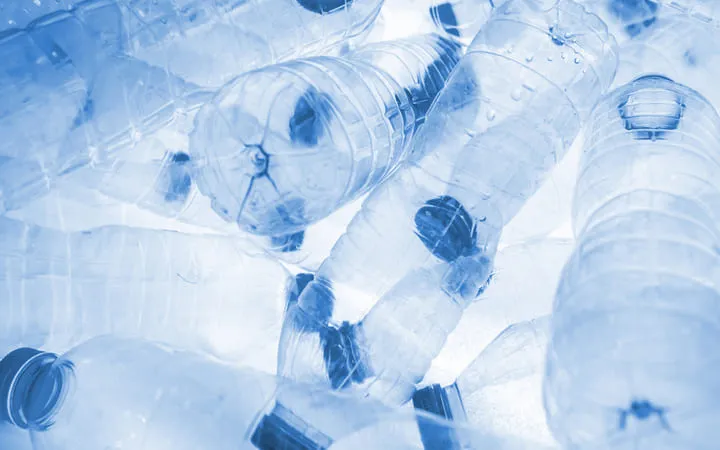
Anticipated regulatory trends include increased taxes on virgin plastic and non-recyclable materials, mandatory minimum recycled content requirements, standardisation of materials to improve recycling infrastructure, and expanded producer responsibility for end-of-life management. By monitoring these trends, businesses can position themselves advantageously in the evolving regulatory landscape. Additional emerging requirements include plastic packaging taxes, digital product passports that track packaging through its lifecycle, chemical content disclosure mandates, and carbon footprint labelling requirements. Forward-thinking businesses are already implementing governance structures to monitor regulatory developments, assess compliance implications, and integrate regulatory intelligence into product development processes. This proactive approach transforms regulatory compliance from a reactive burden into a strategic advantage that drives innovation and market differentiation.
Circular Economy Approaches to Packaging
Designing for Recyclability
Designing packaging with its end-of-life in mind ensures materials can be effectively recovered and recycled. This approach considers the entire lifecycle from creation to disposal and potential rebirth as new products, closing the loop on resource usage. Effective design for recyclability requires understanding both technical recyclability (whether a material can theoretically be recycled) and practical recyclability (whether existing infrastructure will actually recycle it). This distinction is crucial, as theoretically recyclable materials often end up in landfills due to collection limitations, contamination issues, or economic barriers to recovery.
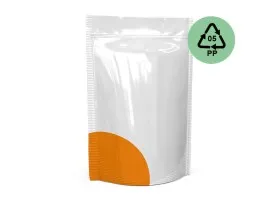
Our stand-up pouches are available in different material structures, including selected mono-material film variants. Features such as zippers, euro holes and barrier layers must be considered when evaluating the complete pouch construction. Whether a particular variant is recyclable depends on material compatibility, sorting characteristics and the recycling systems available in the relevant market.
Essential principles for designing recyclable packaging include:
- Mono-material construction using single polymers that can be processed together in recycling streams
- Compatible adhesive systems ensuring labels and closures don't contaminate recycling processes
- Minimised ink coverage reducing contamination during recycling and improving material quality
- Easily separable components allowing different materials to be sorted properly at end-of-life
- Avoided problematic additives eliminating substances that complicate recycling or contaminate output
- Infrastructure compatibility designing for existing collection and processing systems
Key principles for designing recyclable packaging include using mono-materials rather than multi-layer composites, avoiding problematic additives that contaminate recycling streams, making components easily separable for proper sorting, and choosing materials with established recycling infrastructure. These considerations help ensure that packaging can be effectively recovered and transformed into new products. Additional design strategies include minimising ink coverage to reduce contamination during recycling, avoiding adhesives that impede material separation, selecting compatible closure systems, and providing clear consumer instructions for proper disposal. Organisations like the Association of Plastic Recyclers (APR) and RECOUP provide detailed design guidelines that help businesses navigate material compatibility and design decisions to maximise recyclability. By following these principles, businesses can create packaging that maintains functionality whilst supporting circular material flows.
Reusable Packaging Systems
Reusable packaging systems are designed for multiple use cycles and generally require suitable collection, return, cleaning and inspection processes. Their environmental performance compared with single-use alternatives depends on the packaging materials, number of actual rotations, transport distances, cleaning requirements and loss rates. A quantified environmental benefit can only be established through an assessment of the specific systems being compared.
Our article on reusable packaging explores how these systems can significantly reduce environmental impact. By designing packaging for multiple use cycles, businesses can decrease material consumption whilst potentially strengthening customer relationships. The historical perspective on reuse systems demonstrates that many current "innovations" in reusable packaging actually represent modern adaptations of traditional practices that preceded the disposable economy. This reconnection with historical wisdom, enhanced by modern materials and logistics systems, offers powerful sustainability advantages.
- Durable material selection ensuring packaging withstands multiple use cycles without degradation
- Convenient return mechanisms making it easy for consumers to participate in reuse programmes
- Effective cleaning systems maintaining hygiene and quality standards throughout multiple cycles
- Economic incentives providing financial motivation for consumer participation in return programmes
- Tracking technologies monitoring package location and rotation to prevent losses
- Standardisation enabling industry-wide pooling systems for improved efficiency
Considerations for implementing reusable packaging include designing for durability and multiple use cycles, creating convenient collection and return systems, implementing effective cleaning and refurbishment processes, and educating consumers about proper handling and return procedures. These elements are essential for successful reusable packaging programmes. Additional factors include standardisation to facilitate pooled systems, tracking technologies to monitor rotation cycles and prevent losses, incentive structures to encourage returns, and logistics optimisation to minimise transportation impacts. Reusable packaging models range from consumer-facing systems like refillable containers to business-to-business applications such as returnable transport packaging. The latter often achieves higher rotation rates and more predictable return patterns, making them particularly effective for sustainability improvements. For consumer applications, deposit systems, loyalty incentives, and convenient return options are critical success factors for achieving the necessary return rates to realise environmental benefits.
Closed-Loop Supply Chains
Closed-loop supply chains integrate forward and reverse logistics to recover and reuse packaging materials. This comprehensive approach minimises waste and maximises resource efficiency throughout the entire product lifecycle, creating a continuous flow of materials. Unlike traditional linear supply chains that focus primarily on efficient forward distribution, closed-loop systems incorporate recovery mechanisms that capture post-consumer materials and reintegrate them into production processes. This systems approach requires collaboration across the value chain, from material suppliers to retailers and waste management providers.
Packaging designed for recycling can support material recovery where suitable collection, sorting and recycling processes are available. The actual recovery and reuse of materials depend on the complete packaging construction, the relevant recycling infrastructure and the quality of the recovered materials. A recyclable design does not by itself establish that packaging materials will be returned to a closed-loop system or used to produce new packaging.
Key elements of successful closed-loop packaging systems include:
- Strategic partnerships with recyclers, material processors, and logistics providers
- Material traceability tracking packaging through collection, processing, and remanufacturing
- Quality assurance maintaining material standards throughout multiple recycling cycles
- Economic viability ensuring closed-loop systems are financially sustainable for all participants
- Consumer engagement educating and motivating proper participation in recovery programmes
- Technology integration using digital tools to optimise collection and processing efficiency
Essential elements of closed-loop packaging systems include partnerships with recyclers and material processors, traceability systems to monitor material flows, design that facilitates material recovery, and consumer education about proper disposal. These components work together to create a sustainable cycle of material use and recovery. Additional considerations include establishing collection infrastructure, implementing quality control processes for recovered materials, developing markets for recycled content, and creating economic incentives that support material recovery. Successful closed-loop systems often involve industry collaborations that address shared challenges like collection infrastructure and recycling technology development. Organisations like the Ellen MacArthur Foundation provide frameworks and case studies that help businesses implement effective closed-loop strategies that transform waste streams into valuable resource flows. This transformation represents a fundamental shift from traditional waste management to resource stewardship that maintains material value across multiple lifecycles.
Industry-Specific Sustainable Packaging Solutions
Food and Beverage Sector
The food and beverage industry faces unique packaging challenges due to strict safety requirements, varied product characteristics, and diverse distribution channels. Sustainable packaging solutions must maintain food safety whilst addressing environmental concerns. This sector accounts for approximately 70% of global packaging volume, making sustainability improvements particularly impactful for overall environmental goals. Food packaging must balance multiple requirements including product protection, shelf life extension, consumer convenience, and regulatory compliance whilst minimising environmental impact.
Key sustainability challenges in food packaging include:
- Barrier requirements maintaining product freshness whilst using environmentally friendly materials
- Safety regulations ensuring sustainable materials meet food contact standards
- Shelf life considerations balancing environmental impact with food waste prevention
- Temperature stability maintaining packaging integrity across storage and distribution conditions
- Portion control optimising package sizes to reduce both packaging and food waste
- Global distribution designing for diverse climate conditions and transportation systems
Sustainable solutions for food packaging increasingly focus on innovative barrier technologies that maintain product protection whilst using renewable or recyclable materials. Developments include bio-based barrier coatings, improved paper-based packaging with enhanced moisture resistance, and mono-material flexible packaging that maintains recyclability whilst providing necessary product protection. These innovations demonstrate that food safety and environmental responsibility can be successfully combined through thoughtful material selection and design optimisation.
E-commerce and Logistics
E-commerce packaging faces unique sustainability challenges due to protective requirements for shipping, varied product sizes, and direct-to-consumer delivery models. The growth of online retail has dramatically increased packaging volumes whilst creating new opportunities for sustainable innovation. E-commerce packaging must protect products during potentially rough handling whilst minimising material usage and providing positive unboxing experiences that support brand positioning.
Sustainable e-commerce packaging strategies include:
- Right-sizing technology using automated systems to create custom-fit packages for each order
- Protective alternatives replacing plastic bubble wrap with recyclable paper-based cushioning
- Reusable options developing return systems for durable shipping containers
- Minimal design eliminating unnecessary decorative elements whilst maintaining brand appeal
- Multi-use packaging creating shipping boxes that transform into storage or display solutions
- Local sourcing reducing transportation impacts through regional packaging suppliers
The e-commerce sector has particular opportunities for packaging innovation due to direct customer relationships and controlled distribution channels. Companies can implement take-back programmes, experiment with reusable packaging systems, and gather direct feedback on packaging performance. The sector's rapid growth and innovation culture make it an ideal testing ground for emerging sustainable packaging technologies and business models.
Fashion and Apparel Industry
As detailed in our guide to sustainable packaging for fashion brands, the fashion industry has significant opportunities to integrate sustainability into premium brand experiences. Fashion packaging often emphasises luxury and aesthetics, creating opportunities to demonstrate that sustainability can enhance rather than compromise brand positioning. The industry's focus on seasonality and trend-driven consumption creates particular challenges for packaging sustainability whilst offering opportunities for innovative approaches.
Fashion brands can leverage sustainable packaging to enhance their premium positioning by:
- Luxury sustainability using premium eco-friendly materials that reinforce brand exclusivity
- Storytelling integration incorporating sustainability narratives into brand heritage and values
- Collectible design creating packaging worth keeping for its aesthetic and functional value
- Seasonal adaptation using sustainable materials for limited-edition and seasonal packaging
- Influencer appeal designing Instagram-worthy sustainable packaging for social media sharing
- Circular systems implementing take-back programmes that engage loyal customers

The fashion industry's emphasis on customer experience creates unique opportunities to integrate sustainability messaging into memorable unboxing experiences. Premium fashion brands can demonstrate that environmental responsibility enhances rather than compromises luxury positioning through thoughtful material selection, innovative design, and clear communication about sustainability initiatives. This approach transforms sustainability from a constraint into a differentiating factor that appeals to increasingly environmentally conscious consumers.
Measuring and Optimising Packaging Sustainability
Life Cycle Assessment Methodology
Life Cycle Assessment (LCA) provides a systematic framework for evaluating the environmental impact of packaging throughout its entire lifecycle. This comprehensive approach considers all stages from raw material extraction through manufacturing, distribution, use, and end-of-life management. LCA methodology enables businesses to make informed decisions based on quantitative environmental data rather than assumptions or marketing claims. The technique reveals environmental trade-offs and identifies opportunities for meaningful impact reduction across the packaging system.
Key stages of packaging LCA include:
- Raw material extraction assessing impacts of harvesting, mining, or producing packaging materials
- Manufacturing processes evaluating energy consumption, emissions, and waste generation during production
- Transportation calculating carbon footprint of distribution from manufacturer to consumer
- Use phase considering consumer handling, storage, and any product protection benefits
- End-of-life management assessing recycling, composting, landfill, or incineration impacts
- System boundaries defining scope and assumptions for comprehensive yet practical assessment
LCA results help identify hotspots where environmental impacts are concentrated, enabling targeted improvement efforts. The methodology also reveals counter-intuitive findings, such as cases where lightweight packaging with higher production impacts results in lower total lifecycle emissions due to transportation savings. This systems thinking approach ensures that sustainability improvements address real environmental benefits rather than shifting impacts between lifecycle stages.
Key Performance Indicators for Sustainable Packaging
Effective measurement requires establishing clear metrics that track progress toward sustainability goals. Key Performance Indicators (KPIs) should be specific, measurable, achievable, relevant, and time-bound to enable meaningful progress tracking and accountability. Sustainable packaging KPIs should address both environmental outcomes and business performance to ensure initiatives deliver value across multiple dimensions.
Essential KPIs for sustainable packaging include:
- Material efficiency tracking packaging-to-product weight ratios and material usage per unit
- Recycled content percentage measuring incorporation of post-consumer and post-industrial materials
- End-of-life recovery rates monitoring actual recycling and composting performance
- Carbon footprint reduction calculating greenhouse gas emissions across packaging lifecycle
- Renewable material usage tracking percentage of bio-based content in packaging systems
- Waste diversion rates measuring materials diverted from landfill through recycling and composting
Business performance KPIs should complement environmental metrics to ensure sustainability initiatives support overall corporate objectives. These might include cost per package, customer satisfaction scores, brand perception metrics, and operational efficiency measures. The integration of environmental and business KPIs helps identify win-win opportunities where sustainability improvements also deliver financial or operational benefits.
Continuous Improvement Strategies
Sustainable packaging requires ongoing optimisation as technologies evolve, regulations change, and consumer expectations shift. Continuous improvement strategies ensure packaging solutions remain effective and aligned with emerging best practices. This approach treats sustainability as a journey of ongoing enhancement rather than a fixed destination, enabling businesses to adapt to changing circumstances whilst maintaining progress toward environmental goals.
Effective continuous improvement approaches include:
- Regular performance reviews systematically evaluating KPIs and identifying improvement opportunities
- Technology scanning monitoring emerging materials and technologies for potential adoption
- Stakeholder feedback gathering input from customers, suppliers, and partners on packaging performance
- Pilot programmes testing new solutions on limited scales before full implementation
- Cross-industry learning studying innovations from other sectors for potential application
- Regulatory monitoring staying ahead of evolving requirements and anticipating future standards
Successful continuous improvement requires organisational commitment and clear governance structures. This includes dedicating resources to sustainability initiatives, establishing clear accountability for environmental performance, and integrating sustainability considerations into product development processes. Companies that excel at sustainable packaging treat it as a core competency that requires ongoing investment and attention rather than a one-time project to be completed and forgotten.
Future Trends and Innovations in Sustainable Packaging
Emerging Technologies
The future of sustainable packaging is being shaped by breakthrough technologies that promise to revolutionise how we approach packaging design and production. These innovations address fundamental limitations of current materials whilst opening entirely new possibilities for environmental performance. Emerging technologies span multiple disciplines including biotechnology, nanotechnology, digital manufacturing, and smart materials, creating convergent solutions that were impossible just a few years ago.
Cutting-edge technologies transforming sustainable packaging include:
- Biotechnology applications using engineered organisms to produce packaging materials from waste streams
- Nanotechnology enhancements improving barrier properties whilst reducing material thickness and weight
- 3D printing capabilities enabling on-demand, customised packaging with minimal waste
- Smart sensors integration providing real-time information about product condition and freshness
- Blockchain tracking ensuring transparency and traceability throughout packaging lifecycles
- Artificial intelligence optimisation using machine learning to improve design and logistics efficiency
These technological advances are converging to create packaging systems that are not only more sustainable but also more functional and cost-effective than traditional alternatives. The integration of multiple technologies within single packaging solutions promises breakthrough improvements in environmental performance whilst maintaining or enhancing product protection and consumer experience.
Digital Integration and Smart Packaging
Digital technologies are transforming packaging from passive containers into active communication and monitoring systems. Smart packaging incorporates sensors, connectivity, and data processing capabilities that provide value throughout the product lifecycle. These technologies enable new business models based on service rather than disposal, creating economic incentives for sustainable practices whilst enhancing consumer experiences.
Smart packaging innovations include:
- Freshness monitoring using sensors to track product condition and optimise consumption timing
- Supply chain transparency providing consumers with detailed information about product origins and journey
- Interactive experiences connecting physical products to digital content and services
- Waste prevention alerting consumers to optimal consumption timing to reduce food waste
- Recycling guidance providing specific disposal instructions based on local infrastructure
- Brand engagement creating ongoing relationships between companies and consumers through packaging
The integration of digital technologies with sustainable materials creates powerful synergies. For example, sensors can monitor the performance of biodegradable packaging to ensure optimal timing of decomposition, whilst digital tracking enables precise measurement of recycling rates and material recovery. These capabilities transform packaging from a cost centre into a value-creating platform that supports circular economy principles.
Personalisation and Customisation Trends
Advanced manufacturing technologies are enabling mass customisation of sustainable packaging, allowing brands to provide personalised experiences whilst maintaining environmental responsibility. Digital printing, variable data capabilities, and flexible manufacturing systems make it economically viable to produce customised packaging in smaller quantities. This trend addresses consumer desires for individualised experiences whilst reducing waste through precise demand matching.
Personalisation opportunities in sustainable packaging include:
- Variable data printing customising graphics and information for individual consumers or regions
- On-demand production manufacturing packaging as needed to eliminate inventory waste
- Modular systems allowing consumers to configure packaging components for specific needs
- Local adaptation customising materials and designs for regional waste management systems
- Seasonal variations adjusting packaging for different times of year whilst maintaining sustainability
- Consumer preferences enabling choice in sustainable features and end-of-life options
Personalised sustainable packaging represents a convergence of consumer expectations and environmental responsibility. Advanced technologies make it possible to provide individualised experiences without the waste traditionally associated with customisation. This approach demonstrates that sustainability and consumer satisfaction can be mutually reinforcing rather than competing objectives.
Implementation Roadmap for Sustainable Packaging
Assessment and Planning Phase
Successful implementation of sustainable packaging requires systematic planning that addresses technical, economic, and operational considerations. The assessment phase establishes baseline performance, identifies improvement opportunities, and creates realistic implementation timelines. This foundation ensures that sustainability initiatives are well-founded and likely to succeed whilst avoiding common pitfalls that can derail well-intentioned programmes.
Key steps in the assessment phase include:
- Current state analysis documenting existing packaging materials, processes, and performance metrics
- Stakeholder mapping identifying internal and external parties affected by packaging changes
- Regulatory review understanding applicable requirements and anticipating future standards
- Cost-benefit analysis evaluating financial implications of different sustainable packaging options
- Risk assessment identifying potential challenges and developing mitigation strategies
- Goal setting establishing specific, measurable targets for environmental improvement
The planning phase should involve cross-functional teams including packaging engineers, procurement specialists, marketing professionals, and sustainability experts. This collaborative approach ensures that all relevant perspectives are considered and that implementation plans are technically feasible, economically viable, and aligned with business objectives. Successful planning also includes contingency provisions for addressing unexpected challenges or opportunities that may arise during implementation.
Pilot Programme Development
Pilot programmes provide opportunities to test sustainable packaging solutions on limited scales before full implementation. This approach reduces risk whilst generating valuable data about performance, costs, and consumer acceptance. Well-designed pilots can identify potential issues early whilst building internal confidence and expertise in sustainable packaging approaches.
Effective pilot programme elements include:
- Limited scope testing new solutions with specific product lines or market segments
- Clear success metrics establishing measurable criteria for evaluating pilot performance
- Data collection systems gathering quantitative and qualitative feedback throughout the pilot
- Stakeholder engagement involving suppliers, customers, and internal teams in pilot evaluation
- Learning integration systematically capturing lessons learned for broader application
- Scaling preparation developing plans for expanding successful pilots to wider implementation
Pilot programmes should be designed to generate actionable insights that inform broader implementation decisions. This includes testing not only technical performance but also economic viability, operational integration, and market acceptance. Successful pilots often reveal unexpected benefits or challenges that wouldn't be apparent from theoretical analysis alone, making them invaluable for refining sustainable packaging strategies.
Full-Scale Implementation
Full-scale implementation requires careful coordination across multiple organisational functions and external partners. Success depends on thorough preparation, effective change management, and robust monitoring systems. Implementation should be phased to manage risk whilst building momentum through early successes that demonstrate the value of sustainable packaging approaches.
Critical success factors for implementation include:
- Leadership commitment ensuring visible support from senior management throughout the process
- Cross-functional coordination aligning packaging changes with procurement, operations, and marketing activities
- Supplier collaboration working closely with packaging suppliers to ensure smooth transitions
- Training programmes preparing staff to work effectively with new sustainable packaging solutions
- Communication strategies informing customers and stakeholders about packaging changes and benefits
- Performance monitoring tracking progress against established KPIs and adjusting approaches as needed
Implementation should include provisions for addressing unexpected challenges and capturing opportunities for further improvement. This requires maintaining flexibility whilst staying committed to overall sustainability objectives. Regular review and adjustment ensure that implementation remains on track whilst incorporating lessons learned and changing circumstances.
Cost-Benefit Analysis of Sustainable Packaging
Financial Considerations
Understanding the economic implications of sustainable packaging is crucial for securing organisational commitment and ensuring long-term success. Whilst sustainable options may involve higher upfront costs, they often deliver savings through reduced material usage, improved efficiency, and enhanced brand value. Comprehensive financial analysis should consider both direct costs and indirect benefits that may not be immediately apparent.
- Material costs comparing sustainable alternatives with traditional packaging materials
- Production efficiency assessing impact on manufacturing speeds and equipment requirements
- Transportation savings calculating reduced shipping costs from lighter or more efficient packaging
- Waste management evaluating changes in disposal costs and waste handling requirements
- Brand value enhancement estimating marketing benefits and consumer willingness to pay premium prices
- Risk mitigation valuing protection against regulatory penalties and reputation damage
Financial analysis should adopt a lifecycle perspective that considers long-term trends in material costs, regulatory requirements, and consumer preferences. Sustainable packaging investments that appear costly in the short term may prove highly beneficial as environmental regulations tighten and consumer demand for sustainability increases. This forward-looking approach helps identify investments that position businesses advantageously for future market conditions.
Return on Investment Calculations
Calculating return on investment (ROI) for sustainable packaging requires comprehensive accounting of both costs and benefits. Traditional ROI calculations may underestimate benefits by focusing primarily on direct cost savings whilst overlooking value creation through enhanced brand positioning, risk mitigation, and operational improvements. Sophisticated analysis captures the full range of value creation from sustainable packaging investments.
ROI calculation elements include:
- Direct cost savings from reduced material usage, shipping efficiency, and waste disposal
- Revenue enhancement through premium pricing and increased customer loyalty
- Risk reduction value avoiding potential regulatory penalties and reputation damage
- Operational improvements from streamlined processes and reduced complexity
- Employee engagement benefits from working for environmentally responsible organisation
- Market positioning advantages in increasingly sustainability-conscious marketplace
Long-term Value Creation
Sustainable packaging creates value that extends beyond immediate cost savings to include strategic positioning, risk management, and stakeholder relationship benefits. These longer-term value drivers may be difficult to quantify precisely but often represent the most significant benefits of sustainability investments. Understanding and communicating these broader value creation opportunities helps secure organisational commitment to sustainable packaging initiatives.
Long-term value creation includes:
- Market differentiation establishing competitive advantages in sustainability-conscious segments
- Regulatory preparedness positioning for increasingly strict environmental regulations
- Supply chain resilience reducing dependence on scarce or volatile traditional materials
- Innovation capabilities developing expertise in emerging sustainable technologies
- Stakeholder relationships strengthening connections with environmentally conscious customers and partners
- Future option value creating capabilities that enable response to changing market conditions
Long-term value creation often compounds over time as sustainable packaging capabilities enable additional improvements and market opportunities. Organisations that develop expertise in sustainable packaging are better positioned to capitalise on emerging technologies, regulatory changes, and shifting consumer preferences. This strategic positioning represents significant value that may not be captured in traditional financial analysis but is crucial for long-term competitive success.
Conclusion: Building a Sustainable Packaging Future
The transition to sustainable packaging represents both an environmental imperative and a significant business opportunity. As consumer awareness grows and regulations tighten, businesses that proactively adopt eco-friendly packaging solutions will gain competitive advantages whilst contributing to global sustainability goals. The comprehensive strategies outlined in this guide provide practical pathways for organisations seeking to reduce their environmental impact whilst maintaining operational effectiveness and market competitiveness.
Success in sustainable packaging requires holistic thinking that considers material selection, design optimisation, regulatory compliance, and end-of-life management as interconnected elements of a comprehensive system. The most effective approaches integrate environmental responsibility with business objectives, creating solutions that deliver value across multiple dimensions. This alignment ensures that sustainability initiatives receive ongoing organisational support whilst contributing to long-term business success.
The future of packaging lies in continuous innovation driven by emerging technologies, evolving consumer expectations, and advancing regulatory frameworks. Businesses that embrace this evolution whilst maintaining focus on fundamental sustainability principles will be best positioned to thrive in an increasingly environment-conscious marketplace. The journey toward sustainable packaging is ongoing, requiring commitment to continuous improvement and adaptation to changing circumstances.
At Labelprint24, we remain committed to supporting businesses on their sustainability journeys through innovative products, expert guidance, and collaborative partnerships. Our comprehensive range of eco-friendly packaging solutions demonstrates that environmental responsibility and business success can be mutually reinforcing objectives. By working together toward common sustainability goals, we can create packaging systems that protect products, delight consumers, and preserve our planet for future generations.
The transformation to sustainable packaging is not merely about changing materials or processes—it represents a fundamental shift toward circular thinking that values resource efficiency, environmental stewardship, and long-term sustainability. This transformation requires leadership, innovation, and commitment from businesses across all sectors. Those who embrace this challenge will discover that sustainable packaging is not a constraint on business success but rather a catalyst for innovation, differentiation, and value creation in the modern economy.