


 BY Judith Enger IN Industry knowledge
What is packaging design? Definition, challenges, and best practices
Packaging design is much more than simply the aesthetic presentation of a product. It’s a strategic discipline that combines creativity, marketing, ergonomics, and environmental responsibility. In a crowded and highly competitive market, packaging is often the first point of contact between a brand and its consumer. It plays a crucial role in shaping product perception, influencing purchase decisions, and ensuring customer loyalty.
This article aims to explore in depth what packaging design entails, its functions, the creation process, current trends, and pitfalls to avoid. We will draw on the best practices in the market and reliable sources to provide you with a comprehensive and up-to-date guide.
Definition of design packaging
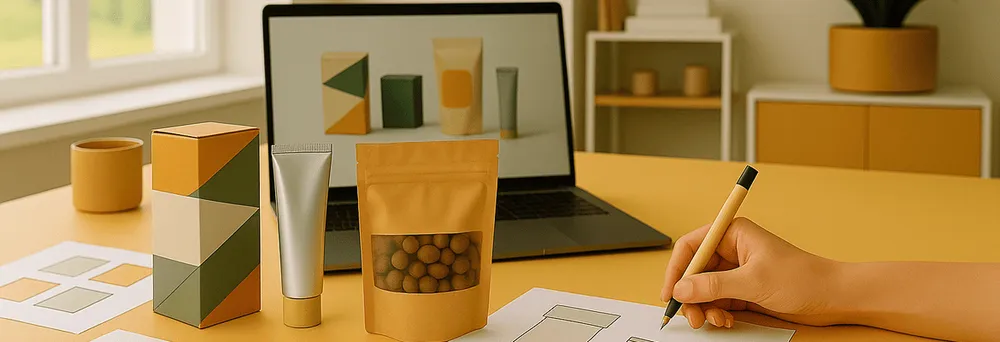
Packaging design is highly strategic. The goal is to design a product's packaging by integrating aesthetic, technical, functional, and marketing considerations. It involves creating a medium that effectively protects the product, captures consumer attention, and conveys brand values.
This process encompasses two complementary dimensions: structural design (form, materials, ergonomics) and graphic design (typography, colours, illustrations, visual elements). Together, they create a cohesive and fitting packaging design that stands out in a competitive environment.
Design and packaging also consider the entire product lifecycle: production, packaging, logistics, retail display, and user experience. It plays a pivotal role in product perception and purchase decisions.
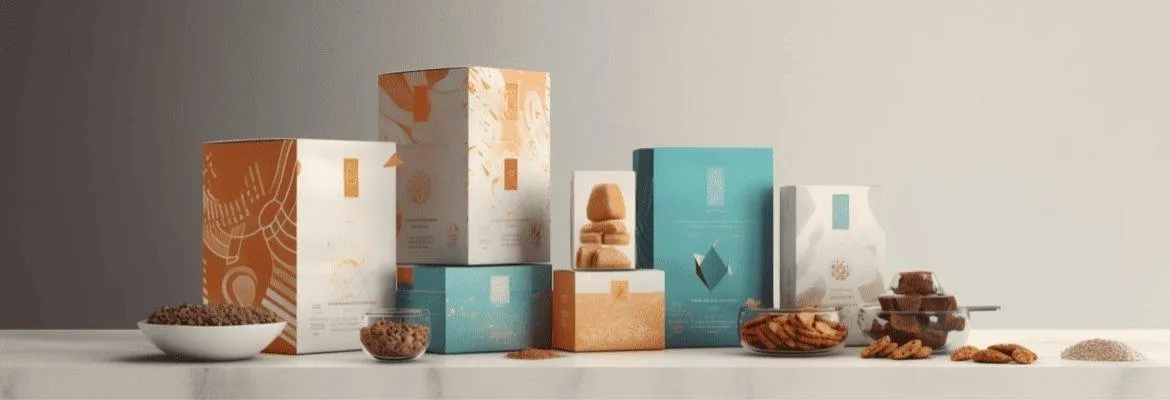
In the case of packaging box design, the aim is to design boxes that are both robust, practical, and aesthetically pleasing, in line with both technical constraints and brand image. Finally, design inspiration packaging relies on visual, cultural, or sectoral trends to propose innovative concepts aligned with market expectations.
Essential functions of design packaging
Design packaging is not just about the visual appearance of a package; it serves several strategic functions that directly influence product perception, consumer engagement, and commercial performance. Here are the main missions of packaging design:
1. Attracting attention
On a crowded shelf or on an e-commerce platform, packaging is often the initial point of contact between a brand and a customer. Successful design packaging instantly grabs attention through a compelling use of colours, contrasts, typography, and visual composition. It's a key differentiator in a competitive environment, where the design and packaging approach can create a harmonious and striking visual, aligning with brand identity.
2. Communicating brand values
Packaging acts as a true medium of expression. It reflects your brand's positioning, style, and commitments. A clean, monochrome packaging box design could evoke ideas of elegance or sustainability, whilst a bright, illustrative visual reflects creativity, accessibility, or the playful aspect of a product. Here design inspiration packaging plays a central role, allowing ideas, emotions, and values to be translated into visual language.
3. Informing the consumer
Good design and packaging also integrate an informative dimension. The packaging must clearly present essential information: product name, composition, usage instructions, expiration dates, labels, and certifications, while respecting current legal standards. well-designed packaging design facilitates understanding, reinforces transparency, and inspires trust.
4. Protecting the product
The protective function is a fundamental aspect of packaging design. Packaging must ensure the product's integrity throughout its logistic chain: transport, storage, handling, and opening. It must be tailored to the specific constraints of the product (fragility, temperature, humidity, etc.). Packaging box design helps to finding the right balance between sturdiness, technical materials, and aesthetics.
5. Improving the user experience
Finally, design packaging optimises the interaction between the product and the consumer. An easy opening, ergonomic shape, practical closure, or integrated functionality (pour spout, handle, freshness indicator...) are elements that enhance usage and strengthen satisfaction. A well-thought-out design thus becomes a factor in brand loyalty, making the overall experience smoother and more enjoyable.
The creation process of design packaging
Creating effective design packaging isn't something that can be improvised. It is a structured process that combines strategic thinking, visual creativity, and technical constraints. Each stage aims to conceive relevant, innovative packaging aligned with your brand’s objectives. Here are the main phases of the packaging design process:
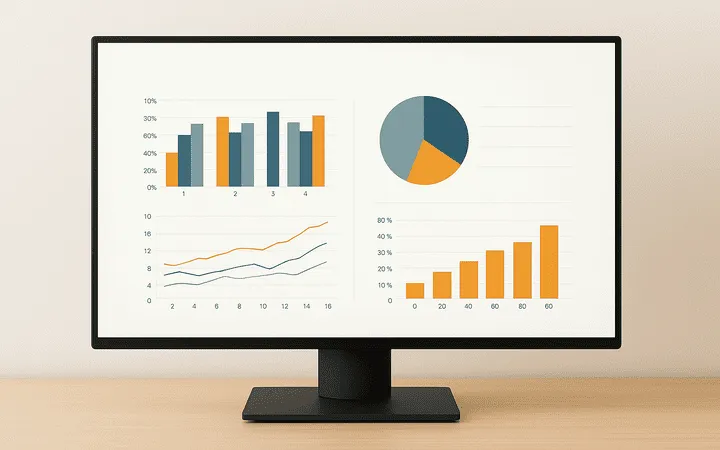
1. Product and market analysis
Before production starts, it is crucial to establish the strategic foundations of the project. This begins with an in-depth analysis of the product: its characteristics, format, technical constraints (fragility, temperature, lifespan, etc.), and its competitive environment.
This phase also includes studying the target audience: their expectations, buying habits, and values. Effective design and packaging must align with consumer behaviour in both physical stores and e-commerce sites.
Furthermore, observing current market trends, innovations in packaging box design, and prevailing (or counter-culture) visual cues helps to fuel inspiration and inform your creative strategy. Design inspiration packaging often draws from these subtle signals to create distinctive packaging.
2. Graphic and structural design conception
Once the objectives are clarified, developers can move on to the design phase, which is divided into two complementary parts:
The structural design defines the shape of the packaging, its opening, materials, dimensions, protection capabilities, and practicality. In the case of packaging box design, this also involves specific technical choices (type of folding, automatic assembly, printing options, etc.).
The graphic design creates the visual identity of the packaging: logo, colours, typography, illustrations, decorative elements, and the layout of information. The aim is to ensure a strong visual harmony capable of reflecting the brand's values and captivating the consumer at first glance.
This stage requires a delicate balance between creativity, functionality, and adherence to industrial constraints while focusing on effective design packaging. Combining structural integrity with appealing aesthetics results in an optimal design and packaging solution that enhances product presentation and marketability.
3. Prototyping
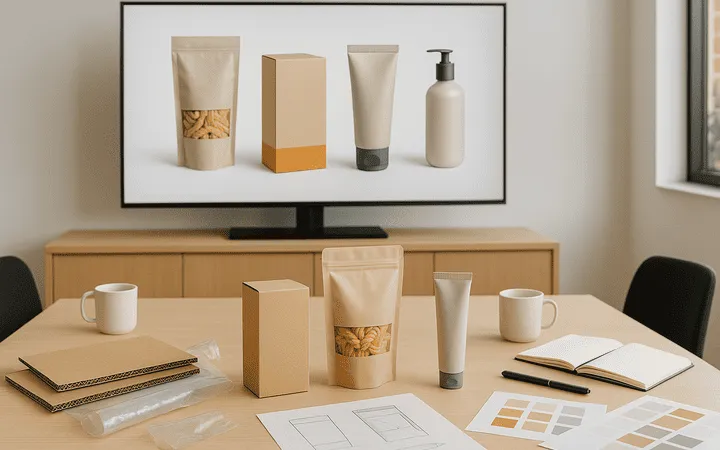
Before launching large-scale production, it is essential to undergo the prototyping phase. This step allows ideas to be materialised and tests the coherence of the design under real conditions.
The prototype is evaluated based on several criteria: physical durability, readability, ergonomics, aesthetics, ease of integration into the logistic chain, and compatibility with filling and labelling machines. It also serves as a platform for internal presentations, user testing, or client validations.
This stage is crucial in avoiding costly mistakes and making adjustments to the packaging design if necessary, ensuring the final design packaging is both functional and visually appealing. Effective packaging box design emerges from thorough prototyping, ultimately contributing to better a design.
4. User testing
Target audience testing is an often underestimated yet essential step. The goal is to observe how consumers interact with the packaging: do they find it easy to understand? Is it visually appealing to them? Can they open it without difficulty? Does the packaging convey the right brand messages?
The feedback gathered allows for the identification of weaknesses, pain points, or, conversely, differentiating factors. This phase adds a human and qualitative dimension to design and packaging, which cannot rely solely on internal or technical decisions. Effective packaging design emerges through understanding user interactions, ensuring that both design inspiration packaging and functionality meet consumer expectations.
5. Launch and monitoring
Once the final design is validated, production can commence and the packaging can be launched into the market. However, the work does not stop there. Monitoring is essential to measure the performance of the new design packaging through key indicators: impact on sales, recognition rates on shelves, customer feedback, logistics return rates, brand perception, and more.
The data collected allows for strategic adjustments, optimising future versions, and anticipating market developments. This continuous improvement approach is central to modern practices in design inspiration packaging, ensuring that both current and future packaging design remains effective and aligned with consumer expectations.
Packaging design trends for 2025
In a context where consumer expectations are rapidly evolving, design packaging is continuously being reinvented. Innovation, sustainability, user experience, and brand coherence are at the heart of current innovation. Here are the key trends currently shaping the world of packaging design.
1. Minimalism
Among the major current trends, minimalism stands out as a dominant style in design and packaging. It relies on clean visual elements, a clear hierarchy of information, and understated graphic choices. Neutral colours, fine typography, solid backgrounds, and white spaces convey a desire for authenticity and clarity.
This type of packaging design inspires confidence, reflects a premium image, and meets the need for readability, particularly on digital platforms. It also appeals to a generation of consumers seeking transparency and purpose behind their purchases, making effective design inspiration packaging increasingly vital.
2. Eco-design
Environmental considerations are now essential in any packaging design project. Brands are increasingly turning to recycled, recyclable, or biodegradable materials, reducing the size of packaging, and favouring lighter structures that are optimised for logistics and sorting.
When developing folding box designs, manufacturers can evaluate printing inks, varnishes, die-cutting layouts and closure systems according to their technical and material requirements. Options may include vegetable oil-based inks, varnishes with specified solvent compositions and closure designs that do not require separate adhesive components. The arrangement of folding box blanks on a printing sheet can also influence the amount of offcut material generated during production. Any claimed material savings or environmental advantages should be supported by a defined comparison and relevant production data.
3. Visual storytelling
Packaging is no longer just about being aesthetic or practical; it tells a story. Design inspiration packaging draws on storytelling to create a visual narrative around the product. This can manifest through handmade illustrations, engaging slogans, explanatory pictograms, or narrative elements integrated into the design.
Some packages also incorporate QR codes that lead to immersive content: videos on artisanal production, founder testimonials, or CSR commitments. This trend enhances the connection between the brand and its audience.
4. Personalisation
Thanks to digital printing and the use of customer data, personalised packaging design is becoming increasingly accessible. It is now possible to offer packaging featuring a name, a specific message, or a design tailored to a targeted campaign.
This trend aligns with a strategy of engagement and differentiation. Limited editions, interactive packaging, or bespoke designs elevate the customer experience, encourage sharing on social media, and enhance brand recall. Effective design and packaging through personalisation allows brands to resonate more deeply with their audience.
5. Digital integration
With the rise of connected technologies, design packaging is becoming a truly interactive medium. QR codes, NFC chips, and augmented reality are integrating packaging into a digital ecosystem that enriches the consumer experience.
These solutions provide access to supplementary information (such as ingredients, tutorials, and recycling guidelines), enable quick customer service, and facilitate interaction with the brand through exclusive content. This evolution further aligns design and packaging with your broader brand strategy, demonstrating how innovative packaging design can enhance engagement and enhance the consumer's relationship with the brand.
Mistakes to avoid in packaging design
Creating effective design packaging requires more than just an aesthetic sense; it involves expertise, rigor, and a strategic vision. Certain errors, often underestimated, can undermine the effectiveness of the packaging, affect brand perception, or even lead to legal compliance issues. Here are the main mistakes to avoid in a packaging design project.
1. Visual overload: too much information kills impact
One of the most common mistakes in design packaging is attempting to convey too much. Stacking information, mixing excessive typographies, or multiplying visuals can harm readability and obscure your message.
A good design and packaging approach relies on a clear hierarchy: which elements should catch the eye first? What information is essential? Leaving visual breathing room allows key messages to stand out more effectively. Simplicity, often inspired by current packaging design trends, enhances impact.
2. Non-compliance with regulations: a risk not to be overlooked
Each sector (food, cosmetics, pharmaceuticals, etc.) is governed by specific legal obligations regarding labelling, pictograms, mandatory mentions, and readability. Neglecting these rules can lead to penalties, product recalls, or a loss in consumer trust.
A good packaging box design incorporates these constraints from the outset during the conception phase. It is essential to work closely with regulatory experts to ensure compliance, thereby enhancing the credibility and effectiveness of your design and packaging strategy.
3. Lack of user testing: theoretical packaging is not enough
A package may appear functional on screen or in prototype form, but could present practical issues during use: difficult to open, fragile, unintuitive, or even confusing.
User testing is essential to validate the effectiveness of your design packaging in real-world conditions. Observing reactions, gestures, and misunderstandings allows for adjustments to the concept before market launch. Packaging design is not static; it evolves based on real-world feedback and consumer interactions.
4. Inconsistency with brand identity: a muddled message
A design and packaging strategy that does not reflect the brand's universe can create confusion or dilute its image. Packaging that is too disconnected, even if aesthetically appealing, risks failing to resonate with your target audience and may harm product perception.
Packaging design must align with your brand's visual identity, positioning, tone, and values. This does not imply limiting creativity—but that your design inspiration packaging should fit within a clear and coherent brand continuity, ensuring that your messaging remains strong and focused.
Conclusion: Design packaging as a strategic differentiation lever
Packaging design is much more than just product packaging: it embodies brand identity, influences purchasing decisions, enhances the user experience, and addresses logistical, regulatory, and environmental challenges. A successful packaging design effectively balances aesthetics, functionality, and strategic insight.
In an increasingly competitive landscape, with the rise of short supply chains and the digitalisation of purchasing journeys, businesses have every incentive to invest in thoughtful design and packaging that aligns with their customers' expectations and also market trends.
Whether it's about creating a bespoke packaging box design, integrating sustainable innovations, or drawing from the latest design inspiration packaging trends, every design decision matters. Adopting a structured, user-centered approach that is open to experimentation lends to high-performing, responsible, and memorable packaging.
Best practices in packaging design
✔ Always start with a thorough product/market analysis
Understanding user needs, technical constraints, and industry trends is essential to guide the design process.
✔ Prioritize information to ensure readability
Less is often more: avoid visual overload and focus on delivering a clear, impactful message.
✔ Balance aesthetics and functionality
Packaging should be visually appealing, but also effectively protect the product and be easy to use.
✔ Comply with current regulations
Ensure legal compliance (mandatory information, pictograms, labelling standards) from the design phase onwards.
✔ Test in real-world conditions
Prototypes, user testing, and real feedback help to prevent costly mistakes upon launch.
✔ Remain consistent with your brand's DNA
Each piece of packaging should reflect your brand's visual universe and values while remaining easily identifiable.
✔ Consider material efficiency and recycling requirements from the outset
Select packaging materials according to the intended application, assess opportunities to optimise dimensions and material use, and consider the recyclability of the complete packaging construction. Environmental claims should refer to specific, verifiable material or design characteristics.
✔ Monitor and adjust after launch
Measure the effectiveness of your packaging (sales, perception, customer feedback) to facilitate continuous improvement.