





 BY Judith Enger IN Industry knowledge
Compliance and Regulatory Standards in Packaging
Introduction to Packaging Compliance
In today's global marketplace, packaging compliance and regulatory standards are essential for businesses across all industries. From food products to cosmetics, pharmaceuticals to industrial goods, proper packaging isn't just about protecting and presenting products—it's about meeting legal requirements designed to ensure consumer safety, environmental protection, and accurate product information. Compliance failures can result in costly product recalls, legal penalties, market access restrictions, and damage to brand reputation and consumer trust.

Packaging compliance covers material safety, environmental impact, labelling requirements, and specific industry regulations. For businesses, following these standards isn't optional—it's a basic part of responsible operations and legal market access. The rules are always changing as science advances and public concerns about safety grow.
At Labelprint24, we understand how important regulatory compliance is in packaging. Our printed labels and packaging solutions are made with compliance in mind, helping businesses meet regulatory requirements whilst keeping their brand identity. With years of experience serving many industries, we've become experts in creating packaging that looks good and meets the complex regulations for different markets and product types.
Key Regulatory Bodies and Standards
Understanding which regulatory bodies govern packaging standards is the first step towards compliance. These authorities establish and enforce rules that vary by region, product type, and intended use. Here's an overview of the major regulatory frameworks that impact packaging decisions:
Global Regulatory Frameworks
Packaging regulations vary significantly across different countries and regions, creating a complex landscape for businesses operating internationally. Major global frameworks include:
- European Union (EU): The EU has some of the most comprehensive packaging regulations globally, including the Packaging and Packaging Waste Directive (94/62/EC), which sets standards for packaging composition, recyclability, and waste reduction. The EU also enforces the REACH regulation (Registration, Evaluation, Authorisation and Restriction of Chemicals), which addresses chemical safety in all products, including packaging materials.
- FDA (Food and Drug Administration): In the United States, the FDA regulates food packaging materials through food contact substance notifications and indirect food additive regulations. The FDA's requirements focus primarily on ensuring that packaging materials don't transfer harmful substances to food products during storage and use.
- ISO Standards: International Organisation for Standardisation provides globally recognised standards for packaging, including ISO 22000 for food safety management systems. These voluntary standards often become de facto requirements for international trade and can help demonstrate compliance with regulatory requirements.
Industry-Specific Regulations
Different industries face unique packaging requirements based on their products' nature:
Food and Beverage: Regulations focus on material safety, migration limits, and proper labelling. Our gin labels and sparkling wine labels are designed to meet these specific requirements. Food packaging regulations are particularly strict because of the direct contact with consumable products and typically include requirements for allergen warnings, nutritional information, and storage instructions.
Pharmaceuticals: Strict requirements for tamper-evident features, child-resistant packaging, and detailed product information. Pharmaceutical packaging must also maintain product stability throughout its shelf life and include clear instructions for proper dosage and administration to ensure patient safety.
Cosmetics: Regulations address ingredient listings, product claims, and safety information. Our transparent cosmetic labels are specifically designed to meet these standards. Cosmetic packaging regulations often require clear indication of product volume or weight, period-after-opening symbols, and complete ingredient lists using standardised nomenclature.

Industrial Products: Requirements for hazard communication, transport safety, and material compatibility. Industrial packaging regulations often include specific requirements for hazardous materials, including standardised warning symbols, handling instructions, and emergency response information.
Environmental Regulations
Environmental concerns have led to increased regulation of packaging materials and waste:
- Extended Producer Responsibility (EPR): Many regions now require manufacturers and retailers to take responsibility for the end-of-life management of packaging. These programmes typically involve financial contributions to recycling systems based on the amount and type of packaging placed on the market. Some jurisdictions have implemented modulated fees that incentivise more recyclable packaging choices.
- Plastic Packaging Taxes: Several countries have implemented or are considering taxes on non-recycled plastic packaging. For example, the UK Plastic Packaging Tax applies to packaging with less than 30% recycled content, creating a financial incentive to incorporate recycled materials.
- Recycling Standards: Requirements for recyclability labelling and minimum recycled content. These regulations aim to improve the circularity of packaging materials and reduce reliance on virgin resources. Some regions have implemented standardised recycling symbols to help consumers properly dispose of packaging.

At Labelprint24, we offer recyclable packaging options that help businesses meet these environmental regulations whilst maintaining product integrity and brand appeal. Our packaging solutions are designed to balance environmental responsibility with practical considerations like product protection, shelf life, and consumer convenience.
Material Safety and Compliance
Ensuring the safety of packaging materials is a fundamental aspect of regulatory compliance, particularly for items that come into direct contact with food, pharmaceuticals, or cosmetics. Material safety regulations aim to protect consumers from potential chemical migration, contamination, or adverse reactions.
Food-Contact Materials
For food packaging, safety is paramount. Regulations focus on:
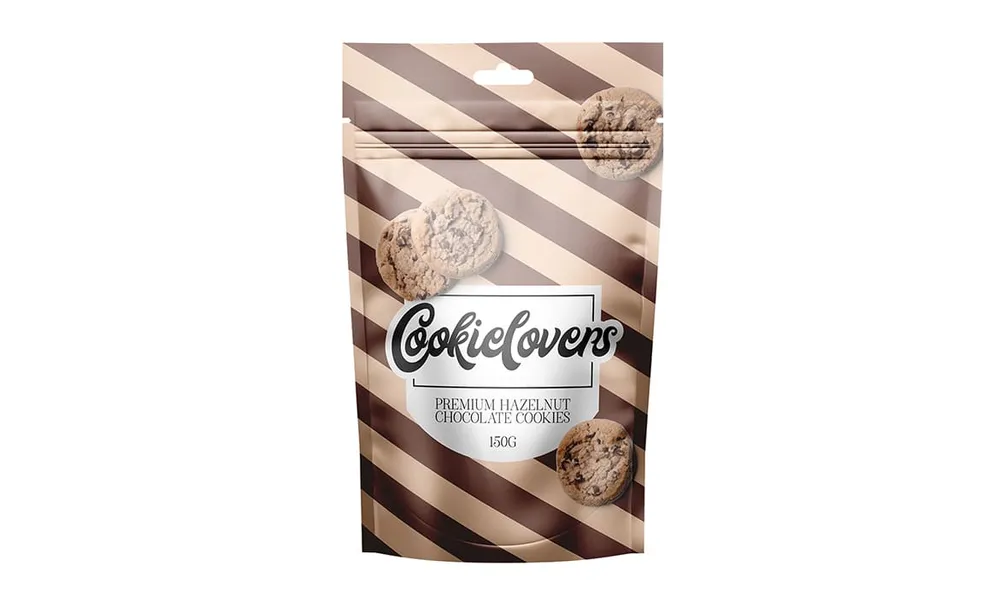
- Migration Limits: Restrictions on chemicals that can transfer from packaging to food. These limits are typically expressed as maximum quantities allowed to migrate per unit of food or food contact surface. Testing methods are standardised to ensure consistent evaluation of migration potential under various conditions that simulate real-world use.
- Approved Substances: Lists of materials and additives permitted for food contact. Regulatory bodies maintain positive lists of approved substances that have been evaluated for safety in food contact applications. New materials must undergo rigorous safety assessments before being added to these lists.
- Testing Requirements: Protocols for verifying safety and compliance. These may include migration testing, overall migration limits, specific migration limits for certain substances, and sensory evaluations to ensure packaging doesn't alter food taste, odour, or appearance.
Our food-grade stand-up pouches are designed to meet these strict requirements, being food-safe, odourless, and tasteless, with appropriate barrier properties for different food types. These pouches undergo rigorous testing to ensure they maintain food safety and quality throughout the product's shelf life under various storage conditions.
Heavy Metals and Chemicals Regulations
Various regulations limit the presence of potentially harmful substances in packaging:
Many rules limit heavy metals like lead, mercury, cadmium, and hexavalent chromium in packaging. The limit is often 100 parts per million (p pm) for all these metals combined. There are also restrictions on chemicals like phthalates (which make plastics flexible) and BPA (Bisphenol A) in food contact materials. Some places have banned BPA in baby bottles and infant food packaging. Newer regulations are starting to restrict PFAS chemicals (often used in grease-resistant food packaging) because they don't break down in the environment and might cause health problems.
Material Documentation and Certification
Proper documentation is essential for demonstrating compliance:
Companies need several important documents to show their packaging is safe and compliant. Material Safety Data Sheets (MSDS) provide detailed information about what's in the packaging materials and any safety concerns. Declarations of Compliance are formal statements that confirm the packaging meets specific regulations. Test reports from laboratories verify that the materials pass safety and performance tests. At Labelprint24, we keep complete documentation for all our packaging materials, which helps our customers prove they're following the rules. We can trace materials from their source through production, giving businesses confidence in their packaging compliance.
Labelling Requirements and Standards
Proper labelling is a critical component of packaging compliance, providing essential information to consumers and ensuring regulatory requirements are met. Labelling regulations vary by product type, industry, and market, but generally aim to ensure consumers have access to accurate, complete information about the products they purchase.
Mandatory Information Requirements
Depending on the product type and market, labels must include specific information:
Product Identification: Product name, manufacturer details, batch codes. These elements allow for product traceability throughout the supply chain and enable consumers to identify the responsible party in case of questions or concerns. Batch codes are particularly important for facilitating targeted recalls if safety issues arise.
Content Information: Ingredient lists, net quantity, allergen warnings. Food products typically require comprehensive ingredient listings in descending order of weight, with allergens highlighted or emphasised. Net quantity must be displayed in standardised units and meet minimum font size requirements for visibility.
Safety Information: Hazard symbols, warning statements, first aid instructions. These elements are particularly important for products containing potentially harmful substances. Standardised hazard pictograms and signal words help communicate risks consistently across language barriers.
Usage Instructions: Preparation methods, dosage, storage requirements. Clear instructions help ensure products are used safely and effectively. For food products, proper storage information is crucial for maintaining safety and quality throughout the product's shelf life.
Environmental Information: Recycling symbols, disposal instructions. These elements help consumers properly dispose of packaging materials. Many jurisdictions require standardised recycling symbols that indicate material type and recyclability.
Our barcode and QR code labels help businesses meet product identification requirements, whilst our industrial labels are designed to withstand harsh conditions whilst maintaining regulatory compliance. These labels are manufactured with durable materials and adhesives that ensure information remains legible throughout the product lifecycle.
Industry-Specific Labelling Standards
Different industries have unique labelling requirements:
Food labels need nutritional information, allergen warnings, and expiration dates. The format is usually standardised, with rules about how to show nutrition facts, ingredients, and dates. Many places also require country of origin information for certain foods.
Pharmaceutical labels must show active ingredients, dosage information, and side effects very precisely. They often need to follow specific formats and include certain warning statements depending on the type of medication.
Chemical product labels use standardised hazard pictograms, signal words like "Danger" or "Warning," and safety statements. Many follow the Globally Harmonised System (GHS) for classification and labelling, which makes hazard communication consistent across different countries.
Consumer product labels need safety warnings, usage instructions, and country of origin information. The exact requirements depend on the product type, but generally focus on providing information needed for safe, effective use.
Barcode and Tracking Requirements
Modern supply chains often require standardised identification systems:
UPC/EAN Codes: Standard retail barcodes for point-of-sale scanning. These linear barcodes are regulated by GS1, the global standards organisation that manages barcode specifications. Proper registration and format compliance are essential for ensuring scanability across different retail systems.
QR Codes: Two-dimensional codes linking to digital information. QR codes can store significantly more information than traditional barcodes and are increasingly used to provide consumers with additional product details, authentication information, or interactive experiences. When used for regulatory purposes, the linked information must remain accessible throughout the product's shelf life.
RFID Tags: Radio frequency identification for automated tracking. RFID technology enables contactless scanning and can be used for inventory management, anti-counterfeiting measures, and supply chain visibility. Regulatory requirements for RFID in packaging vary by industry and region.
Serialisation: Unique identifiers for product authentication and tracking. Serialisation is increasingly required for pharmaceuticals and other high-value or sensitive products to combat counterfeiting and facilitate targeted recalls. These systems typically involve unique codes on each package that can be verified through databases.
Labelprint24 offers thermal transfer ribbons and printing solutions to ensure clear, scannable barcodes and tracking information that meet industry standards. Our high-quality printing materials and technologies ensure optimal readability and durability for barcodes, even in challenging environments.
Environmental Compliance
Environmental regulations for packaging are becoming increasingly stringent as governments and consumers focus on reducing waste and conserving resources. These regulations aim to reduce waste, conserve resources, and minimise the environmental impact of packaging throughout its lifecycle. Businesses must navigate a complex landscape of requirements that varies by region but generally trends towards greater environmental responsibility.
Recyclability and Material Selection
Regulations increasingly address the recyclability of packaging materials:
Material Restrictions: Bans or limitations on difficult-to-recycle materials. Many jurisdictions have implemented or are considering restrictions on materials like expanded polystyrene, PVC, and multi-layer composites that are challenging to recycle in existing systems. These restrictions may take the form of outright bans, taxes, or extended producer responsibility fees that create economic incentives to choose more recyclable alternatives.
Design for Recyclability: Requirements for packaging that can be easily processed in existing recycling systems. Regulations increasingly focus not just on material selection but on overall package design, including separability of components, compatibility with sorting technology, and avoidance of contaminants that disrupt recycling processes. Some regions have developed standardised guidelines for recyclable packaging design.
Recycled Content Mandates: Minimum percentages of recycled materials in new packaging. Several jurisdictions have implemented or proposed requirements for minimum recycled content, particularly for plastic packaging. These mandates aim to create market demand for recycled materials and reduce reliance on virgin resources. Verification systems are being developed to authenticate recycled content claims.

Our FEFCO 0401 corrugated boxes are 100% recyclable, helping businesses meet environmental regulations whilst providing robust protection for their products. Made from renewable resources and designed for easy recycling in existing paper recovery systems, these boxes represent a responsible packaging option with excellent environmental credentials.
Extended Producer Responsibility (EPR)
Many regions are implementing EPR schemes that make producers responsible for the end-of-life management of packaging:
EPR programmes charge fees based on how much packaging a company puts on the market and what kind it is. Hard-to-recycle materials cost more. The money funds collection and recycling systems. Some programmes require companies to physically take back packaging or make sure there are good collection systems in place. This might mean setting up collection points or joining industry-wide collection programmes. Companies also have to report detailed information about their packaging, including material types, weights, and sometimes recyclability features. These reporting requirements can be complicated for businesses that operate in multiple countries with different reporting formats and schedules.
Environmental Claims Prevention
Regulations also address environmental marketing claims:
Rules about environmental claims are getting stricter. Companies need scientific evidence to back up green claims, which must be specific and verifiable. Vague terms without proof may be considered misleading. Many places have specific criteria for terms like "recyclable," "biodegradable," or "compostable." For example, calling something "compostable" might require certification showing it breaks down within a certain time in industrial composting conditions. Third-party certification programmes verify environmental claims independently. These include recyclability certifications, compostability certifications, and responsible forestry certifications for paper packaging. These programmes help prevent false claims by making sure products meet established standards.
At Labelprint24, we help businesses navigate these environmental regulations by offering packaging options with appropriate documentation and clear environmental information. Our team stays current with evolving environmental regulations to provide guidance on compliant packaging solutions that align with environmental goals.
Industry-Specific Packaging Regulations
Different industries face unique packaging regulations based on their products' nature and associated risks. These specialised requirements address the particular challenges and hazards related to specific product categories, ensuring appropriate protection, information, and safety measures are in place. Understanding these industry-specific regulations is essential for businesses operating in these sectors.
Food and Beverage Packaging
Food packaging faces some of the strictest regulations due to direct product contact:
Material Safety: Strict controls on substances that can migrate into food. Food packaging regulations establish positive lists of approved materials and specific migration limits for various substances. These limits are typically based on toxicological evaluations and safety assessments. Testing must simulate real-world conditions, including temperature, contact time, and food type (acidic, fatty, alcoholic, etc.).

Allergen Labelling: Clear identification of common allergens. Food packaging must clearly identify the presence of common allergens, either in the ingredient list or through separate allergen statements. These requirements vary by region but typically cover major allergens like milk, eggs, peanuts, tree nuts, fish, shellfish, soy, and wheat. Some jurisdictions require allergens to be emphasised through bold text, capitalisation, or other formatting.
Nutritional Information: Standardised formats for nutritional data. Many regions require standardised nutrition facts panels with specific formatting, content, and calculation methods. These requirements aim to help consumers make informed dietary choices and compare products consistently. Digital links or QR codes may supplement on-pack information in some jurisdictions.
Date Marking: Requirements for expiration and best-before dates. Food packaging typically requires clear date marking to indicate shelf life. The specific format and terminology vary by region, with some distinguishing between "use by" dates (for safety) and "best before" dates (for quality). Date marking must be clear, legible, and placed in a consistent location on packaging.
Our sparkling wine labels and gin labels are designed to meet the specific labelling requirements of the beverage industry, including alcohol content, volume information, and health warnings. These labels are produced with food-grade materials and inks suitable for beverage container applications, ensuring compliance with relevant safety regulations.
Pharmaceutical and Medical Packaging
Pharmaceutical packaging must meet stringent requirements for safety and information:
Pharmaceutical packaging needs special tamper-evident features that show if a package has been opened. These help protect people from dangerous tampering and include seals or special closures that visibly show if someone has opened the package before.
Many medicines and hazardous household products need child-resistant packaging that stops young children from opening them whilst still allowing adults to use them. These packages must pass tests showing that most children can't open them but most adults can.
Many countries now require unique identification codes on medicine packages to fight counterfeiting and make recalls easier. These systems use both human-readable codes and machine-readable elements like barcodes, connected to secure databases for verification.
Pharmaceutical packaging must include detailed information about proper use, dosage, warnings, side effects, and storage requirements. This information must be easy to understand and may need to be in multiple languages depending on where the product is sold.
Cosmetics Packaging Regulations
Cosmetics packaging must address both safety and marketing claims:
Ingredient Listing: Complete declaration of ingredients in standardised nomenclature. Cosmetic regulations typically require a complete list of ingredients using standardised names (often INCI - International Nomenclature of Cosmetic Ingredients). These lists must appear in a consistent location and format, with ingredients generally listed in descending order of concentration. Certain ingredients may require special highlighting due to potential allergenic or sensitising properties.
Product Claims: Substantiation requirements for efficacy and benefit statements. Claims about cosmetic benefits must be supported by appropriate evidence, which may include scientific studies, laboratory testing, or consumer trials depending on the nature of the claim. Regulations increasingly focus on preventing misleading claims and ensuring consumers have accurate information about product performance.
Safety Information: Warnings and precautions for proper use. Cosmetic packaging must include any necessary warnings about proper use, potential risks, or contraindications. This may include statements about avoiding eye contact, patch testing for sensitive skin, or keeping products away from children. Some ingredients require specific warning statements under various regulatory frameworks.

Shelf Life: Period-after-opening symbols and expiration information. Cosmetics typically require indication of shelf life, often through a "period after opening" (PAO) symbol showing how long the product remains safe after first use. Products with stability concerns may require explicit expiration dates and storage instructions to maintain safety and efficacy.
Our transparent cosmetic labels provide the perfect combination of regulatory compliance and aesthetic appeal, allowing the product to shine through whilst conveying all required information. These labels are designed with cosmetic-appropriate adhesives and materials that maintain their appearance and performance in bathroom environments with fluctuating humidity and temperature.
Industrial and Chemical Packaging
Industrial packaging must address safety hazards and transport regulations:
Hazard Communication: Standardised symbols and warning statements. Industrial chemicals typically require standardised hazard pictograms, signal words, and hazard statements following the Globally Harmonised System (GHS) or regional equivalents. These elements must be prominently displayed and properly formatted to ensure clear communication of potential dangers, regardless of language barriers.
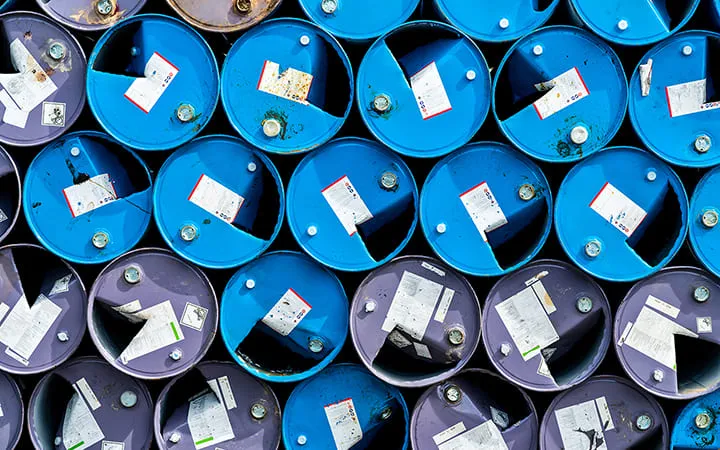
Transport Regulations: Requirements for shipping hazardous materials. Packaging for dangerous goods must meet specific performance standards based on the material's hazard classification. These requirements address issues like impact resistance, pressure tolerance, and leakproofness. Proper labelling with standardised transport hazard diamonds and UN identification numbers is also mandatory.
Chemical Identification: Clear marking of contents and hazards. Industrial chemical packaging must clearly identify the contents using proper chemical names rather than just brand names. For hazardous materials, this includes specific hazard classifications and concentration information that helps emergency responders assess risks and determine appropriate response measures.
Emergency Information: Contact details and response procedures. Packaging for industrial chemicals typically requires emergency contact information and basic first aid or spill response guidance. This information must be prominently displayed and remain legible throughout the product's use, even in harsh industrial environments.
Our industrial labels are designed to withstand harsh conditions whilst clearly communicating essential safety and regulatory information. Manufactured with chemical-resistant materials and high-performance adhesives, these labels maintain legibility and adherence even when exposed to extreme temperatures, moisture, chemicals, and abrasion.
Packaging Structure and Design Compliance
Beyond materials and labelling, regulations also address the physical design and structure of packaging. These requirements ensure that packaging performs its essential functions of product protection, containment, and usability whilst minimising safety risks to consumers and environmental impact. Structural compliance considerations vary by product type, target user, and intended use environment.
Structural Safety Requirements
Packaging must protect both the product and those handling it:
Load-Bearing Capacity: Requirements for packaging to withstand stacking and handling. Transportation and storage often involve stacking packages, requiring sufficient compression strength to maintain integrity. Standards typically specify minimum performance criteria under various conditions, including humidity exposure and vibration. Testing protocols simulate real-world supply chain conditions to ensure packaging remains intact throughout distribution.
Drop Resistance: Ability to protect contents from impact damage. Packaging must withstand typical handling impacts without allowing product damage. Drop test protocols specify drop heights, impact orientations, and performance criteria based on product fragility and distribution environment. E-commerce packaging often faces particularly stringent drop resistance requirements due to the nature of parcel handling.


Closure Security: Proper sealing to prevent accidental opening or tampering. Packaging closures must remain secure during normal handling whilst allowing appropriate access by the intended user. This includes considerations for adhesive strength, friction fit components, and mechanical closures. For certain products, child-resistant or senior-friendly closure performance is also regulated.
Stability Standards: Requirements for standing displays and hanging items. Retail packaging often needs to stand stably on shelves or hang securely on display hooks. Standards may address tipping resistance, hook strength, and overall structural integrity under retail display conditions. These requirements help prevent in-store accidents and product damage.
Our hanging boxes with crash lock base and return boxes feature automatic bottoms that provide enhanced stability and meet structural safety requirements. These innovative designs combine ease of assembly with excellent structural integrity, providing reliable protection for products whilst simplifying packing operations.
Accessibility and User-Friendly Design
Many regions have requirements for packaging accessibility:
As more people get older, packaging rules are starting to focus on making things easier for seniors who might not have as much strength, dexterity, or good vision as younger people. There are tests to check if packaging is easy to open, if instructions are readable, and if older adults can use it well. Some places have specific standards for senior-friendly packaging, especially for important items like medicines and food.
Accessibility rules might require packaging that people with various disabilities can use. This could include raised markings for people who can't see well, good colour contrast for those who have trouble with colours, or opening mechanisms that don't need fine finger control. Universal design principles (making things usable by everyone) are becoming more important in packaging rules.
Rules might specify requirements for instructions on packaging, including minimum text size, language requirements, and the use of universal symbols everyone can understand. For complicated packaging, clear opening instructions help prevent frustration and possible product damage from trying to open it incorrectly.
For products where exact amounts matter, packaging might need to include measuring features or single-dose units. This is especially important for medicines, concentrated cleaning products, and certain foods where using too much or too little could be unsafe or make the product not work properly.
Child-Resistant Packaging
Certain products require special packaging to prevent access by children:
Child-resistant packaging rules usually refer to specific testing methods involving groups of children and adults. To meet child-resistant standards, packaging must stop a high percentage of children from getting inside within a certain time, whilst still being openable by most adults. These tests look at real-world performance rather than just mechanical specifications.
Rules specify which product categories need child-resistant packaging based on how toxic they are, how much harm they could cause, and whether they're typically found in homes. Common categories include prescription medicines, certain over-the-counter drugs, household chemicals, and products containing specific hazardous ingredients above certain levels.
Good child-resistant packaging must balance safety with usability, especially for seniors or people with disabilities. Some rules allow for non-child-resistant packaging in specific situations, such as when requested by a doctor for patients who can't operate child-resistant features.
Packaging with child-resistant features typically requires specific labelling to show this protection and provide proper opening instructions for adults. This helps make sure the safety features are used correctly and not compromised through improper handling or storage.
At Labelprint24, we help businesses navigate these structural requirements with packaging solutions that combine compliance, functionality, and brand appeal. Our design team works with customers to develop packaging that meets regulatory standards whilst delivering excellent user experience and product protection throughout the supply chain.
International Trade and Export Considerations
For businesses selling products internationally, packaging compliance becomes even more complex due to varying requirements across different markets. Successfully navigating global markets requires understanding and addressing diverse regulatory frameworks, cultural expectations, and logistical challenges. Strategic approaches to international packaging compliance can help businesses expand globally whilst managing complexity and cost.
Cross-Border Compliance Strategies
Successfully navigating international markets requires a strategic approach to packaging compliance:
Market Research: Understanding requirements in target export markets. Comprehensive market research should identify all relevant packaging regulations in destination countries, including material restrictions, labelling requirements, environmental obligations, and industry-specific standards. This research should consider both current requirements and pending regulatory changes that might affect future compliance. Trade associations, regulatory consultants, and government export assistance programmes can provide valuable insights into market-specific requirements.
Modular Approaches: Designing core packaging that can be adapted for different regions. Modular packaging strategies allow businesses to maintain consistent core packaging whilst adapting market-specific elements like labels, inserts, or outer packaging. This approach balances global brand consistency with local regulatory compliance whilst minimising the need for completely different packaging for each market. Digital printing technologies facilitate this approach by enabling cost-effective production of market-specific variations.
Multilingual Labelling: Incorporating multiple languages on packaging or using universal symbols. International packaging often requires information in multiple languages to serve diverse markets. Strategies include multilingual labels, booklet labels with expanded content, or market-specific overlabels applied during distribution. Universal symbols and pictograms can complement text-based information, improving understanding across language barriers whilst conserving limited label space.
Compliance Partners: Working with local experts in key markets. Local regulatory consultants, distributors, or legal advisors can provide invaluable expertise on market-specific requirements and cultural expectations. These partners can review packaging for compliance before market entry, reducing the risk of costly regulatory issues or consumer rejection. Establishing relationships with trusted partners in each significant market helps businesses stay current with evolving requirements.
Trade Documentation and Customs Requirements
International shipping requires specific documentation related to packaging:
Export declarations must include detailed information about packaging materials, weights, and dimensions. Customs authorities use this information to assess duties, verify compliance with import restrictions, and ensure proper handling during transit. Accurate packaging documentation helps prevent delays at borders and reduces the risk of inspections that could damage products or increase costs.
Many countries have specific requirements for wood packaging materials, including phytosanitary certificates for solid wood components and heat treatment certification for pallets and crates. The International Standards for Phytosanitary Measures (ISPM 15) provides globally recognised standards for wood packaging treatment to prevent pest transmission between countries.
Dangerous goods require special documentation including proper shipping names, hazard classifications, packing group assignments, and emergency response information. These requirements are harmonised internationally through organisations like the International Air Transport Association (IATA) and International Maritime Organisation (IMO), but specific documentation requirements may vary by transport mode and route.
Certificate of origin documentation may be required to qualify for preferential trade agreements or to comply with country-of-origin labelling requirements. These certificates typically require information about where products and packaging components are manufactured, which can be complex for products with global supply chains.
Cultural and Market Adaptation
Successful international packaging goes beyond regulatory compliance:
Colour preferences and meanings vary significantly across cultures. Colours that are considered attractive or appropriate in one market may have negative connotations in another. For example, white is associated with purity in Western cultures but with mourning in some Asian cultures. Understanding these cultural differences helps ensure packaging appeals to local consumers and avoids unintended negative associations.
Package sizes and formats that work well in one market may not suit another due to differences in storage space, shopping habits, or family sizes. European consumers might prefer smaller package sizes due to smaller living spaces and more frequent shopping trips, whilst American consumers might favour larger economy sizes. Understanding these preferences helps optimise packaging for market acceptance and profitability.
Distribution channels vary by market, affecting packaging requirements. Products sold through traditional retail channels might need different packaging than those sold online or through wholesale markets. In some markets, products might be sold in bulk and repackaged by retailers, requiring primary packaging that protects products during this additional handling step.
Climate considerations affect packaging performance requirements. Products shipped to tropical climates need packaging that can withstand high humidity and temperature fluctuations, whilst those going to cold climates might need protection against freezing temperatures. These environmental factors can affect material selection, barrier properties, and structural design requirements.
Implementation and Best Practices
Successfully implementing packaging compliance requires a systematic approach that integrates regulatory requirements into business processes. Effective compliance management involves planning, execution, monitoring, and continuous improvement to ensure ongoing adherence to evolving regulations whilst maintaining operational efficiency and cost-effectiveness.
Developing a Compliance Framework
A structured approach to packaging compliance helps ensure nothing is overlooked:
Regulatory Mapping: Creating comprehensive inventories of applicable regulations. Businesses should systematically identify all regulations that apply to their products, markets, and distribution channels. This mapping should include federal, state, and local requirements, as well as industry-specific standards and voluntary certifications that may be market expectations. Regular reviews ensure the mapping stays current with regulatory changes and business expansion.
Risk Assessment: Prioritising compliance activities based on risk levels. Not all compliance requirements carry equal risk. Businesses should assess the potential consequences of non-compliance, including financial penalties, product recalls, market access restrictions, and reputational damage. This risk assessment helps prioritise compliance investments and focus resources on the most critical requirements.
Process Integration: Embedding compliance checks into product development and packaging design processes. Compliance should be considered from the earliest stages of product development rather than being an afterthought. This integration includes compliance checkpoints in design reviews, supplier selection criteria that include regulatory compliance, and change management processes that assess compliance implications of modifications.
Documentation Systems: Maintaining comprehensive records of compliance activities. Proper documentation provides evidence of compliance efforts and facilitates regulatory inspections or audits. Documentation systems should include material specifications, test results, supplier certifications, regulatory correspondence, and compliance training records. Digital systems can improve accessibility and searchability of compliance documentation.
Supplier Management and Chain of Custody
Packaging compliance often depends on suppliers throughout the supply chain:
Supplier qualification processes should include thorough evaluation of regulatory compliance capabilities. This includes reviewing quality management systems, regulatory knowledge, testing capabilities, and track records with similar products. Suppliers should demonstrate understanding of relevant regulations and provide evidence of their own compliance management systems.
Supply agreements should clearly specify compliance requirements and responsibilities. These agreements should address material specifications, testing requirements, documentation needs, and change notification procedures. Clear contractual language helps prevent misunderstandings and provides recourse if compliance issues arise. Regular supplier audits verify ongoing compliance with contractual requirements.
Chain of custody documentation tracks materials and components from their source through finished packaging. This traceability is essential for demonstrating compliance with regulations like conflict minerals requirements, organic certifications, or country-of-origin rules. Robust traceability systems also facilitate targeted responses if compliance issues are identified.
Supplier performance monitoring should include compliance metrics alongside traditional quality and delivery measures. Regular review of supplier compliance performance helps identify potential issues before they become problems and recognises suppliers who consistently meet regulatory requirements. Poor compliance performance should trigger corrective action plans or supplier changes.
Testing and Validation Programmes
Regular testing validates compliance and identifies potential issues:
Testing programmes should be designed based on risk assessment and regulatory requirements. High-risk products or materials may require more frequent testing, whilst stable products with good compliance history might need less intensive monitoring. Testing frequency should also consider regulatory changes, supplier changes, and process modifications that might affect compliance.
Laboratory selection should consider accreditation, expertise, and testing capabilities relevant to specific regulatory requirements. Accredited laboratories provide greater confidence in test results and may be required for certain regulatory submissions. Laboratories should have experience with relevant test methods and stay current with regulatory changes that might affect testing requirements.
Internal testing capabilities can supplement external laboratory services and provide faster feedback during product development. Basic testing equipment for common compliance parameters can help identify potential issues early in the development process. However, internal testing should be validated against external laboratory results to ensure accuracy and reliability.
Test result interpretation requires understanding of regulatory requirements and potential variability in test methods. Results near regulatory limits may require additional testing or investigation to ensure reliable compliance. Trending of test results over time can identify potential issues before they result in non-compliance.
Training and Awareness
Effective compliance requires knowledgeable staff throughout the organisation:
Training programmes should be tailored to different roles and responsibilities within the organisation. Senior management needs strategic understanding of compliance implications, whilst technical staff need detailed knowledge of specific requirements. Sales and marketing staff need to understand claims substantiation requirements, and operations staff need to understand implementation requirements.
Regular training updates keep staff current with regulatory changes and company policy updates. Training should be documented to demonstrate compliance with any training requirements and to track individual competency development. Online training systems can facilitate consistent delivery and documentation of training programmes.
Cross-functional compliance teams can improve communication and coordination between different departments. These teams should include representatives from product development, quality assurance, regulatory affairs, procurement, and manufacturing. Regular meetings help identify potential compliance issues and coordinate response activities.
External training resources, including industry associations, regulatory agencies, and professional organisations, can supplement internal training programmes. These resources often provide updates on regulatory changes and best practices from across the industry. Conference attendance and professional certifications can help staff develop specialised expertise in regulatory compliance.
Future Trends in Packaging Compliance
The regulatory landscape for packaging continues to evolve rapidly, driven by environmental concerns, technological advances, and changing consumer expectations. Understanding emerging trends helps businesses prepare for future compliance requirements and make strategic decisions about packaging investments. Staying ahead of regulatory trends can provide competitive advantages and reduce the risk of costly compliance issues.
Digital Technologies and Smart Packaging
Technology integration is creating new compliance considerations:
Digital printing technologies are enabling more sophisticated variable information printing, including serialisation, personalisation, and region-specific compliance information. These technologies allow companies to produce compliant packaging for multiple markets on the same production line, reducing inventory requirements and improving flexibility. However, digital printing also requires careful management to ensure consistent quality and regulatory compliance across different production runs.
Smart packaging technologies, including RFID tags, QR codes, and near-field communication (NFC) chips, are creating new possibilities for regulatory compliance and consumer communication. These technologies can provide access to detailed product information, authentication features, and real-time supply chain visibility. Regulatory frameworks are beginning to address privacy, data security, and interoperability requirements for smart packaging technologies.
Blockchain technology is being explored for supply chain traceability and authenticity verification. Blockchain systems can provide immutable records of packaging materials, manufacturing processes, and distribution activities. These capabilities may become important for demonstrating compliance with regulations requiring supply chain transparency or anti-counterfeiting measures.
Artificial intelligence and machine learning are being applied to compliance monitoring and prediction. These technologies can analyse large datasets to identify potential compliance issues, predict regulatory changes, and optimise packaging design for compliance. AI systems may eventually assist with real-time compliance checking during manufacturing processes.
Circular Economy and Advanced Recycling
Environmental regulations are increasingly focusing on circular economy principles:
Chemical recycling technologies are expanding the range of materials that can be recycled, potentially changing regulations about recyclability claims and recycled content requirements. These advanced recycling methods can process materials that are difficult to recycle mechanically, such as mixed plastics and multi-layer materials. Regulatory frameworks are being developed to address the classification and counting of chemically recycled materials.
Design for circularity requirements are becoming more sophisticated, addressing not just recyclability but also reusability, repairability, and material recovery efficiency. Future regulations may include specific design requirements for packaging components, such as standardised closure systems or material identification systems that facilitate automated sorting.
Digital product passports are being developed to provide detailed information about packaging materials, manufacturing processes, and end-of-life options. These digital systems could eventually replace some traditional labelling requirements whilst providing much more detailed information to recyclers and consumers. The European Union is developing digital product passport requirements that may influence global standards.
Extended producer responsibility programmes are expanding globally and becoming more sophisticated in their fee structures and performance requirements. Future EPR systems may include individual producer performance tracking, advanced fee modulation based on packaging performance, and integration with digital tracking systems. These developments may create competitive advantages for companies with superior packaging design and compliance management.
Globalisation and Harmonisation
International coordination is increasing, but challenges remain:
Regulatory harmonisation efforts are attempting to align requirements across different markets, reducing compliance complexity for international businesses. Organisations like the OECD, UN, and various trade associations are working to develop common standards and mutual recognition agreements. However, political and cultural differences continue to create challenges for full harmonisation.
Mutual recognition agreements between countries can reduce duplicative testing and certification requirements. These agreements allow compliance demonstrations in one country to be accepted in partner countries, reducing costs and time-to-market for international products. Expanding mutual recognition systems may significantly simplify international compliance in the future.
International trade agreements increasingly include provisions related to packaging and environmental regulations. These provisions can create both opportunities and challenges for businesses, depending on their current compliance status and market strategies. Understanding trade agreement implications helps businesses prepare for changing regulatory requirements.
Global supply chain regulations are creating requirements for transparency and due diligence throughout international supply chains. These requirements may affect packaging material sourcing, supplier qualification, and documentation requirements. Companies may need to demonstrate compliance with environmental and social responsibility standards throughout their packaging supply chains.
Conclusion
Packaging compliance represents a critical aspect of modern business operations that extends far beyond simple regulatory adherence. As demonstrated throughout this comprehensive examination, effective compliance management requires understanding complex, interconnected regulatory systems that span materials science, environmental protection, consumer safety, and international trade. The stakes are significant: non-compliance can result in product recalls, financial penalties, market exclusion, and lasting damage to brand reputation and consumer trust.
The regulatory landscape continues to evolve rapidly, driven by advancing scientific understanding, growing environmental awareness, technological innovation, and changing consumer expectations. Successful businesses must adopt proactive approaches to compliance that anticipate future requirements rather than simply responding to current regulations. This forward-thinking approach requires systematic compliance frameworks, robust supplier management, comprehensive testing programmes, and ongoing staff training and development.
International businesses face additional complexity as they navigate varying requirements across different markets whilst attempting to maintain operational efficiency and brand consistency. Strategic approaches to international compliance, including modular packaging design, local partnerships, and comprehensive market research, can help businesses expand globally whilst managing regulatory complexity and associated costs.
The future of packaging compliance will likely be shaped by digital technologies, circular economy principles, and increasing international coordination. Smart packaging technologies, advanced recycling systems, and digital tracking capabilities are creating new possibilities for compliance management whilst introducing new regulatory considerations. Businesses that stay ahead of these trends whilst maintaining excellence in current compliance requirements will be best positioned for future success.
At Labelprint24, we understand that packaging compliance is not just about meeting minimum regulatory requirements—it's about building consumer trust, protecting brand reputation, and enabling business growth in increasingly complex global markets. Our comprehensive approach to compliance, combined with our extensive product range and technical expertise, helps businesses navigate regulatory challenges whilst achieving their operational and strategic objectives. Whether you need food-safe packaging, industrial labels, or international compliance solutions, our team provides the knowledge and products necessary for regulatory success.
The investment in proper compliance management pays dividends through reduced regulatory risk, improved operational efficiency, enhanced brand reputation, and expanded market opportunities. As regulations continue to evolve and become more sophisticated, businesses that establish strong compliance foundations today will be better prepared for tomorrow's challenges and opportunities in the global marketplace.